Popular Searches
Explore by Intention
Your wishlist is currently empty.
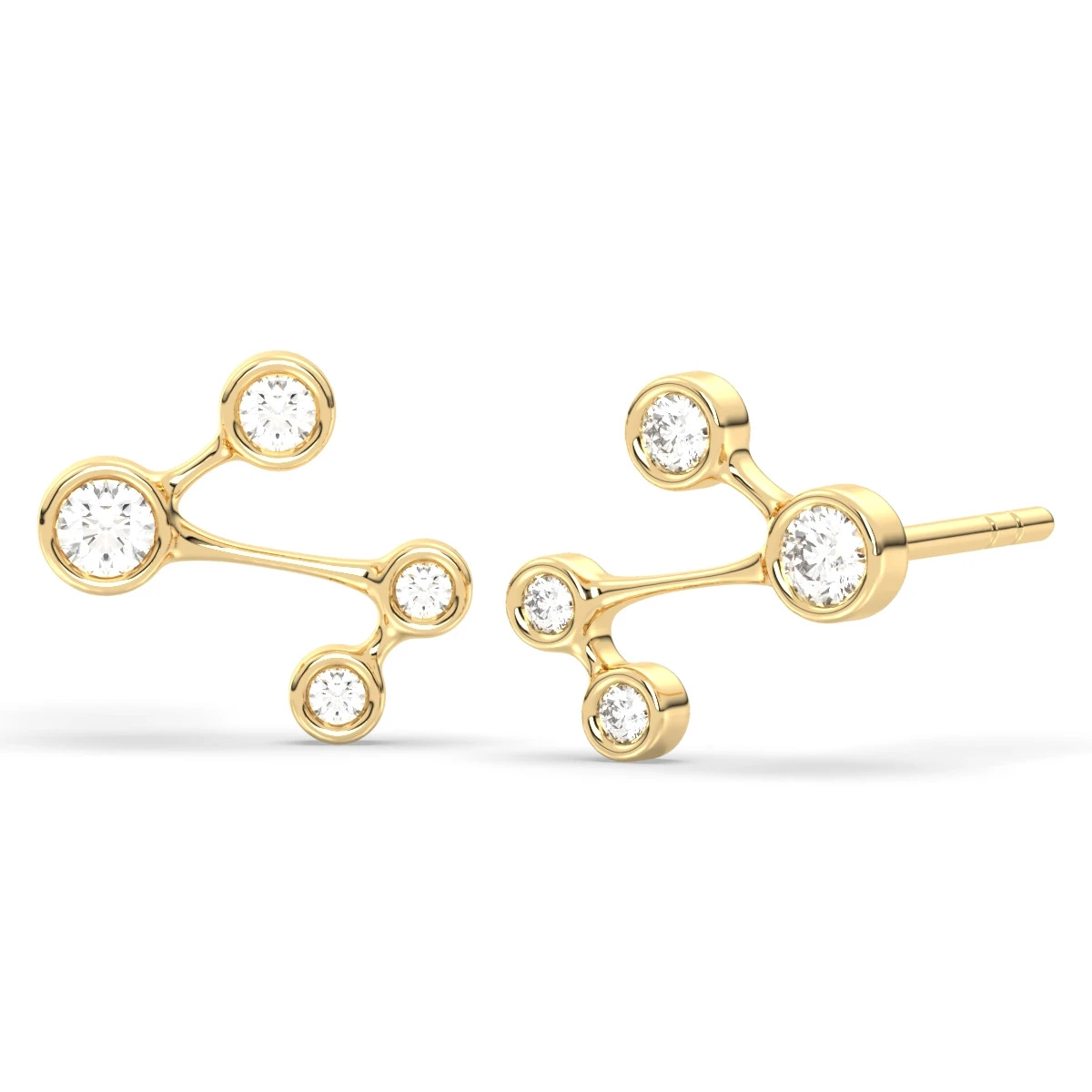
White topaz celestial stud earrings
$55.20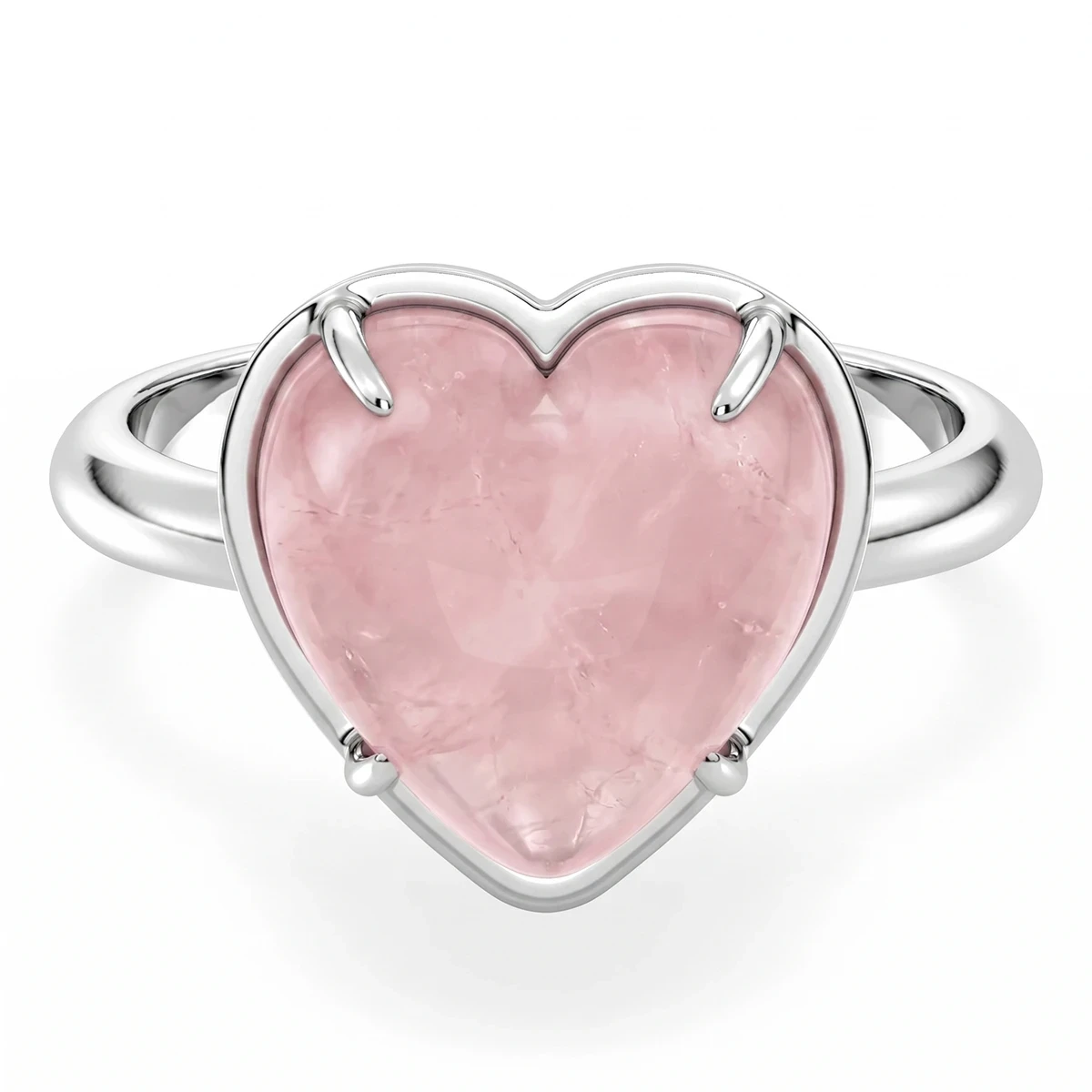
Audrey Rose Quartz statement heart ring in Sterling Silver
$71.20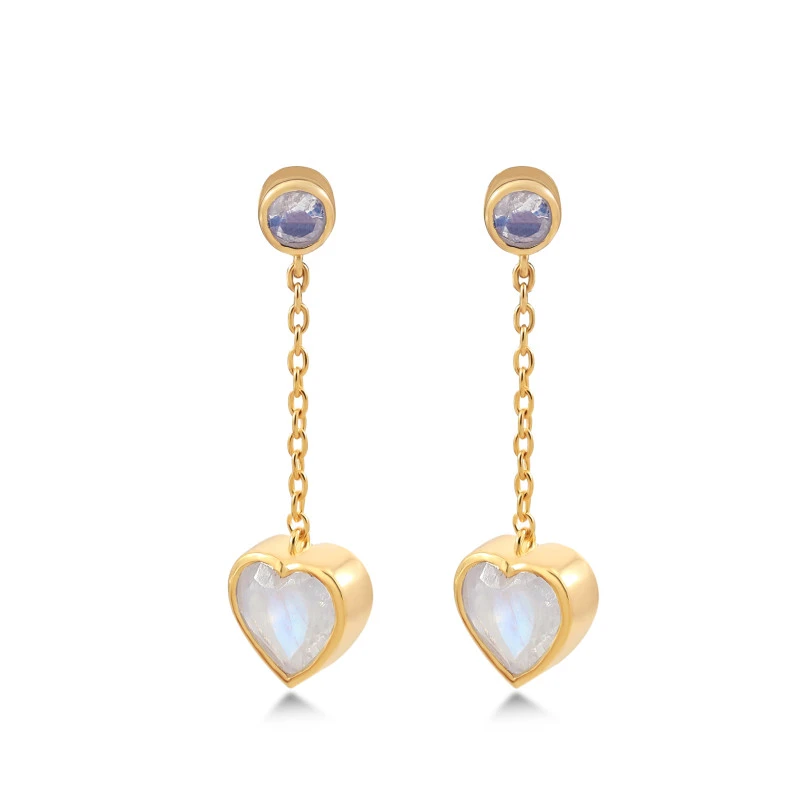
Emily Rainbow Moonstone Heart Earrings
$80.00Your Cart
0 ItemsYour Cart is empty
Start ShoppingFind What Resonates
With You
Discover the perfect gemstone for you
Amethyst
Black Onyx
Citrine
Emerald
Garnet
Green Onyx
Labradorite
Larimar
London Blue Topaz
Malachite
Opal
Peridot
Rainbow Moonstone
Rose Quartz
Ruby
Sapphire
Sky Blue Topaz
Smoky Quartz
Tanzanite
Tourmaline
Turquoise
White Topaz
Shop By
Explore our curated collections
Birthstone
Discover by your birth monthZodiac Sign
Find your astrological match
Your Cart
Your Cart is empty
Continue Shopping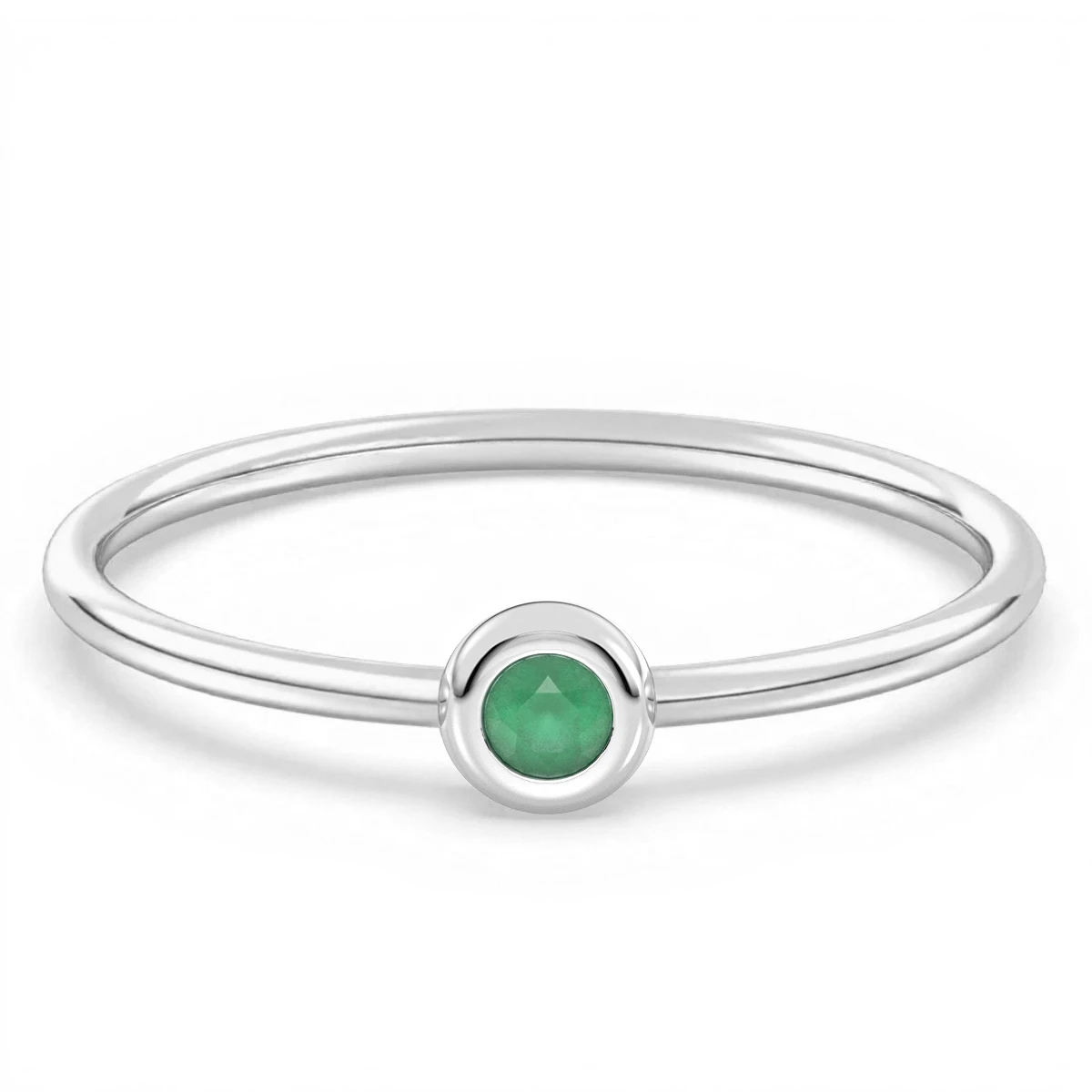
Turquoise Buying Guide: How to Choose the Perfect Turquoise Gemstone
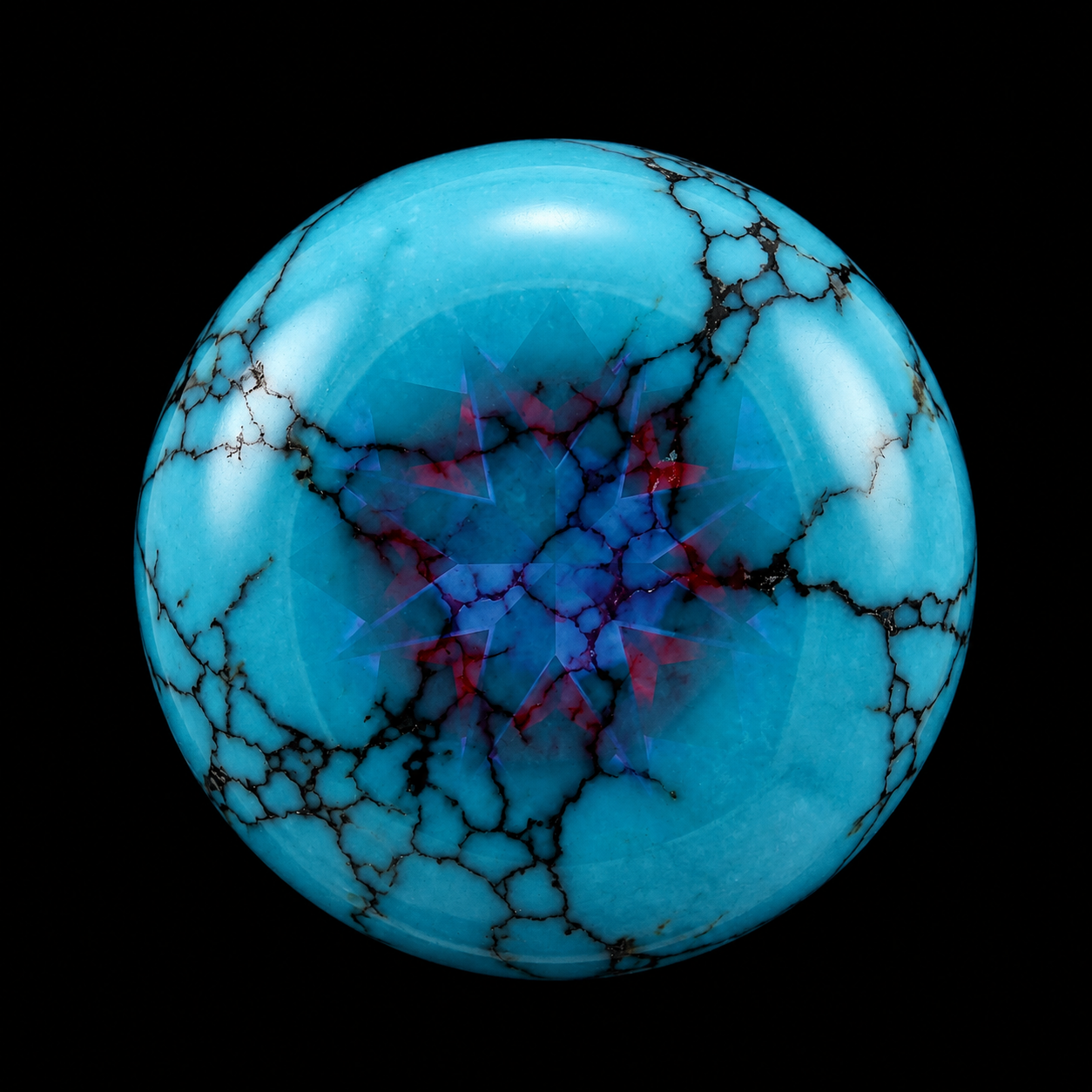
Turquoise gemstone has a presence that’s hard to ignore. That deep, dreamy blue, sometimes with a hint of green, often streaked with dark matrix patterns, catches your eye and holds it. Valued for its vivid, opaque colors, this striking stone remains a timeless choice for collectors and designers alike.
This turquoise buying guide will help you understand the factors that you need to know before making a purchasing decision of the stone.
What is Turquoise?
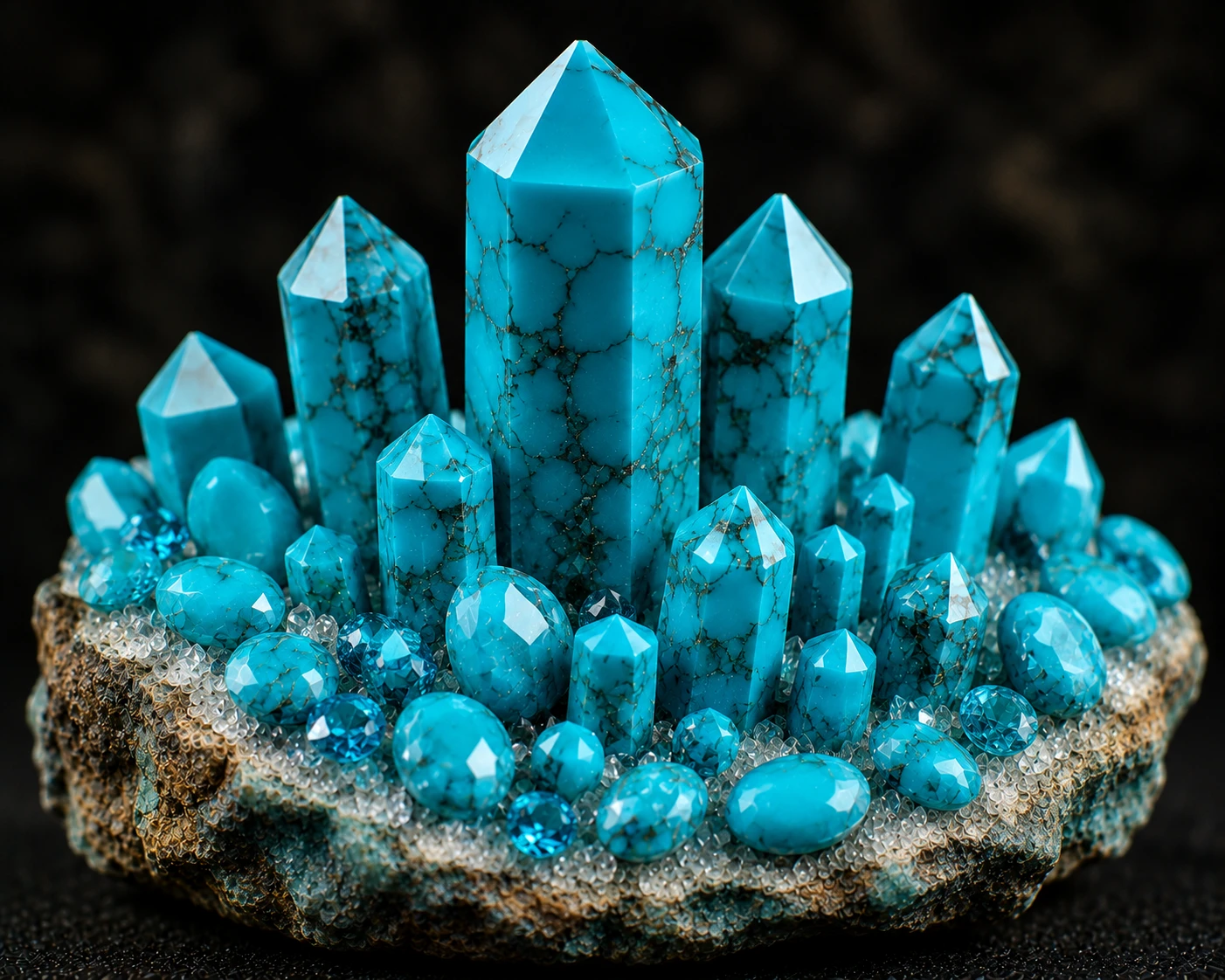
Turquoise is an opaque phosphate mineral rich in copper and aluminum that forms in arid zones and is considered a historically revered gemstone. It features calm sky blue colors along with distinctive brown or black matrix marbling.
The turquoise gemstone is highly celebrated for its organic character and beautiful matrix veining, including coveted spiderweb structures. Mined for over 5,000 years, its deposits are heavily concentrated in legendary desert areas globally.
On the Mohs hardness scale, it is ranked 5-6, thereby demanding a protective setting. Turquoise is more than an accessory; it is a piece of cultural memory, symbolizing deep protection, mental clarity, and enduring natural elegance.
What Makes Turquoise Special
Turquoise is labeled as a special gemstone. Here are some reasons:
Color grading: The color grading of the stone makes it special with its clear, saturated sky‑blue shade that sets a premium benchmark. The highest quality of turquoise gemstones will have a pure, intense blue hue. On the other hand, muddy, pale, or heavily greenish variations are common and less expensive.
Volcanic and Host Rock Patterns: The surface display has distinct host rock matrix patterns, ranging from dark veins to fine, symmetrical spiderweb lines that yield an organic, hand‑drawn appearance.
Resin Stabilization for Stability: As natural turquoise is porous and soft, it is standardly stabilized with clear resin or plastic that fills its tiny pores. All of this strengthens the stone against fracture and color shifting, making it ideal for everyday jewelry.
Watch out for fakes and dyes: Turquoise is undoubtedly a popular gemstone, and this sometimes leads to imitation formation in the market. The imitation pieces of the stone are manufactured using dyed howlite, magnesite, or plastic composites. Hence, when you buy Turquoise crystal make sure to always confirm the authenticity before purchasing the stone so as to avoid buying any false product under the pretext of real Turquoise.
Quality Checklist for the Perfect Turquoise
There are several factors that can be used to figure out the authenticity of the Turquoise gemstones. A few of them are mentioned below:
1. Cut and Clarity
Turquoise are usually cut in smooth cabochon, beveled, or inlay profiles to best exhibit color. In terms of clarity, the stone is entirely opaque, requiring a smooth surface free of structural cracks or deep pitting. The natural stone shouldn't have artificial flaws that compromise its durability.
2. Color Intensity
The stone color can range anywhere from soft greenish-blue to highly vivid sky blue. Saturated, clear sky‑blue Turquoise is considered more valuable than pale or dull variants. However, a real stone will have natural variations instead of a standardized color.
3. Carat Dimensions
Carat initially means the size and weight of the stone, often tracked in grams for raw yields. As top-quality turquoise occurs in limited veins, larger clean specimens are uncommon and hence are more valuable. The carat size holds equal weightage as the cut, clarity, and color of the stone to figure out its authenticity.
4. Surface Patterns
The most unique feature of the Turquoise gemstone is the surface patterns of the stone. To figure out a genuine stone, look for organic, asymmetric mineral inclusions or spiderweb networks containing limonite or pyrite. The presence of these patterns implies the authenticity of the stone.
5. Stone Size
Turquoise stones are available in smaller and medium sizes and can blend seamlessly into various jewelry pieces. However, if a stone seems unusually large along with a perfectly uniform color and zero matrix variation, then the authenticity of that stone needs to be verified.
Take a closer look at the wide collection of BAUTLR and uncover a variety of everyday elegance jewelry. You may find your next favourite piece there.
Turquoise Price Guide
The price of Turquoise gemstones is significantly influenced by their size and color intensity, quality, treatment history, and the metal used to create them. For instance, simple silver designs are more affordable, whereas gold‑plated settings with larger stones tend to be on the expensive side.
The Turquoise stone jewelry may vary from $59 to $150, based on its settings, size, and color intensity. Explore and buy Turquoise jewelry in BAUTLR and get a clear idea of how design, settings, and quality influence the jewelry price.
Jewelry Buying Tips
To ensure that you buy the perfect Turquoise gemstone jewelry, there are certain points that need to be taken care of. A few of them are –
Silver and gold bezel settings : The beauty of Turquoise is usually highlighted through its settings, which can be done in either silver or gold. This also offers strong protection, which is needed as Turquoise is not a hard stone. The settings also bring out the vivid blue tones of the stones in a cleaner way.
Versatility in materials: This classic mineral gem blends seamlessly into materials, be they rings, earrings, or even pendants. Buyers can explore the Turquoise collection at BAUTLR, where every design is done in a way so that the rich sky-blue patterns of the stone have the limelight.
Complementing with silver or warm metals: Turquoise is said to go well with sterling silver, copper, and gold. Silver offers cool tones that help in creating a classic Southwestern look, while gold elevations help in accentuating a modern, luxurious aesthetic. With the right pairing method, the beauty of the stone can be enhanced on an overall basis.
Avoiding exposed settings: As the stone is soft in nature, it tends to chip or scratch under hard impacts. For this, high, uncovered settings are generally avoided to prevent leaving the perimeter vulnerable. So, a practical approach here would be to resort to strong protective borders.
Where to Buy Turquoise
Best Place to Buy Turquoise Jewelry
Turquoise can be found in both online and physical authentic stores. One of the best places to visit is reputable custom artisan platforms or trusted retail houses. Besides this, platforms like BAUTLR offer a wide collection of the jewelry in various accessories. Some other genuine sources to buy Turquoise are authorized local dealers and labs providing clear treatment disclosures.
Online Platforms for Raw Crystal
To buy turquoise crystal, trusted sources should be the ones that specialize in natural gemstones. There are certain online platforms where the stone can be purchased, like specialty crystal websites that focus on natural gemstone collections.
Some other sources include –
Rock shops
Mineral dealers
Gem shows
Buy Turquoise (Loose Stones)
Turquoise loose stones can be found in online marketplaces and artisan markets that certify graded gems. Here, buyers can buy stones with their preference of color, size, and pattern. This stone forms a perfect choice for buyers who are either fond of custom jewelry or just like to collect high-quality stones.
Smart Buying Tips
To ensure that you pick nothing but the best, verifying the authenticity of the stone is important. This can be done by the following approaches –
Requesting a transparent gemological laboratory certificate from the seller when you buy Turquoise as it confirms natural origin and lists accurate stabilization status
Checking the matrix line structure closely under magnification, as dyed imitations reveal perfectly uniform or artificial ink concentration tracks
Assessing specific gravity or surface density traits to quickly separate true copper mineral compositions from lightweight plastic or composite fakes
Ethical sourcing should be the top priority to figure out the genuineness of the stone. It is advised to keep a part of your budget aside when you buy Turquoise so as to invest in clear identification reports or professional appraisal checks.
Care Basics
Since the Turquoise gemstone is gentle and porous, proper measures should be taken to maintain it.
Cleaning: The basic approach is using a mild soap, warm water and a soft cloth or brush. This makes removing the dirt from it quite simple and easy.
Avoiding harsh elements: The stone should not be brought into direct contact with harsh chemical detergents, cosmetics, or skin oils. It is also advised to avoid ultrasonic cleaners, as they produce intense vibration, which may damage the stone structural bonds.
Proper storage: It is advised to keep the stone in a proper separate fabric pouch or a fabric‑lined box so that it doesn't get scratches easily. Additional precautions should be taken to prevent the stone from prolonged intense heat or extreme dryness.
So, let your jewelry feel calm as it looks. Discover the variety of Turquoise gemstone jewelry at BAUTLR that comes with a natural and soothing charm.
Hello! How can I help you?