Popular Searches
Explore by Intention
Your wishlist is currently empty.
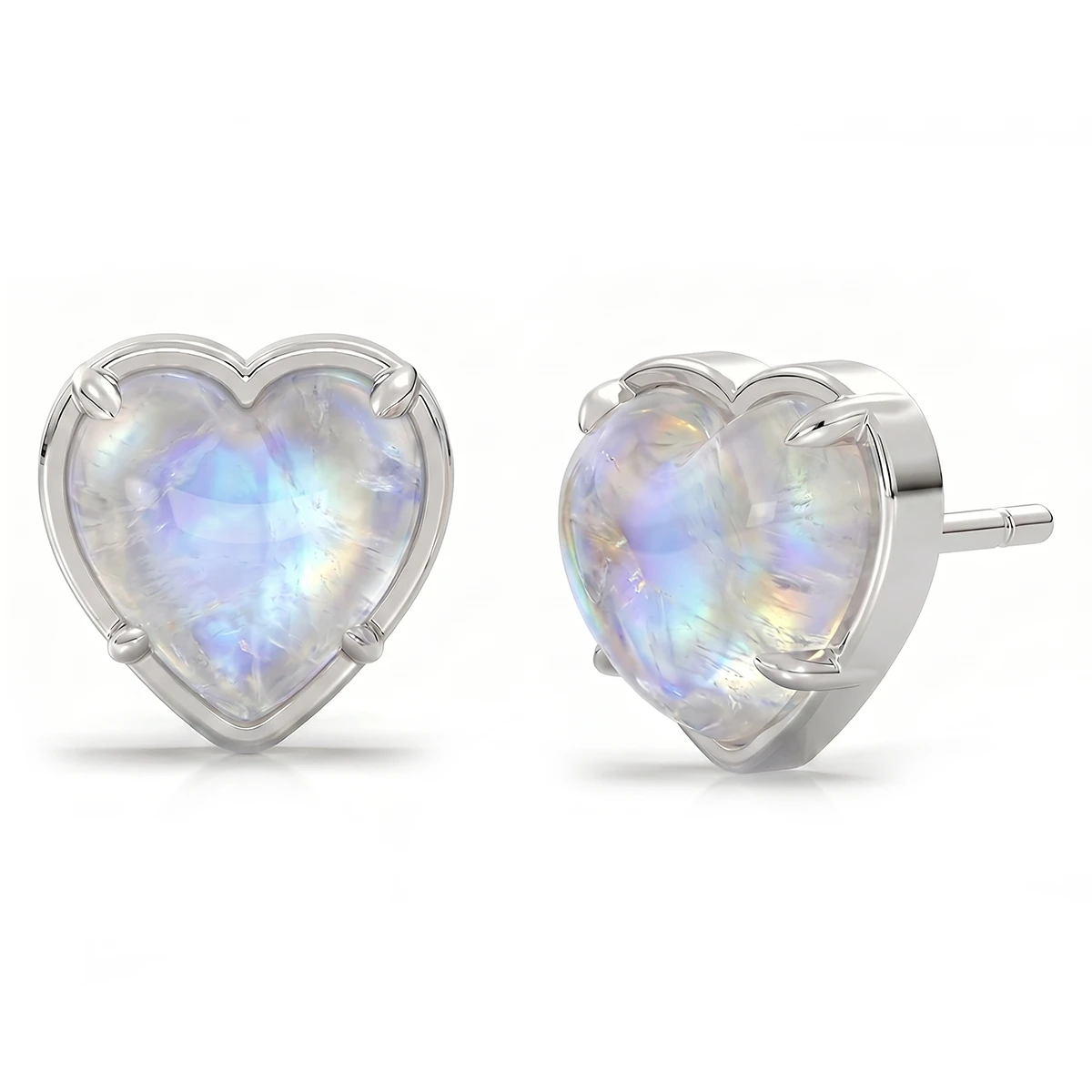
Audrey Heart Rainbow Moonstone Stud Earrings
$80.00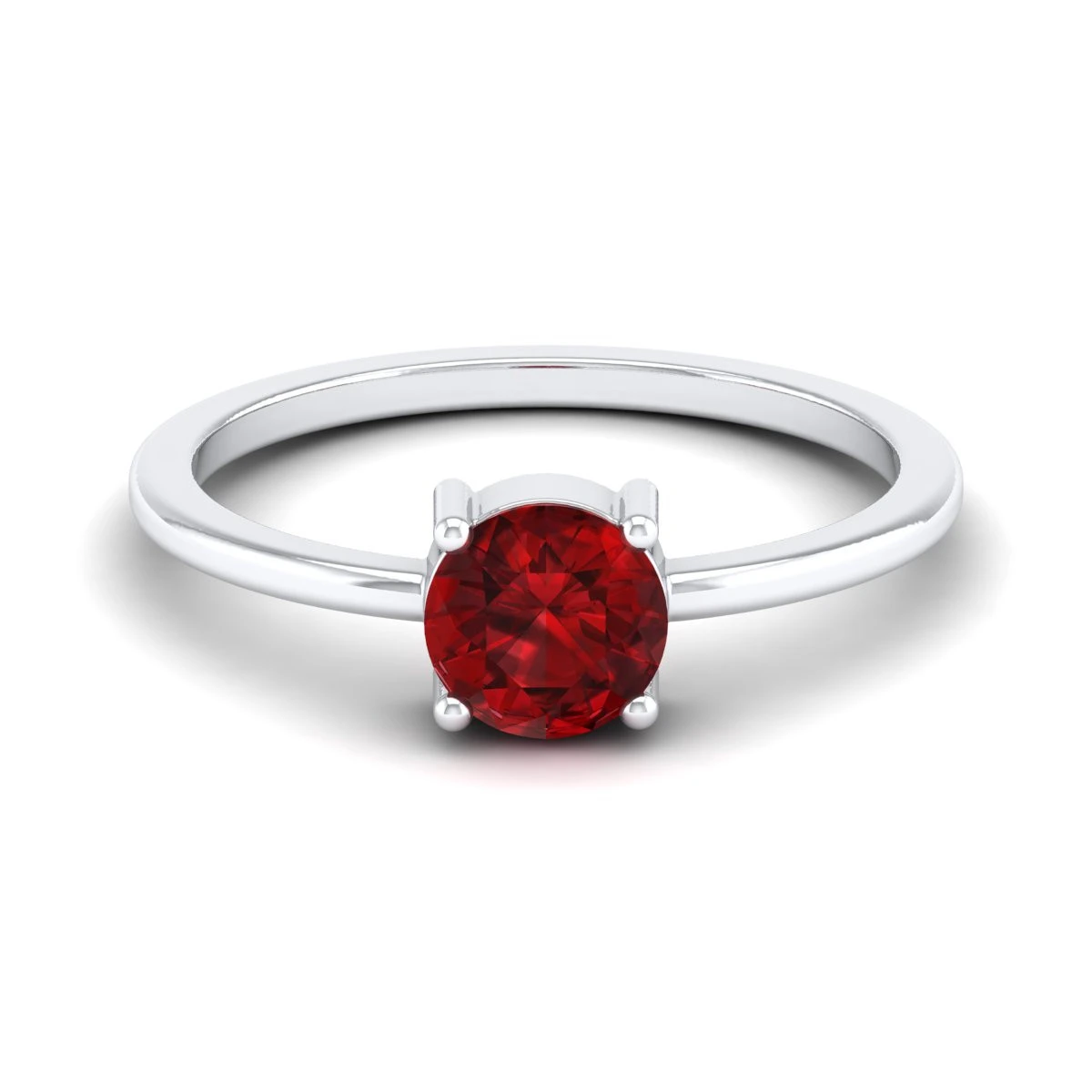
Garnet Ring in 18K Gold Plated and Sterling Silver
$52.00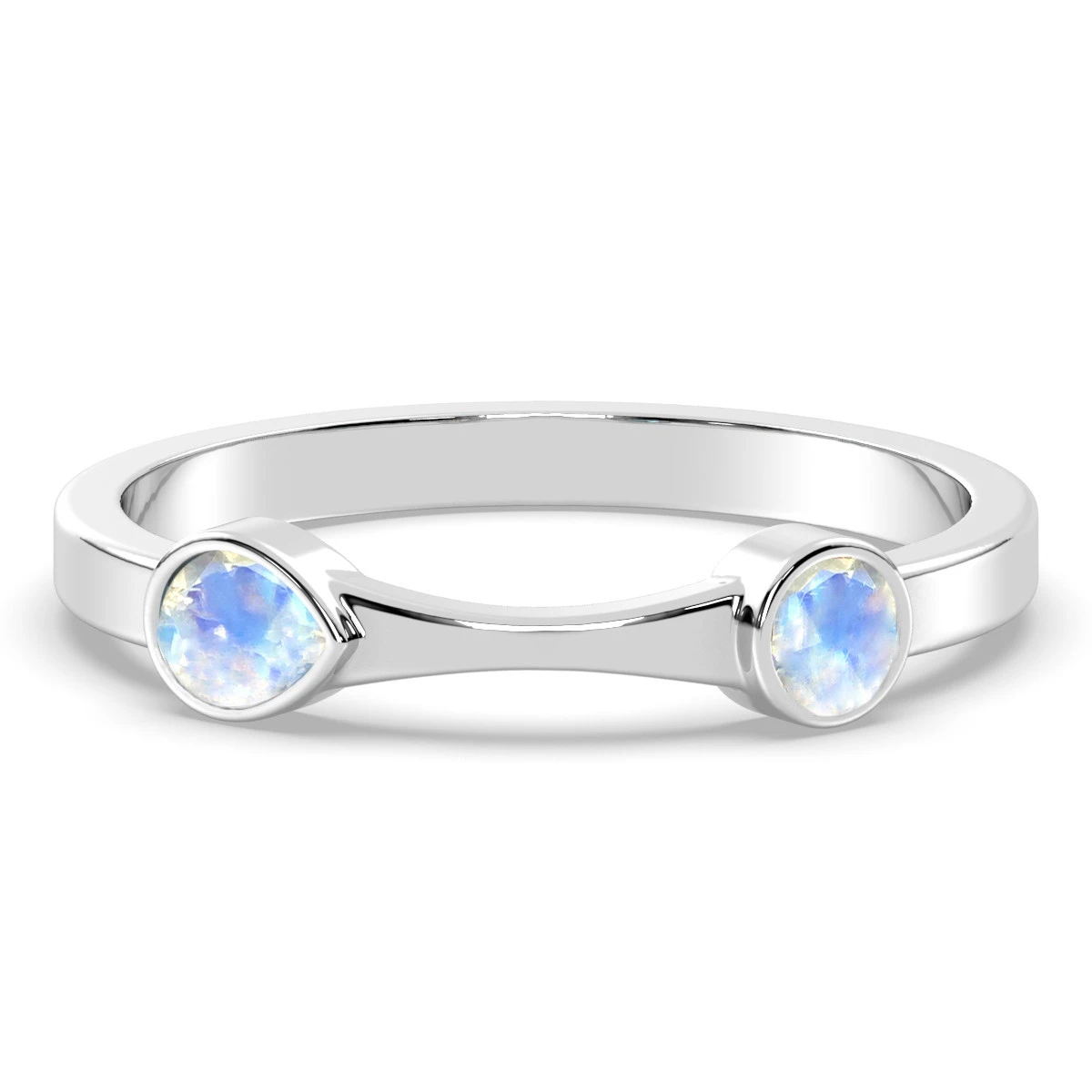
Chloe Rainbow Moonstone multi stone ring
$55.20Your Cart
0 ItemsYour Cart is empty
Start ShoppingFind What Resonates
With You
Discover the perfect gemstone for you
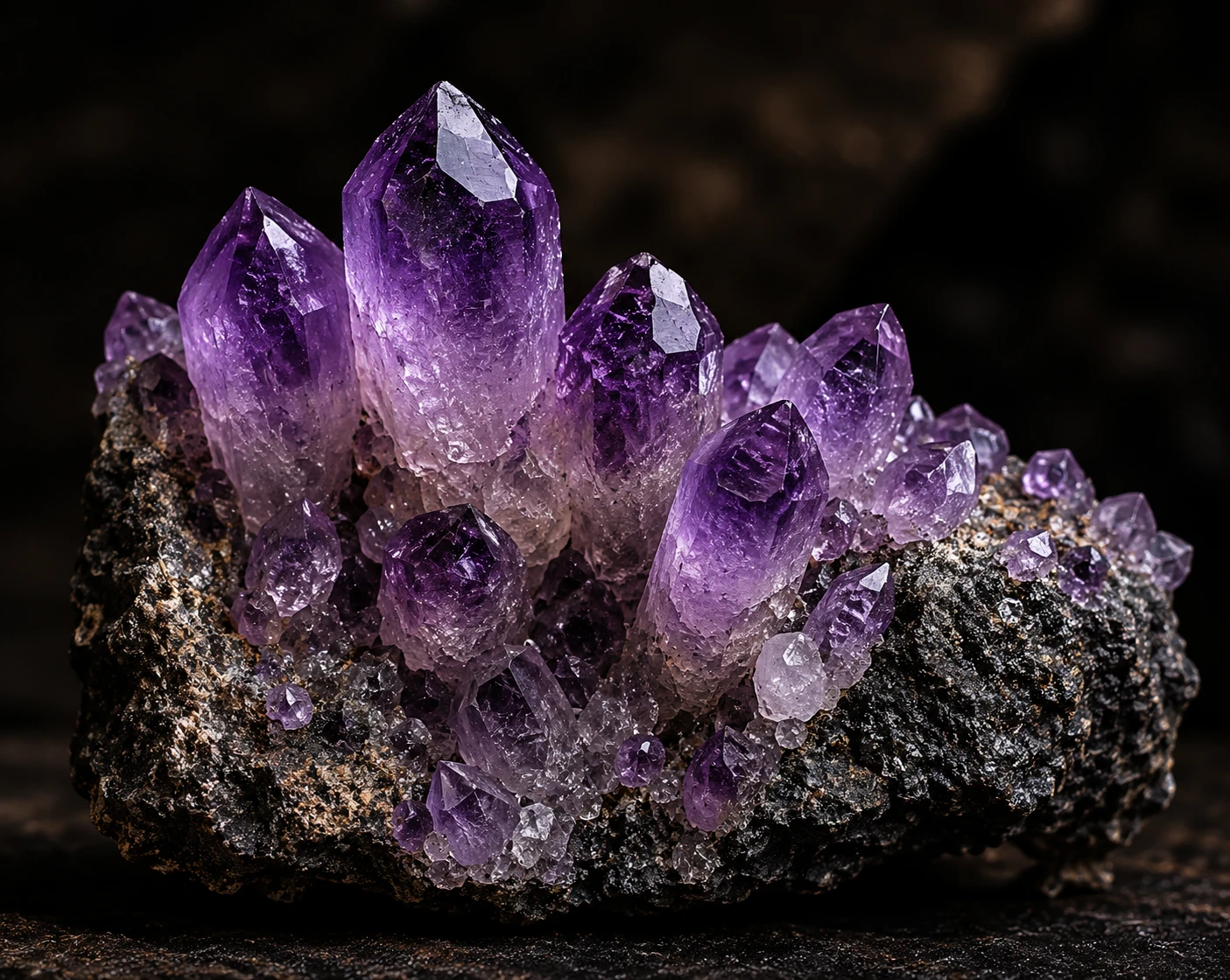
Amethyst
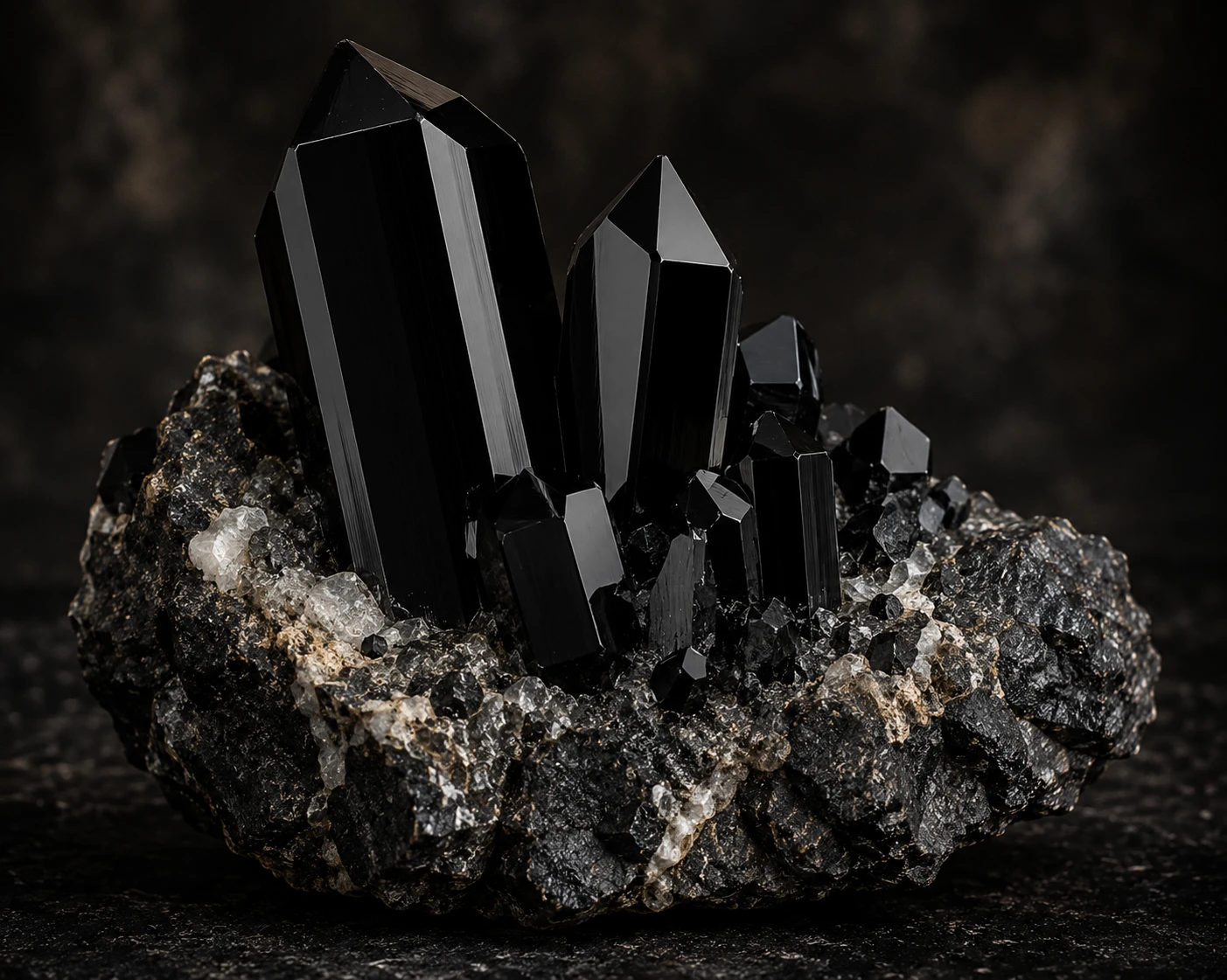
Black Onyx
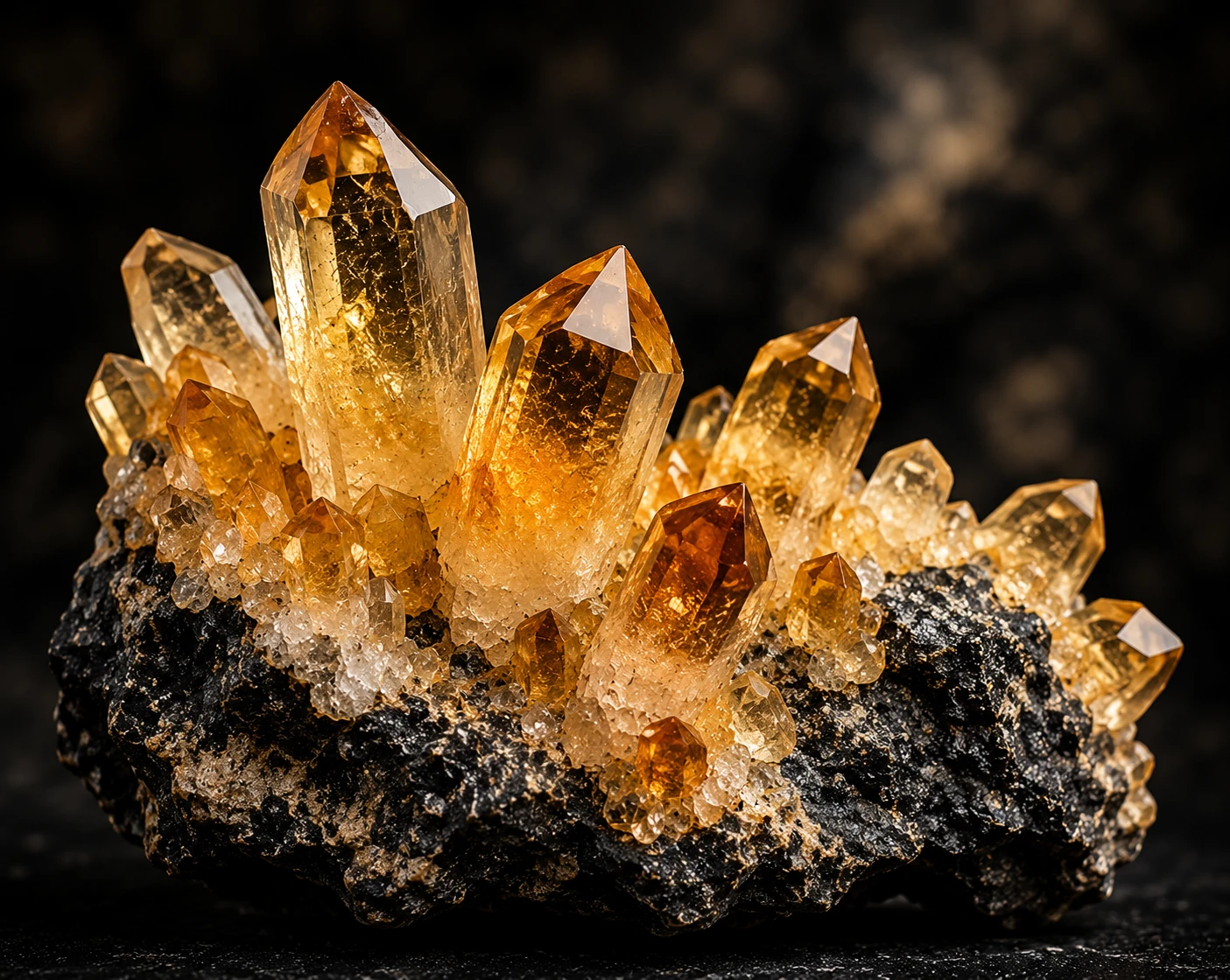
Citrine
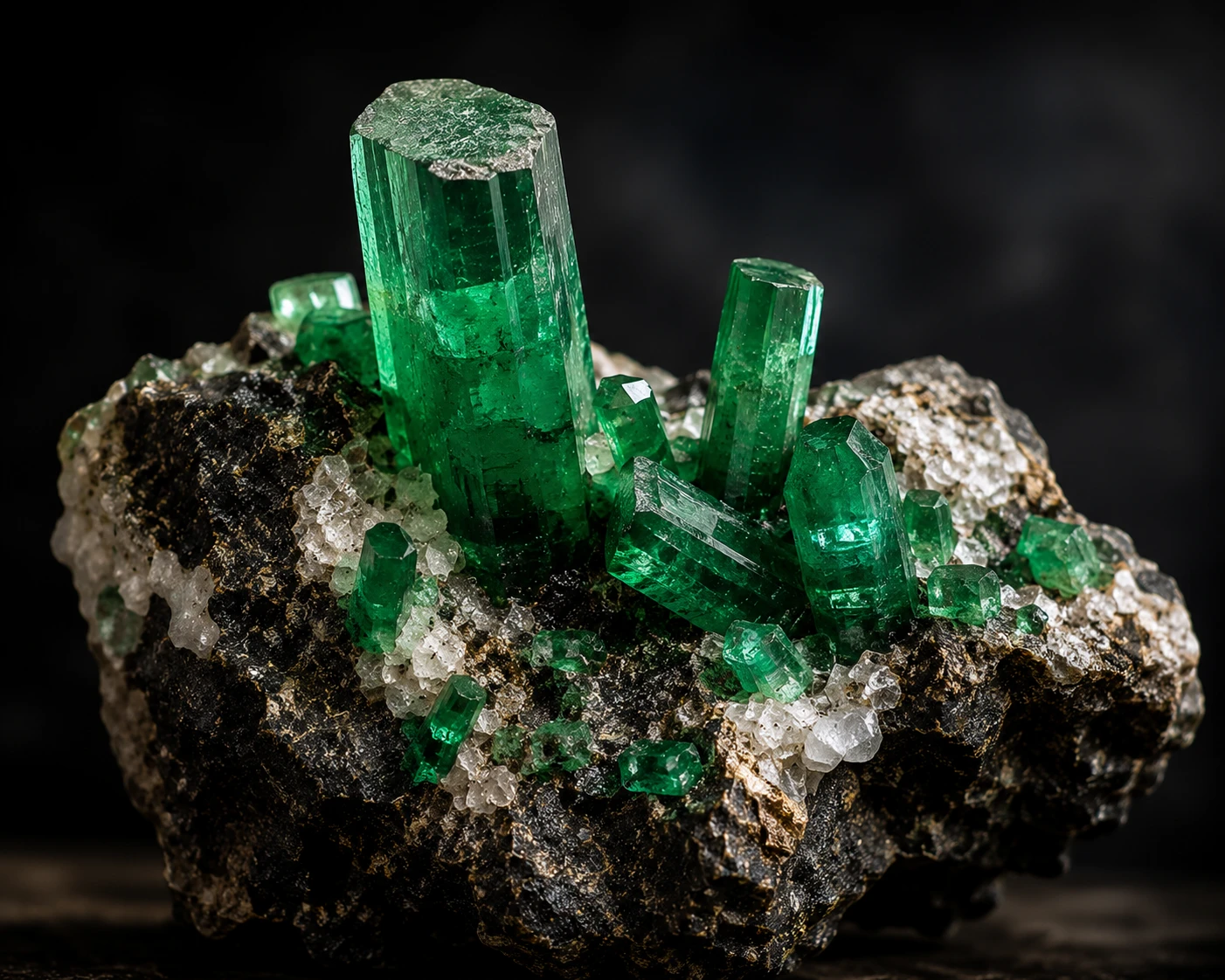
Emerald
Garnet
Green Onyx
Labradorite
Larimar
London Blue Topaz
Malachite
Opal
Peridot
Rainbow Moonstone
Rose Quartz
Ruby
Sapphire
Sky Blue Topaz
Smoky Quartz
Tanzanite
Tourmaline
Turquoise
White Topaz
Shop By
Explore our curated collections
Birthstone
Discover by your birth monthZodiac Sign
Find your astrological match
Your Cart
Your Cart is empty
Continue ShoppingWishlist (0)
Your wishlist is currently empty.
SUGGESTED FOR YOU
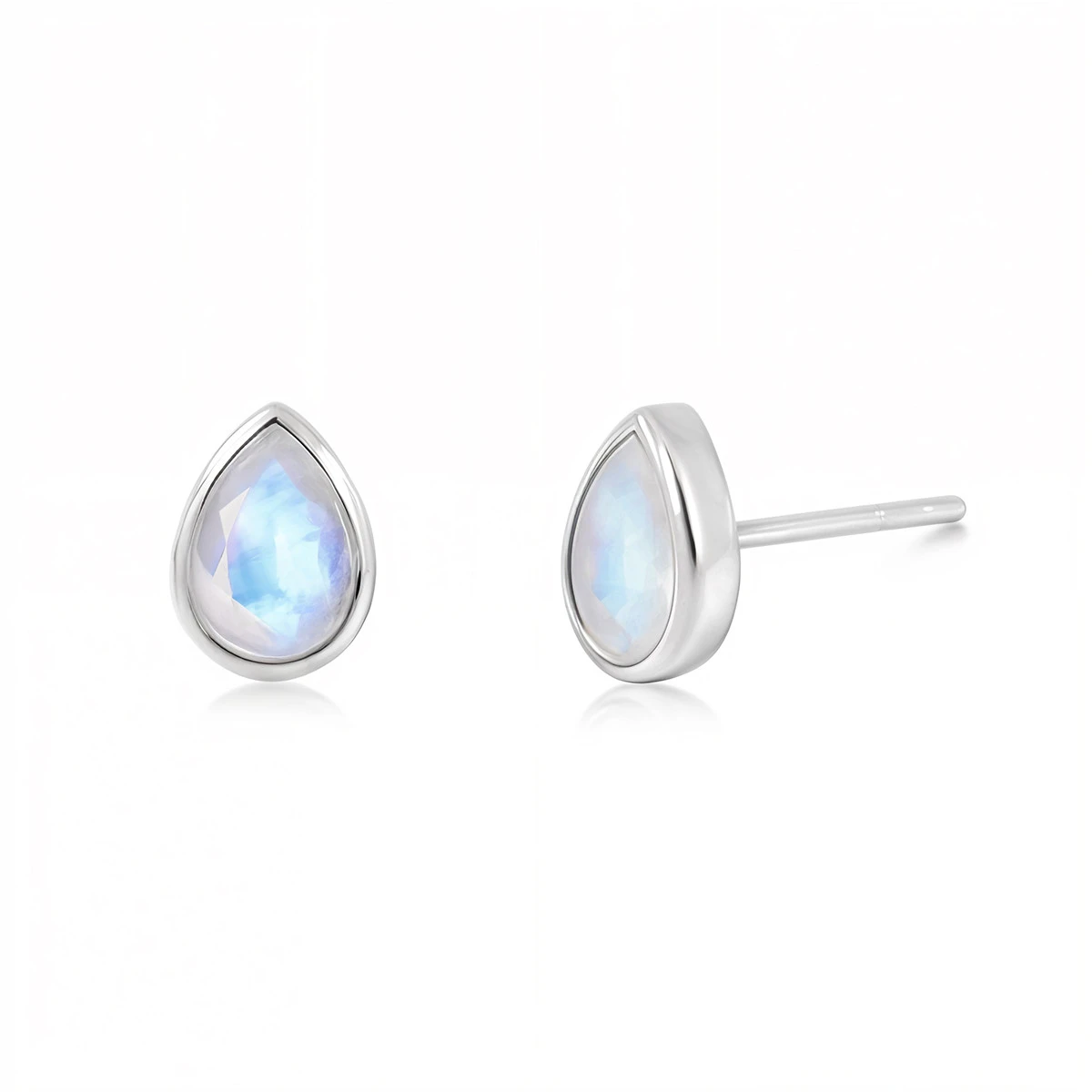
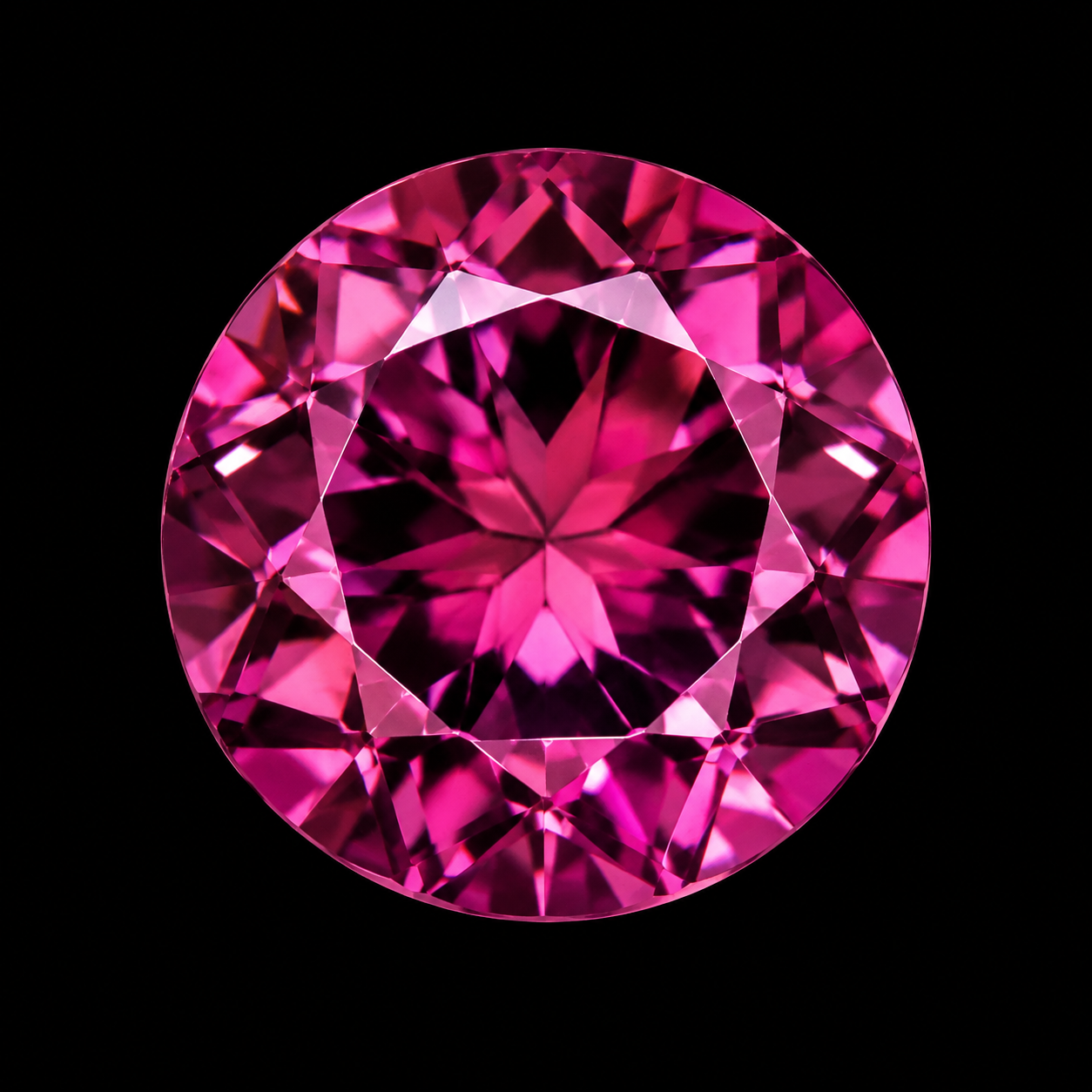
Tourmaline Buying Guide: What to Know Before Choosing your Tourmaline Jewelry
Tourmaline doesn't behave like most gemstones. It doesn't stick to one color, one look, or even one vibe. A single tourmaline gemstone can show soft pink, deep green, or sometimes more than one shade at once. That kind of range is rare. That's also why people end up wanting to buy tourmaline without overthinking it. It gives you options. You're not locked into one aesthetic, and that flexibility makes it easier to wear across different styles.
What is a Tourmaline Gemstone?
A tourmaline gemstone isn't just one mineral. It's a group. Same structure, different chemical compositions, which is why the colors vary so much. That's also why tourmaline stones don't all look or feel the same. Some are light and transparent, others deeper and more intense. From a practical side, they're durable enough for regular wear, which makes them a common choice in everyday pieces.
The name itself tells a small story. It comes from the Sinhalese word "turamali," roughly meaning "stone of mixed colors," which is a fitting introduction for a gemstone that rarely settles on just one shade. Tourmaline crystals grow inside pegmatites, the same mineral-rich rock formations that produce several other colored gems, and they're found across Brazil, Sri Lanka, Nigeria, Mozambique, Madagascar, Afghanistan, and parts of the United States. Slight shifts in mineral content during that growth are what push a tourmaline crystal toward pink, green, blue, or black; no lab could replicate the exact conditions twice, which is part of why every stone feels a little one-of-a-kind.
Tourmaline: The October Birthstone
Tourmaline shares October with opal as one of the month's two official birthstones, a title it's held for over a century. For anyone shopping with a birth month in mind, that broad color range means an October birthday doesn't have to mean picking from a narrow shelf — pink, green, blue, and multicolor options are all still "on brand" for the month. If you're buying tourmaline as a birthstone gift, it's worth reading our dedicated tourmaline birthstone guide for a deeper look at meanings by color and month-specific styling ideas.
Tourmaline Colors
Wide Color Spectrum: If there's one thing tourmaline gets right, it's variety. The range of tourmaline colors is almost unmatched. You'll find pink, green, blue, black, and even stones that shift between shades.
Unique Variations: Some varieties stand out more than others. Green tourmaline can look similar to emerald, while blue tones are less common and usually more valuable. The mix within tourmaline stones is what keeps things interesting.
Natural Formation: The reason behind all this variation comes down to how tourmaline crystals form. Small changes in composition during growth affect the final color. That's why no two stones look exactly the same.
Wide Color Spectrum: If there's one thing tourmaline gets right, it's variety. The range of tourmaline colors is almost unmatched. You'll find pink, green, blue, black, and even stones that shift between shades.
Unique Variations: Some varieties stand out more than others. Green tourmaline can look similar to emerald, while blue tones are less common and usually more valuable. The mix within tourmaline stones is what keeps things interesting.
Natural Formation: The reason behind all this variation comes down to how tourmaline crystals form. Small changes in composition during growth affect the final color. That's why no two stones look exactly the same.
Types of Tourmaline Worth Knowing
Once you look past the basic color names, tourmaline stones actually fall into a handful of recognized varieties, each with its own personality and price point:
Rubellite – saturated pink to red tones, often the deeper, richer cousin of standard pink tourmaline.
Chrome Tourmaline – an intense emerald-green shade, colored by chromium, and the closest tourmaline gets to true emerald.
Indicolite – blue tourmaline, less common than pink or green and priced accordingly.
Watermelon Tourmaline – a bi-color stone with a green edge and pink core, usually cut into slices so both colors show.
Paraíba – a rare neon blue-green variety and the most valuable type of tourmaline by a wide margin.
Schorl (Black Tourmaline) – the most common and most affordable variety, often used in more understated, everyday jewelry.
Knowing these names doesn't just help you shop smarter, it also explains why two tourmaline stones can look similar in color but sit worlds apart in price.
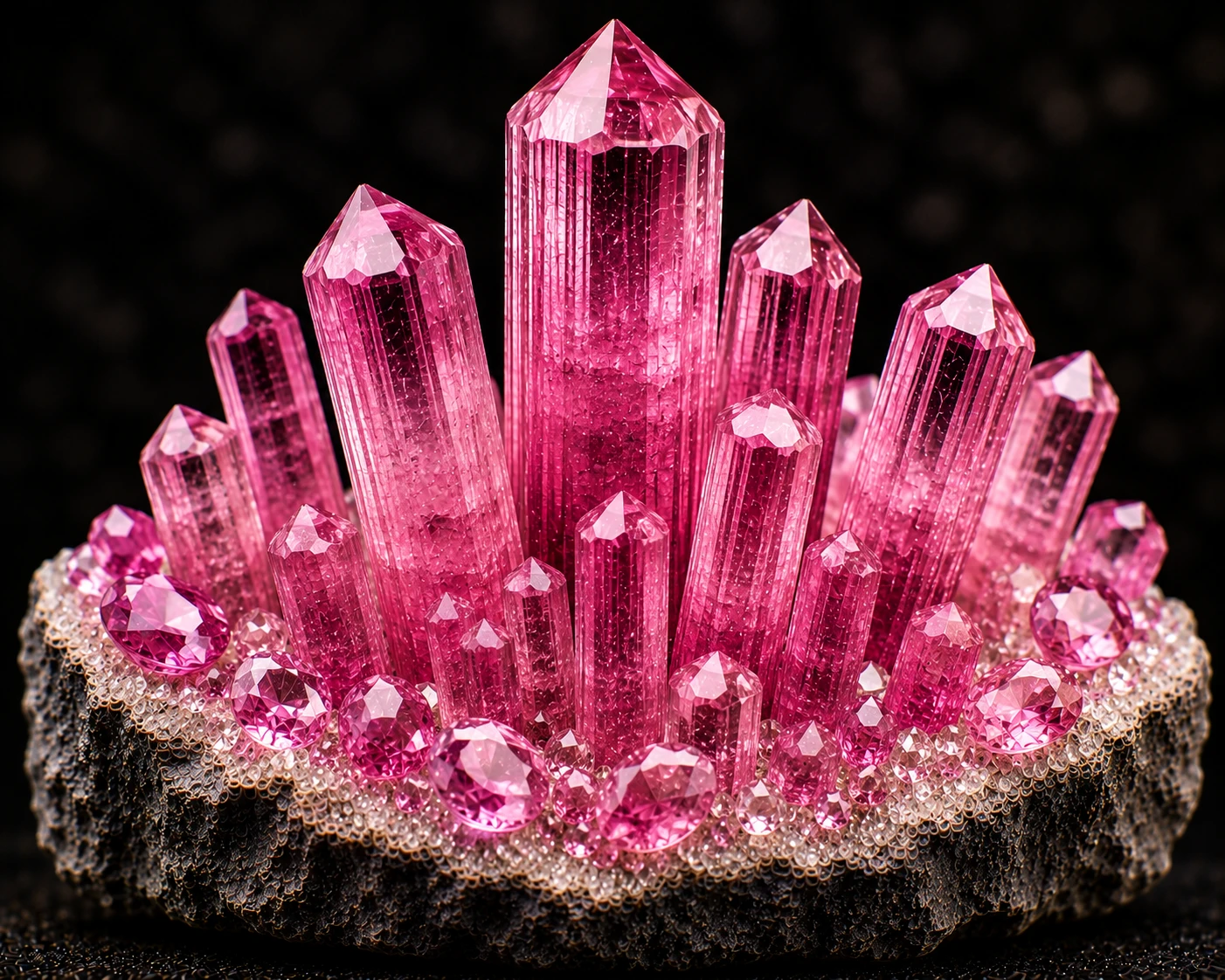
Pink Tourmaline Gemstone (Most Popular Variant)
Why It Stands Out: The pink tourmaline gemstone is probably the easiest to recognize. It has a softness to it that doesn't feel overwhelming, but it still catches attention.
Everyday Wear Appeal: This is the kind of stone that fits into daily wear without effort. A lot of tourmaline jewelry uses pink tourmaline because it works across different outfits without feeling too bold.
Gifting & Versatility: It's also one of the more commonly gifted options. The color feels approachable, and it doesn't limit who can wear it. That versatility plays a big role in its popularity.
Why It Stands Out: The pink tourmaline gemstone is probably the easiest to recognize. It has a softness to it that doesn't feel overwhelming, but it still catches attention.
Everyday Wear Appeal: This is the kind of stone that fits into daily wear without effort. A lot of tourmaline jewelry uses pink tourmaline because it works across different outfits without feeling too bold.
Gifting & Versatility: It's also one of the more commonly gifted options. The color feels approachable, and it doesn't limit who can wear it. That versatility plays a big role in its popularity.
BAUTLR has got an excellent collection of handmade pink tourmaline jewelry. Explore and shop now!
Tourmaline Meaning & Symbolism
Tourmaline is usually associated with balance and protection. Not in an exaggerated way, more like a steady presence. Different colors carry slightly different meanings. Pink is often linked to love and emotional clarity, while darker stones are tied to grounding and protection. These ideas are part of why people are drawn to tourmaline jewelry, even beyond how it looks.
Tourmaline Properties & Benefits
Durability & Wearability: Tourmaline sits around 7 to 7.5 on the Mohs scale. That's enough for daily wear without constant worry. A tourmaline gemstone can handle regular use, especially when set properly.
Emotional Balance: A lot of people connect tourmaline with calmness. It's often seen as a stone that helps keep things steady when everything else feels off.
Energy & Protection: Certain types, especially darker ones, are associated with protection. It's a common belief that these tourmaline stones help block negative energy.
Confidence & Expression: The pink tourmaline gemstone is often tied to self-expression. People associate it with openness and emotional clarity.
Versatility: What really stands out is how adaptable it is. Tourmaline doesn't lock you into one look. It works across styles, which makes it easy to keep wearing.
Durability & Wearability: Tourmaline sits around 7 to 7.5 on the Mohs scale. That's enough for daily wear without constant worry. A tourmaline gemstone can handle regular use, especially when set properly.
Emotional Balance: A lot of people connect tourmaline with calmness. It's often seen as a stone that helps keep things steady when everything else feels off.
Energy & Protection: Certain types, especially darker ones, are associated with protection. It's a common belief that these tourmaline stones help block negative energy.
Confidence & Expression: The pink tourmaline gemstone is often tied to self-expression. People associate it with openness and emotional clarity.
Versatility: What really stands out is how adaptable it is. Tourmaline doesn't lock you into one look. It works across styles, which makes it easy to keep wearing.
Inclusions in Tourmaline (What to Expect)
Most tourmaline stones aren't perfectly clean. You'll often see inclusions. Internal lines, slight color zoning, sometimes tiny imperfections. That's normal. It's part of how the stone forms. Minor inclusions don't really take away from the look, and in some cases, they add character. But if they're too heavy, they can affect clarity and value.
How to Choose a Quality Tourmaline Gemstone
Color: Color usually makes the biggest difference. A strong, even tone tends to stand out more. With a pink tourmaline gemstone, vibrancy matters more than just the shade itself.
Clarity: Some inclusions are expected, but the stone should still look clean overall. If it feels cloudy or dull, that's where clarity becomes an issue.
Cut: Cut changes how the stone reflects light. A well-cut piece of tourmaline stones will look brighter and more defined, while a poor cut can make it look flat.
Carat: Tourmaline comes in a wide range of sizes. Larger stones are more noticeable, but size alone doesn't define value. It's always a balance.
Type & Variety: Different types vary in price and rarity. Some are more common, while others are harder to find. This becomes important when you decide to buy tourmaline.
Color: Color usually makes the biggest difference. A strong, even tone tends to stand out more. With a pink tourmaline gemstone, vibrancy matters more than just the shade itself.
Clarity: Some inclusions are expected, but the stone should still look clean overall. If it feels cloudy or dull, that's where clarity becomes an issue.
Cut: Cut changes how the stone reflects light. A well-cut piece of tourmaline stones will look brighter and more defined, while a poor cut can make it look flat.
Carat: Tourmaline comes in a wide range of sizes. Larger stones are more noticeable, but size alone doesn't define value. It's always a balance.
Type & Variety: Different types vary in price and rarity. Some are more common, while others are harder to find. This becomes important when you decide to buy tourmaline.
A Quick Note on Treatments
Most tourmaline sold today is untreated, but heat treatment is fairly standard in the trade, especially for deeper blues and some pinks, and it's considered acceptable industry-wide as long as it's disclosed. When you buy tourmaline, it's fair to ask a seller whether a stone has been treated — a trustworthy source will always tell you.
This is exactly why BAUTLR builds sourcing transparency into everything we make; you can read more about it on our process and our promises pages.
Tourmaline Stone Price & Cost Factors
Color Influence: The tourmaline stone price is heavily tied to color. Rare or highly saturated shades tend to be more expensive than common ones.
Clarity & Quality: Cleaner stones usually hold more value. But slight inclusions are expected and don't automatically lower the price.
Size & Availability: Larger stones with good color are less common, which increases their value. Smaller stones are easier to find and usually more affordable.
Variety Differences: Some varieties are priced much higher than others. This is where the range in tourmaline stone price becomes noticeable.
Color Influence: The tourmaline stone price is heavily tied to color. Rare or highly saturated shades tend to be more expensive than common ones.
Clarity & Quality: Cleaner stones usually hold more value. But slight inclusions are expected and don't automatically lower the price.
Size & Availability: Larger stones with good color are less common, which increases their value. Smaller stones are easier to find and usually more affordable.
Variety Differences: Some varieties are priced much higher than others. This is where the range in tourmaline stone price becomes noticeable.
Roughly, What Does Tourmaline Cost?
To put real numbers to it, tourmaline stone price generally follows this pattern per carat:
Black tourmaline (schorl): most affordable, often under $50
Common green tourmaline: moderate, generally under $150
Pink tourmaline: a wider range depending on saturation and clarity
Watermelon tourmaline: priced similarly to fine pink, depending on how clean the color zoning is
Rubellite and chrome tourmaline: noticeably higher, reserved for richer, more saturated stones
Paraíba: the rarest and by far the most expensive variety
Prices shift with the market and with each individual stone, so treat this as a general sense of range rather than a fixed number.
Choosing Tourmaline Jewelry: Rings, Earrings & Necklaces
How you plan to wear a piece should shape which tourmaline stones you choose. A ring gets knocked around daily, so a slightly harder, cleaner stone with fewer surface-reaching inclusions makes sense — the good news is tourmaline's 7 to 7.5 Mohs hardness holds up well here, including in engagement rings, as long as it's set thoughtfully. Earrings and pendants take less of a beating, which is where a watermelon or paraíba tourmaline gemstone can shine without the same durability concerns.
This is also where craftsmanship matters as much as the stone itself. A well-made setting protects a tourmaline gemstone's edges and lets its color show properly, which is the whole reason BAUTLR's tourmaline jewelry is handcrafted rather than mass-produced — every piece is set to hold up to real, everyday wear. It's also worth knowing where a stone comes from and how it was sourced; that's a big part of what sits behind our sustainability commitment.
Caring for Your Tourmaline Jewelry
Tourmaline is tough enough for daily wear, but a little care keeps it looking its best for years.
Clean it with warm water, mild soap, and a soft cloth, and dry it fully before storing.
Avoid ultrasonic cleaners, high heat, and harsh chemicals, since repeated exposure can dull the surface over time.
Store tourmaline jewelry separately from harder gems like diamonds to avoid scratching, and it's a good habit to take rings off before heavy manual work.
In a Nutshell
The pink tourmaline gemstone stands out because it doesn't limit you. Color variety, decent durability, and flexibility in design all come together here. If you're planning to buy tourmaline, it's less about chasing perfection and more about finding a stone that feels right to you. That's what makes it easy to wear and easy to keep.
Want to shop handcrafted tourmaline jewelry? Shop BAUTLR's collection of real gemstone jewelry today!
Hello! How can I help you?