Popular Searches
Explore by Intention
Your wishlist is currently empty.
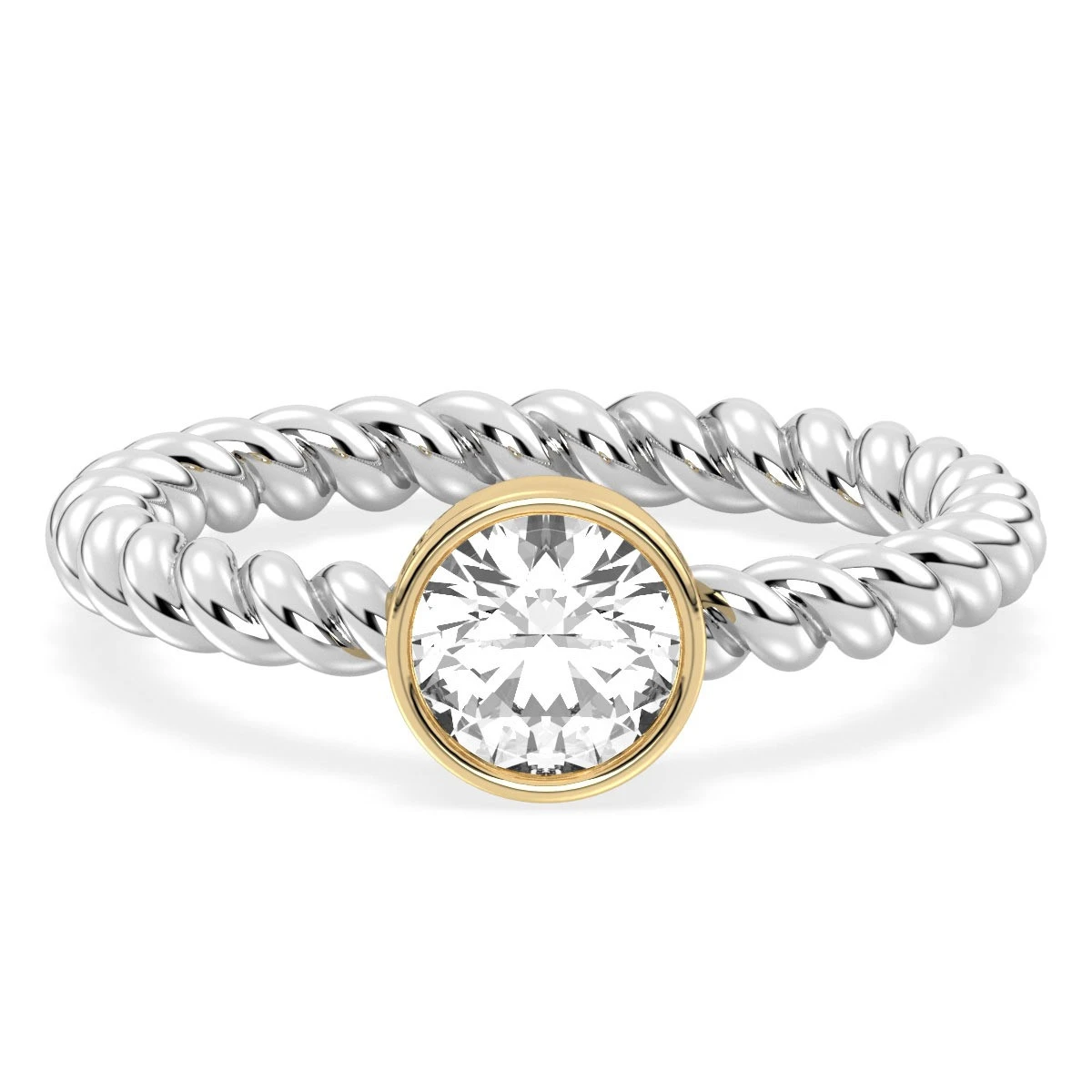
Christina White topaz Gold plated bezel ring in Sterling Silver
$55.20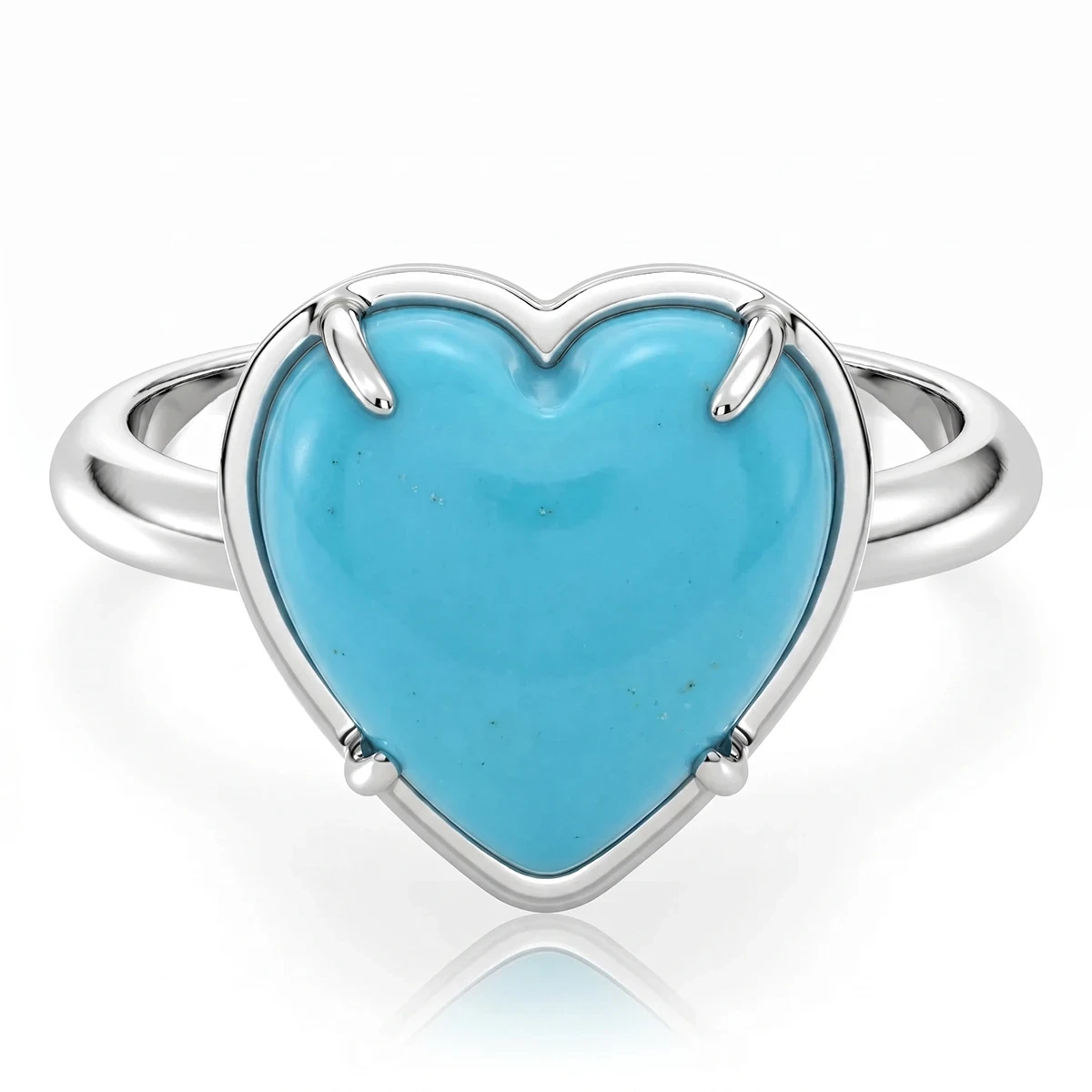
Audrey Turquoise statement heart ring in Sterling Silver
$88.00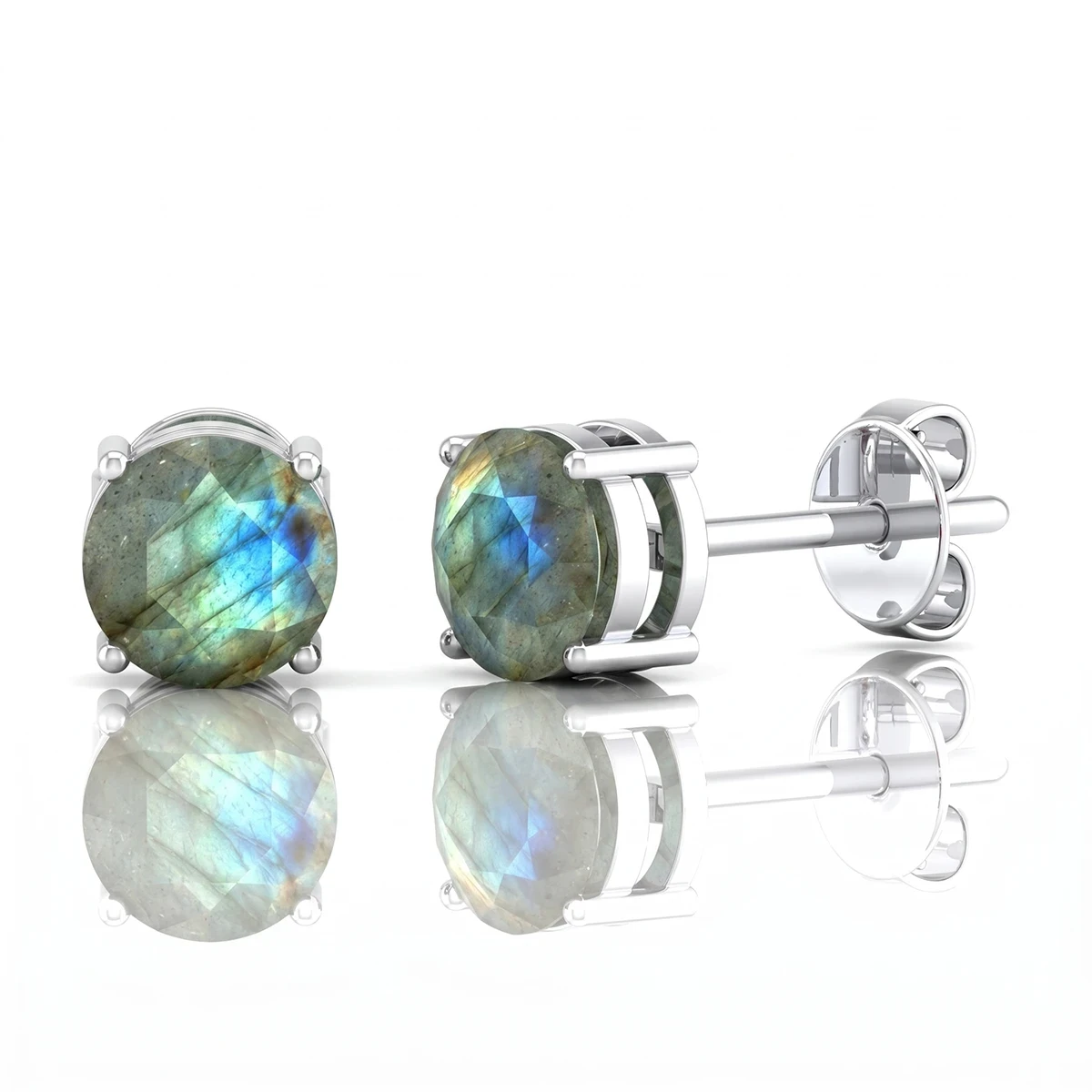
Labradorite Studs in 18K Gold Plated and Sterling Silver
$63.20Your Cart
0 ItemsYour Cart is empty
Start ShoppingFind What Resonates
With You
Discover the perfect gemstone for you
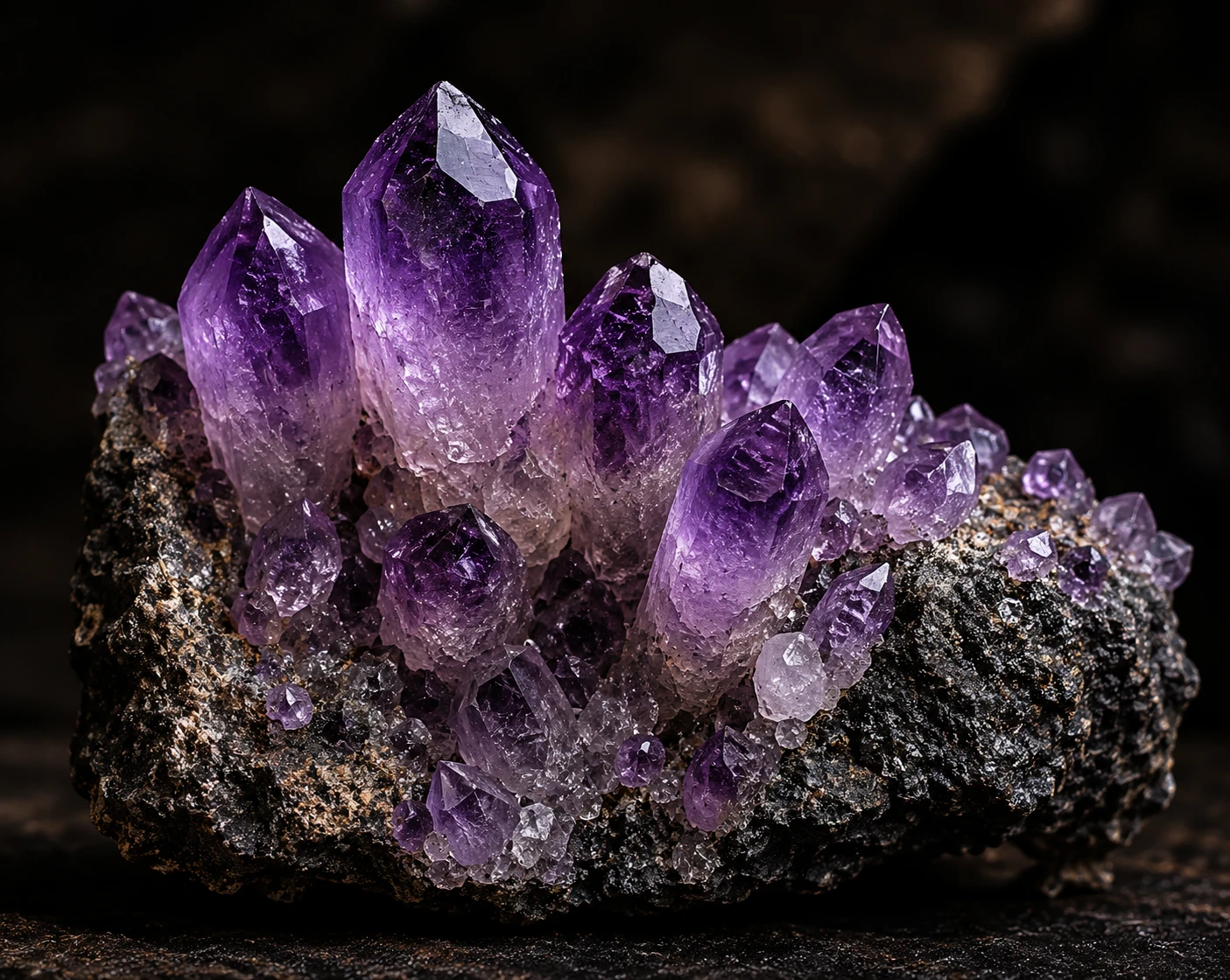
Amethyst
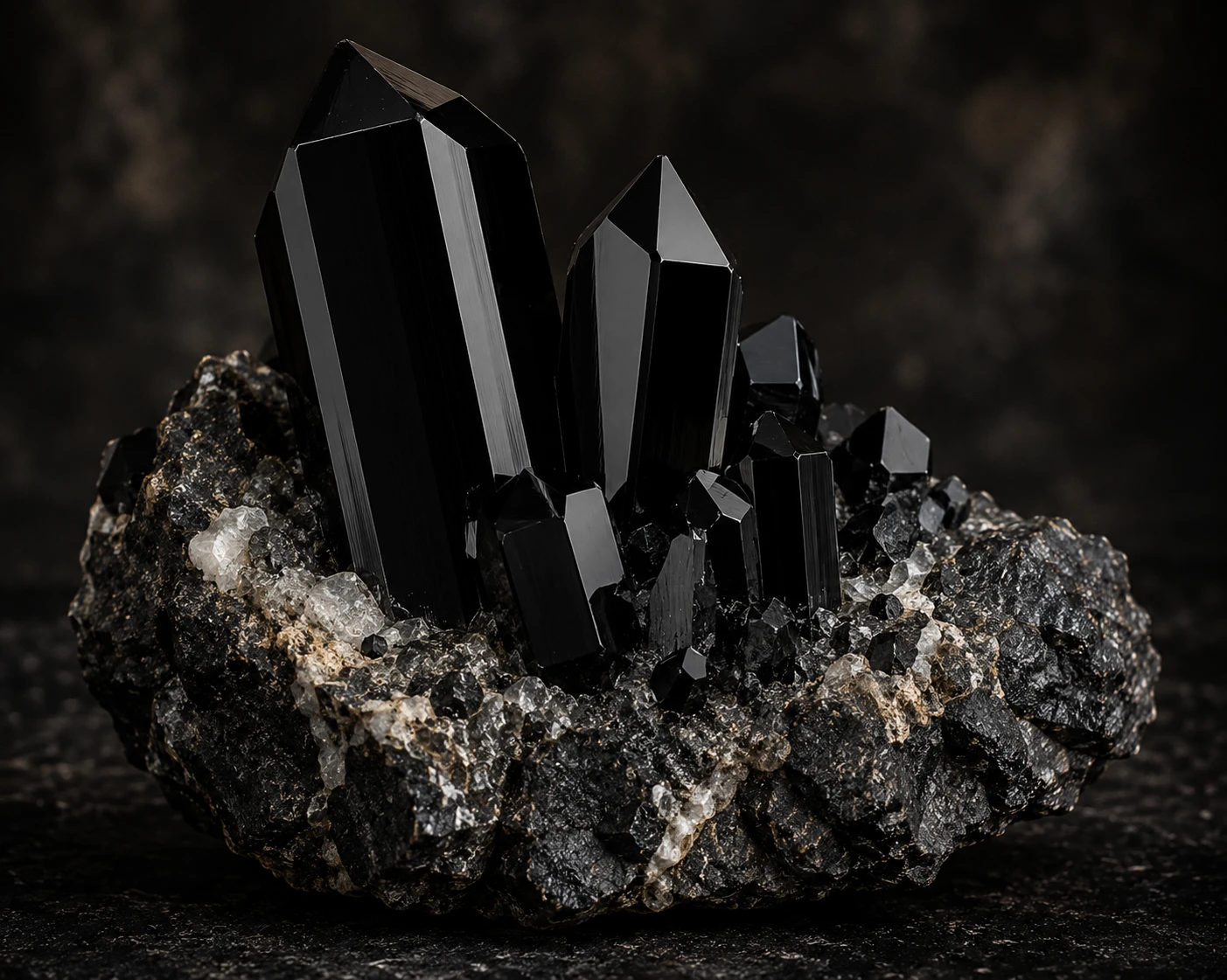
Black Onyx
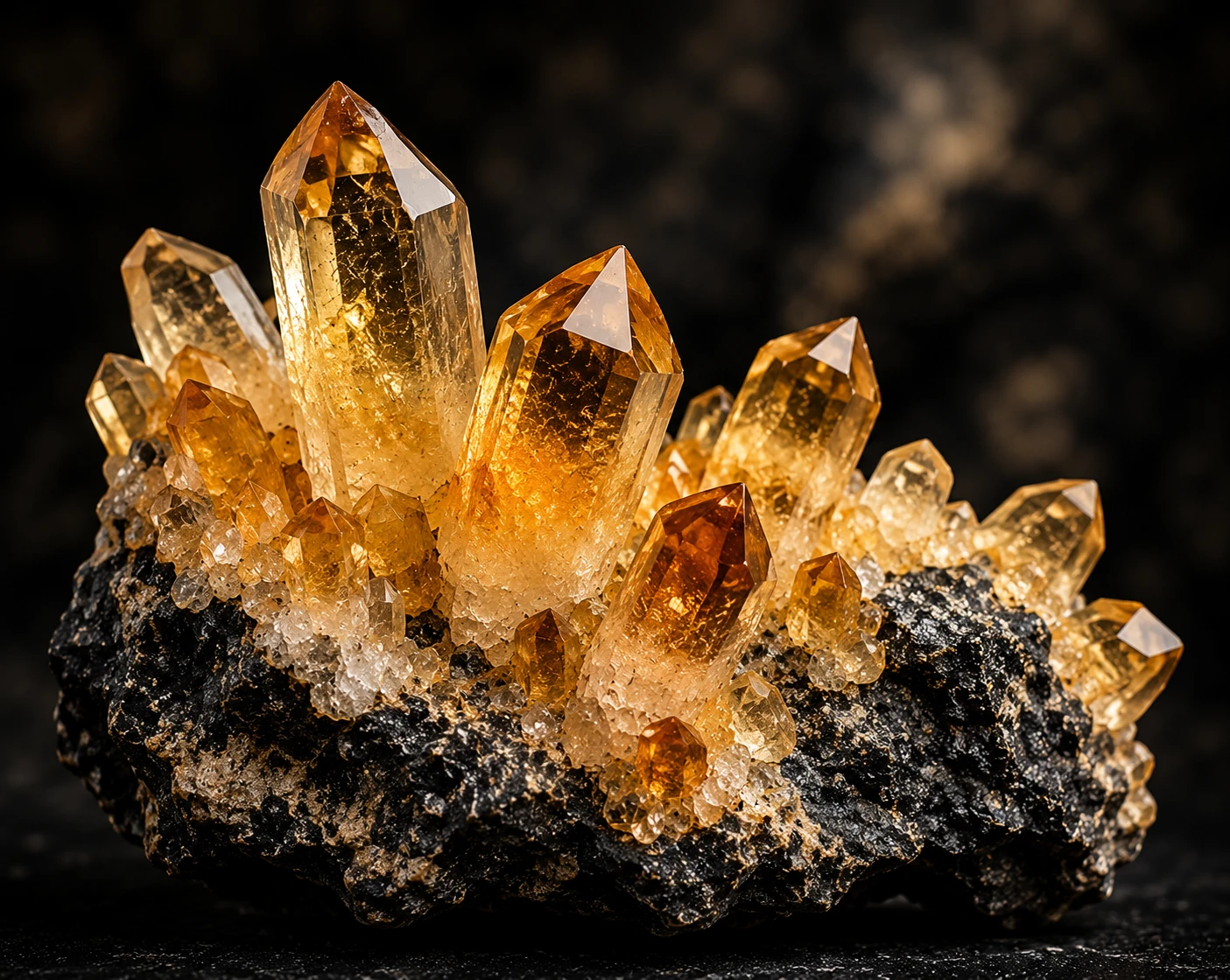
Citrine
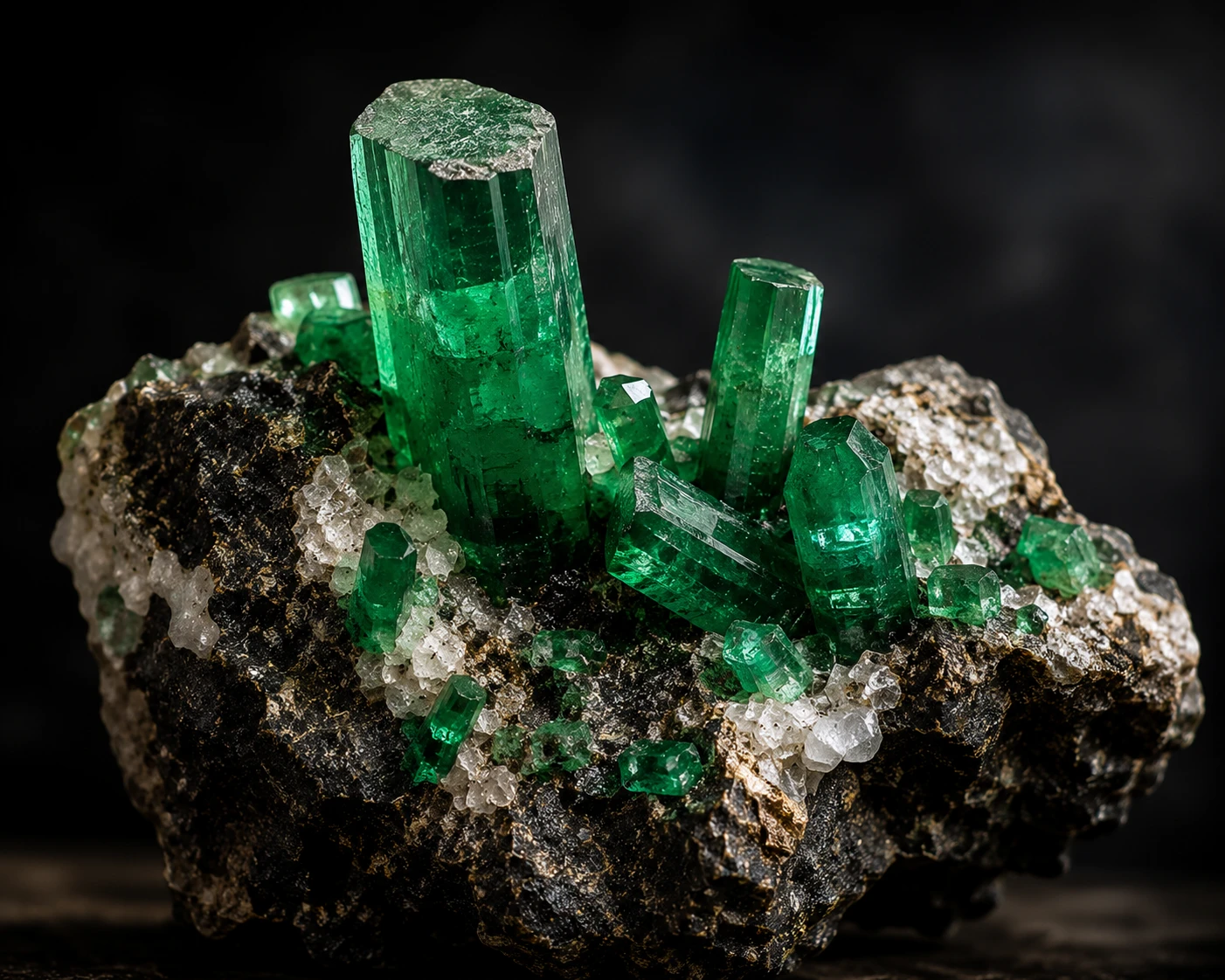
Emerald
Garnet
Green Onyx
Labradorite
Larimar
London Blue Topaz
Malachite
Opal
Peridot
Rainbow Moonstone
Rose Quartz
Ruby
Sapphire
Sky Blue Topaz
Smoky Quartz
Tanzanite
Tourmaline
Turquoise
White Topaz
Shop By
Explore our curated collections
Birthstone
Discover by your birth monthZodiac Sign
Find your astrological match
Your Cart
Your Cart is empty
Continue ShoppingWishlist (0)
Your wishlist is currently empty.
SUGGESTED FOR YOU
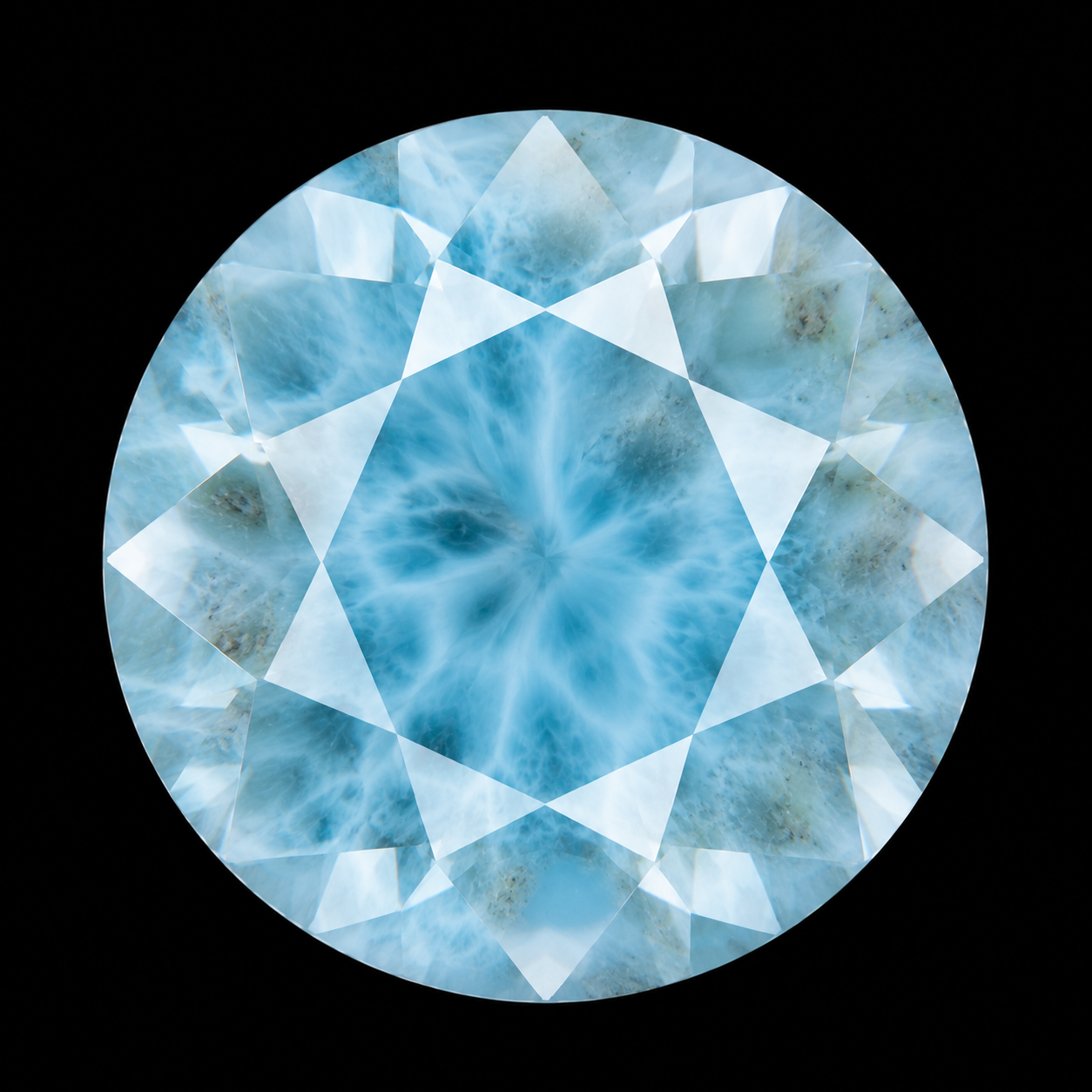
Comprehensive Guide to Buy Larimar: A Dominican Republic Gemstone
If the Caribbean Sea turned into a gemstone, it would probably be embodied in a Larimar gemstone, as the stone is quite popular for its dreamy and ocean-blue waves. Found only in the Dominican Republic, this stone is admired not only for its appearance but also for the energy it brings with it. Larimar has risen in popularity across roughly the last 15 to 20 years.
The colors, like that sky blue, the white shade, and sometimes a faint greenish yellow, give off this whole vibe of tropical seas, so people end up associating the stone with beaches and ocean water. Larimar feels extra distinctive too, since it is actually found only in the Dominican Republic.
Every single piece shows its own blue-and-white pattern, so it becomes a pretty common souvenir pick, and also a jewelry option in coastal towns ,and in tourist areas. This Larimar buying guide will help you understand the factors that you need to know before making a purchasing decision of the stone.
What is Larimar?
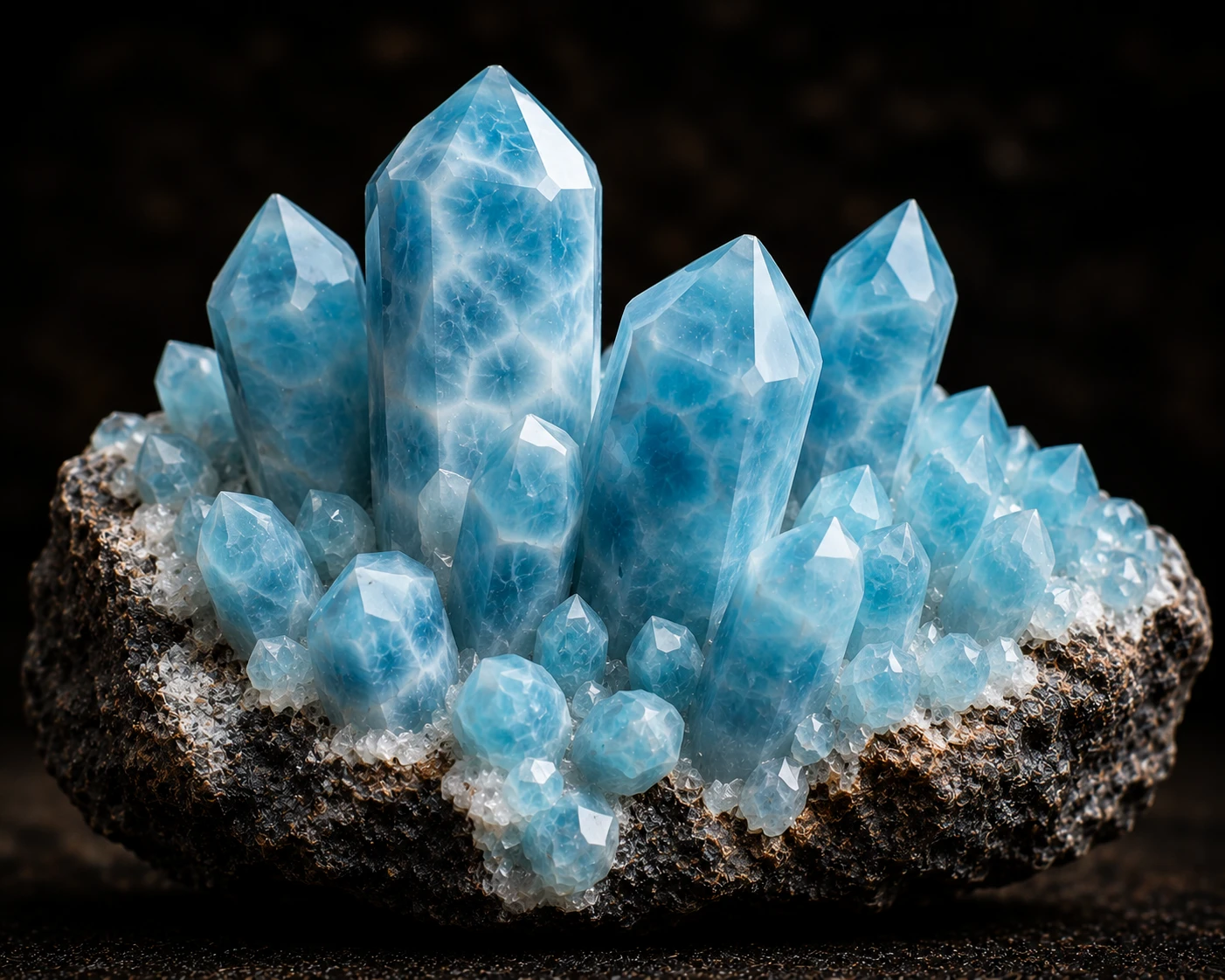
Larimar is a rare blue pectolite gem that comes from the Dominican Republic only and is considered a rare gemstone. It has calm sky blue colors along with turquoise and white marbling. The Larimar gemstone is often referred to as "Dolphin stone" or "Atlantis stone" as it radiates positive and calm energy.
The stone was found in 1974 and is maintained in the mountainous area. On the Mohs hardness scale, it is ranked 4.5-5, thereby demanding a protective setting. Larimar is more than an accessory; it is a reminder of the Caribbean, symbolizing tranquil blue waters and the sunlit shores.
The Discovery Story: How Larimar Got Its Name
Anyone asking what is Larimar gemstone should start with the story behind the name, since it explains why this Dominican Republic gemstone Larimar feels so personal to collectors. The stone was first officially discovered in 1974 by a local Dominican named Miguel Méndez, along with a Peace Corps volunteer, Norman Rilling, near the town of Barahona.
Méndez was captivated by the ocean-blue waves running through the stone and decided to name it by combining two words that meant the most to him: "Lari," taken from his daughter Larissa's name, and "Mar," the Spanish word for sea. Together, the two halves formed "Larimar," a name that pays tribute to both his daughter and the Caribbean waters the stone so closely resembles.
Interestingly, local legend says the stone had actually been noticed decades earlier, in the 1916 mining records of the region, but it was never formally classified until Méndez brought samples forward in the 1970s. This origin story is part of why the larimar gemstone Dominican Republic connection is treated as inseparable from the stone's identity — every authentic piece of Larimar carries a small piece of that discovery story with it.
How Larimar Is Formed: A Look at Its Geological Origins
To really understand larimar gemstones, it helps to know how they were created deep within the earth.
Larimar forms inside volcanic rock through a process tied to ancient volcanic activity in the Dominican Republic's Bahoruco mountain range.
Hot gases and mineral-rich fluids were pushed upward through narrow, tube-like cavities in cooling basaltic lava.
Over thousands of years, copper substitution within the pectolite mineral structure produced the signature blue coloration that makes Larimar so recognizable today.
This volcanic origin is also why every piece of Larimar has such unique, wave-like patterning — the mineral-rich fluids did not flow evenly, so no two formations are alike.
The primary source of this Dominican Republic gemstone Larimar is a mine near Los Chupaderos, in the Sierra de Bahoruco mountains close to Barahona City, and it remains the only confirmed deposit of gem-quality Larimar found anywhere on Earth.
Because extraction is done through small-scale, manual mining operations rather than large industrial equipment, the terrain and weather conditions directly affect how much rough material becomes available for cutting each year, which is part of why larimar gemstone jewelry can be harder to source consistently compared to more common stones.
What Makes Larimar Special
Larimar is labeled as a special gemstone. Here are some reasons:
Color grading: The color grading of the stone makes it special with its rich, deep blue shade that closely resonates with the Caribbean Sea. The highest quality of Larimar gemstones will have a deep, intense blue color with utmost saturation. On the other hand, whitish and pale blue Larimar are common and less expensive.
Volcanic Patterns: The surface of the stone has volcanic patterns that are formed as a result of volcanic activity during its formation. The patterns may range anywhere from white streaks to cloud-like formations, thereby resembling the beautiful ocean waves.
Resin Treatment for Stability: As the Larimar is soft, unlike other gemstones, it tends to get scratched. So in order to avoid this, the stones are often started with resin that reels in the small crack. All of this strengthens the stone, hence making it suitable for everyday jewelry.
Watch out for fakes and dyes: Larimar is undoubtedly a popular gemstone, and this sometimes leads to imitation formation in the market. The imitation pieces of the stone are manufactured in large quantities. Hence, when you buy Larimar crystal make sure to always confirm the authenticity before purchasing the stone so as to avoid buying any false product under the pretext of real Larimar.
Rarity: Larimar's rarity really does add to the appeal, mainly because it's only mined in the Dominican Republic. Because of that, the supply is limited, and people notice it right away. Those ocean blue tones are striking, like a calm surf under daylight, and the rough material is often shipped to Jaipur, India, for cutting and finishing.
Demand: Over time, the prices have kept climbing, with new highs logged almost every year, as demand has grown steadily over the last two decades or so. So now many gem enthusiasts treat top quality Larimar as something you wear as well as something to hold onto as a collectible investment.
Natural Larimar vs. Lab-Grown Larimar: Know the Difference
Before you buy Larimar crystal, it's worth understanding that not everything sold as Larimar is mined from the earth. Because natural larimar gemstones are limited in supply, some sellers now offer lab-grown versions. Lab-grown Larimar is not the same as a fake or an imitation; it is chemically similar material grown under controlled laboratory conditions, and it is typically disclosed honestly by reputable sellers.
Still, buyers should know what separates the two before making a purchase:
Neither option is inherently "better"; it depends on whether you're buying for the story and rarity of a genuine Dominican Republic gemstone Larimar, or simply want the look at a lower price point. What matters most is that the seller is transparent about which one you are purchasing.
Quality Checklist for the Perfect Larimar
The real quality of Larimar is judged by how vivid its blue tones are and by the absence of yellow lines or any cloudiness across the face of the stones. The bigger sections, with spectacular patterning plus clear visibility, can end up commanding thousands of dollars in cost, depending on the buyer and the moment.
There are several factors that can be used to figure out the authenticity of the Larimar gemstones. A few of them are mentioned below:
1. Cut and Clarity
Larimar are usually cut in similar shapes to highlight their natural patterns. In terms of clarity, the stone is either opaque or semi-opaque and is not perfectly transparent. However, natural and real stone shouldn't have cloudy appearances that hide its natural look.
2. Color Intensity
The stone color can range anywhere from pale blue to deep rich blue. Deep blue-colored Larimar is considered more valuable than the pale ones. However, a real stone will have natural variations instead of a standardized color.
3. Carat Dimensions
Carat initially means the size and weight of the stone. As Larimar gemstones occur in irregular forms, larger stones are uncommon and hence are more valuable. The carat size holds equal weightage as the cut, clarity, and color of the stone to figure out its authenticity.
4. Surface Patterns
The most unique feature of the Larimar gemstone is the surface patterns of the stone. To figure out a genuine stone, look for cloud-like patterns just like ocean waves and snow-white streaks. The presence of these patterns implies the authenticity of the stone.
5. Stone Size
Larimar stones are available in smaller and medium sizes and can blend seamlessly into various jewelry pieces. However, if a stone seems unusually large along with a uniform color, then the authenticity of that stone needs to be verified.
Take a closer look at the wide collection of BAUTLR and uncover a variety of everyday elegance jewelry. You may find your next favourite piece there.
Larimar Price Guide
The price of Larimar gemstones is significantly influenced by their size and color intensity, quality, and the metal used to create them. For instance, simple silver designs are more affordable, whereas gold-plated settings with larger stones tend to be on the expensive side. The Larimar stone jewelry may vary from $69 to $150, based on its settings, size, and color intensity.
Explore and buy Larimar jewelry at BAUTLR and get a clear idea of how design, settings, and quality influence the jewelry price.
Larimar Price Benchmarks: What Different Budgets Get You
Since pricing for larimar gemstone jewelry can vary so widely depending on where and what you buy, it helps to break the market down by tier:
Entry-level (roughly $69–$150): This range typically covers silver-set pendants, studs, or simple rings featuring pale to medium-blue Larimar with light patterning; a great starting point if you simply want to buy Larimar jewelry for everyday wear.
Mid-range (roughly $150–$500): Expect gold-plated or heavier silver settings, larger stones, and more pronounced volcanic wave patterning. Pieces in this range often come from dedicated Larimar retailers rather than general marketplaces.
High-end and collector-grade (several hundred to a few thousand dollars): This tier is reserved for larger cut stones or loose stones with deep, saturated blue color, minimal cloudiness, and striking natural patterns. Certified origin documentation is standard at this level, and pricing is driven almost entirely by color intensity, size, and provenance rather than the metal setting.
As a rule of thumb, the deeper and more uniform the blue, the steeper the price climbs — pale, whitish Larimar will always sit at the lower end of any price guide, regardless of the setting around it.
Jewelry Buying Tips
To ensure that you buy the perfect Larimar gemstone jewelry, there are certain points that need to be taken care of. A few of them are –
Silver and gold bezel settings : The beauty of Larimar is usually highlighted through its settings, which can be done in either silver or gold. This also offers strong protection, which is needed as Larimar is not a hard stone. The settings also bring out the ocean wave pattern of the stones in a cleaner way.
Versatility in materials: This Dominican Republic gemstone blends seamlessly into materials, be they rings, earrings, or even pendants. Buyers can explore the Larimar collection at BAUTLR, where every design is done in a way so that the blue patterns of the stone have the limelight.
Complementing with silver or pearls: Larimar is said to go well with silver and pearls. Silver offers cool blue tones that help in creating a polished look, and on the other hand, pearl helps in elevating the softness and ocean-inspired aesthetic. With the right pairing method, the beauty of the stone can be enhanced on an overall basis.
Avoiding prong settings: As the stone is soft in nature, it tends to chip easily. For this, prong settings are generally avoided. With prong settings, the edge will get exposed. So, a practical approach here would be to resort to strong protective settings.
Where to Buy Larimar
Best Place to Buy Larimar Jewelry
Larimar can be found in both online and physical authentic stores. One of the best places to visit is the local artisan shops of Dominican Republic gemstone larimar. Besides this, platforms like BAUTLR offer a wide collection of the jewelry in various accessories. Some other genuine sources to buy Larimar are Etsy Dominican sellers with reviews, and local jewelers with certificates
Online Platforms for Raw Crystal
To buy larimar crystal, trusted sources should be the ones that specialize in natural gemstones. There are certain online platforms where the stone can be purchased, like specialty crystal websites that focus on natural gemstone collections. Some other sources include – Rock shops Mineral dealers Gem shows
Buy Larimar (Loose Stones)
Larimar loose stones can be found in online marketplaces and artisan markets that certify graded gems. Here, buyers can buy stones with their preference of color, size, and pattern. This stone forms a perfect choice for buyers who are either fond of custom jewelry or just like to collect high-quality stones.
Where to Buy Larimar Jewelry With Confidence
Knowing where to buy Larimar jewelry is only half the equation; knowing how to evaluate a seller is what actually protects your purchase. When comparing the best place to buy Larimar jewelry, look beyond price alone:.
Dedicated Larimar or gemstone specialty retailers tend to offer more consistent quality, grading transparency, and documentation than general marketplaces, since sourcing is their core business rather than a side category. Sellers based in or directly sourcing from the Dominican Republic are often able to provide clearer chain-of-origin documentation, since the supply chain has fewer intermediaries.
A trustworthy seller, whether it's a local artisan shop, a specialty online retailer like BAUTLR, or a vetted Etsy seller, should always be willing to answer questions about origin, treatment, and grading before you buy Larimar jewelry from them. Return policies matter more with Larimar than with many other gemstones, precisely because visual grading (color, pattern, clarity) is somewhat subjective and photos don't always reflect the stone accurately in hand.
Smart Buying Tips
To ensure that you pick nothing but the best, verifying the authenticity of the stone is important. This can be done by the following approaches:
Requesting a Dominican origin certificate from the seller when you buy Larimar as it confirms that the stone is naturally sourced from its origin.
Looking for bubbles in the stone, as their presence indicates fake resin, thus hinting that it's an imitation.
UV light interaction creates a subtle fluorescence in the natural stone, and the imitations tend to perform differently under it.
Ethical sourcing should be the top priority to figure out the genuineness of the stone.
It is advised to keep 20% of your budget aside when you buy Larimar so as to invest in certification or professional appraisal.
Authentication Red Flags: Signs You May Not Be Getting Genuine Larimar
Beyond the smart buying tips above, there are specific warning signs that should make any buyer pause before completing a purchase of larimar gemstones:
Prices that seem "too good to be true": Genuine Larimar is rare by nature, so a price dramatically below typical market rates for the size and color offered is one of the clearest signs you are not dealing with a natural, untreated stone.
Unusually uniform or glassy color: Real Larimar has natural variation and a somewhat muted, opaque luster. A stone that looks perfectly even in color with a glassy shine is more likely to be dyed howlite, blue calcite, or another substitute.
Vague or missing seller information: Be cautious of listings with no clear business information, no origin claims, or sellers who become evasive when asked direct questions about sourcing.
No documentation offered: A seller unwilling to provide any certification, grading information, or even a written description of origin should be treated as a red flag, especially for larger or higher-priced pieces.
No return policy: Reputable dealers of larimar gemstone jewelry generally stand behind what they sell. A lack of any return or exchange option is a signal worth taking seriously.
Inconsistent claims across platforms: If a seller's story about a stone's origin, size, or treatment changes between the listing description, images, and direct messages, treat that inconsistency as a reason to verify further before buying.
When in doubt, cross-check a seller's claims against a few independent sources, and don't hesitate to request additional photos under natural light and UV light before you commit to a purchase.
Ethical Sourcing and Sustainability in the Larimar Trade
As demand for this Dominican Republic gemstone Larimar continues to grow worldwide, ethical sourcing has become an increasingly important part of any serious larimar buying guide. Larimar mining is still largely a small-scale, manual operation centered around the Los Chupaderos mine, and the livelihoods of local Dominican mining families are directly tied to how responsibly the trade is managed.
Buyers who care about where their jewelry comes from should look for a few key things:
Fair labor practices: Ethical Larimar sourcing means miners are paid fairly and work under reasonably safe conditions, rather than being exploited for a stone whose retail value has climbed sharply over the past two decades.
Environmental responsibility: Some mining operations and cooperatives in the region have begun supporting land rehabilitation efforts, such as replanting vegetation disturbed by extraction, to reduce the environmental footprint of mining.
Traceability: Brands and sellers that can speak clearly to their supply chain, from the mine near Barahona through cutting and into finished larimar gemstone jewelry, give buyers more confidence that their purchase supports the communities actually producing the stone.
Community investment: Because Larimar exists nowhere else on Earth, its long-term availability depends on the mining communities themselves remaining economically stable, which is why fair-trade-style sourcing is increasingly treated as a selling point rather than a footnote.
Choosing to buy Larimar from sellers who are transparent about these practices doesn't just protect your investment, it also helps preserve the only known source of this gemstone for future generations of collectors and artisans.
Care Basics
Since the Larimar gemstone is gentle and soft, proper measures should be taken to maintain it.
Cleaning: The basic approach is using a mild soap and soft cloth or a soft brush. This makes removing the dirt from it quite simple and easy.
Avoiding harsh elements: The stone should not be brought into direct contact with harsh chemicals to protect its surface. It is also advised to avoid ultrasonic cleaners, as they produce some kind of vibration, which may damage the stone.
Proper storage: It is advised to keep the stone in a proper soft silk pouch or a fabric-lined box so that it doesn't get scratches easily. Additional precautions should be taken to prevent the stone from prolonged water exposure and heat.
So, let your jewelry feel calm as it looks. Discover the variety of Larimar gemstone jewelry at BAUTLR that comes with a natural and soothing charm.
Hello! How can I help you?