Popular Searches
Explore by Intention
Your wishlist is currently empty.
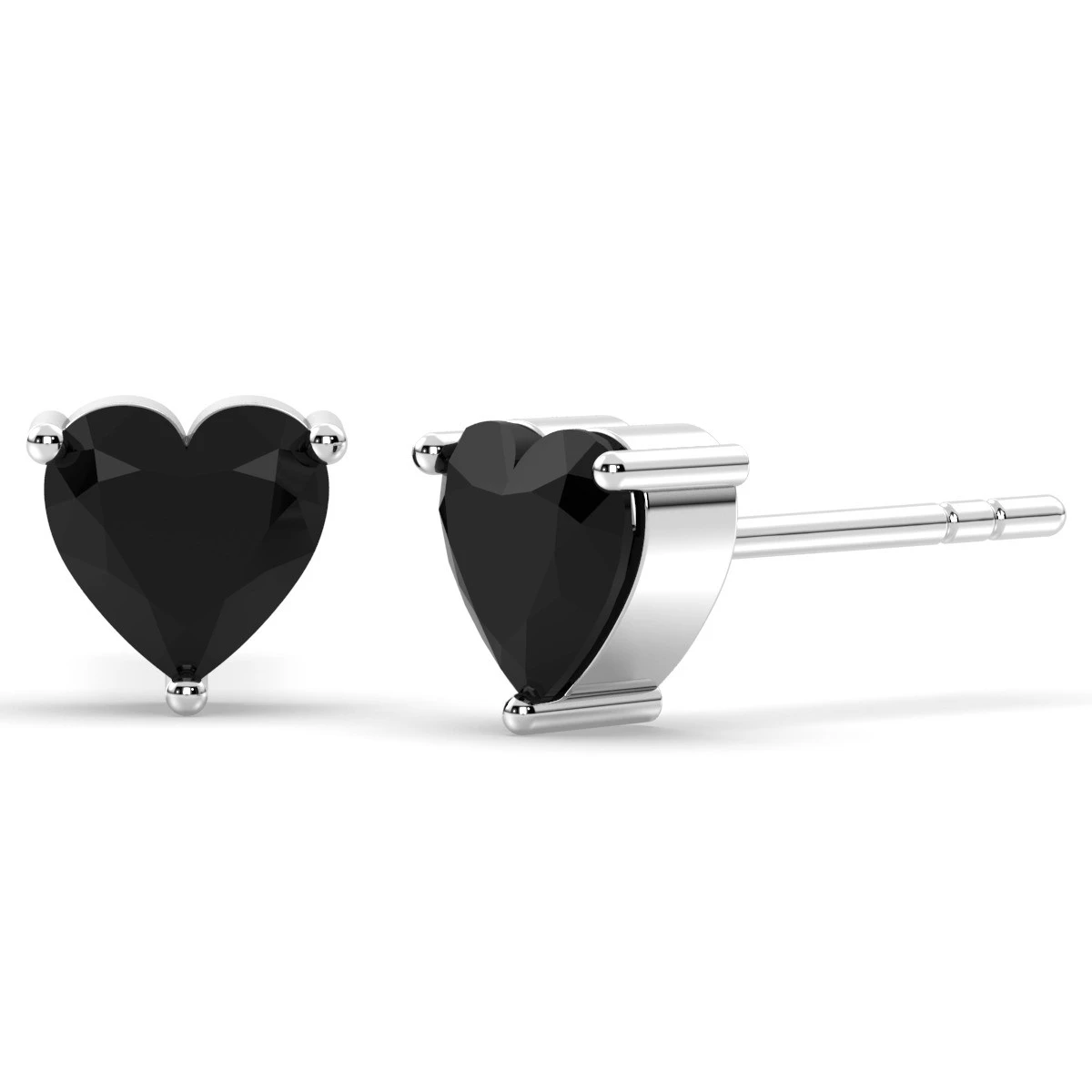
Rebecca Black Onyx heart stud earrings
$55.20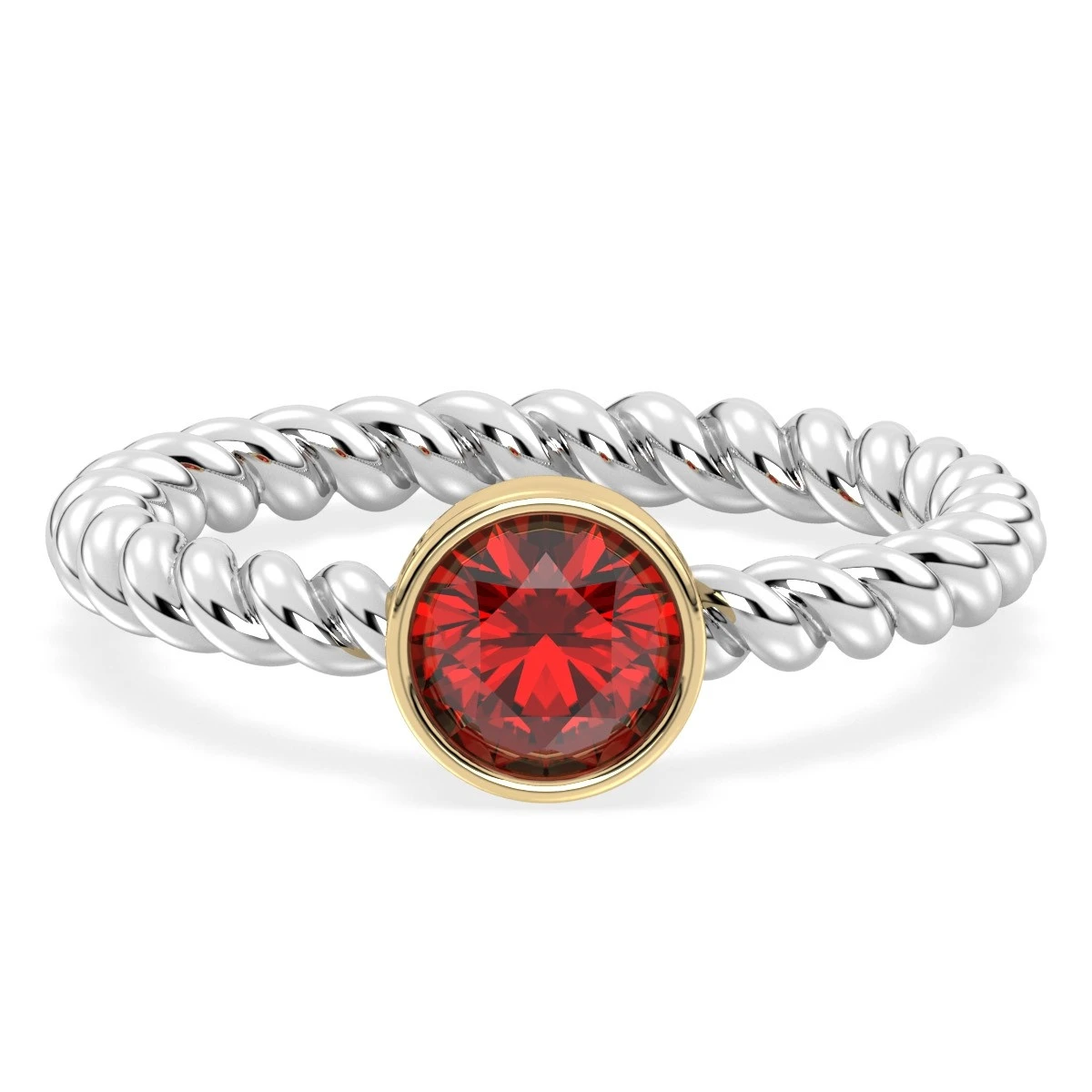
Christina Garnet gold plated bezel ring
$55.20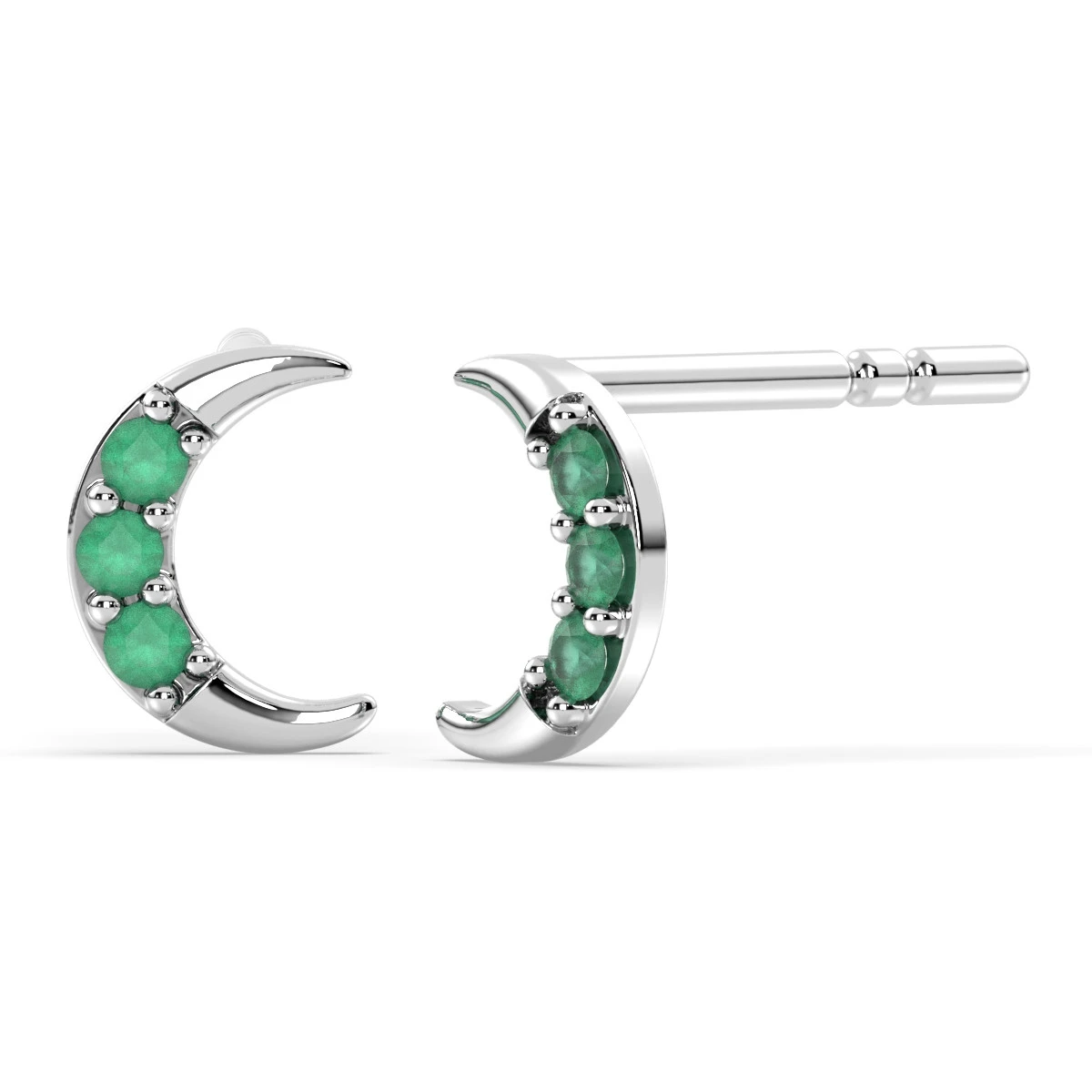
Natural Emerald crescent stud earrings
$80.00Your Cart
0 ItemsYour Cart is empty
Start ShoppingFind What Resonates
With You
Discover the perfect gemstone for you
Amethyst
Black Onyx
Citrine
Emerald
Garnet
Green Onyx
Labradorite
Larimar
London Blue Topaz
Malachite
Opal
Peridot
Rainbow Moonstone
Rose Quartz
Ruby
Sapphire
Sky Blue Topaz
Smoky Quartz
Tanzanite
Tourmaline
Turquoise
White Topaz
Shop By
Explore our curated collections
Birthstone
Discover by your birth monthZodiac Sign
Find your astrological match
Your Cart
Your Cart is empty
Continue Shopping
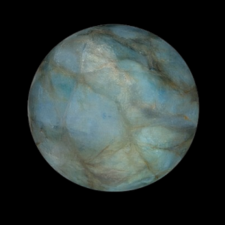
Labradorite Gemstone Buying Guide: Meaning, Benefits, and How to Choose the Right Stone
Some gemstones just sit there and look pretty. Labradorite is not one of them. Tilt it slightly, and suddenly you get flashes of electric blue, green, even gold. It's dramatic in the best way possible, and that's exactly why people are drawn to it.
However, not every labradorite stone you see online is worth your money. Some barely flash, some are treated, and some are just disappointing. So if you're planning to buy labradorite, let's make sure you pick one that actually lives up to the hype.
What is Labradorite Gemstone?
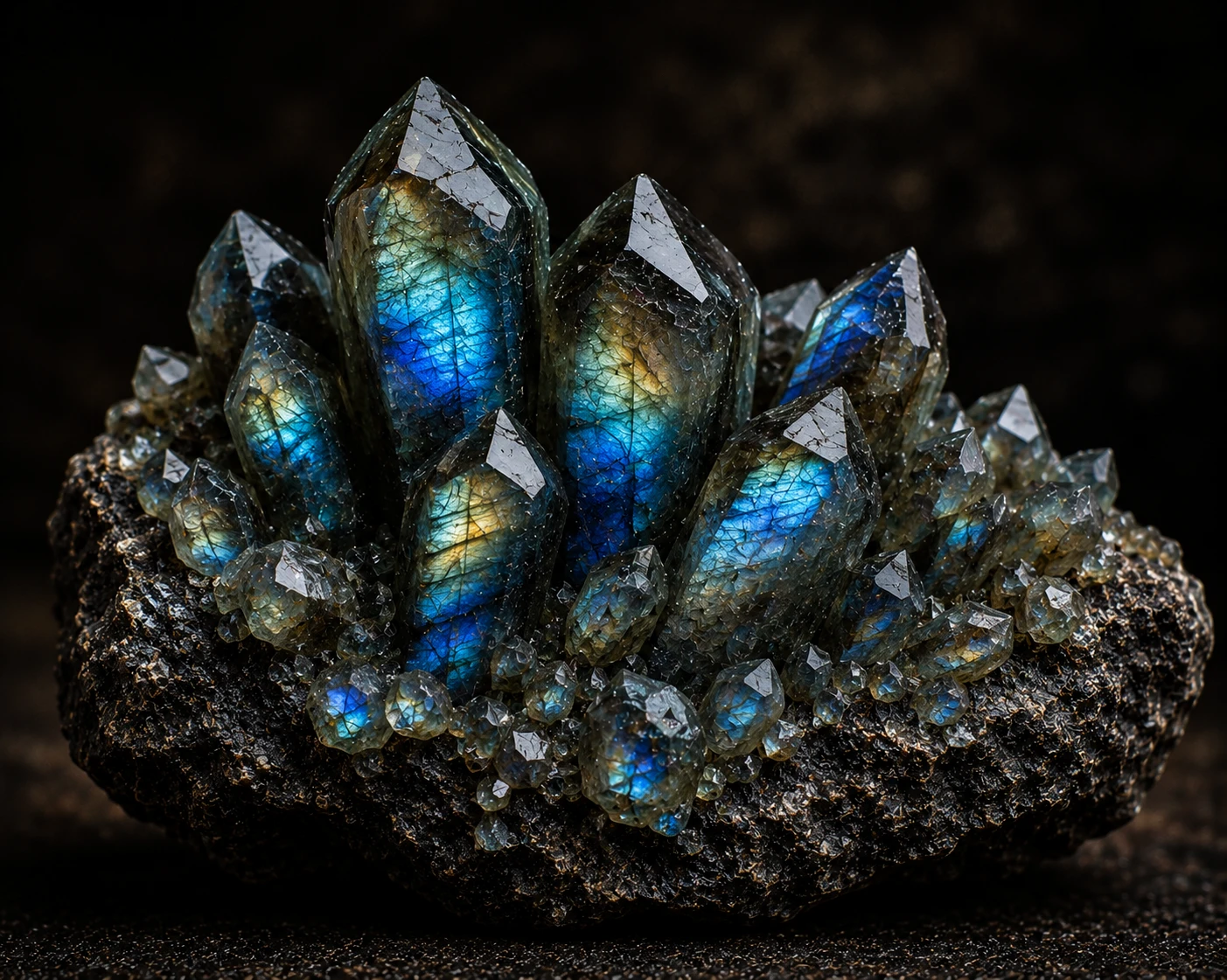
Labradorite gemstone is a type of feldspar mineral known for its signature optical effect called labradorescence. That's the fancy term for the colorful flashes you see when light hits the stone at different angles. At first glance, it can look like a plain grey or dark stone. Then you move it slightly, and boom, blue fire, green shimmer, and sometimes even hints of gold or violet.
It was first discovered in Labrador, Canada, which is where it gets its name. Today, it's sourced from multiple regions around the world, and where a stone comes from actually tells you a lot about what it'll look like:
Canada – The original source, typically producing dark-based stones with strong, vivid flashes.
Madagascar – Known for rainbow-colored specimens with especially intense iridescence.
Finland – Home to Spectrolite, a rare, premium variety that displays the full color spectrum.
Russia – Tends to yield stones with golden and blue flashes.
USA (Oregon) – Produces a more transparent, sunstone-like labradorite, often with copper inclusions.
If you're comparing a natural labradorite gemstone from different listings and the color or clarity looks a bit different from one to the next, this is usually why. Origin isn't just a fun fact, it's a real clue about what you're actually buying.
Labradorite is also one of the oldest colored gemstones the handmade jewelry industry has built itself around. It's far more abundant than moonstone and considerably more affordable, which is part of why it shows up so often in artisan and small-batch jewelry lines. The majority of labradorite used in jewelry today is sourced from Madagascar. Its signature blue labradorescence, combined with the fact that it's available in larger pieces than a lot of comparable gemstones, makes it a natural fit for bigger, statement-style jewelry designs.
You'll usually find it in two forms:
Loose stones or crystals
Labradorite gemstone jewelry, such as rings, pendants, and bracelets
How Does Labradorite Actually Form?
It's worth understanding what's happening inside the stone, since it explains why no two pieces ever look quite the same.
Labradorite is a variety of feldspar that forms inside igneous rocks like basalt and gabbro. As molten rock cools slowly underground, feldspar crystals begin to take shape. During that process, the crystal develops thin, layered structures inside it. When light hits these layers, it reflects and bounces between them at different angles, and that's what produces labradorescence, the signature color play the stone is known for.
Because every stone cools and layers slightly differently, the exact flash you get is basically impossible to replicate. That's part of the appeal. A labradorite gemstone isn't just a pretty rock, it's a small, one-of-a-kind record of how it formed underground over a very long time.
Labradorite Gemstone Meaning and Symbolism: Why People Wear It
Labradorite isn't just about aesthetics. People are obsessed with the labradorite gemstone meaning, too. It's often associated with protection from negative energy, strengthening intuition, transformation, and personal growth. In spiritual circles, it's sometimes called the "stone of magic." Sounds dramatic, but the idea is simple. It's believed to help you stay grounded while also opening up your awareness.
Even if you're not into the whole energy side of things, there's still a reason people wear it daily. It feels personal, a bit mysterious, not overly flashy, but definitely not boring either. That balance is what makes labradorite gemstone jewelry stand out.
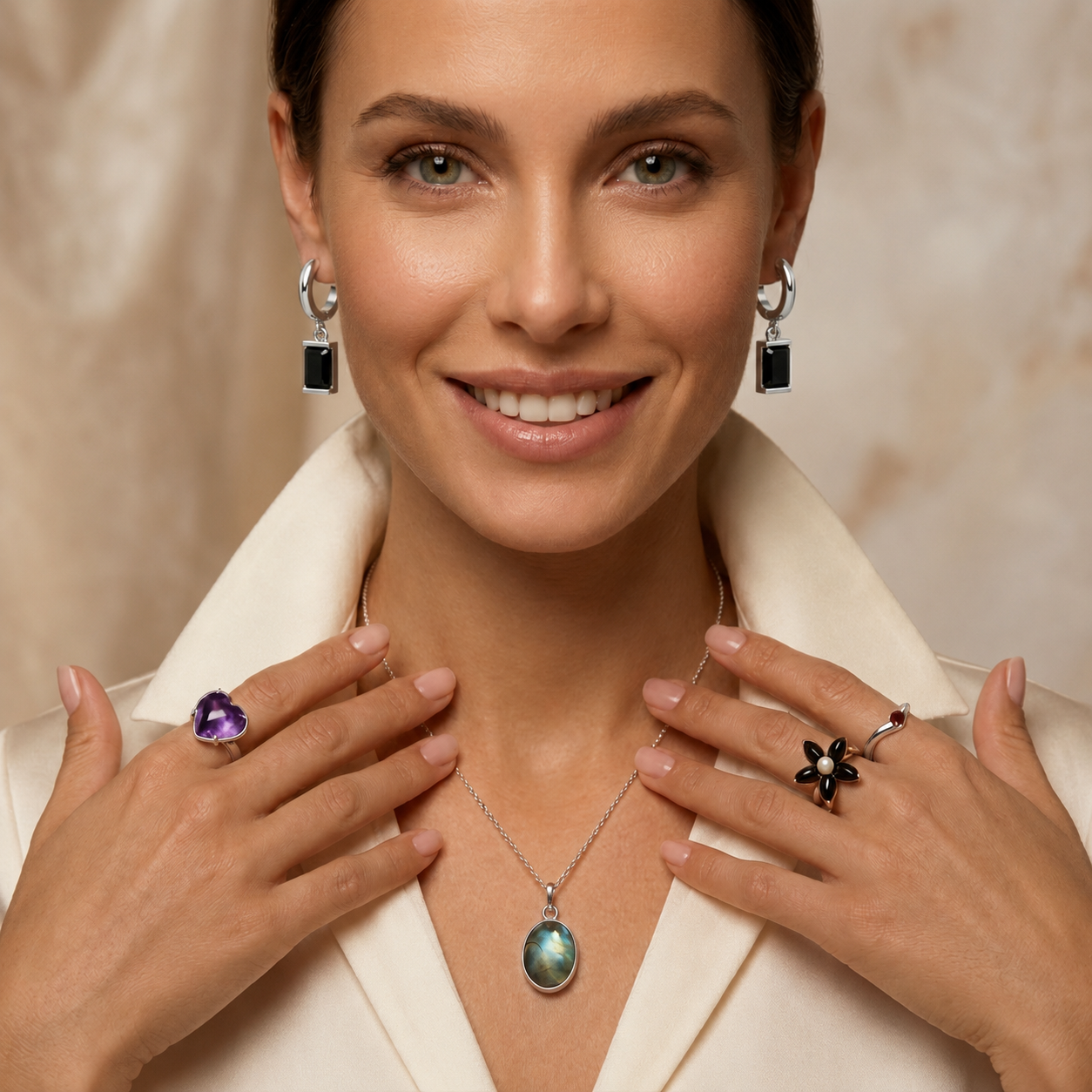
Explore meticulously crafted gemstone jewelry. Shop real labradorite jewelry at BAUTLR!
Does the Color of the Flash Change the Meaning?
A lot of people don't realize that the specific color a stone flashes is tied to its own bit of symbolism. It's a fun detail to know, whether or not you take the metaphysical side seriously:
Blue flash – Associated with communication and intuition. The most common color, and a good entry point if this is your first labradorite piece.
Green flash – Linked to emotional healing and balance.
Golden flash – Tied to creativity and personal power.
Rainbow/multicolor flash – Considered the most energetically complete, since it's said to touch on all of the above at once. It's also the rarest and most expensive.
None of this changes how durable or well-made a stone is, but it's a nice way to pick between two otherwise similar pieces if one color speaks to you more than another.
Chakra, Zodiac, and Energy Associations
If you're buying labradorite for its spiritual side rather than just the look, here's the framework most practitioners use:
Chakras – Labradorite is most commonly linked to the Third Eye and Crown chakras, the centers associated with intuition, inner vision, and higher awareness.
Zodiac signs – It's often associated with Leo, Scorpio, and Sagittarius.
People who work with chakras or energy healing sometimes use labradorite specifically during meditation, holding the stone or placing it near the Third Eye (the point between your eyebrows) to help quiet mental noise and sharpen focus. It's a simple practice: no special training needed, just intention and a few quiet minutes.
Shop Real Gemstone Jewelry by Zodiac Signs →
How to Choose the Right Labradorite Stone
This is where you separate a great purchase from a regrettable purchase. Have a look:
1. Color and Flash Quality
If your stone doesn't flash, what are we even doing here? High-quality labradorite should show a strong, visible color when tilted. Blue is the most common and popular, but multi-color flashes are even more valuable. Weak or dull flash usually means lower quality.
2. Clarity and Surface
Some stones have visible cracks, dull patches, or uneven polish. A few inclusions are normal, but too many will kill the overall look. A good natural labradorite gemstone should feel smooth, well-polished, and visually clean.
3. Cut and Shape
Labradorite is usually cut into:
Cabochons (smooth, rounded surface)
Freeform shapes
Beads for jewelry
Cabochons are the most common because they show off the flash better. Sharp cuts don't really work here. That said, in demi-fine jewelry, labradorite is increasingly cut as a faceted stone for a more minimalist look, especially set in gold with pavé diamond accents, which gives the stone a cleaner, more modern feel than the traditional cabochon setting.
4. Carat Weight
Carat weight refers to the size of a labradorite gemstone, but it doesn't determine its overall quality. A larger stone might seem more appealing, but without strong labradorescence, it can look dull. In many cases, a smaller stone with vibrant color flash is far more valuable and visually striking. When choosing, focus on the balance between size, brightness, and surface quality rather than just the carat weight alone.
5. Size and Purpose
Ask yourself one thing. Why are you buying it?
Jewelry → smaller, well-polished stones
Crystals or display → larger, more dramatic pieces
Daily wear → medium size with good durability
Don't just pick the biggest stone. Pick the one that fits how you'll actually use it. Whether you buy labradorite crystal as a loose stone for your collection or as a finished jewelry piece, the same quality checks apply, look for a strong flash and a clean surface first, then worry about size.
6. Base Color and Durability
When you're narrowing down options, look for a stone with a blue flash set against a clear-to-gray base color, generally considered the most classic and desirable combination. But don't stop at the flash. Labradorite is a fairly brittle stone, and it can develop internal cracks over time, especially before it's been set into jewelry.
Take a close look at both the face and the edges of the stone for any hairline cracks. Once an internal crack forms, it tends to worsen, and the stone can eventually tarnish or break down entirely. A few minutes of careful inspection before you buy can save you from a piece that looks fine today and falls apart in a year.
Labradorite vs. Moonstone: Same Family, Different Stone
Labradorite and moonstone get confused constantly, and it's a fair mix-up, since they're actually both varieties of feldspar. What separates them, in simple terms, comes down to base color and the type of glow that color produces.
Moonstone tends to have a white, colorless, or pale base, and it shows adularescence, that soft, milky glow that seems to float just beneath the surface. Labradorite, on the other hand, usually has a gray to almost black base, and it shows labradorescence, the sharper, more saturated color flash the stone is known for. Same mineral family, very different look, and very different price point.
If you're ever unsure which one you're looking at, check the base color first. A pale, near-white stone with a soft glow is almost certainly moonstone. A darker, gray-to-black stone with a sharp color flash is labradorite.
Labradorite vs. Opalite: Don't Get These Confused
One mix-up that confuses a lot of first-time buyers is labradorite versus Opalite. They can look similar in photos, but they're not the same thing at all. Opalite is manmade glass, not a natural mineral, and it doesn't display real labradorescence, just a soft, uniform glow that's baked in during manufacturing rather than caused by light bouncing off internal crystal layers.
Here's a quick way to tell them apart when you're deciding whether to buy labradorite versus something else entirely:
Flash pattern – Genuine labradorite flashes are sharp and change dramatically as you tilt the stone. Opalite's glow is soft, even, and doesn't shift much no matter the angle.
Weight and temperature – A real labradorite gemstone feels noticeably cool to the touch and heavier than glass of a similar size.
Surface – Natural stones usually have small imperfections. Opalite tends to be suspiciously smooth and perfectly symmetrical.

Neither stone is "bad," Opalite has its own calming, gentle appeal, but if you're paying labradorite prices, you want to make sure you're actually getting labradorite.
Where to Buy Labradorite (And What to Avoid)
You'll find labradorite everywhere, marketplaces, Instagram stores, and random websites. Not all of them are reliable. If you're planning to buy labradorite online, here's what actually matters:
Real product images (not overly edited stock photos)
Clear mention of whether it's a natural labradorite gemstone
Close-up shots showing the flash
Customer reviews that feel genuine
Now the red flags:
Prices that seem too good to be true
No mention of origin or quality
Generic descriptions like "premium stone" with zero detail
One single image from one angle
If you can't see the flash clearly, don't buy it, simple. Also, if you're wondering where to buy labradorite stones, stick to stores that specialize in gemstones or handcrafted jewelry. They're more likely to understand what they're selling.
And if you're shopping in person rather than online, put the touch test from the Opalite comparison above to use, a genuine stone should feel substantial and cool in your hand, not light and glassy.
Watch Out for Mass-Produced, Low-Quality Stock
A lot of labradorite jewelry on the market is cheap and mass-produced, made to keep prices as low as possible, and quality control on these pieces tends to be poor. Before you buy, it's worth directly asking the seller two things: whether the stone has any visible cracks, and whether genuine labradorescence is present.
No two natural stones are ever exactly alike, but a reputable seller with real quality control will consistently use stones with a good, clear blue flash rather than whatever was cheapest to source. With the market increasingly flooded with man-made imitations, be a little suspicious of a stone that looks too perfect. Real labradorite tends to have natural inclusions, and its flash varies slightly across the surface. An imitation, by contrast, often has no inclusions at all and a flash that looks unnaturally uniform from edge to edge.
Weight is another giveaway. Cheap glass imitations are typically lighter than genuine labradorite, since glass has a lower specific gravity than natural feldspar. If a stone feels suspiciously light for its size, that's worth asking about before you buy.
Labradorite Gemstone Jewelry Pricing Guide: What Should You Expect?
Prices depend on:
Flash intensity: Strong, vibrant flash = higher price
Color range: Multi-color stones cost more than single-tone ones
Size: Larger stones with good flash are rare
Craftsmanship: Jewelry pieces add design and labor costs
Here's a rough idea:
Small, low-flash stones: budget range
Medium stones with decent flash: mid-range
High-quality, multi-flash pieces: premium
If you see a large, "perfect" labradorite being sold at a very low price, pause. Something's off. When you buy labradorite crystal or jewelry, you're paying for that visual magic.
Baultr has got an excellent collection of authentic, hand-crafted, and sustainable labradorite gemstone jewelry. The price for labradorite starts from $49 and goes up to $89. We ensure that each piece is crafted with real labradorite gemstone, incorporating the most timeless designs.
Styling Tips and Gemstone Pairings
Labradorite's cool, moody base color makes it easier to style than a lot of colored gemstones, since it doesn't compete with whatever else you're wearing.
Jewelry styles that work well:
Statement rings for showing off a strong flash up close
Pendant necklaces, which let the flash catch the light as you move
Beaded bracelets for everyday, low-key wear
Earrings, since they catch light beautifully near the face
Pairing it with other stones: Labradorite tends to sit well next to moonstone, black tourmaline, amethyst, and citrine, either as complementary pieces in a stack or as accents in a single design. For metals, sterling silver and white gold both suit its cool tones, while a wood accent works if you're going for a more bohemian look.
How to Care for Your Labradorite Gem
Labradorite looks tough, but it's not invincible. Treat it right, and it'll keep that glow for years.
Clean it with a soft cloth and mild soap
Avoid harsh chemicals and ultrasonic cleaners
Store it separately to prevent scratches
Don't drop it. It can chip
If it's part of jewelry, especially rings, be a bit careful. Daily wear is fine, but rough handling will show over time. Think of it like your favorite outfit. You can wear it often, just don't abuse it.
For loose gemstones, some collectors keep them stored with a light coating of mineral oil, which can help minimize the surface-level fractures and cracking labradorite is prone to developing over time. If you're wearing labradorite jewelry, just be mindful of what you're doing while you have it on. Avoid rough, hands-on tasks while wearing it, since an accidental knock against a hard surface is one of the most common ways the stone ends up cracked.
Final Thoughts
Labradorite is one of those stones that looks simple, yet still steals attention. The trick is choosing the right one, focus on the flash, check the quality, and don't fall for low prices that look tempting but deliver nothing. If you're ready to buy labradorite online, take your time browsing. Look closely at the details. A good piece will stand out instantly. And when you find one that catches your eye, you'll know. It's not subtle about it.
Explore BAUTLR's collection of natural labradorite gemstone pieces and pick one that actually lives up to the glow.
Hello! How can I help you?