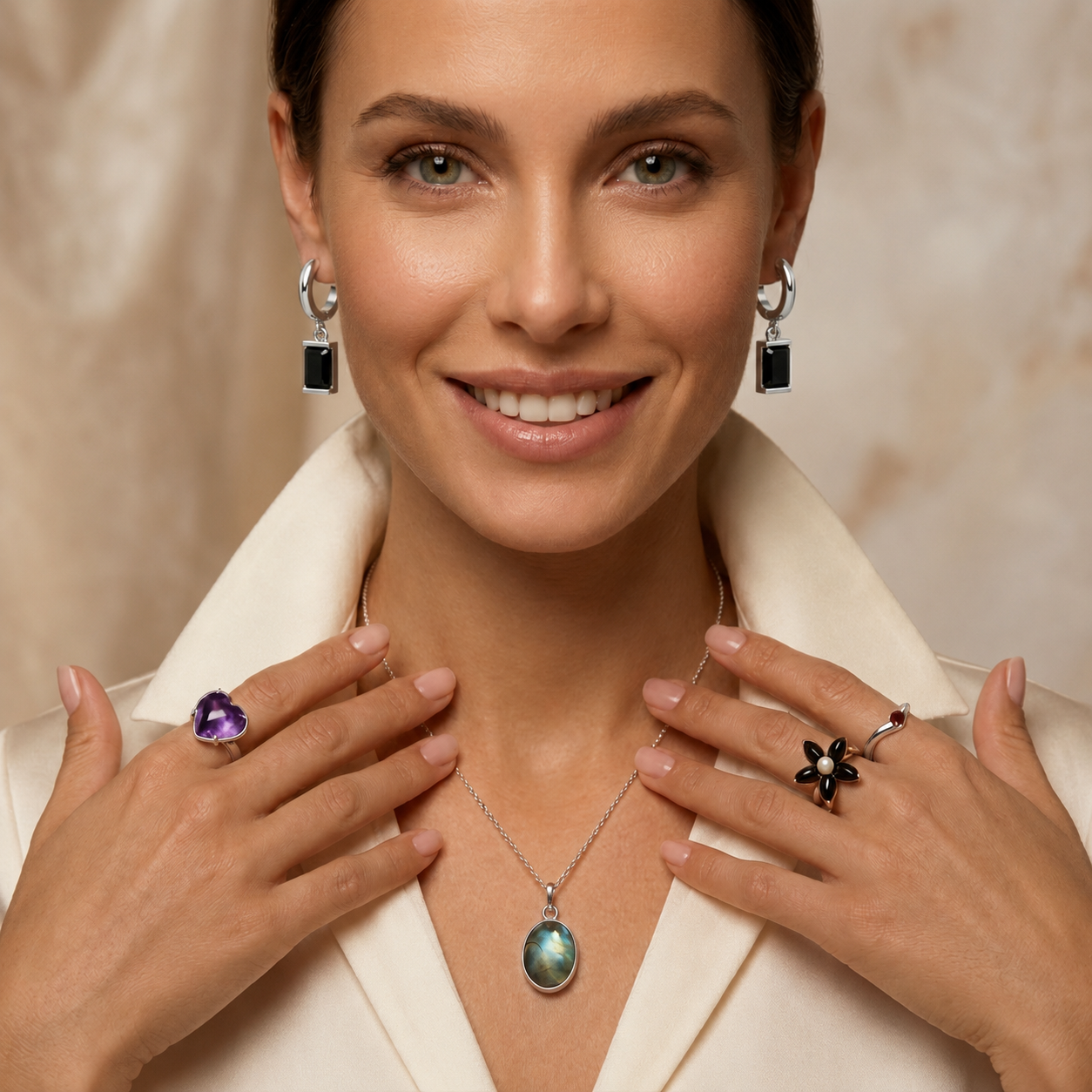
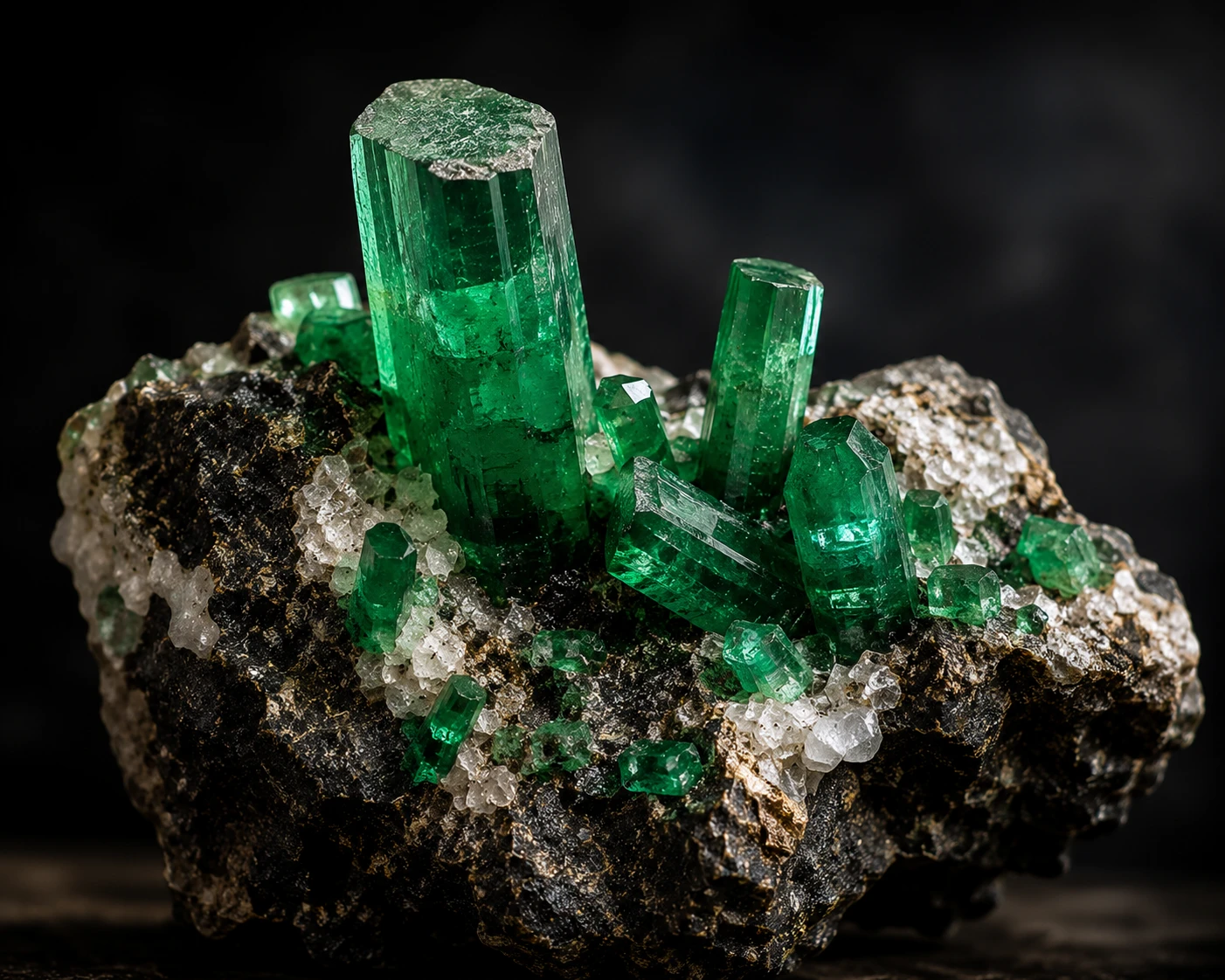
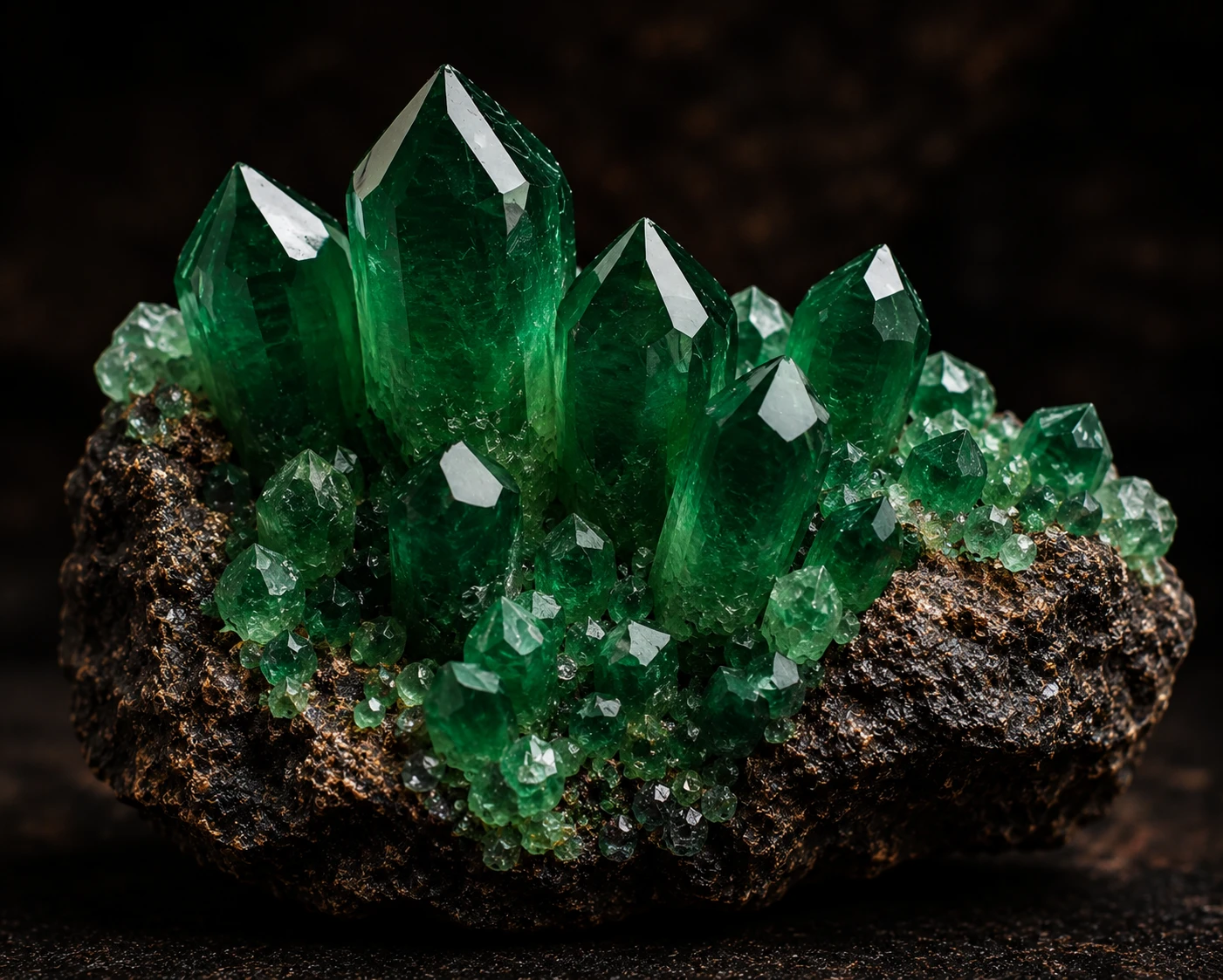
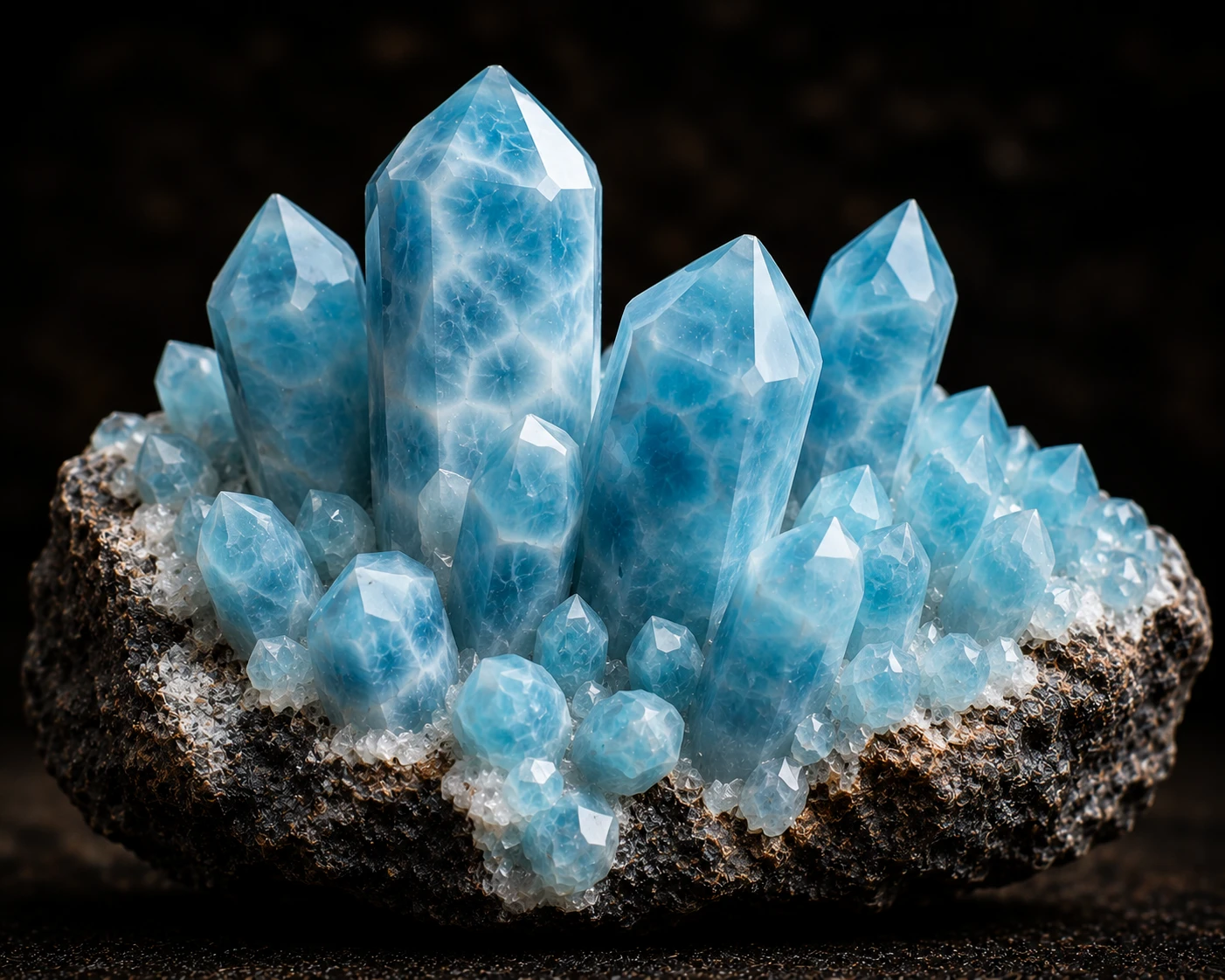
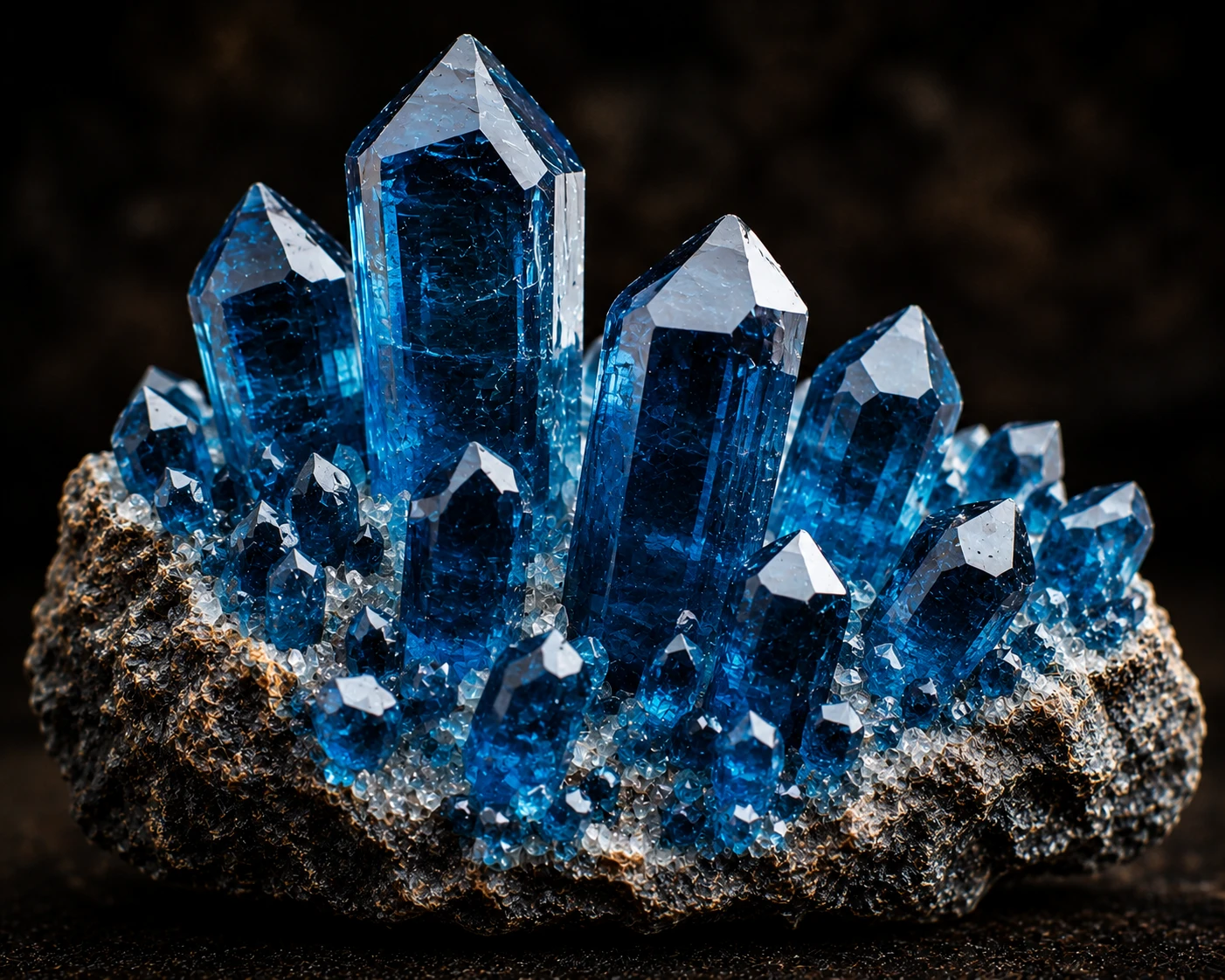
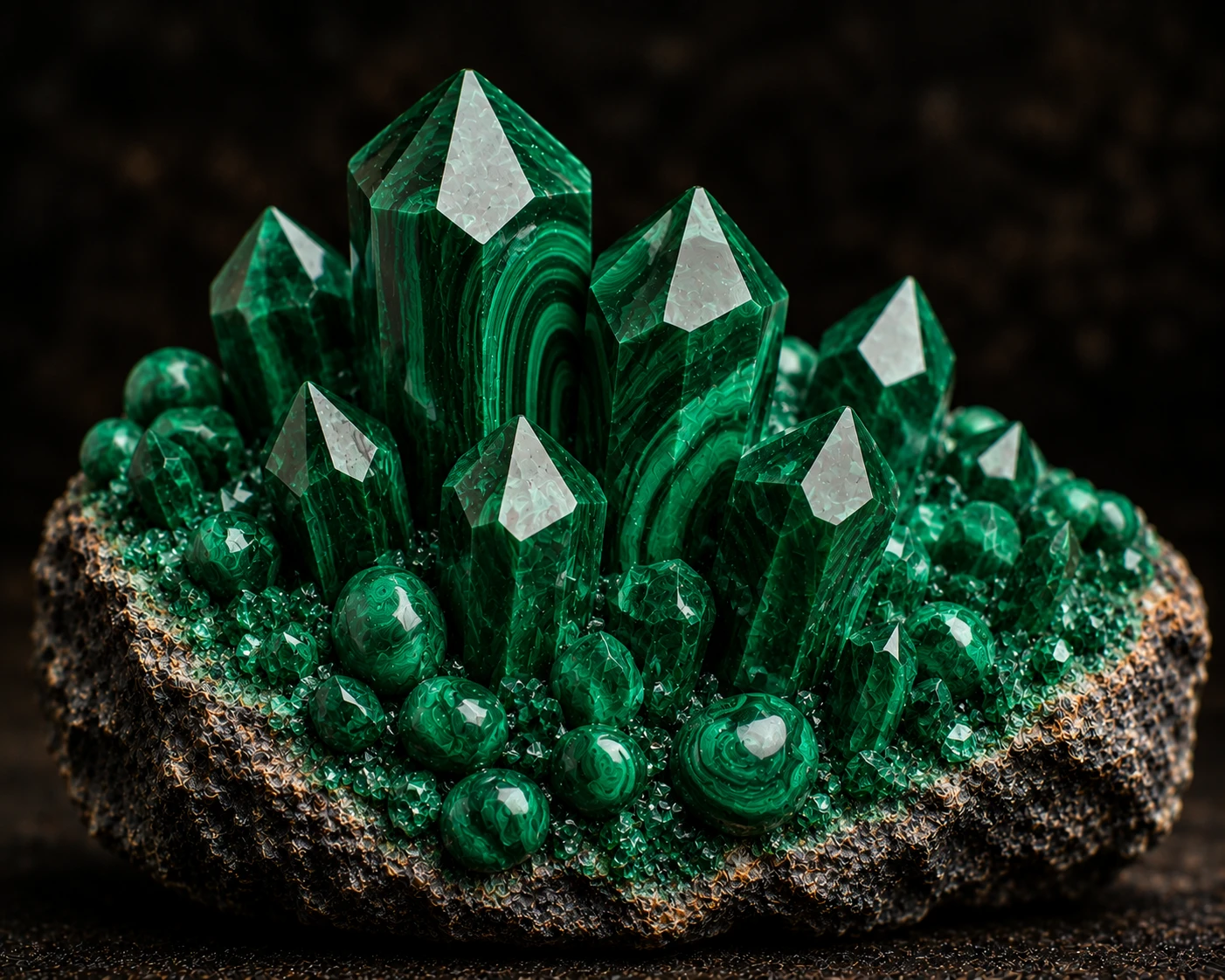
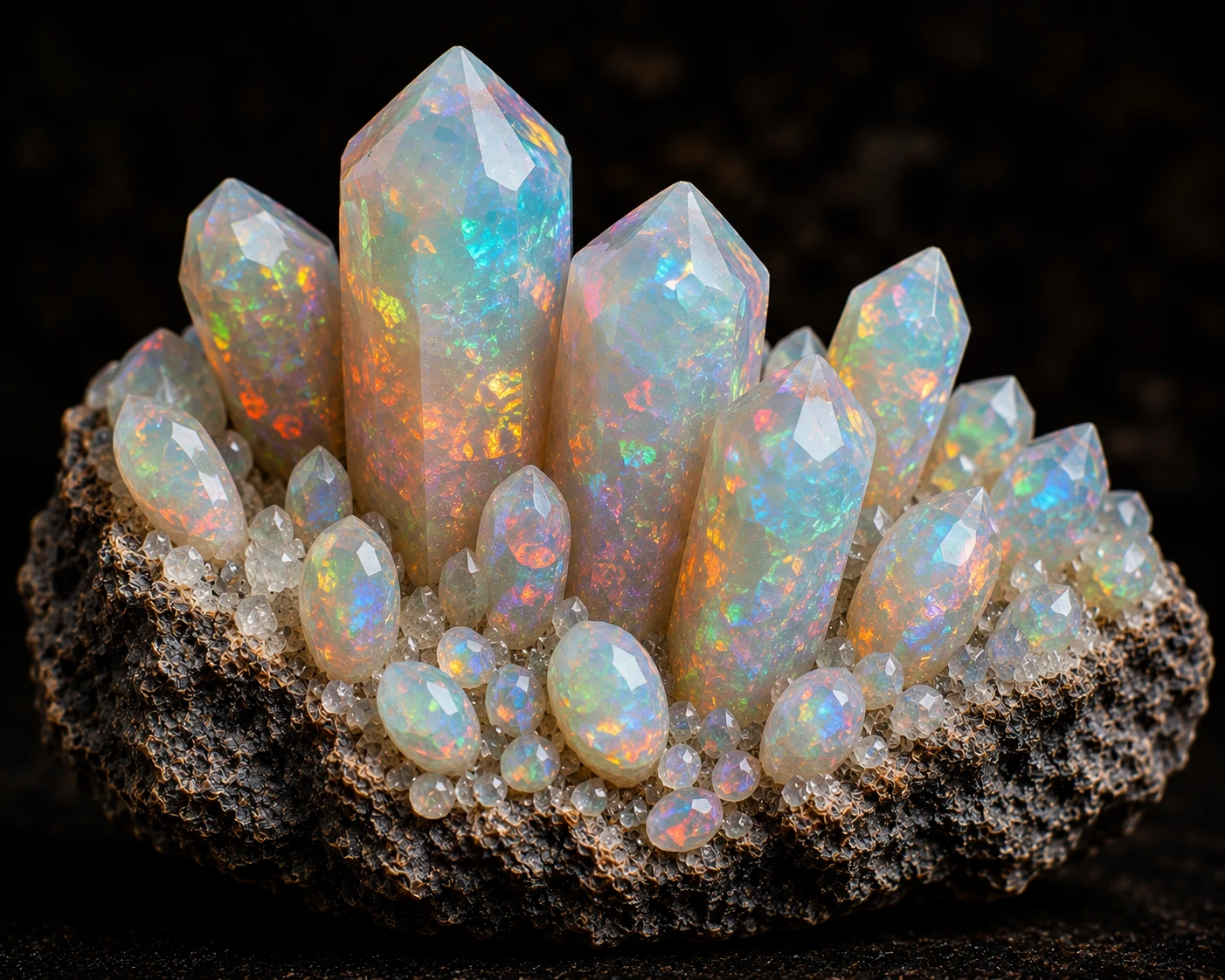
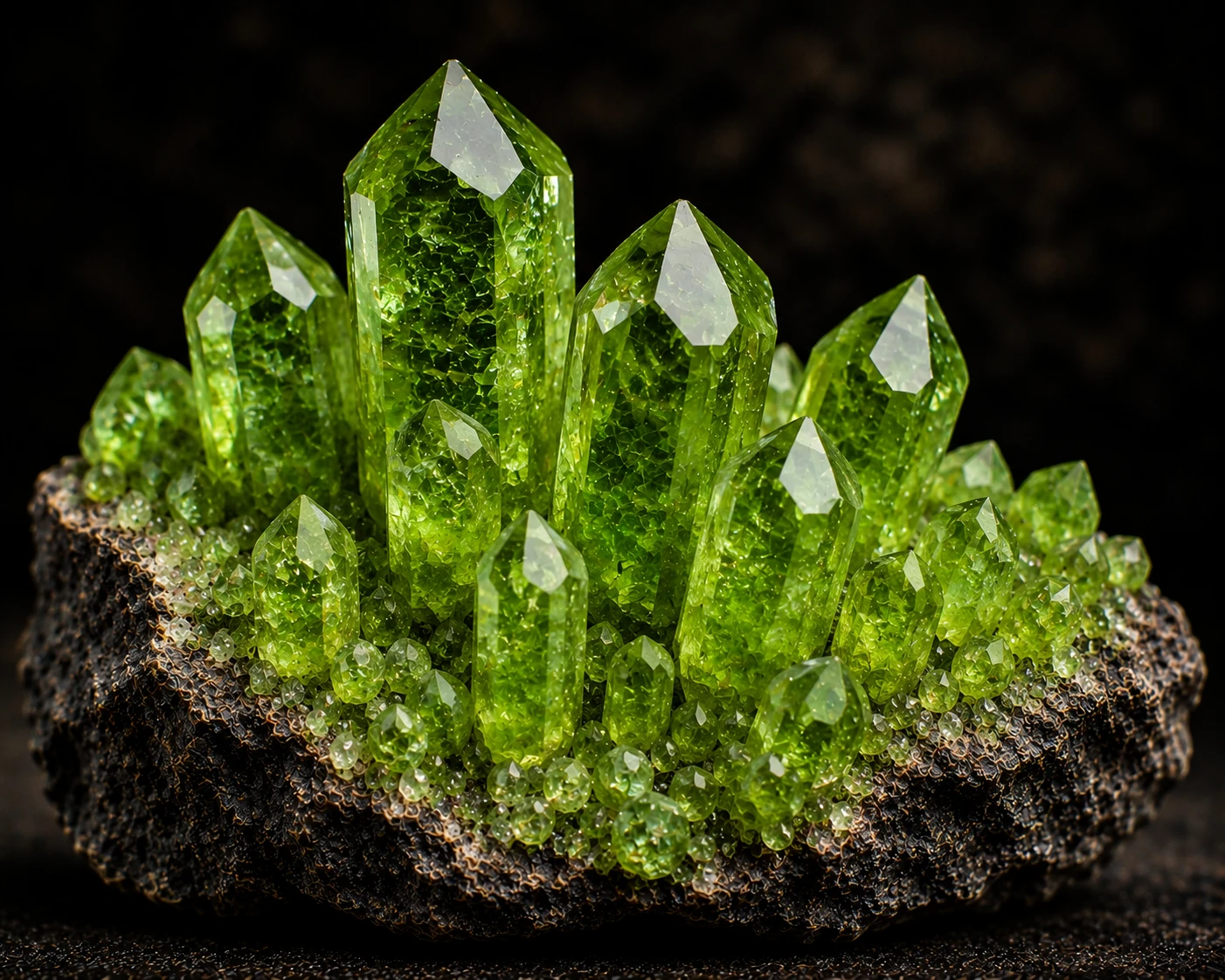
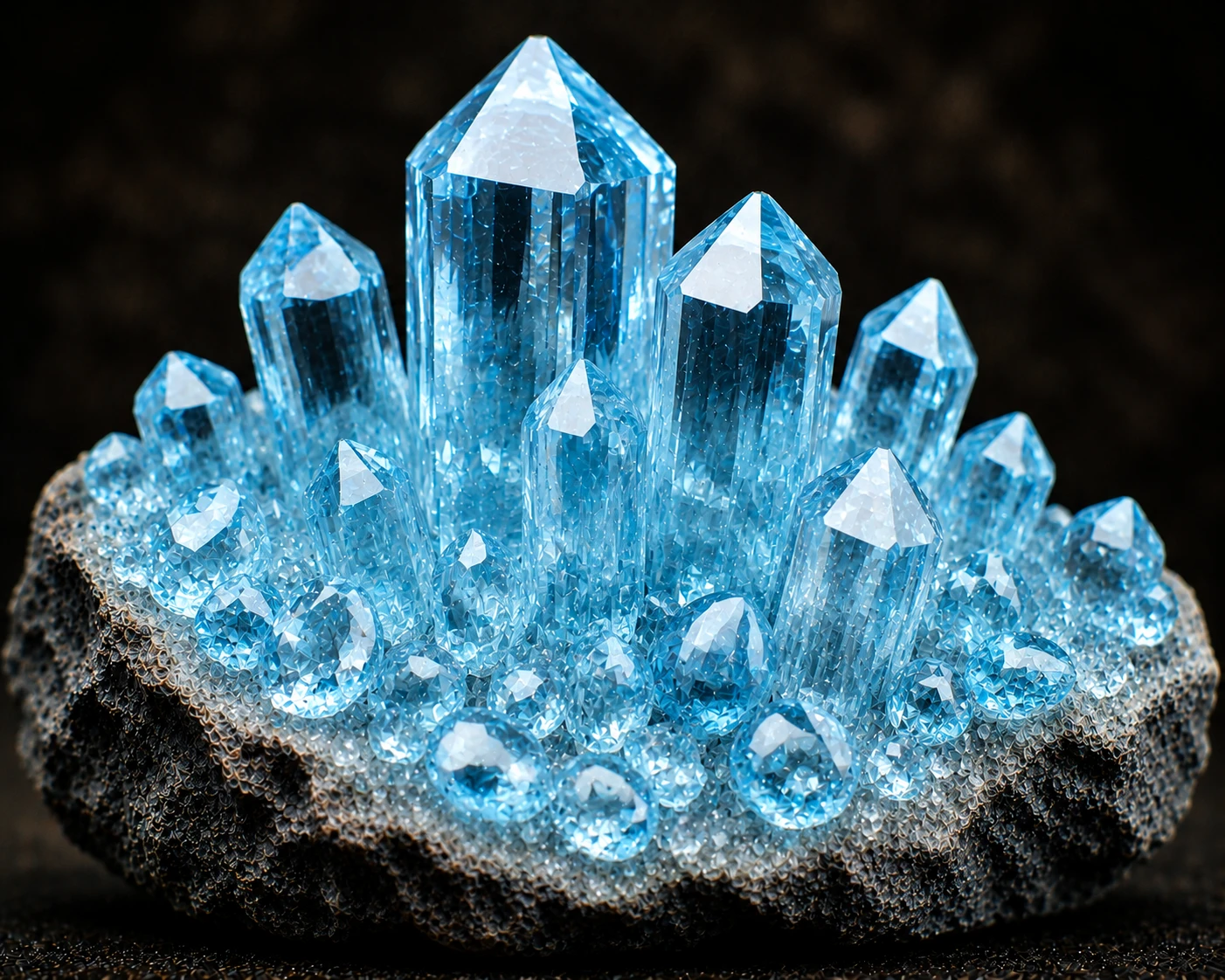
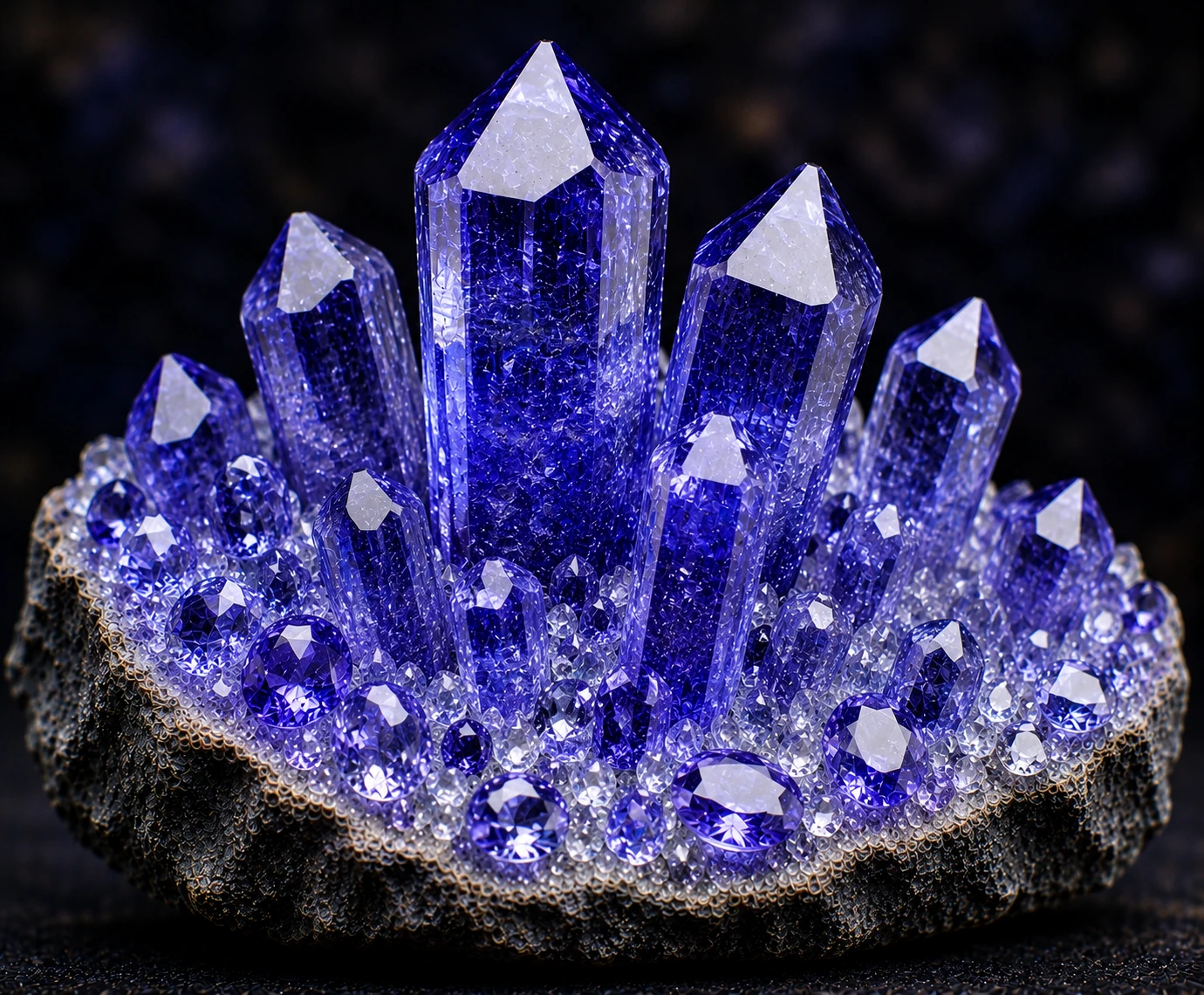
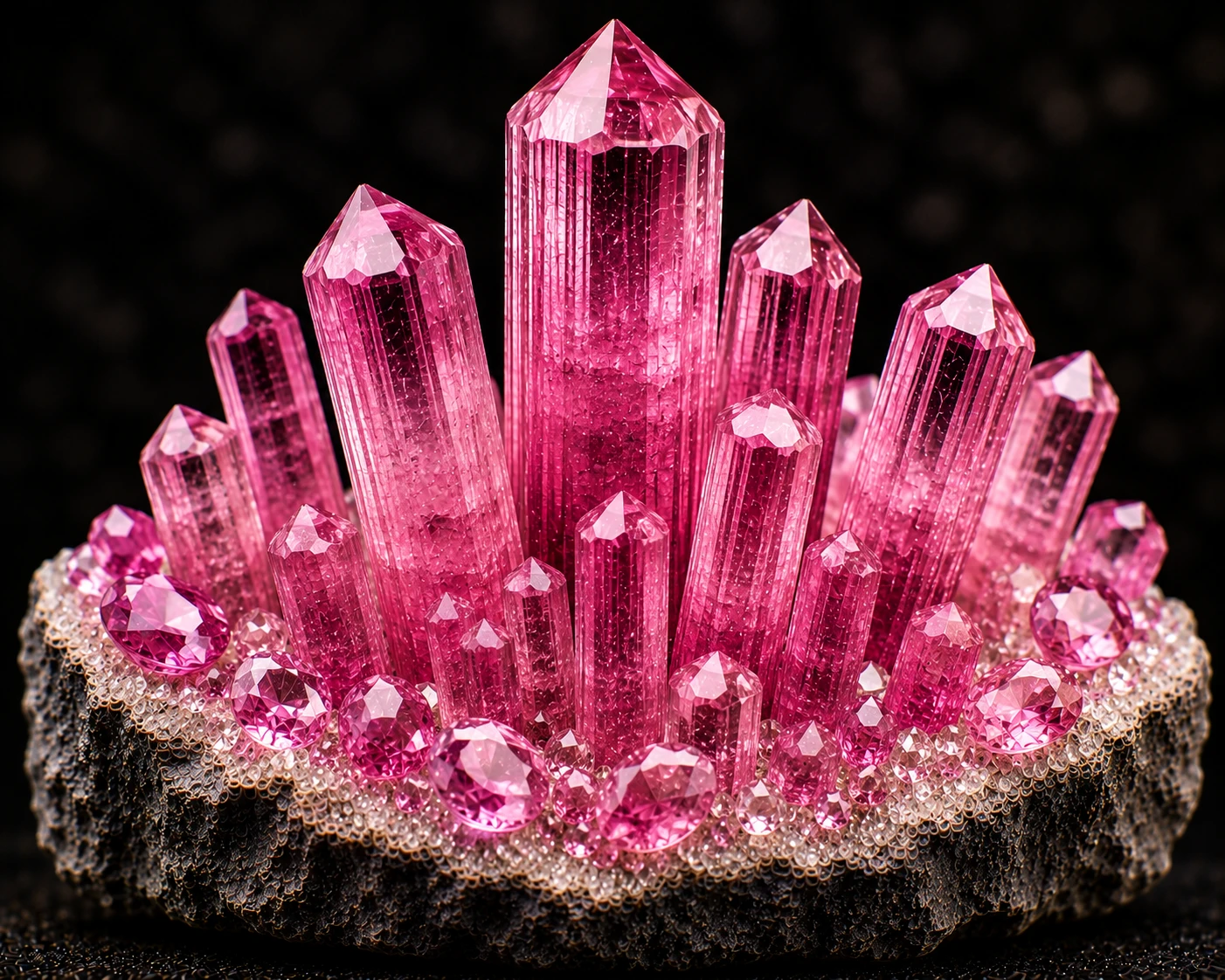
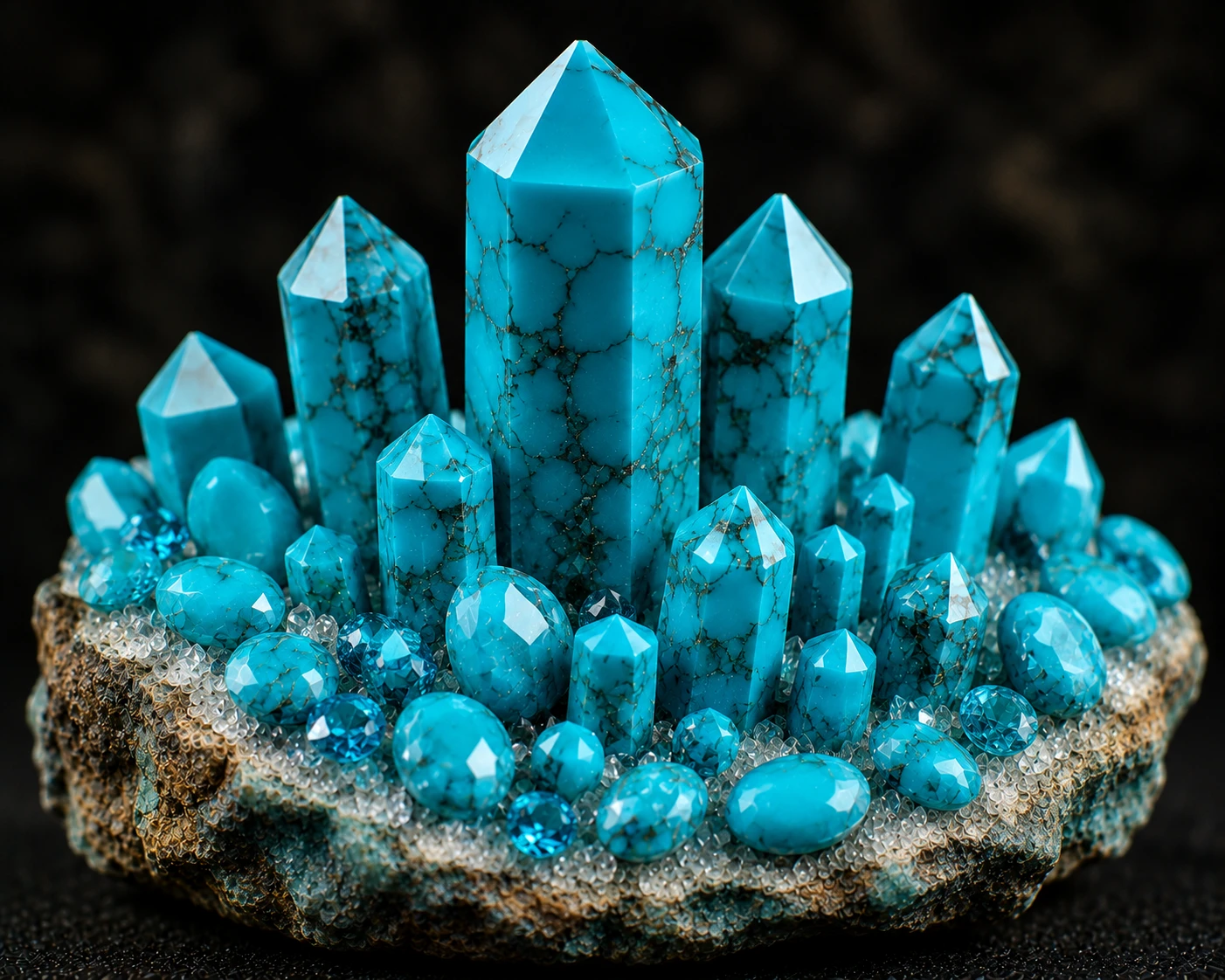
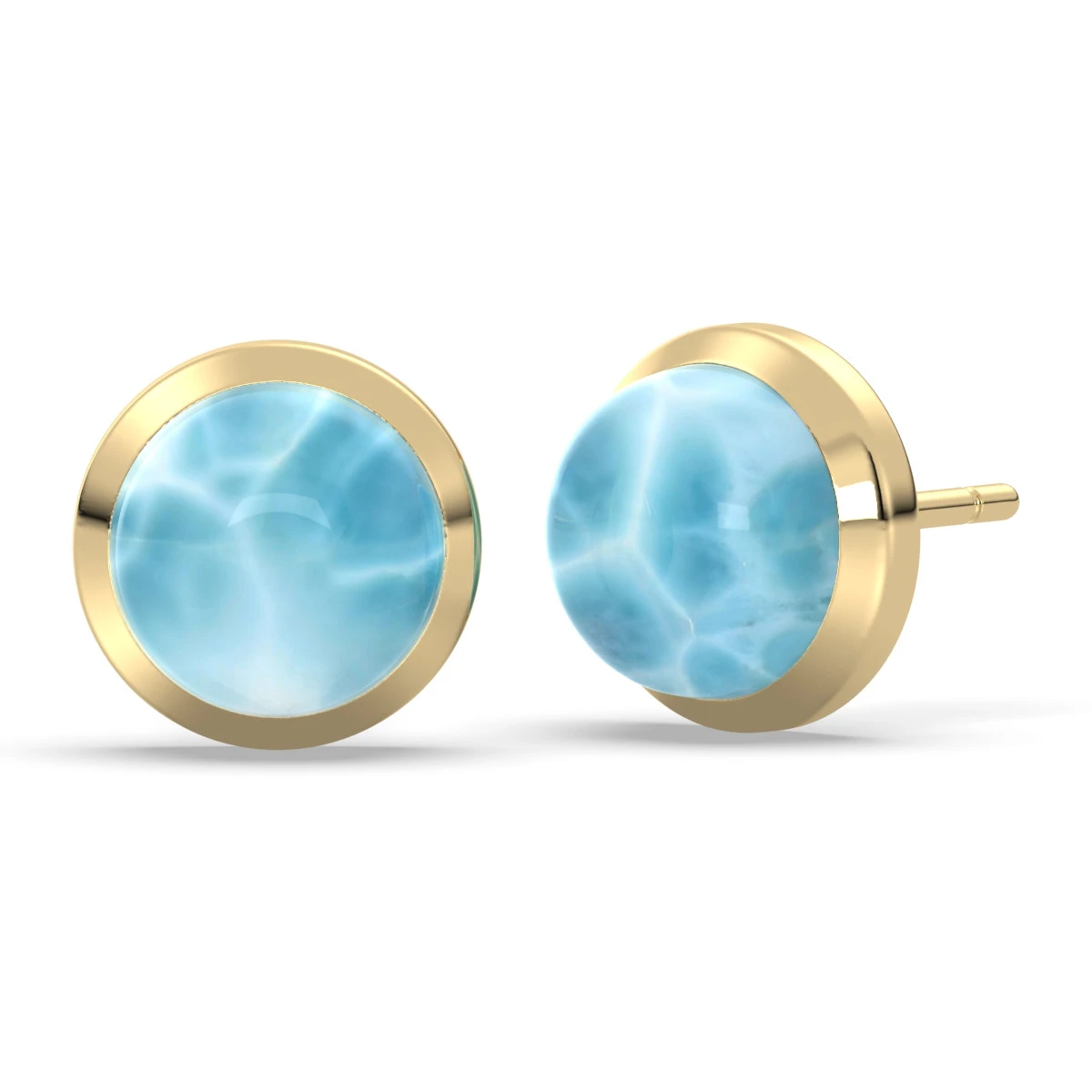

Turquoise jewelry has captivated people for centuries with its mesmerizing hues, ranging from blue turquoise to green blue turquoise. However, pieces like purple and turquoise rings, as well as vintage green turquoise rings, can develop a greenish tint over time due to environmental and chemical exposure. Understanding these changes can help preserve the beauty of Sleeping Beauty turquoise, blue copper turquoise, and other varieties.
The Natural Composition of Turquoise
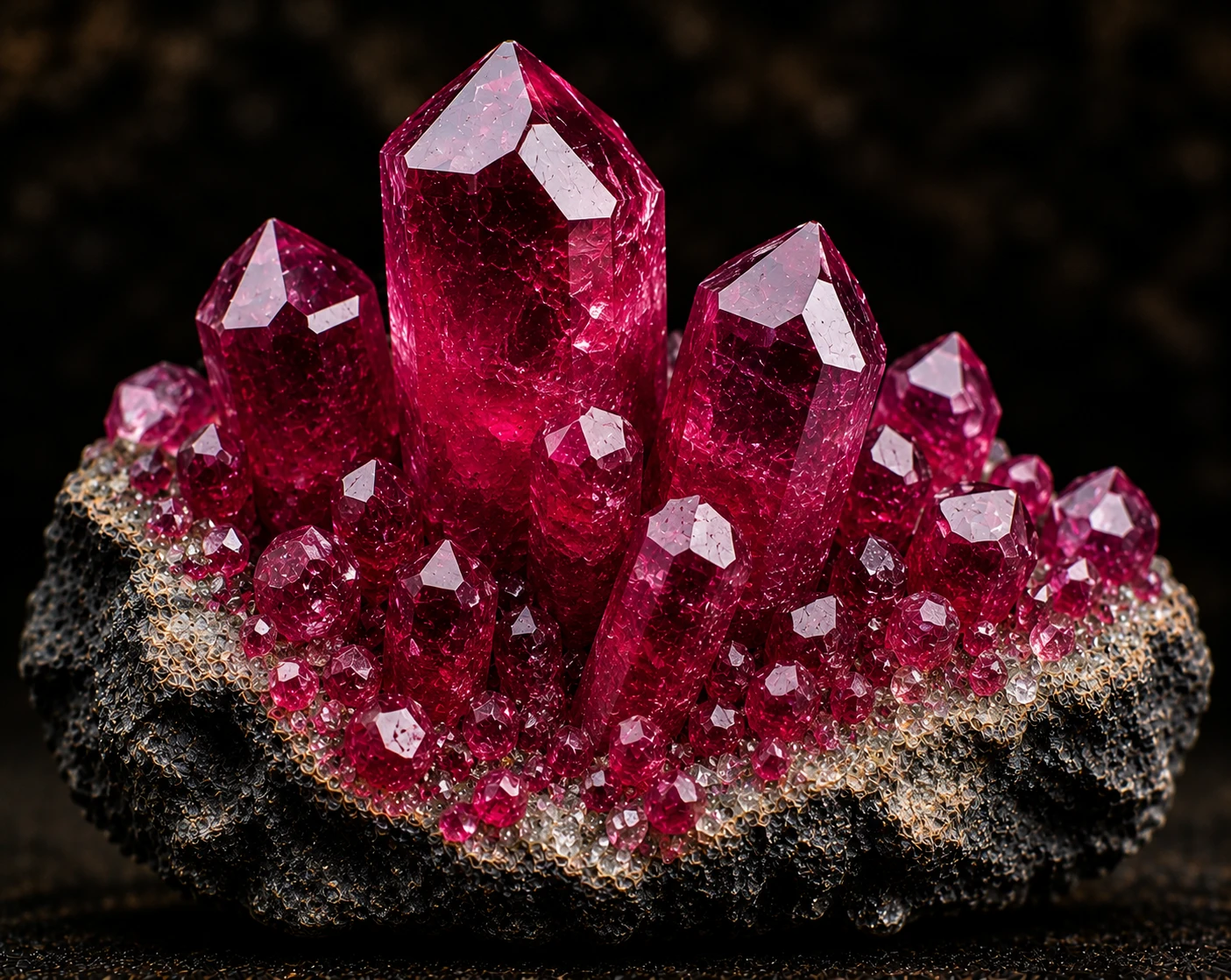
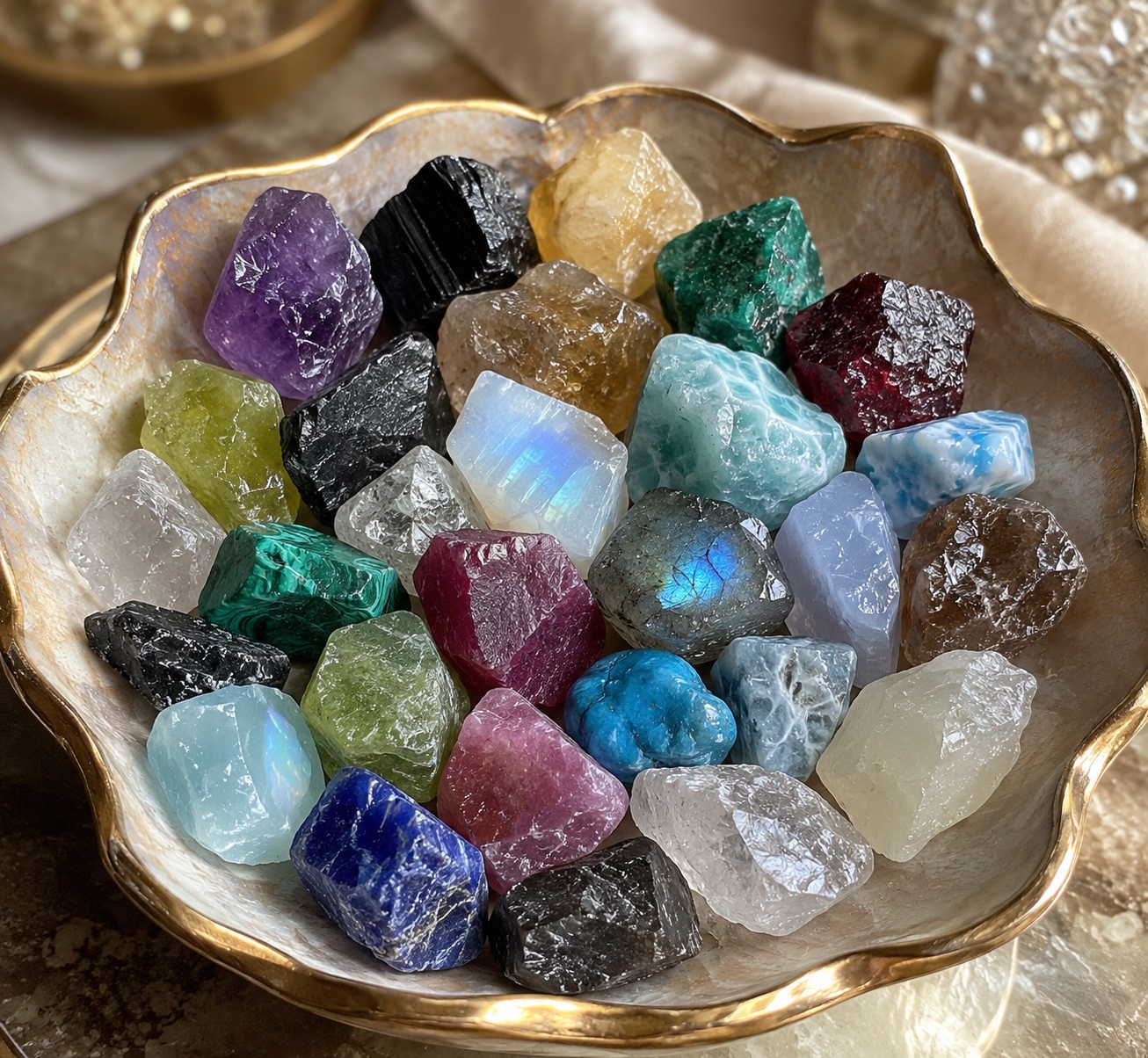
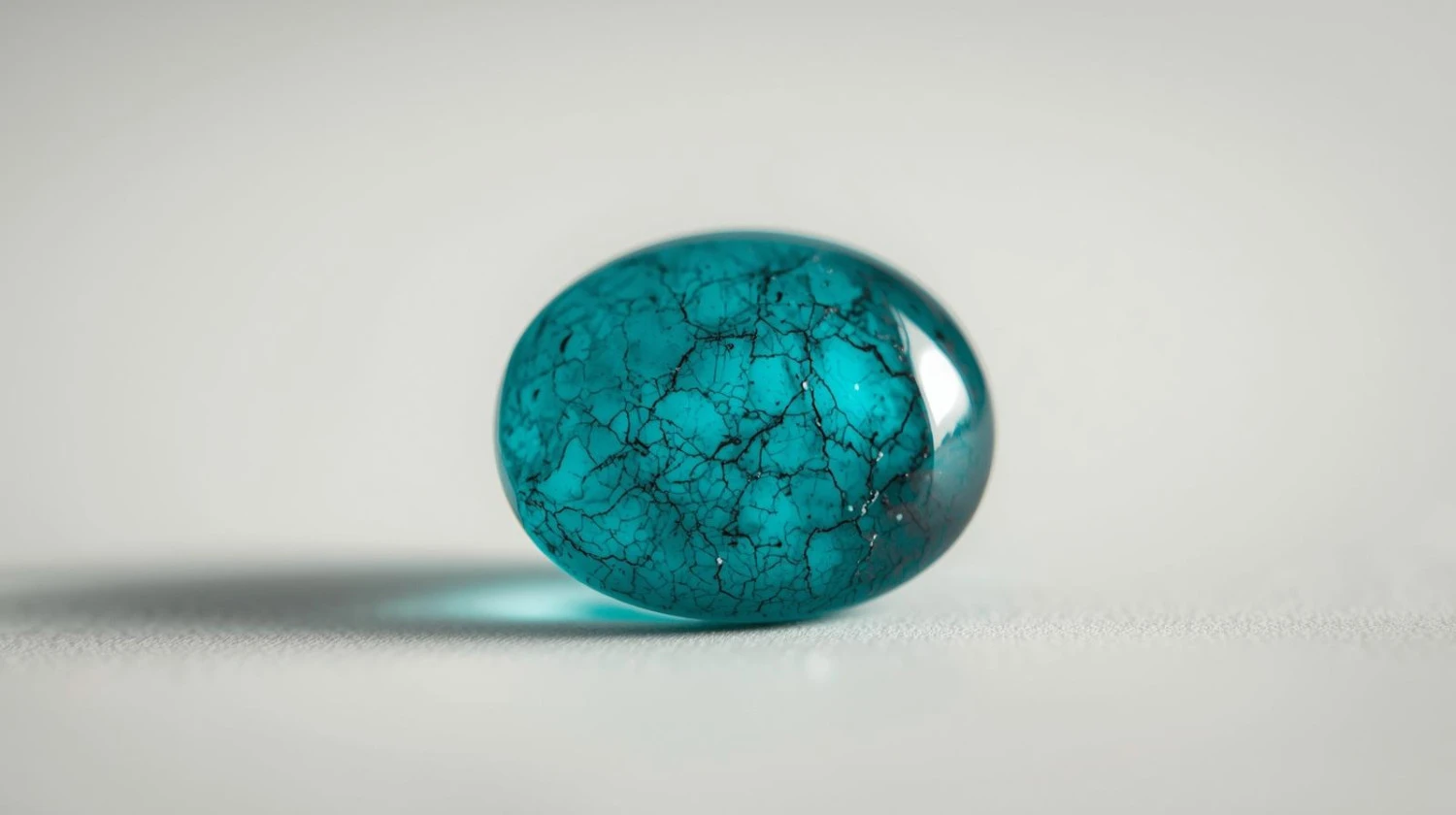
Turquoise is a delicate gemstone formed by aluminum, copper, and phosphorus in the earth’s crust. The presence of blue copper turquoise gives it the iconic blue shades, while mineral variations contribute to hues like red turquoise stones and white turquoise jewelry and even green turquoise stones.
Why Turquoise Changes Color Over Time
Turquoise is highly reactive to external elements. Several factors contribute to color changes in pieces like turquoise and diamond jewelry and men's green turquoise rings:
Absorption of Oils and Moisture
The porous nature of turquoise allows it to absorb skin oils, lotions, and other substances, leading to a dull stone. In short terms, when the oils add up, the original shine tends to change, and as a result, the stone turns from blue turquoise to a greenish or darker tone.
Chemical Exposure
Sweat, perfumes, and household cleaners contain acids that react with the minerals in turquoise, altering its appearance. Hence, with regular exposure to these chemicals, the stone may get discolored or even fade over time. This is the reason why sometimes your stone may turn into blue-green turquoise shades.
Copper Oxidation
The copper composition of the stone leads to the signature blue color, and when exposed to moisture and air, it often undergoes oxidation. This completely alters the natural color of the stone and reduces the visual appeal of the stone.
Heat and Sunlight
When exposed to prolonged sunlight and heat, it can heavily dry out the turquoise. This kind of dehydration can rip the appearance and vibrancy of the stone. Hence, limiting such exposures is always advisable.
How to Maintain & Restore Turquoise Jewelry
If your turquoise, like the Sleeping Beauty turquoise jewelry, has lost its original hue, follow these steps:
Gentle Cleaning: Wiping the dirt with a soft, dry cloth after every use will do the job. It is recommended to avoid soaking it completely, as exposure to such moisture can severely damage it.
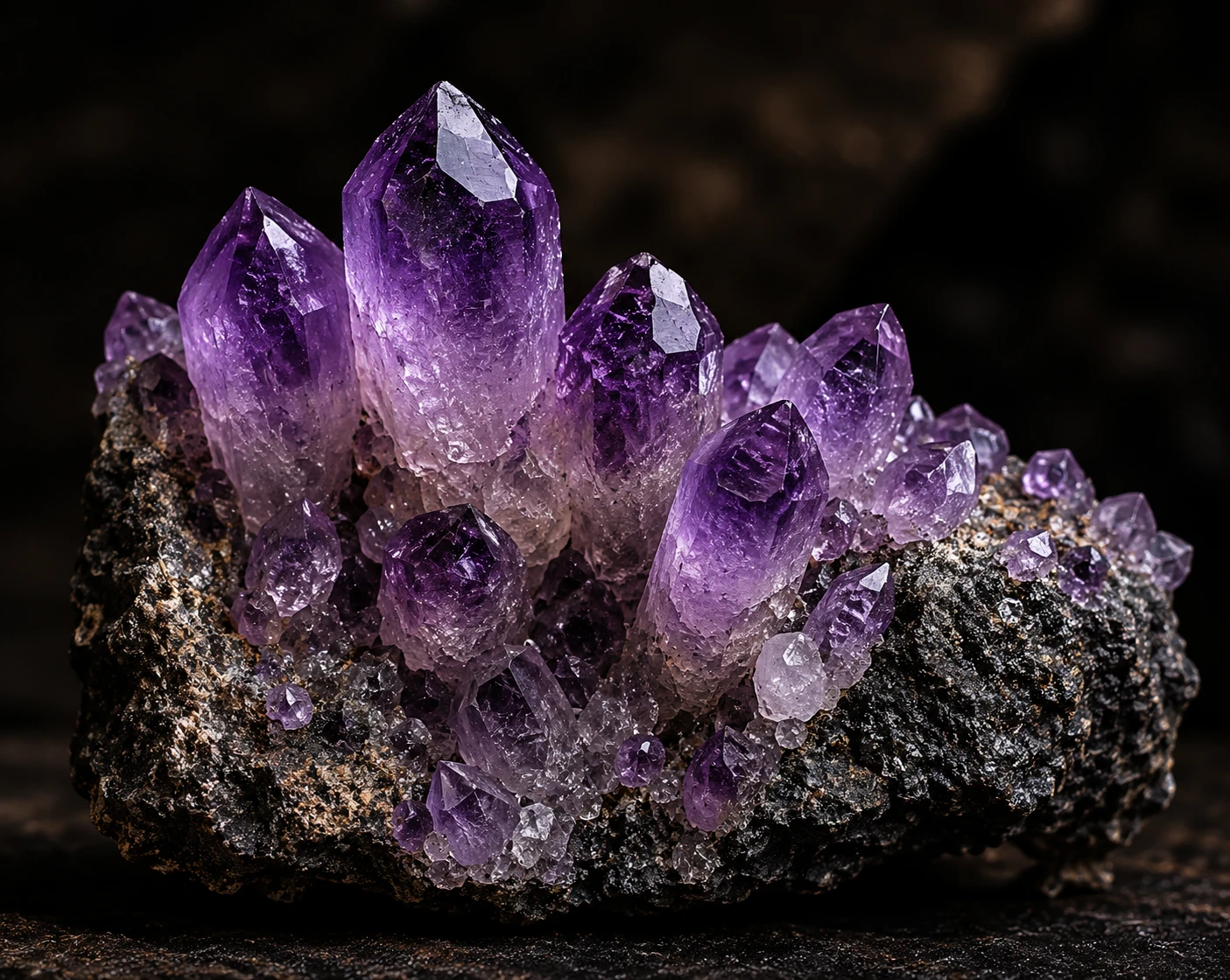
Avoid Harsh Chemicals: Keep white turquoise jewelry, turquoise, amethyst, and other delicate pieces away from perfumes and lotions. This is because chemicals tend to react with turquoise and will lead to uneven discoloration.
Proper Storage: Store jewelry in a cool, dry place in a soft pouch to reduce oxidation and moisture absorption. It is also advised to keep the pieces separate so that there is less friction with harder gemstones.
Limit Sun Exposure: Overexposure to sunlight can alter the color of rare turquoise. So limit the subexposure degree in order to prevent the stone from drying out and fading its color.
Re-oiling Process: Some jewelers offer re-oiling services to revive the vibrant look of raw turquoise stones. This is because this process helps in restoring the moisture that is lost.
Stabilized vs. Raw Turquoise: Which Lasts Longer?
Stabilized turquoise undergoes a resin treatment to enhance durability and resist color change, making it a preferred choice for pieces like sleep earrings and sapphire-turquoise jewelry. Raw turquoise, however, remains untreated and more susceptible to color shifts.
Although the stabilized ones are more durable and may be perfect for everyday wear, the raw ones are more valuable with respect to their natural beauty and authenticity. Oftentimes, your green turquoise may require an extra layer of protection to ensure that the shine remains intact. Hence, choosing between the two depends on the preferences and various factors like durability, naturalness, and untreated appearance.
Final Thoughts
From mood ring turquoise to turquoise and diamond designs, turquoise remains an enduring gem. Whether it naturally appears as a green turquoise or transforms over time due to external factors, its versatility continues to enchant jewelry lovers.
By understanding turquoise’s chemistry and adopting proper care techniques, you can maintain the brilliance of your rare turquoise pieces for a lifetime. Investing in stabilized turquoise or well-maintained raw turquoise ensures lasting beauty and authenticity.