
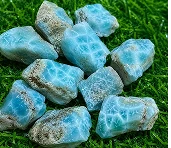
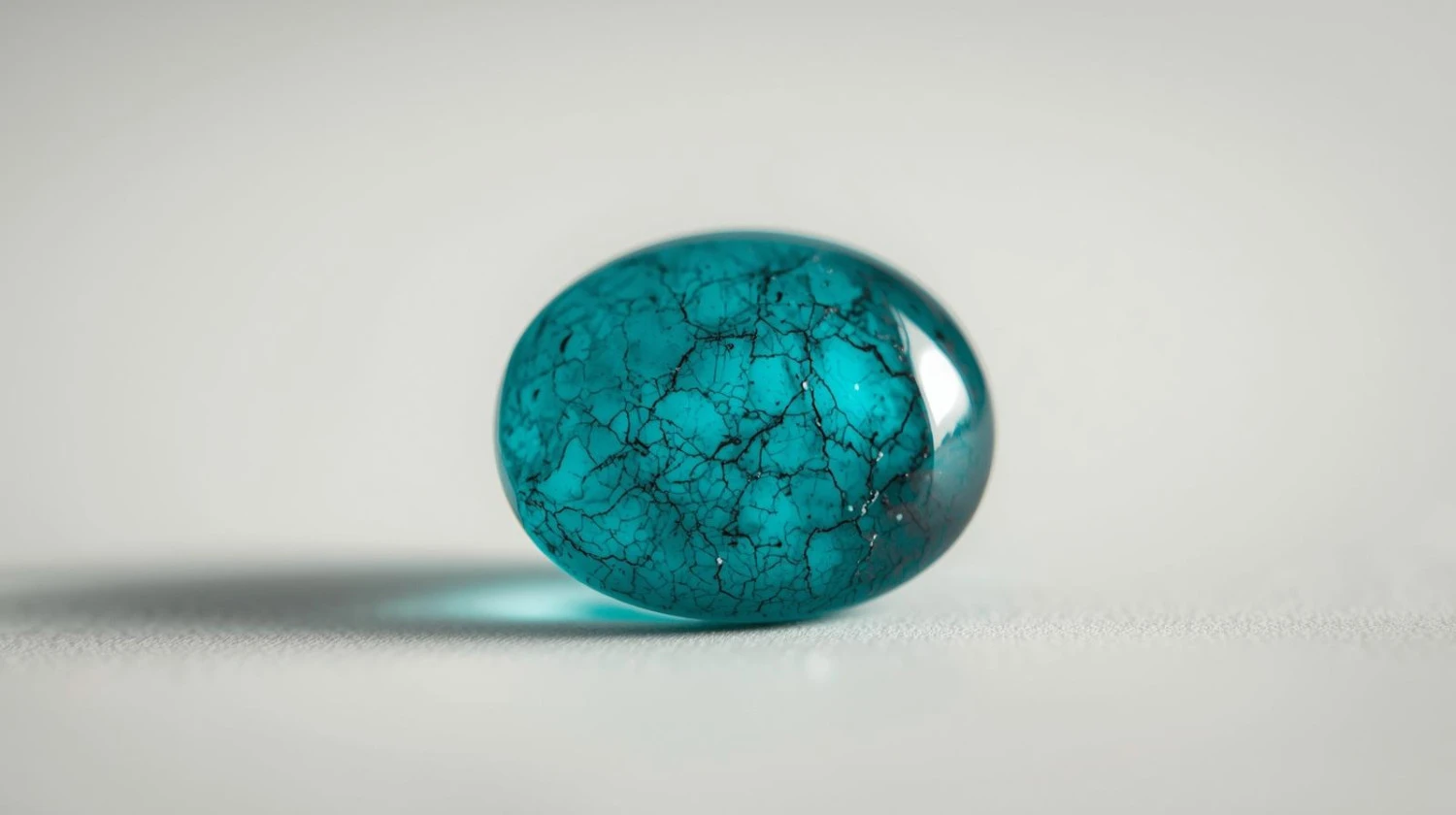
Turquoise jewelry has captivated people for centuries with its mesmerizing hues, ranging from turquoise sky blue to green blue turquoise. However, pieces like purple turquoise rings and vintage green turquoise rings can develop a greenish tint over time due to environmental and chemical exposure. Understanding these changes can help preserve the beauty of sleeping beauty turquoise, blue copper turquoise, and other varieties.
The Natural Composition of Turquoise
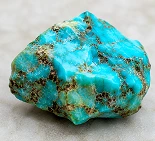
Turquoise is a delicate gemstone formed by aluminum, copper, and phosphorus in the earth’s crust. The presence of blue copper turquoise gives it the iconic blue shades, while mineral variations contribute to hues like red turquoise stone and white turquoise jewelry.
Why Turquoise Changes Color Over Time
Turquoise is highly reactive to external elements. Several factors contribute to color changes in pieces like turquoise and diamond jewelry and mens green turquoise rings:
Absorption of Oils & Moisture: The porous nature of turquoise allows it to absorb skin oils, lotions, and other substances, leading to a dull or greenish hue.
Chemical Exposure: Sweat, perfumes, and household cleaners contain acids that react with the minerals in turquoise, altering its appearance.
Copper Oxidation: The blue copper turquoise content reacts with air and moisture, gradually shifting towards a green blue turquoise shade.
Heat & Sunlight: Prolonged exposure can dehydrate turquoise, causing fading or a greenish transformation.
Metal Reactivity: Turquoise set in turquoise and diamond jewelry can interact with silver or gold, influencing its color.
Stabilized vs. Raw Turquoise: Which Lasts Longer?
Stabilized turquoise undergoes a resin treatment to enhance durability and resist color change, making it a preferred choice for pieces like sleep earrings and sapphire turquoise jewelry. Turquoise raw, however, remains untreated and more susceptible to color shifts.
How to Maintain & Restore Turquoise Jewelry
If your sleeping beauty turquoise jewelry has lost its original hue, follow these steps:
Gentle Cleaning: Wipe dirt and oil using a soft cloth. Use a mild soap solution if necessary.
Avoid Harsh Chemicals: Keep white turquoise jewelry, turquoise amethyst, and other delicate pieces away from perfumes and lotions.
Proper Storage: Store jewelry in a cool, dry place in a soft pouch to reduce oxidation and moisture absorption.
Limit Sun Exposure: Overexposure to sunlight can alter the color of rare turquoise.
Re-Oiling Process: Some jewelers offer re-oiling services to revive the vibrant look of turquoise raw stones.
Negative Effects of Turquoise Stone
While turquoise is cherished for its beauty and symbolism, some believe it carries certain negative effects:
Energy Absorption: It is thought to absorb energy, which may lead to emotional exhaustion if not cleansed regularly.
Color Fading & Wear: Untreated turquoise can become brittle and fade over time.
Reactivity with Skin Oils: Natural oils from the skin can alter the stone’s appearance.
Chemical Sensitivity: Acids in sweat, perfumes, and cleaning agents can degrade its surface.
Scratches & Breakage: Being a soft gemstone, turquoise is prone to scratches and chips if not handled with care.
Understanding Sleeping Beauty Turquoise & Its Price
One of the most sought-after turquoise varieties is sleeping beauty turquoise, valued for its pure blue hue and lack of veining. Due to mine closures, the price of sleeping beauty turquoise has surged, making it a treasured gemstone. The sleeping beauty turquoise price per carat continues to rise, increasing its desirability.
Final Thoughts
From mood ring turquoise to turquoise and diamond designs, turquoise remains an enduring gemstone. Whether set in blue moon turquoise styles or combined with gemstones like sapphire turquoise, its versatility continues to enchant jewelry lovers.
By understanding turquoise’s chemistry and adopting proper care techniques, you can maintain the brilliance of your rare turquoise pieces for a lifetime. Investing in stabilized turquoise or well-maintained turquoise raw ensures lasting beauty and authenticity.