
Why Amethyst Is Known as a Calming Stone for Anxiety Support

Anxiety doesn’t knock; it takes over. One moment feels manageable, the next your thoughts are spiraling, louder than they should be. And in that kind of overwhelm, people don’t just look for answers. They look for something that steadies them.
That’s where the amethyst calming stone keeps finding its place. Not as a fleeting trend, but as something people have returned to for centuries when the mind refuses to slow down. Across cultures and centuries, the amethyst crystal for anxiety acquired a quiet reputation for imparting equilibrium and clarity, regardless of how various cultures described it.
Even now, the amethyst calming stone surfaces when discussing stress and tranquility. Many people also ask, is amethyst good for anxiety, especially when looking for natural ways to feel more emotionally balanced.
What Is Amethyst?
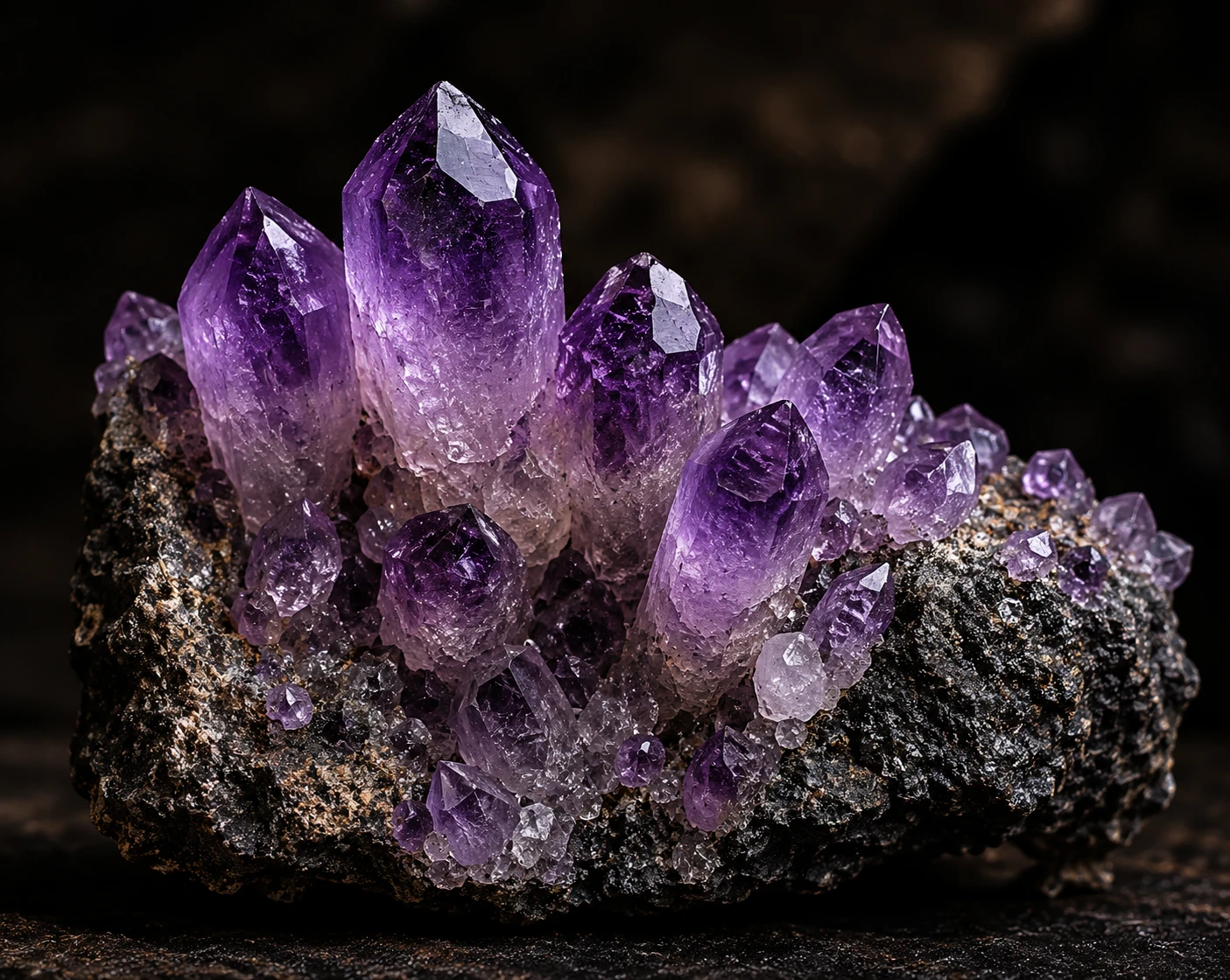
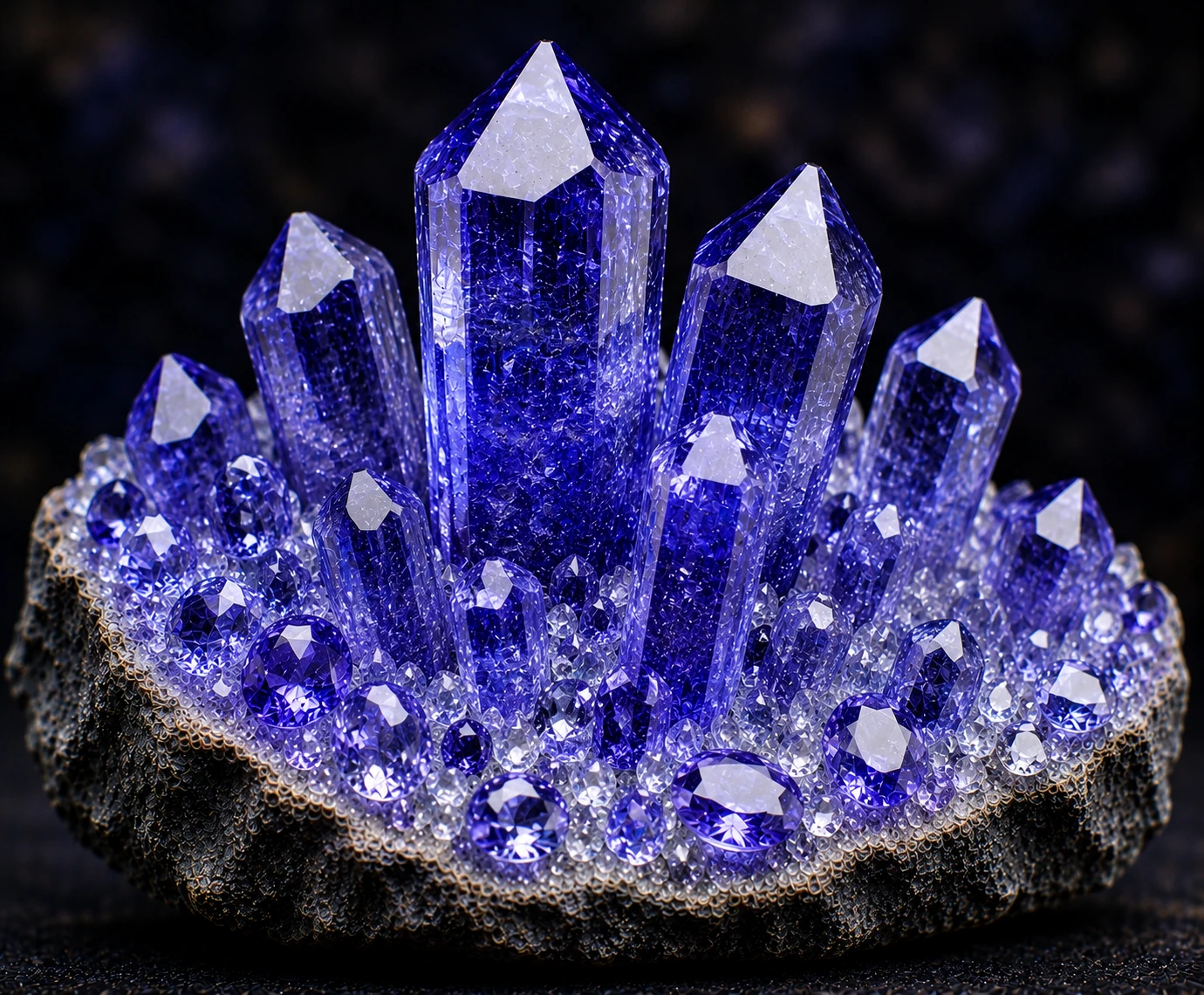
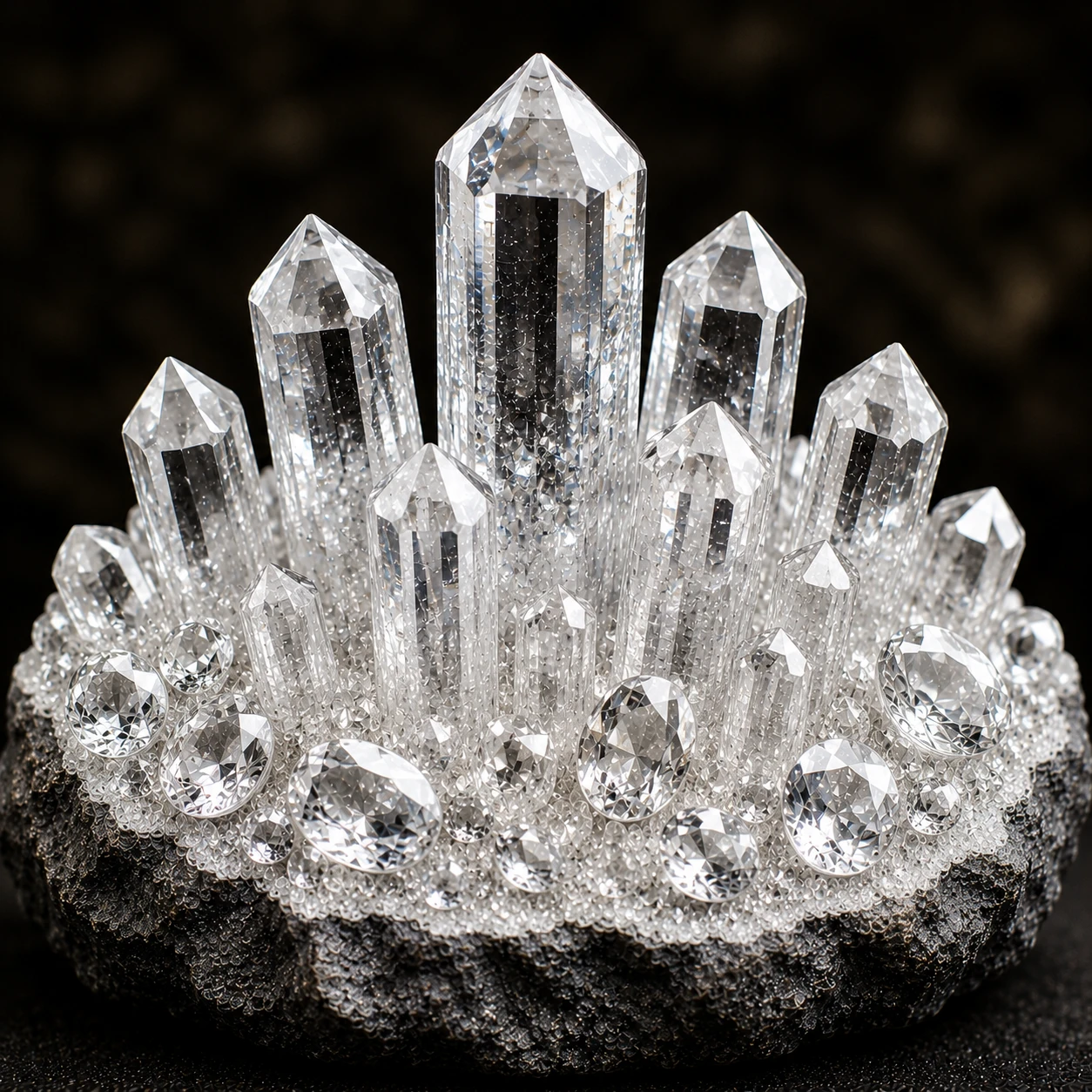
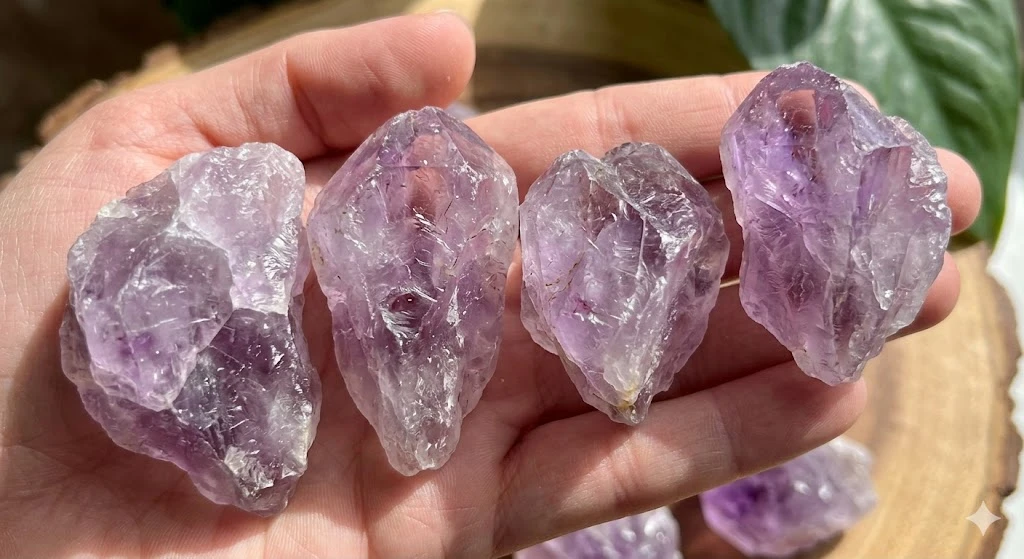
Amethyst is a semi-precious stone in the quartz family, found all around the world in many different forms — clusters, long terminations, and geodes. Its purple color is derived from impurities in the crystal structure and can range from light purple to deep, royal purple. Brazil is considered one of the most significant producers, but the gem can be found all over the world.
Its name is derived from the Greek word ametusthose, which translates to "not intoxicated." Perhaps the ancients believed the stone had a detoxifying effect on the mind, body, and spirit. That origin says a lot about how amethyst has been understood from the beginning, less as a decorative object, more as something with a real effect on how a person feels.
The growing popularity of amethyst for anxiety comes from this long-standing belief that the stone encourages calmness and emotional clarity.
The History Behind the Amethyst Calming Stone
Amethyst has been worn for reasons far beyond appearance for most of its documented history. Archaeologists have found amethyst jewelry in Egypt that dates back to 3,000 BC. In ancient Egypt, amethyst was believed to offer protection not just physically but emotionally as well, used in amulets and talismans to ward off negative energy.
Ancient Greeks and Romans believed the stone could prevent intoxication and promote clarity of mind. That idea of mental clarity, a quiet, steady head in the middle of chaos, is exactly what people with anxiety are looking for. The amethyst crystal for anxiety connection is old, and it has survived because enough people across enough generations found something in it worth keeping.
Why Amethyst Is Associated with Calming Anxiety
1. It Is Believed to Quiet Mental Noise
Amethyst is most widely used to alleviate stress and anxiety. Its calming energy is said to soothe the mind, reduce mental clutter, and ward off negative emotions such as fear and frustration by replacing them with positive feelings and an overall sense of serenity. For anyone familiar with anxiety, that description — mental clutter, fear, frustration — maps directly onto what the experience actually feels like.

Amethyst calms and relaxes the nerves and balances extreme emotions while reducing the harmful effects of anxiety. It doesn't claim to eliminate the source of stress. The appeal is more about creating a steadier internal state so that external pressures feel more manageable.
2. It Is Linked to the Third Eye and Crown Chakras
Amethyst actively influences the crown chakra, which helps one to feel calm and focused on important moments in life. It also has cleansing properties expressed in the clearing of negative thoughts, worries, and anything that takes a lot of energy.

Amethyst is known for opening the Third Eye Chakra and enhancing intuition and a meditative state, making it a powerfully calming stone. In practical terms, people who use it for meditation report that it helps them stay present rather than spiraling into anxious thought patterns, which is exactly what most anxiety management techniques are trying to achieve.
3. It Supports Better Sleep
Anxiety and poor sleep tend to feed each other. Placing an amethyst crystal under a pillow is believed to promote restful sleep by soothing the restless mind and easing insomnia. The mineral in the bedroom is said to provide a deep sleep that not only helps you rest but also absorbs the stress and negativity accumulated during the day.
Whether the crux of the effect is direct or more, creating a calming bedtime ritual surrounding the stone, many find that when amethyst enters their sleeping space, sleep quality improves.
For those looking to bring amethyst into their daily life, browse the amethyst collection at BAUTLR.
How to Use an Amethyst Crystal for Anxiety
There's no single right way to use an amethyst crystal for anxiety. The approach depends on what feels natural and what fits into a person's existing routine.
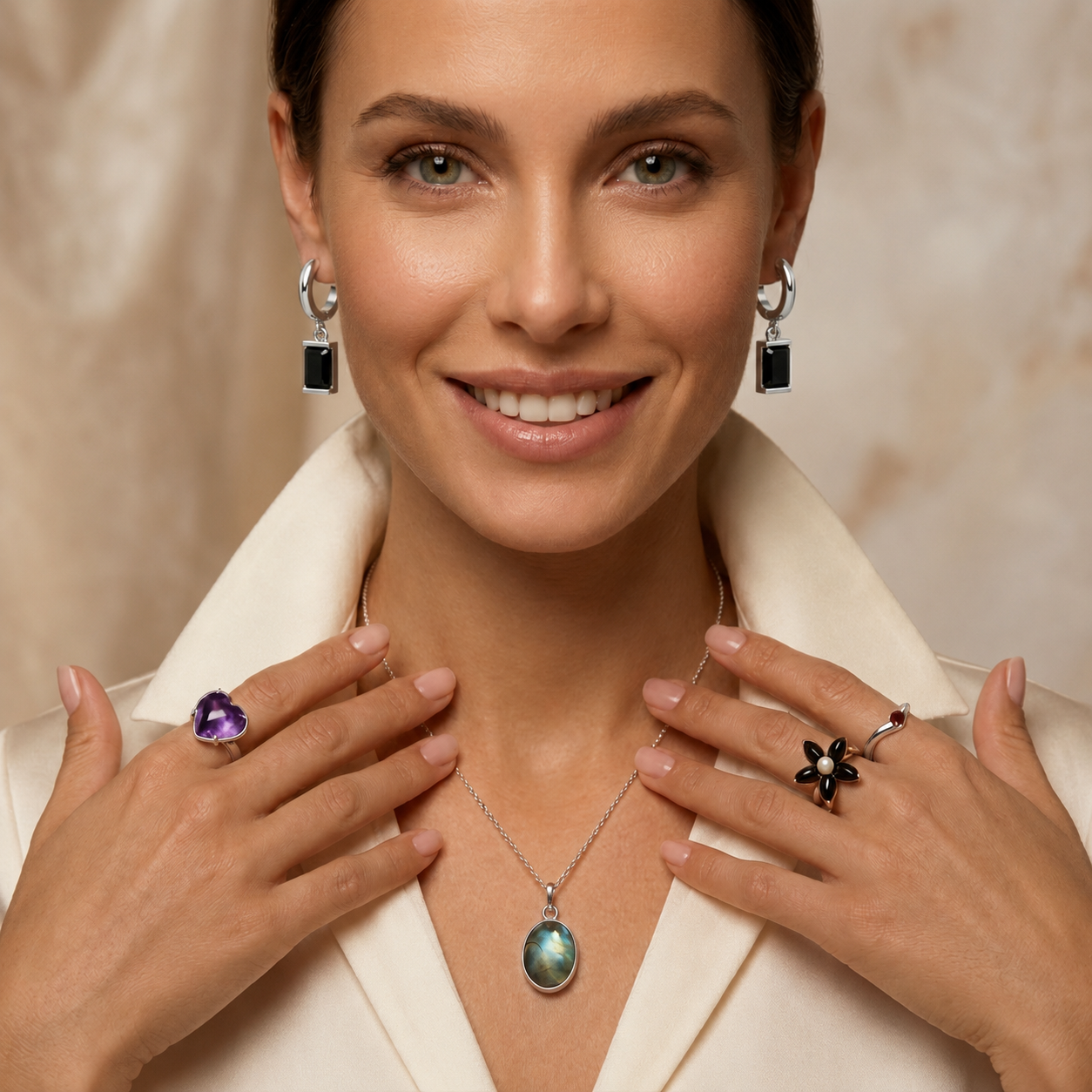
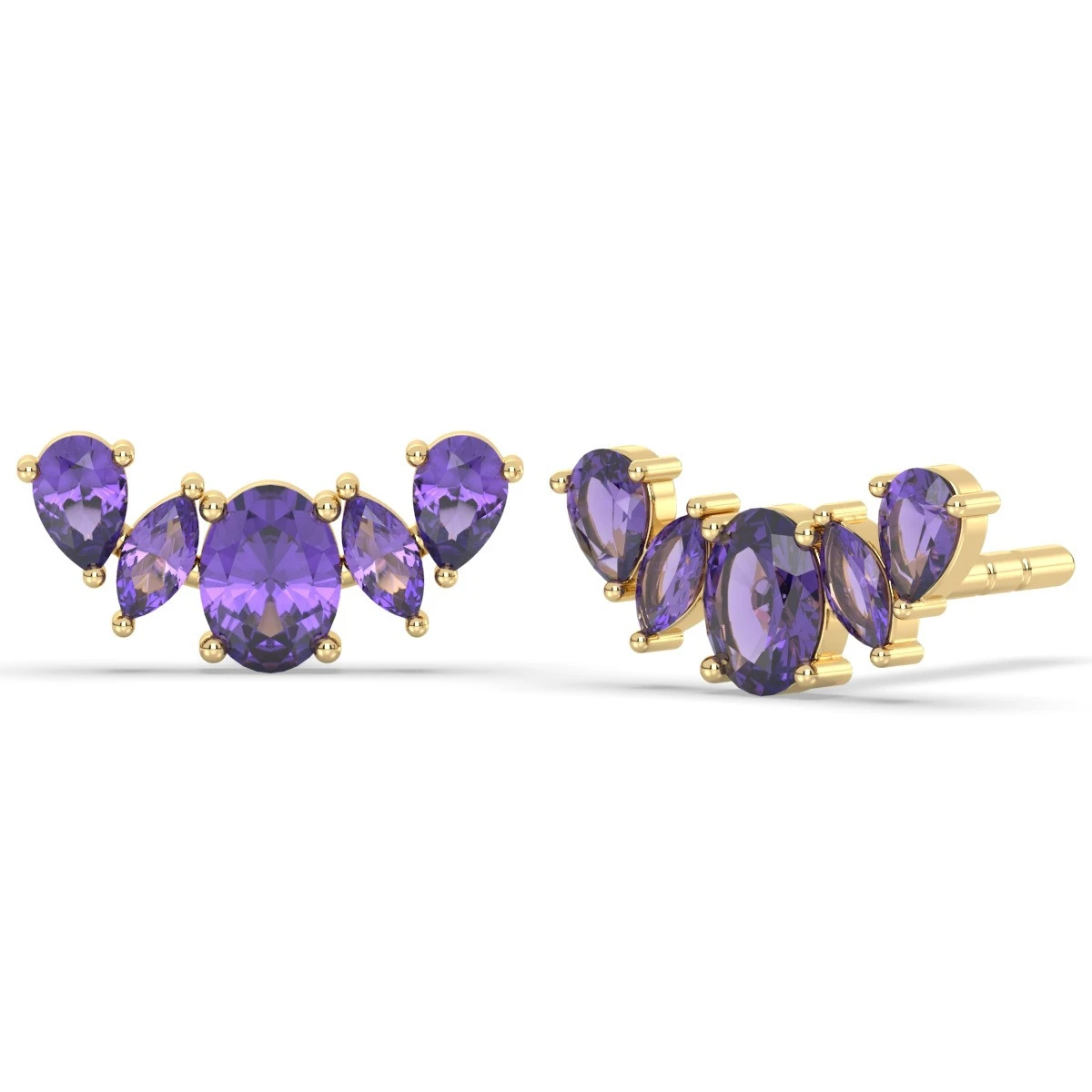
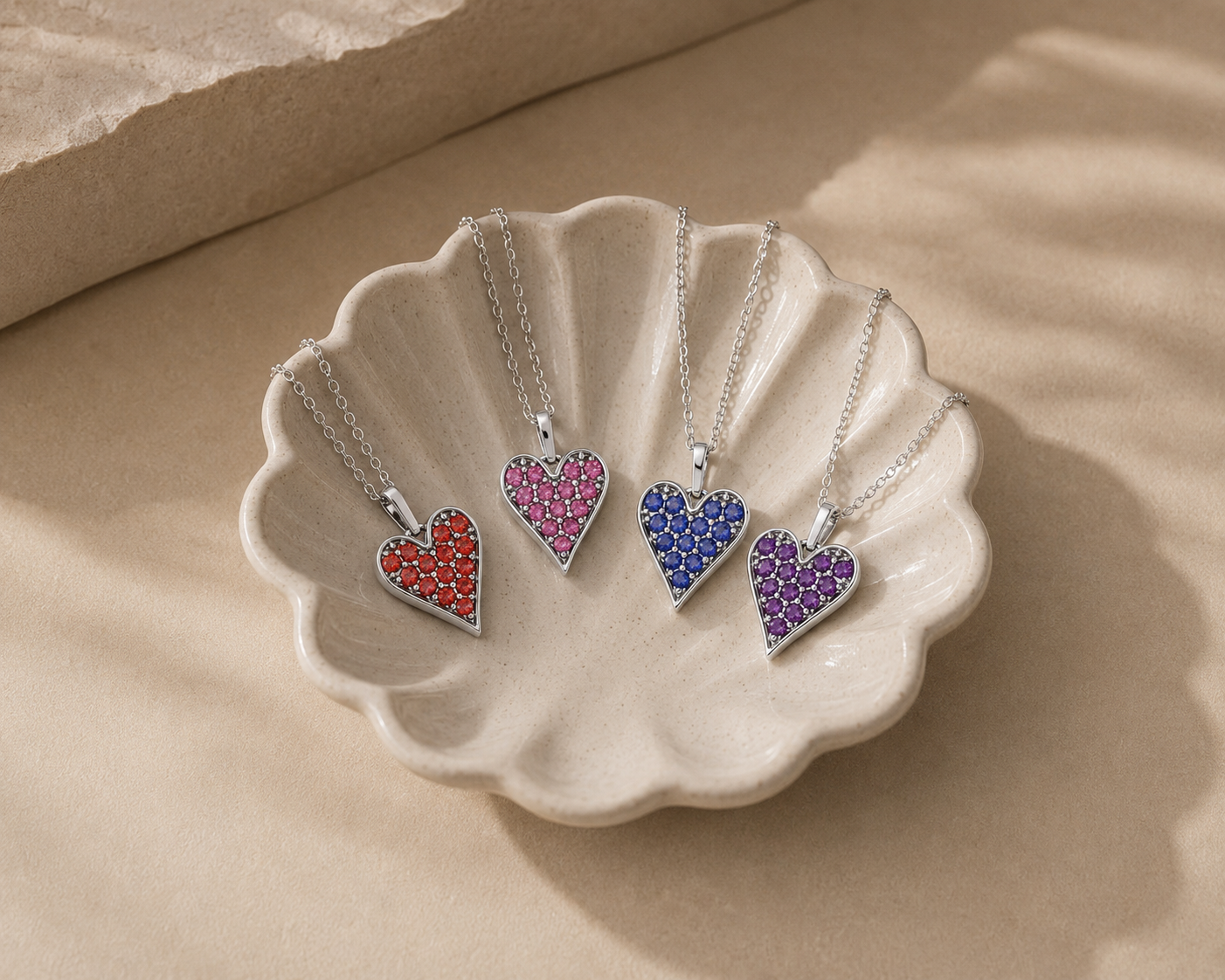
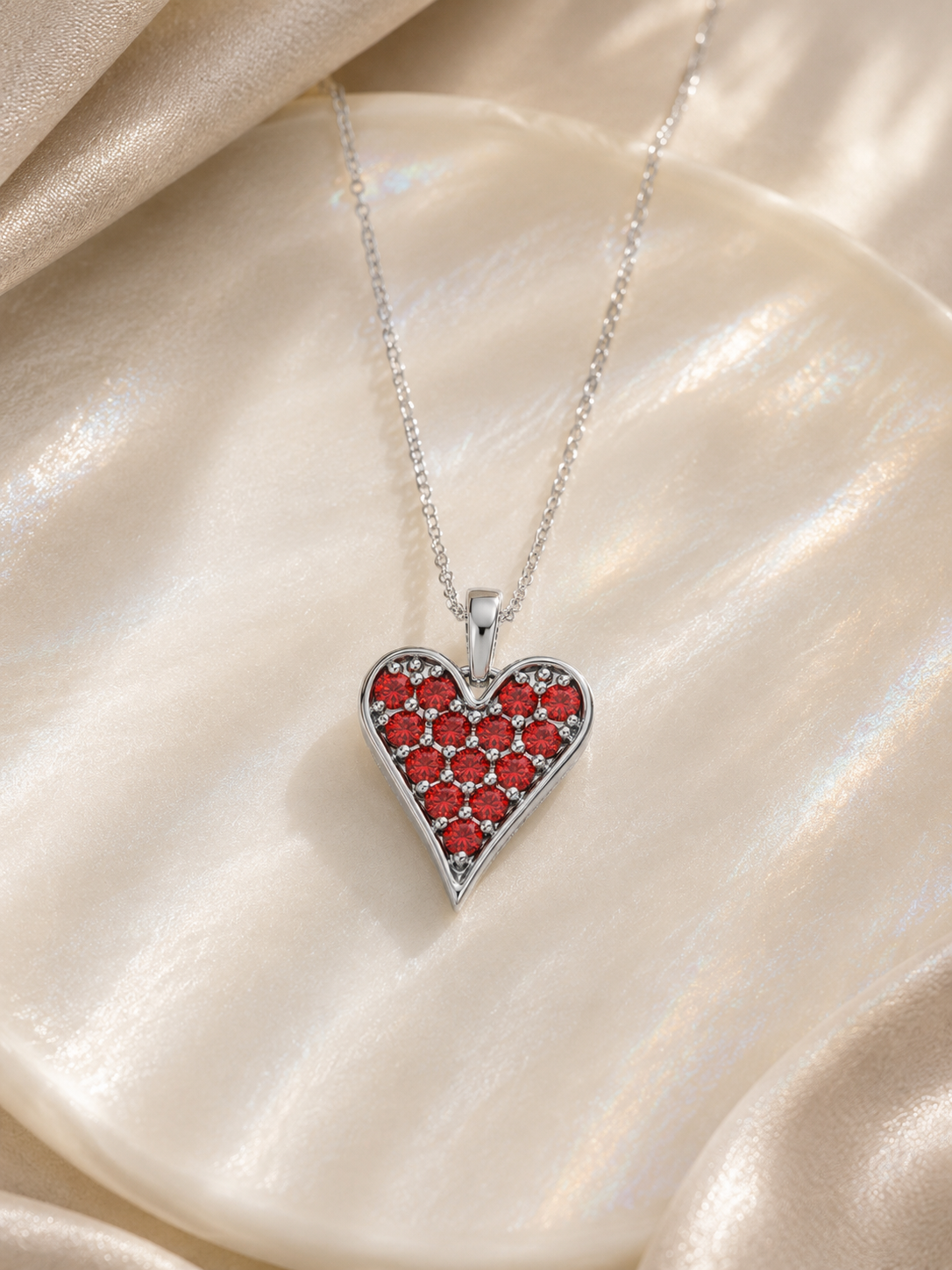
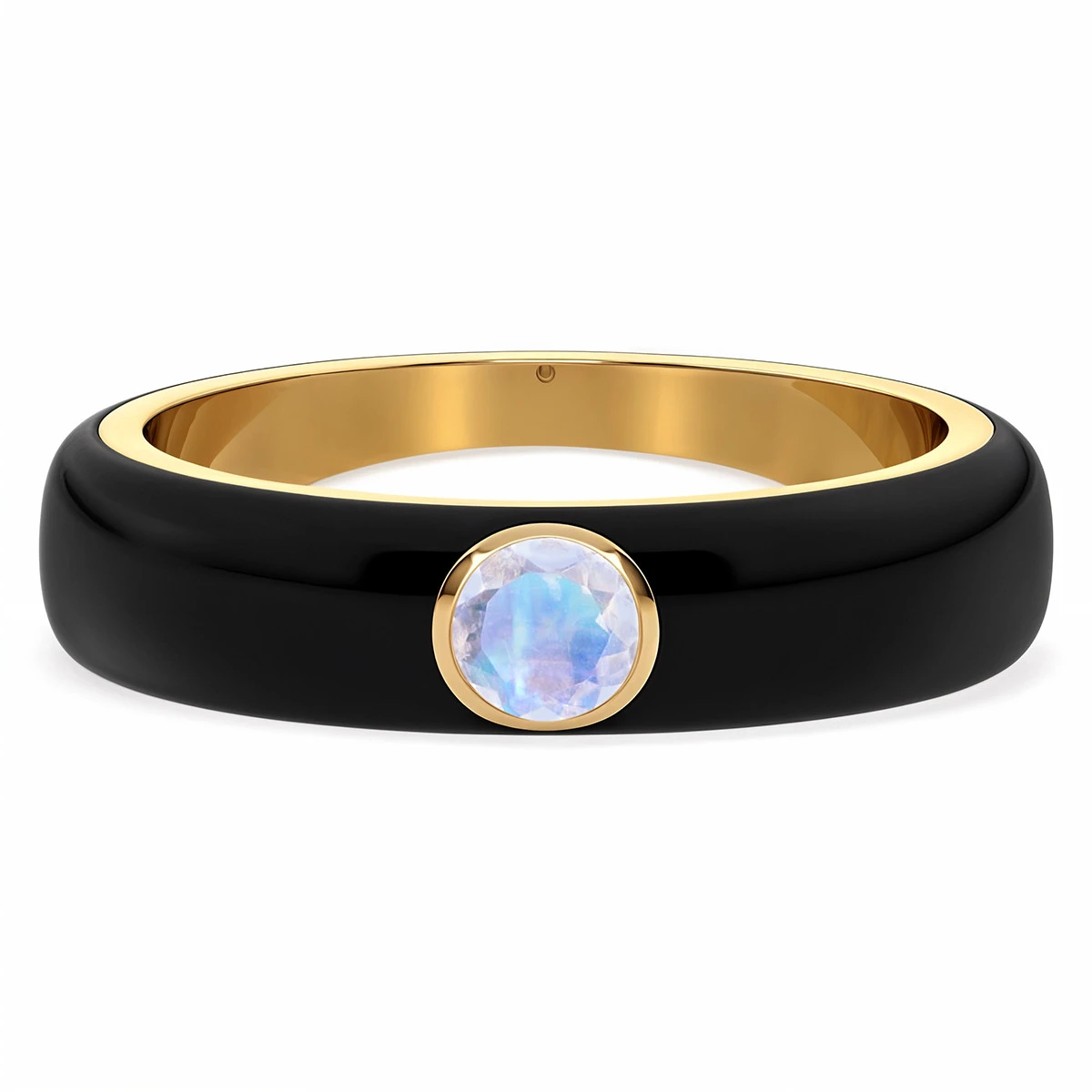
Wearing it as jewelry is one of the most common ways. Donning jewelry featuring the gems keeps their calming energy nearby at all times. Rings, necklaces, and bracelets all work — the point is consistent contact throughout the day, particularly during stressful situations.
Holding it during meditation is another widely used practice. Amethyst can be used during meditation by holding it in your hand or placing the stone on the chakra you are trying to open. It can also be incorporated into yoga practice by leaving the stone near the mat to promote a calm and focused mind.
Keeping it in your space is an option for people who want a more passive presence. The amethyst stone can affect not only the person but also the space in which they are located, maintaining a calm atmosphere where there is no room for worry or anxiety. A piece on a desk, a cluster on a nightstand, or a stone carried in a pocket all serve this purpose.
Many people searching for how to use amethyst crystal for anxiety start with simple daily rituals like meditation, mindful breathing, or carrying the crystal in a pocket. Others prefer learning how to use amethyst for anxiety through bedtime routines, journaling, or placing the stone near workspaces for a calming atmosphere.
Some also prefer carrying an amethyst stone for anxiety during stressful situations as a grounding reminder to pause and reset.
Setting an intention is a simple ritual that many practitioners recommend. Hold the stone, focus on what you want to release, and let the act of doing so become a mindful pause. This ritual can be a daily practice or something you return to whenever you need a moment of serenity.
What the Science Says
Amethyst is not a remedy for anxiety, and should not be substituted for medical treatment by anyone suffering from an existing diagnosed anxiety disorder. While science can explain the calming effects of purple hues, amethyst’s spiritual power remains anecdotal for many.
That said, the practices surrounding amethyst — mindful breathing, meditation, intentional pausing — are themselves backed by research as tools for managing stress. The stone may serve as an anchor for those practices rather than acting independently. Amethyst worry stones are safe for everyone to use, including children and the elderly, as non-invasive tools for mindfulness. Though they should not replace professional medical treatment for severe anxiety disorders, but rather serve as a complementary tool.
Caring for Your Amethyst
Amethyst is not high maintenance at all, but a bit of routine attention helps to maintain its form and energy. Wash it frequently with mild soap and warm water, and do not leave it in the sun for long because the color can fade. Although it's a relatively hard gem, amethyst can still be scratched, so store it separately from other gemstones.

Many people also choose to cleanse their amethyst energetically with sage, salt water, full moonlight, grounding in the earth, incense, or sound cleansing. Placing it under the full moon for a few hours is said to cleanse and amplify the crystal's energy, keeping it a potent source of calm and clarity.
Wrapping Up!
Amethyst has been used as a calming stone across cultures for thousands of years — not because people were easily convinced, but because something about it kept working well enough to pass down. The amethyst calming stone reputation is built on a long, consistent history of people reaching for it during stress, grief, uncertainty, and restlessness.
Whether you're drawn to the history, the symbolism, or simply the act of having something grounding to hold onto, amethyst offers a quiet kind of support. If you're looking to add an amethyst piece to your collection, BAUTLR carries a range of amethyst jewelry worth exploring.