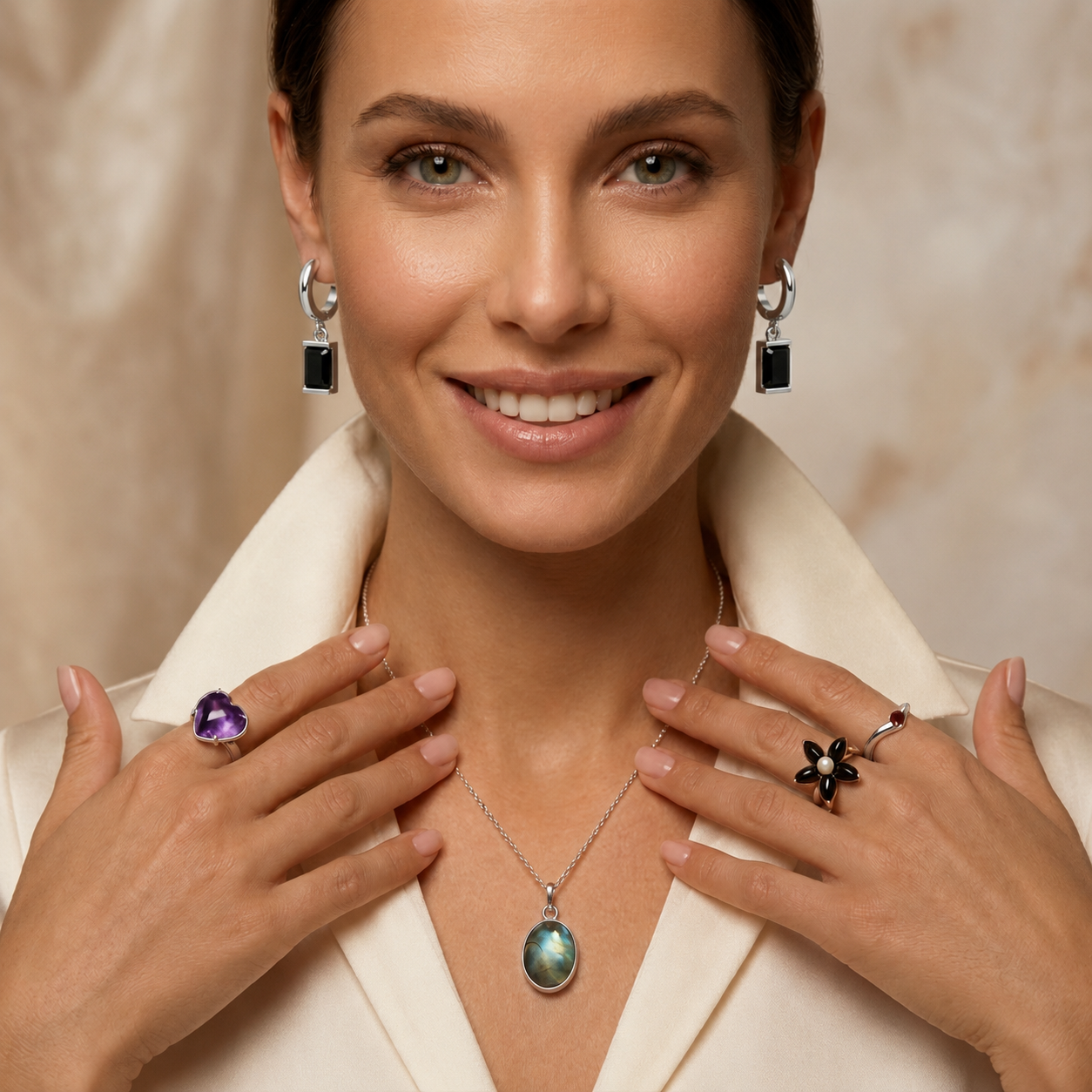
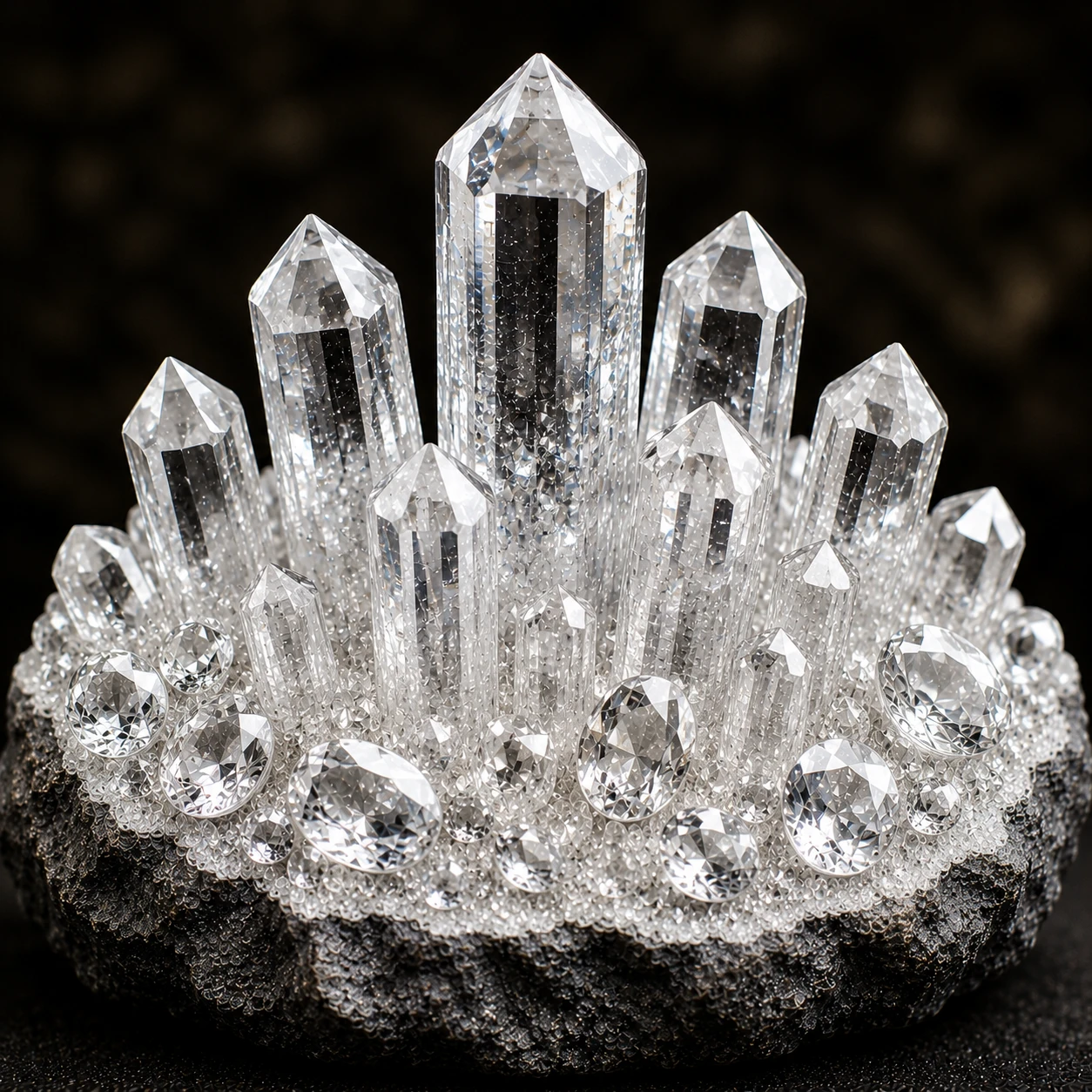
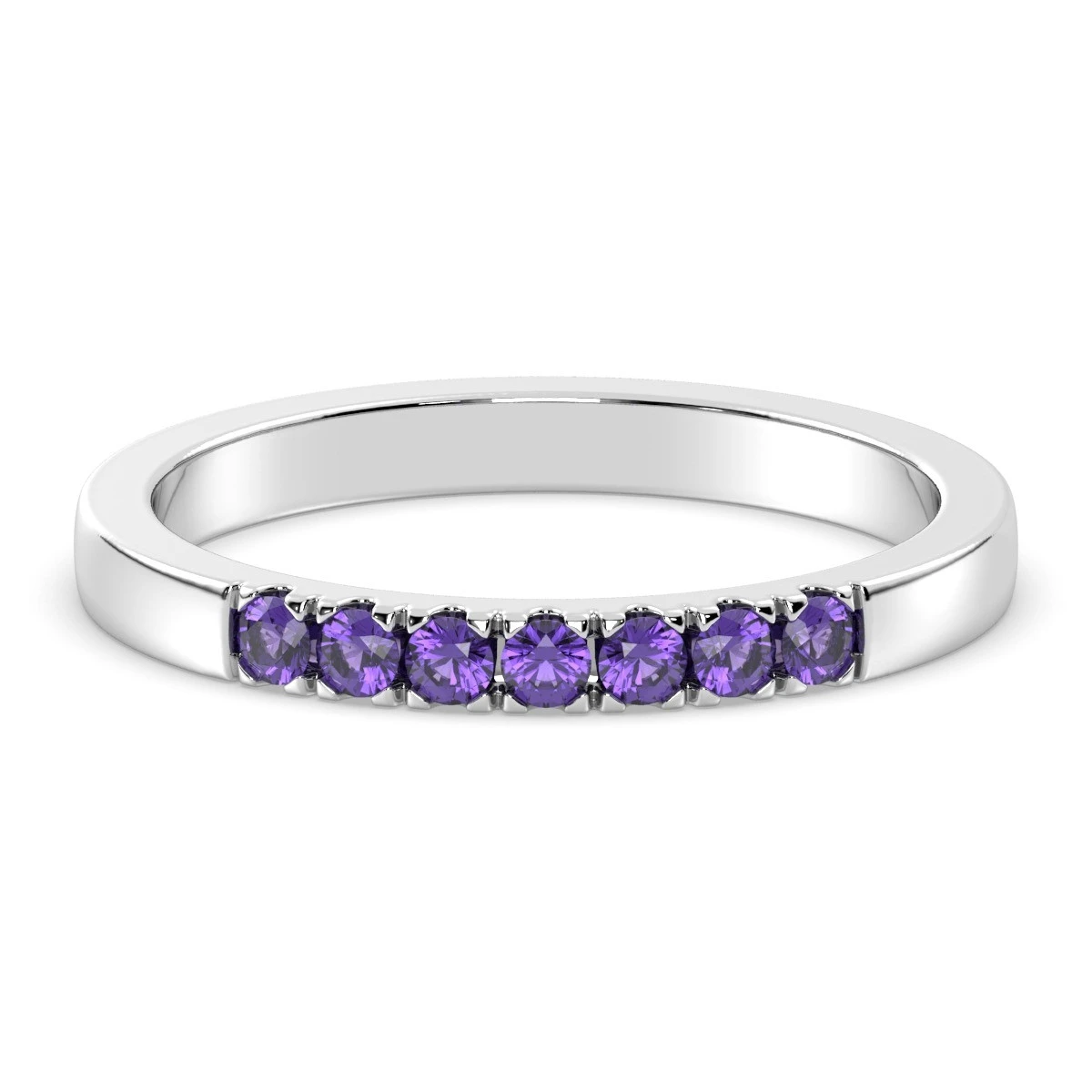
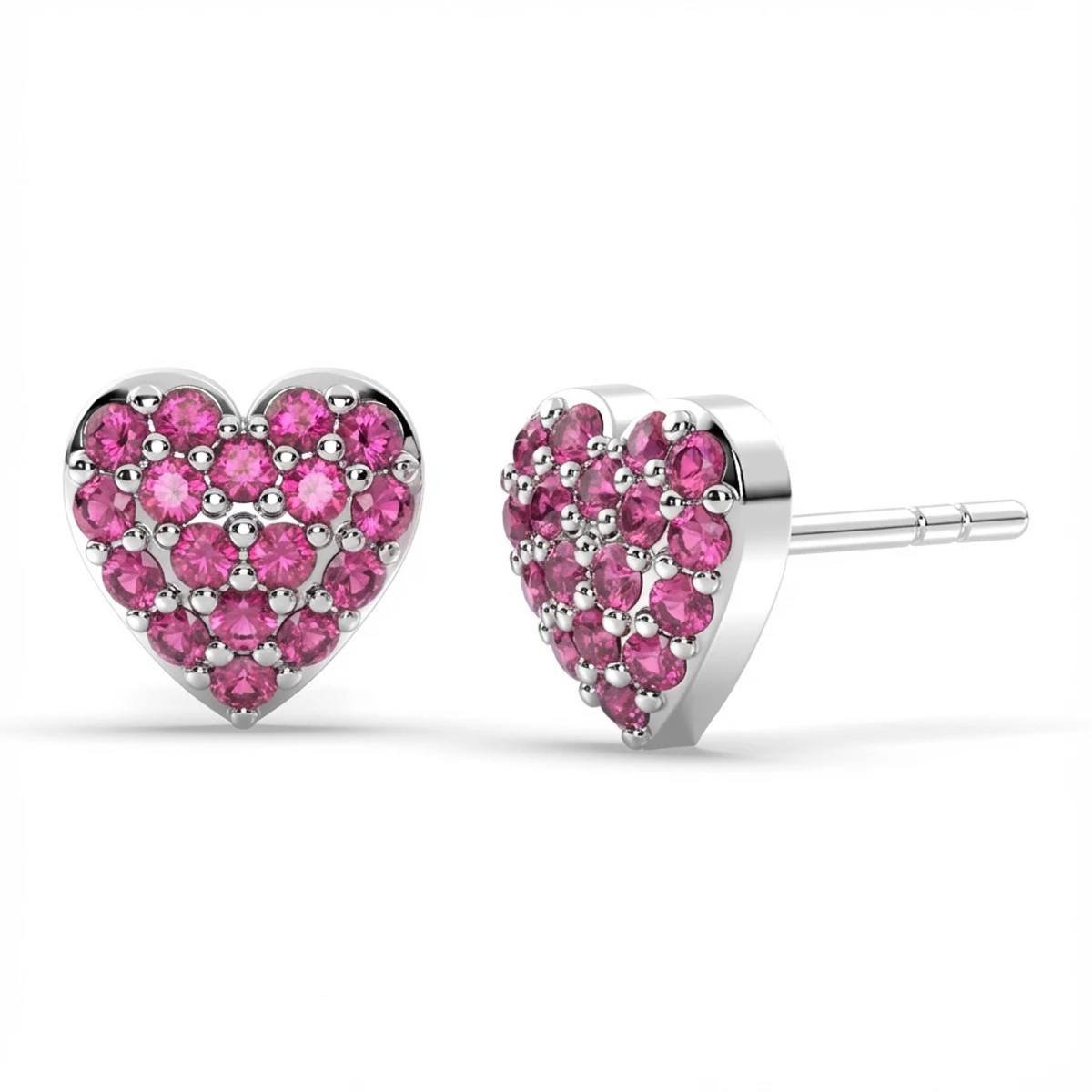
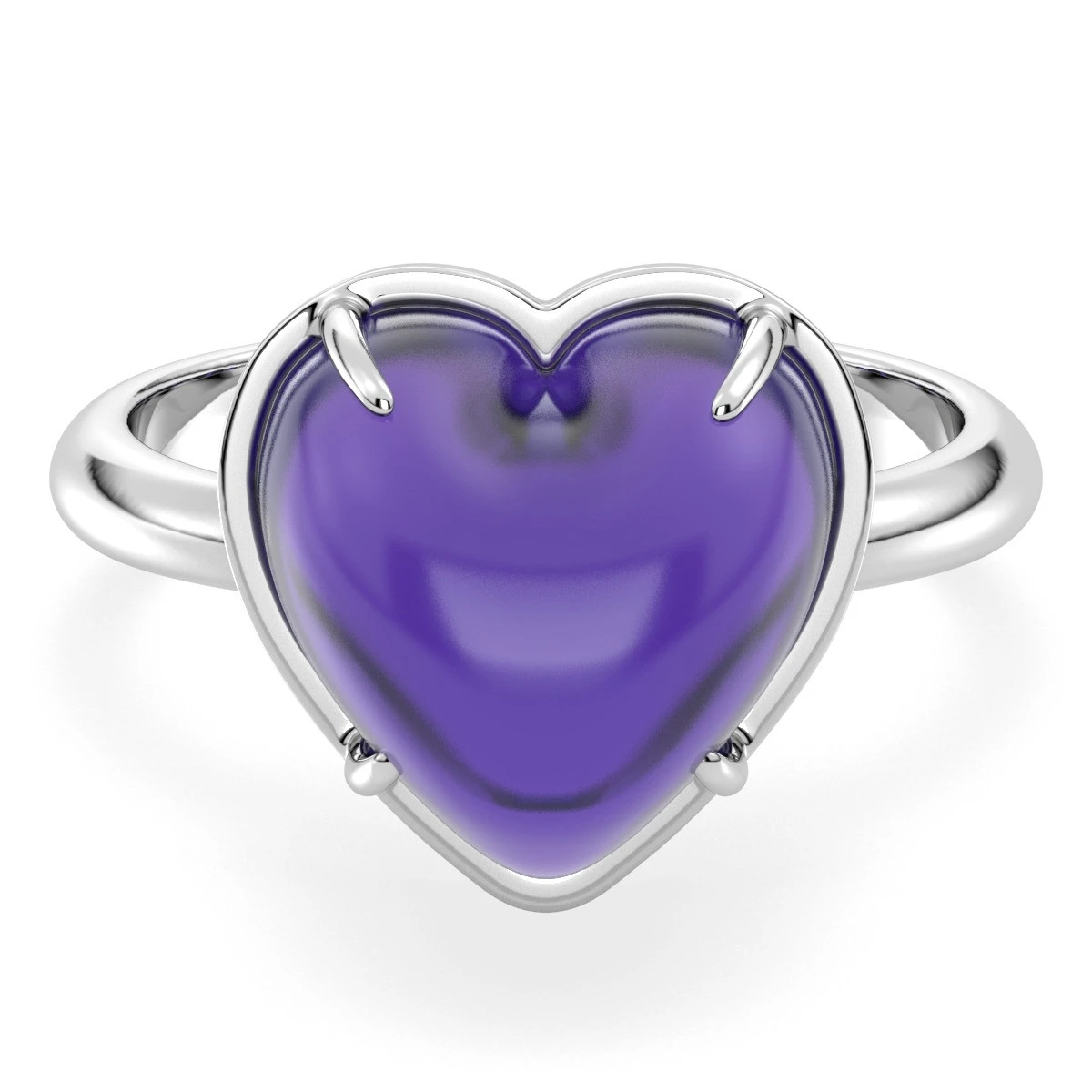
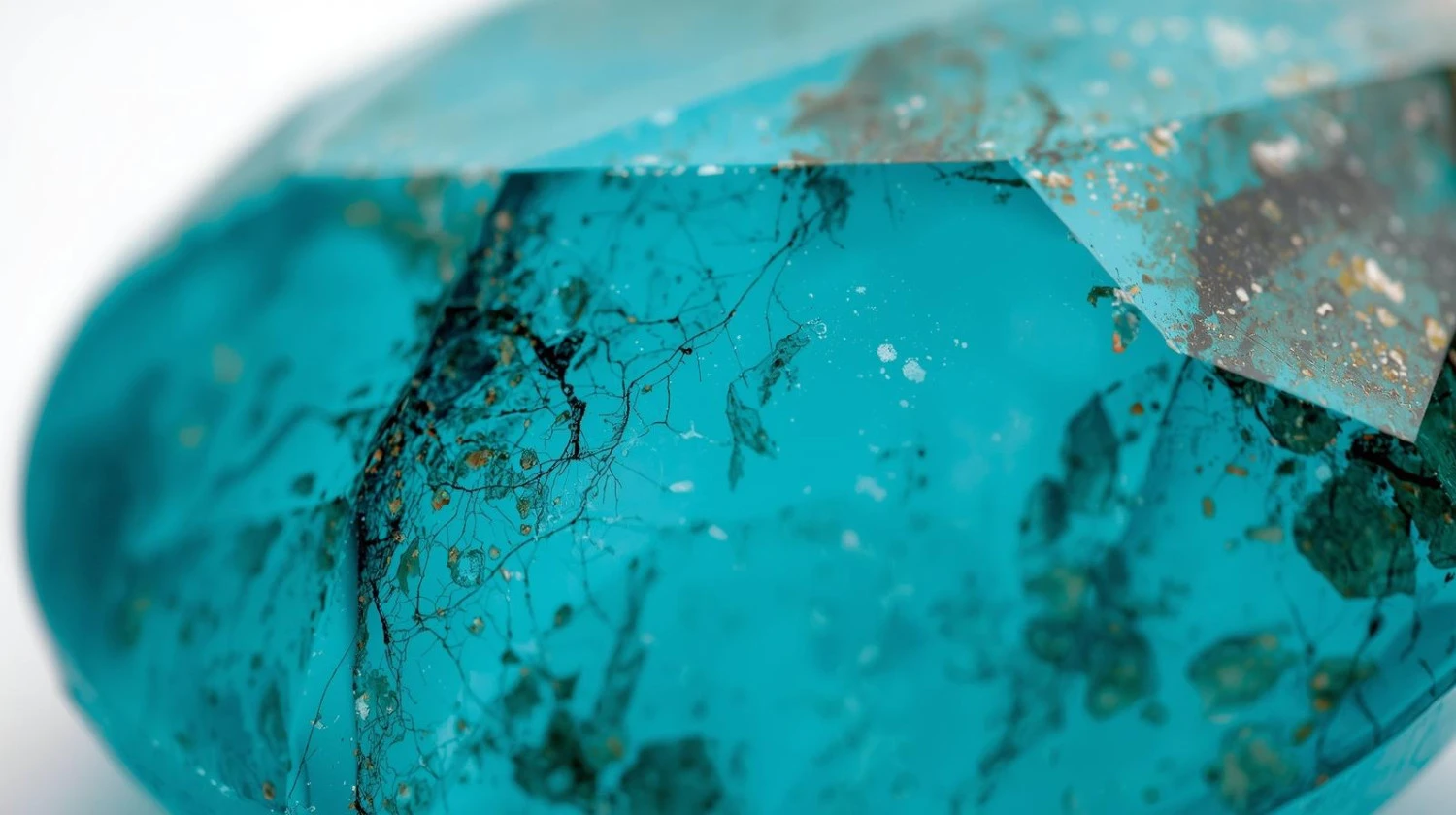
Gemstones are treasured for their beauty, rarity, and durability. Whether it's a turquoise gemstone, a larimar engagement ring, or a sapphire and turquoise combination, each stone has unique properties affecting its longevity. Understanding how different gemstones age and wear over time can help you make the right choice when investing in fine jewelry.
How Durable Is the Turquoise Gemstone?
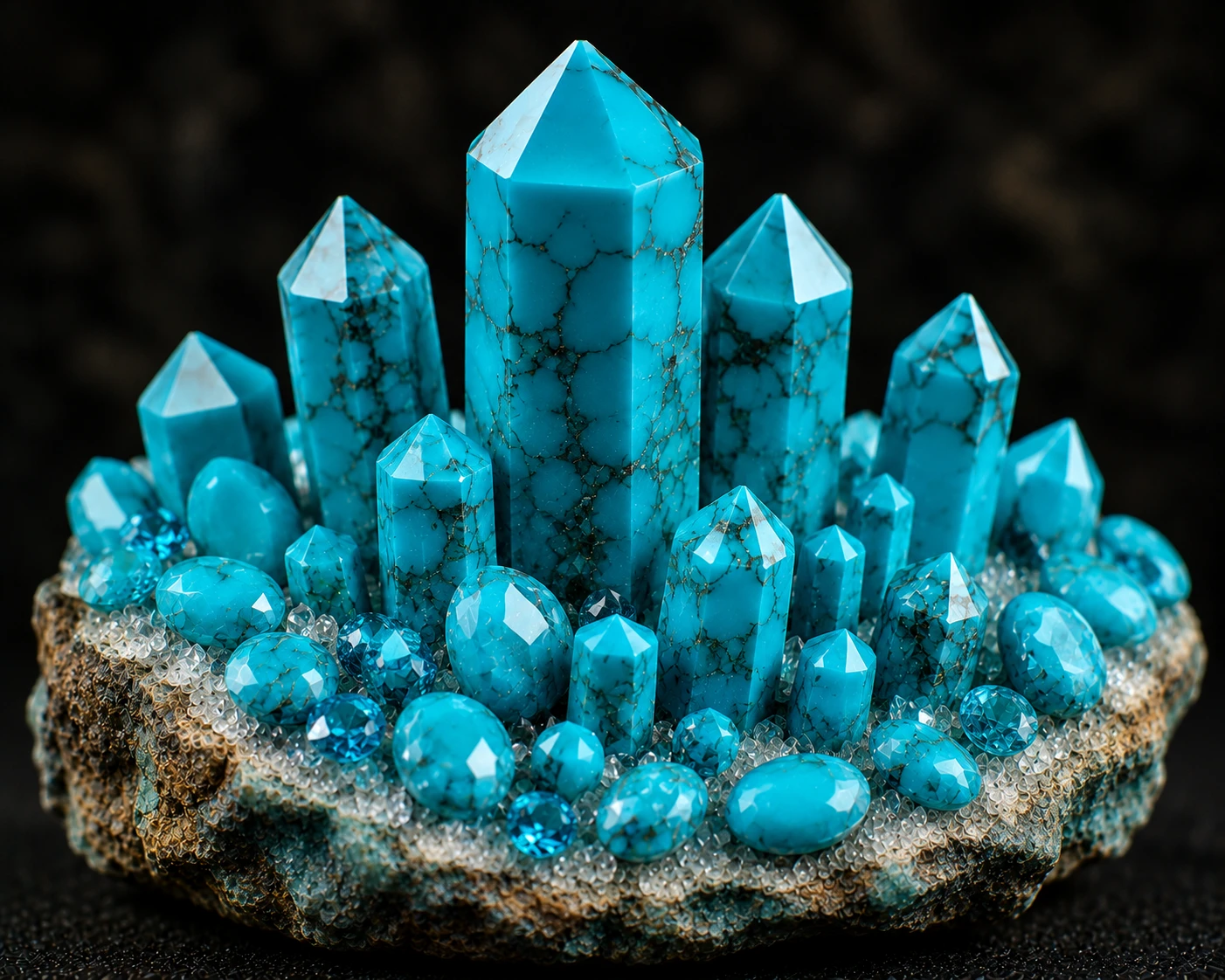
Turquoise is a striking gemstone known for its vibrant hues and smooth texture. However, compared to harder stones like sapphire, it requires careful handling. The turquoise stone benefits extend beyond aesthetics, as it is believed to promote positive energy and protection.
Below are some of the factors that explain the durability of the stone:
Hardness & Natural Structure
Ranked at 5 to 6 on a Mohs hardness scale, the natural turquoise is softer than other gemstones such as diamond and sapphire. This also hints that it can get scratched on the surface if proper handling is not done.
Longevity & Value
Even though the stone is delicate, it tends to last long, provided the right amount of care is taken. The overall appeal of turquoise jewelry lies not just in the appearance but also in the spiritual and cultural significance, hence resulting in the formation of a meaningful gemstone.
Care & Maintenance
Proper care is non-negotiable when it comes to turquoise, as this helps in preserving the turquoise stone jewelry in the long run. When it comes to storage, a mindful approach includes storing it in a soft pouch.
Susceptibility to Damage
Since the stone is relatively soft, it tends to crack or lose its polish if it is prolonged exposure to extreme temperatures and chemicals such as lotions and perfumes. This may lead to its fading and discoloration.
Comparing Gold Turquoise vs. Other Gemstones
The combination of gold and turquoise enhances the stone’s durability, making it more resistant to daily wear. But how does it compare to other popular gemstones?
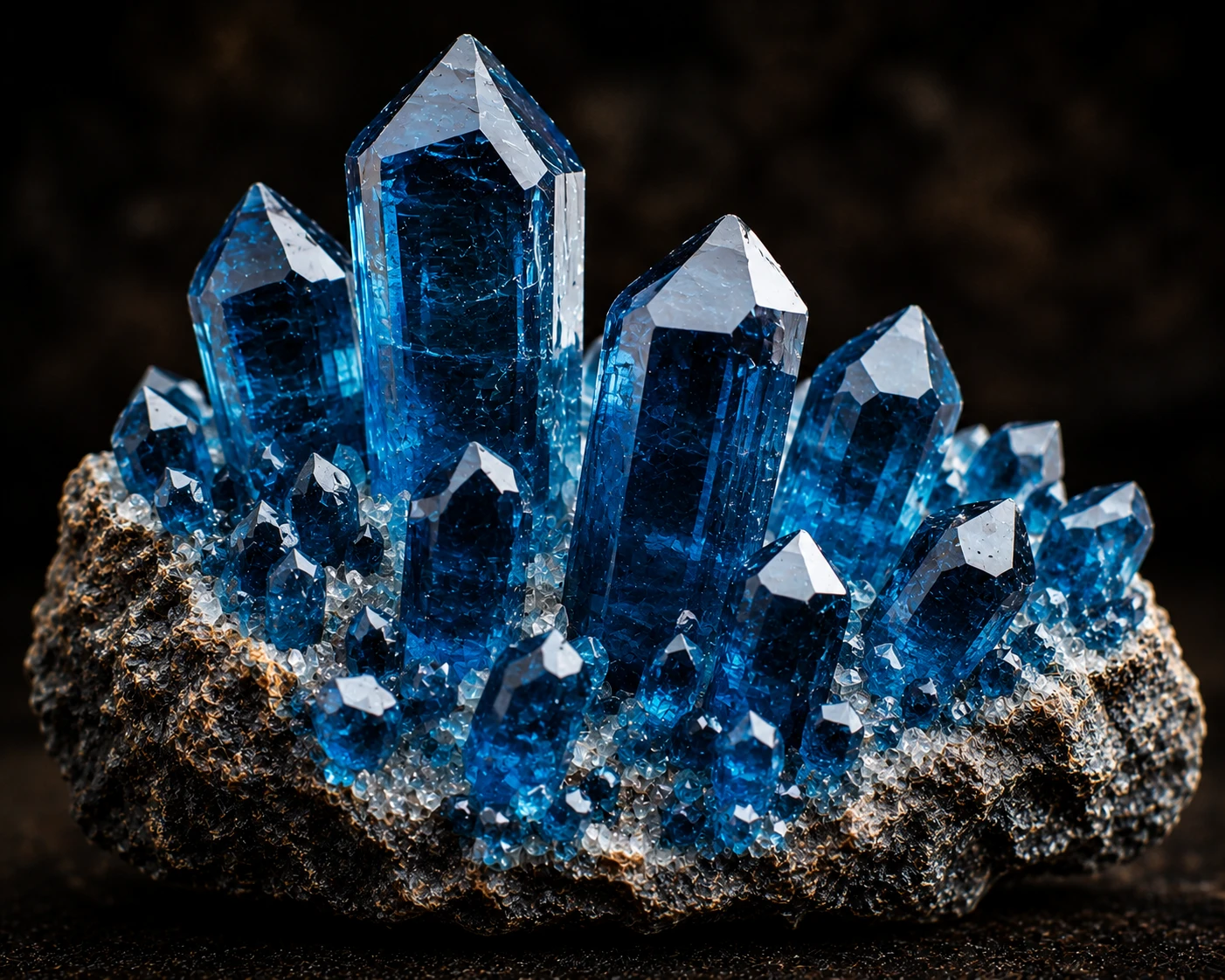
Sapphire: Known for its exceptional hardness, turquoise sapphire jewelry is highly resistant to scratches and damage.
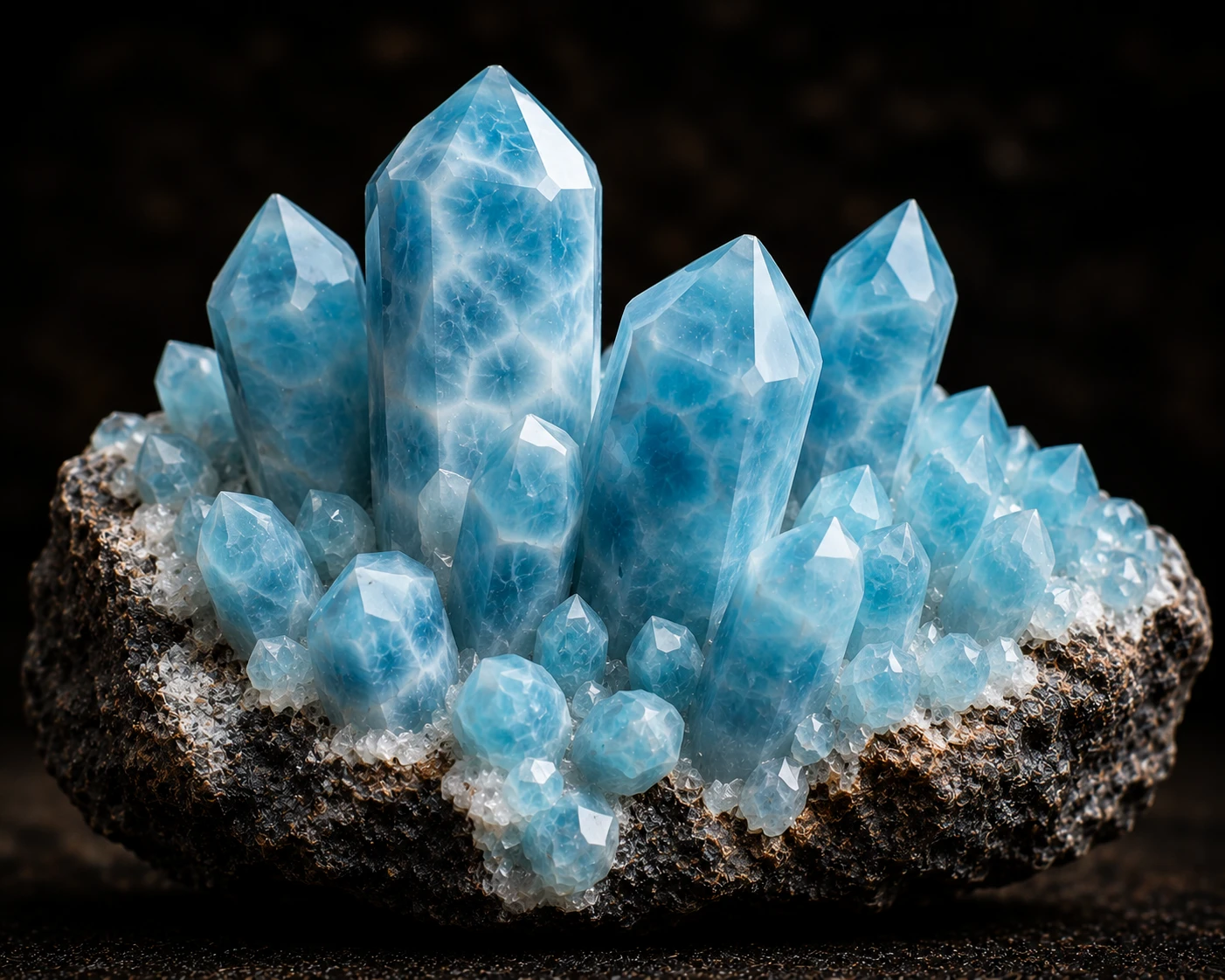
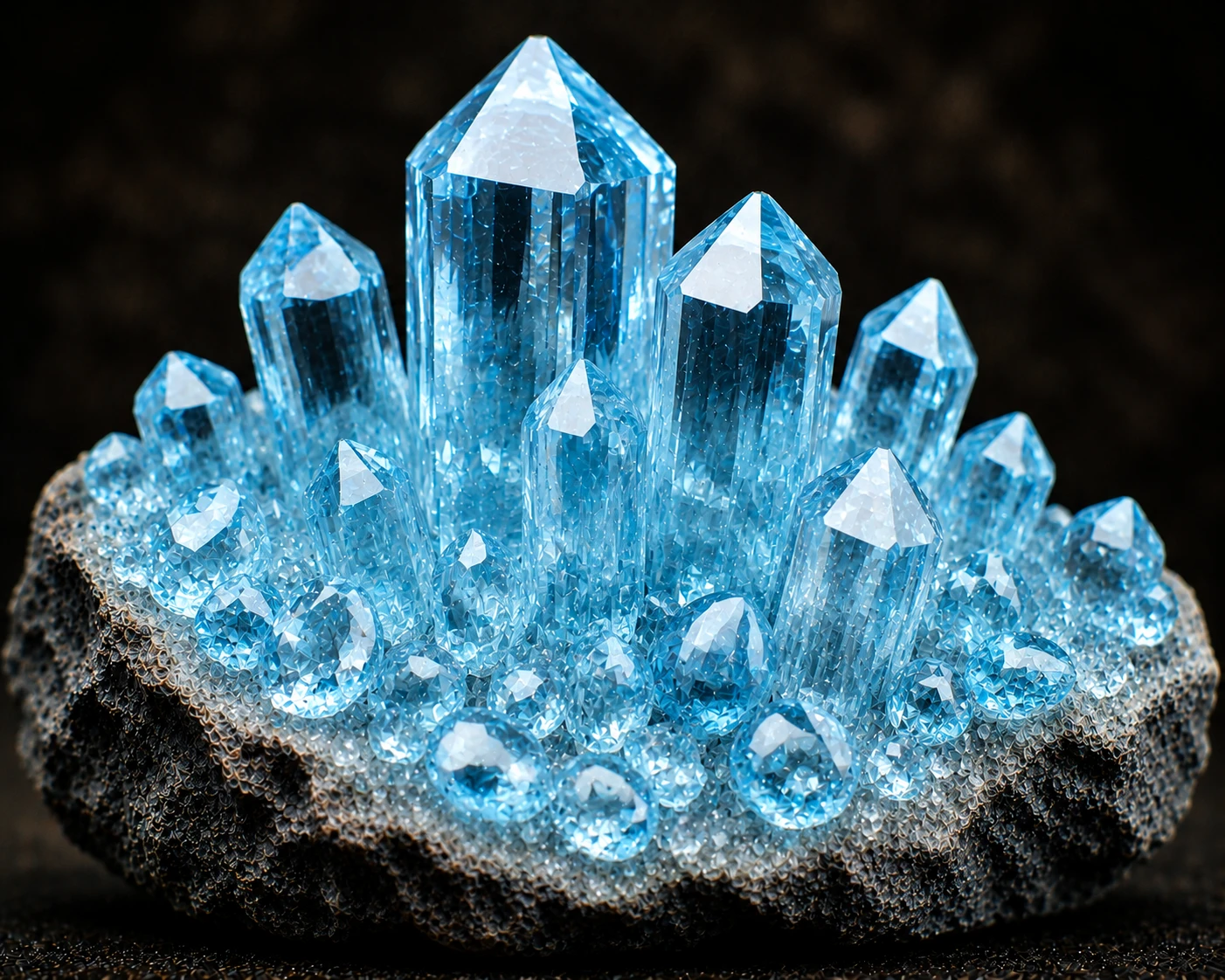
Larimar: This ocean-blue gemstone is softer than turquoise, requiring gentle care. Larimar rings for women and larimar engagement rings are best suited for occasional wear.
Tektite & Meteorite Stones: These space-born minerals, such as Tibetan tektite, have a unique composition. The Tibetan tektite metaphysical properties make them popular for spiritual use, but they can be fragile.
Where Is Turquoise Found?
Turquoise is mined worldwide, with notable deposits in the U.S., Iran, China, and Tibet. Sleeping Beauty turquoise stone from Arizona is particularly sought after for its rich blue hue and longevity. Other varieties, like royston turquoise cabochons, offer a unique greenish tone.
Other than these regions, turquoise gemstones are also sourced from places such as the Sinai Peninsula of Egypt or certain parts of Central Asia. The stone has been mined for thousands of years in these regions. The beauty of these regions is that every source produces unique patterns of turquoise. As a result, no two turquoises are identical in any manner.
The Lifespan of Popular Gemstones
The longevity of gemstones depends on hardness, environmental exposure, and maintenance. Here’s how some popular gemstones compare:
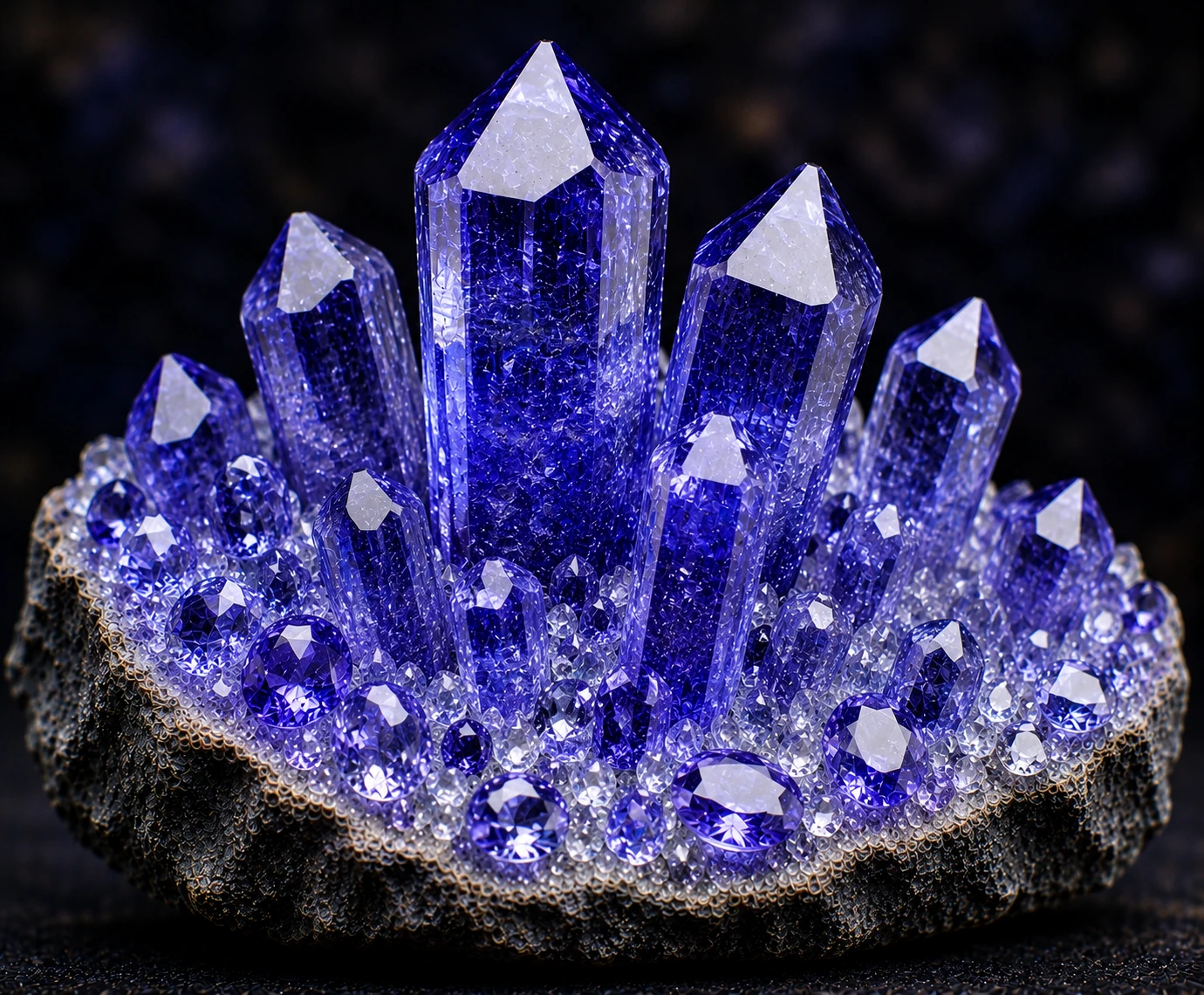
Sapphire and Turquoise: Sapphire ranks 9 on the Mohs scale, making it one of the hardest gemstones. Turquoise and sapphire pieces combine durability with beauty.
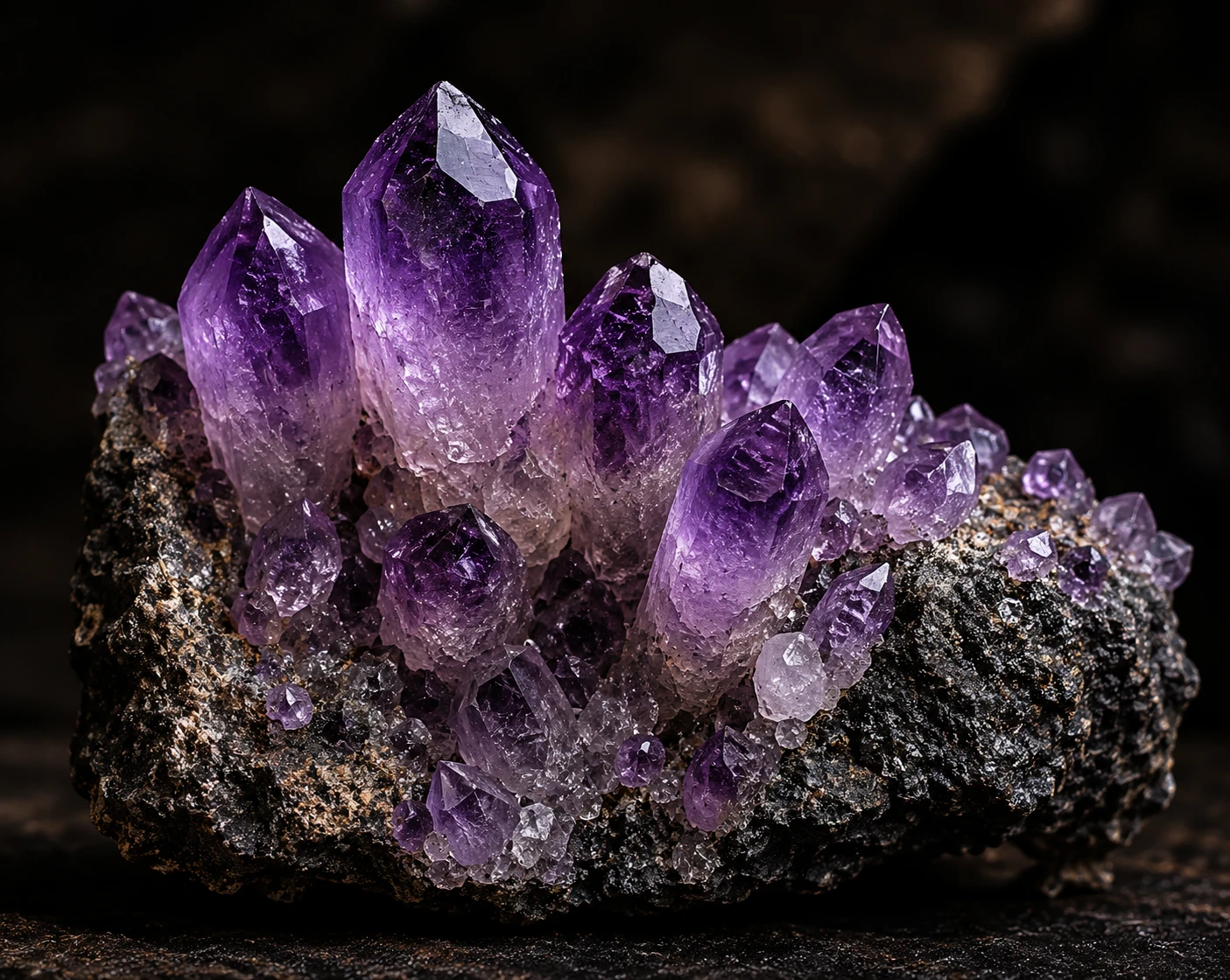
Turquoise and Amethyst Rings: While a turquoise and amethyst ring is stunning, amethyst is also relatively soft, making it prone to surface damage.
Natural Turquoise Rings vs. Stabilized Turquoise: A natural turquoise ring is more delicate than stabilized varieties. Buy real turquoise that has been treated for extra protection to ensure long-term wear.
How to Preserve the Life of Your Gemstones
Whether you own natural turquoise rings, larimar mermaid jewelry, or marahlago larimar pieces, proper care is essential:
Avoid Harsh Chemicals: Harsh chemicals such as perfumes, lotions, and household cleaners can damage gemstones. This is because such substances will react with the surface of the stone and can rip off all the shine and brightness.
Store Properly: A practical approach is to keep the jewelry in the soft pouch in order to prevent any kind of scratch. It is recommended to store pieces separately, as it avoids friction between multiple stones in storage.
Clean Gently: Using a damp cloth and a mild soap for cleaning certainly will do the job, as it's gentle and isn’t rough. Since turquoise is a softer stone, this procedure helps in preserving the shine of the stone.
Limit Sun Exposure: Prolonged exposure can fade colors, especially for turquoise stone jewelry. When it comes in contact with heat and sunlight, it adversely affects the texture of the stone.
Final Thoughts
Choosing the right turquoise gemstone involves considering both beauty and durability. While gold and turquoise offer a timeless appeal, harder stones like sapphire have superior longevity. Whether you're investing in a turquoise diamond, a larimar wedding ring, or exploring the meteorite gemstone list, understanding gemstone lifespan ensures your jewelry remains stunning for years to come.
Whether you're drawn to turquoise, sapphire, or the celestial origins of meteorite gemstones, BAUTLR has an exclusive collection of jewelry for every occasion that you will love. To explore more, visit BAUTLR today!