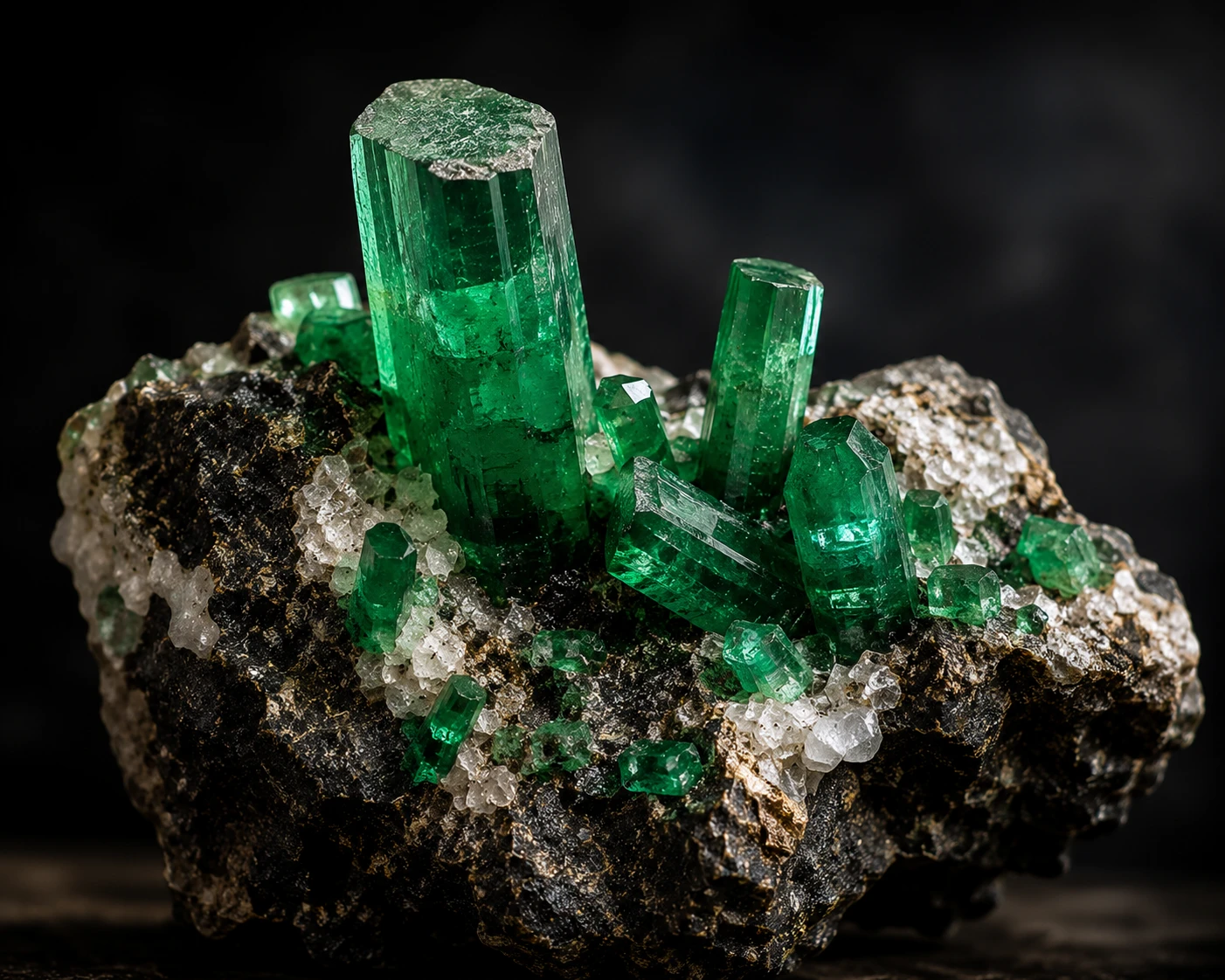
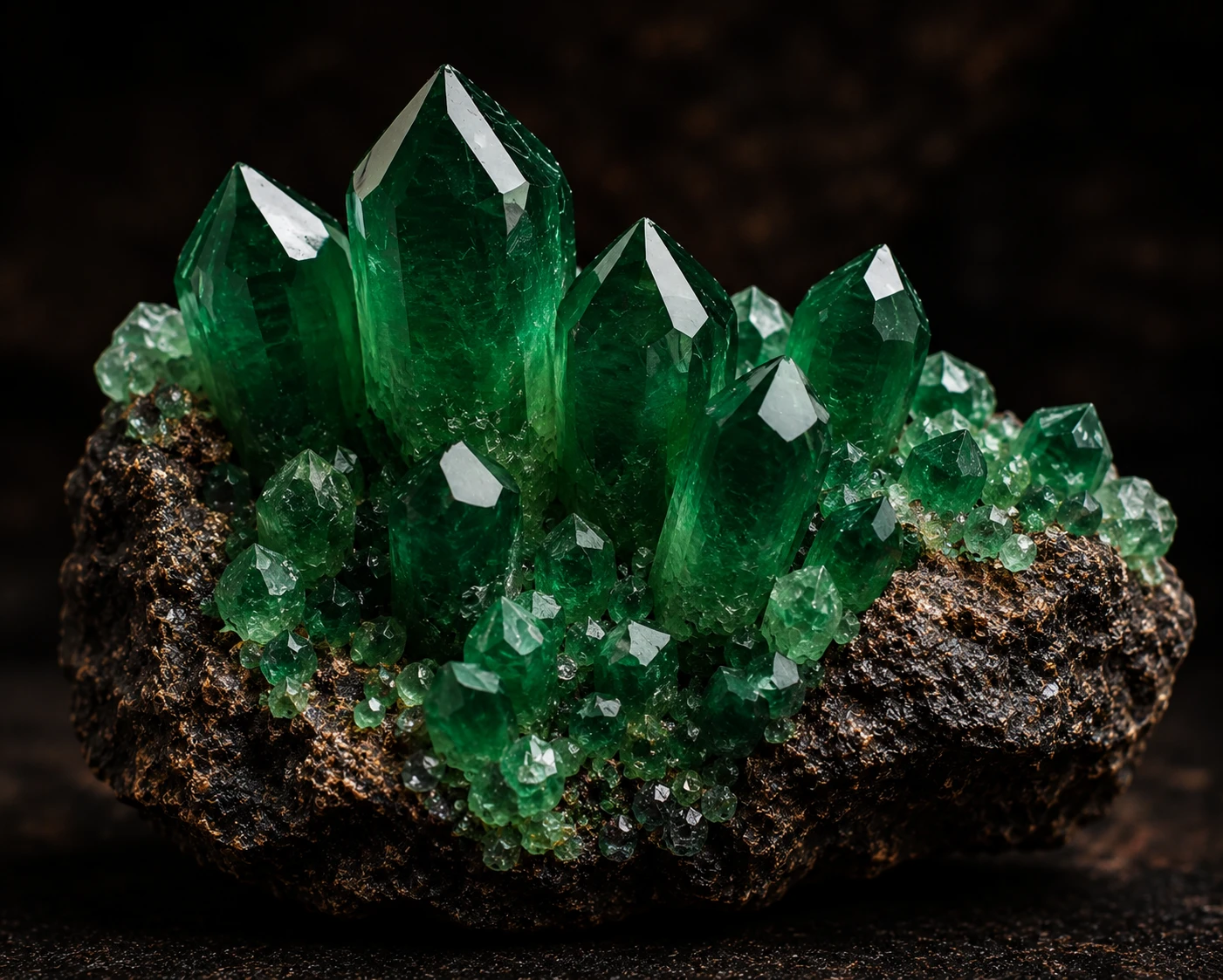
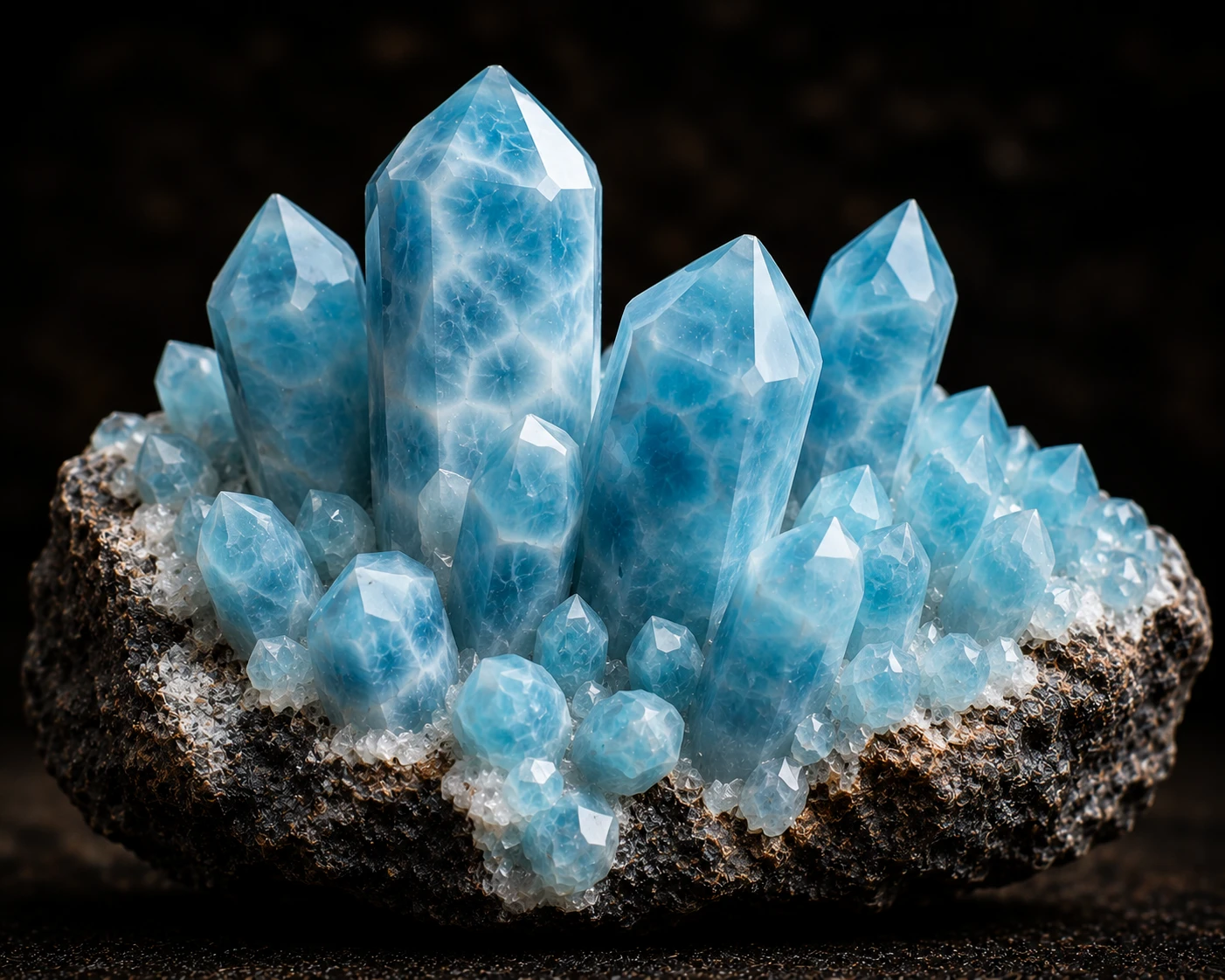
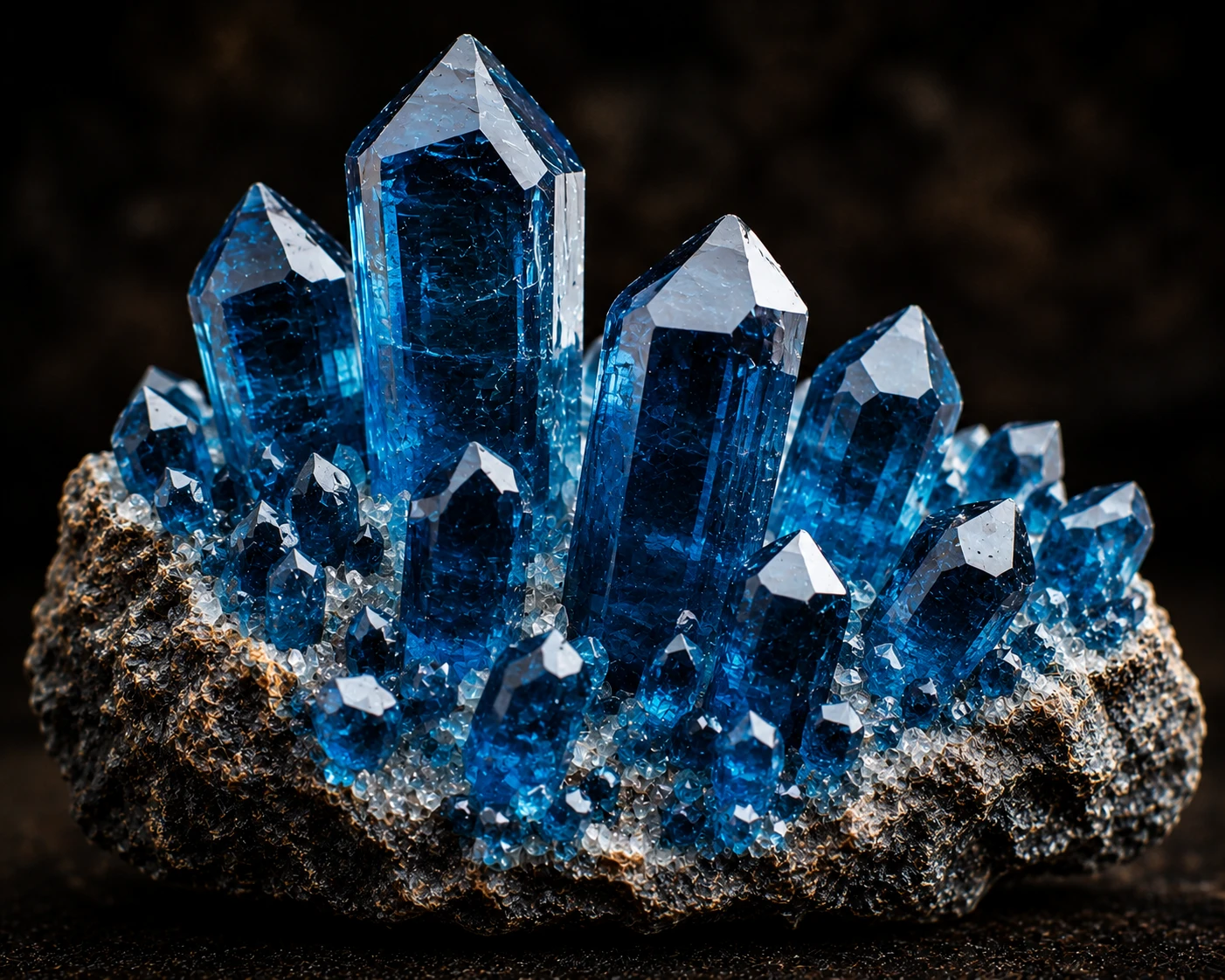
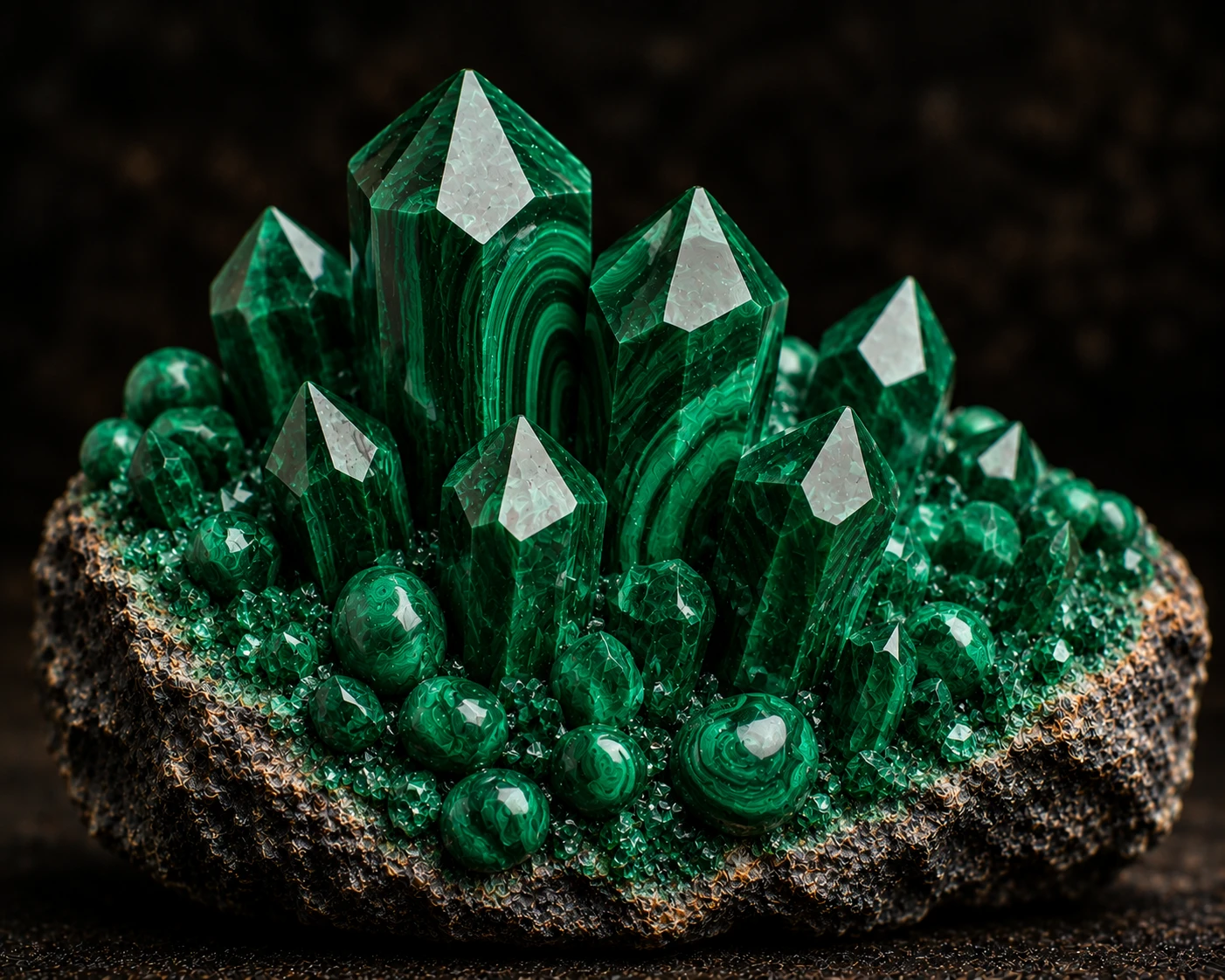
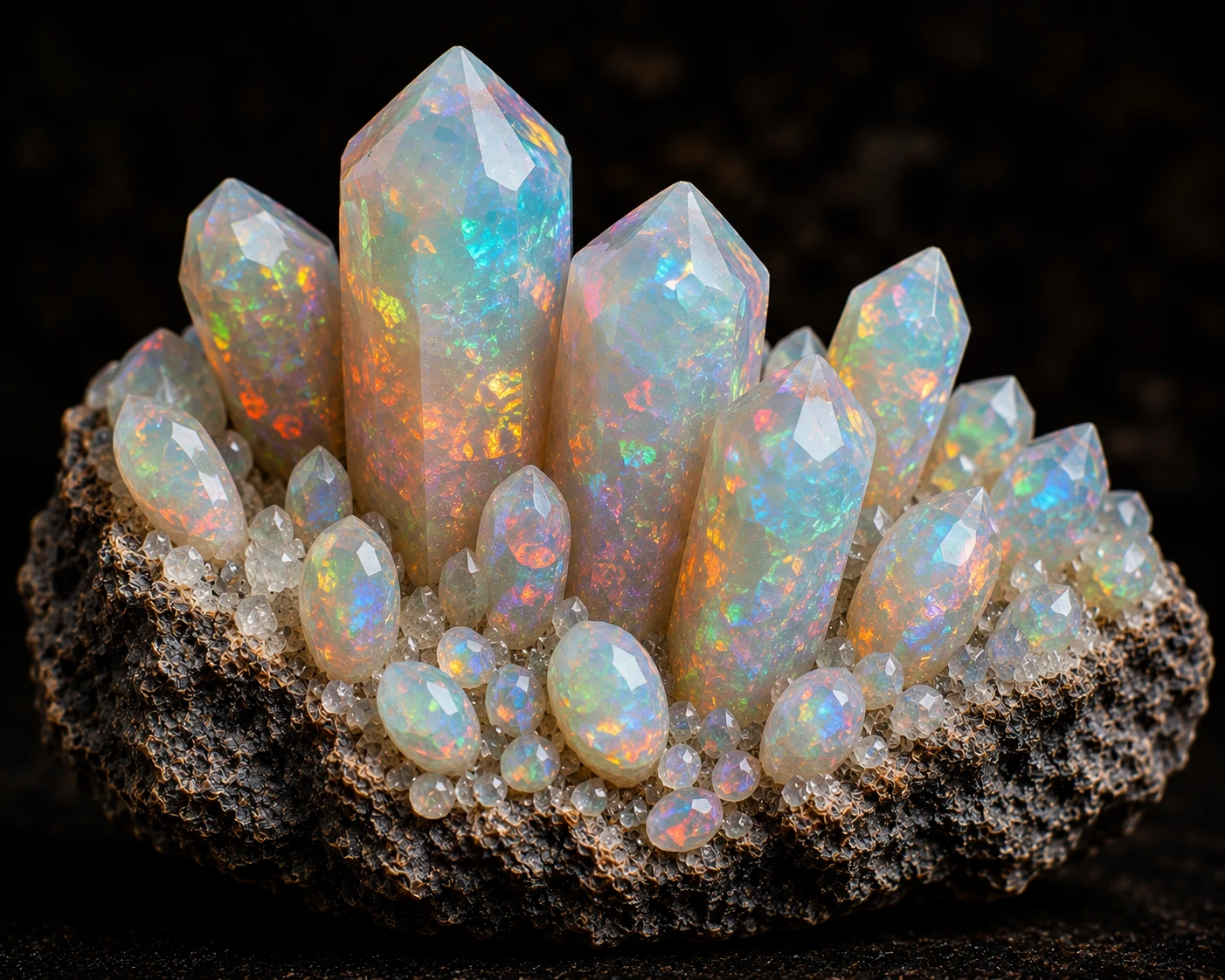
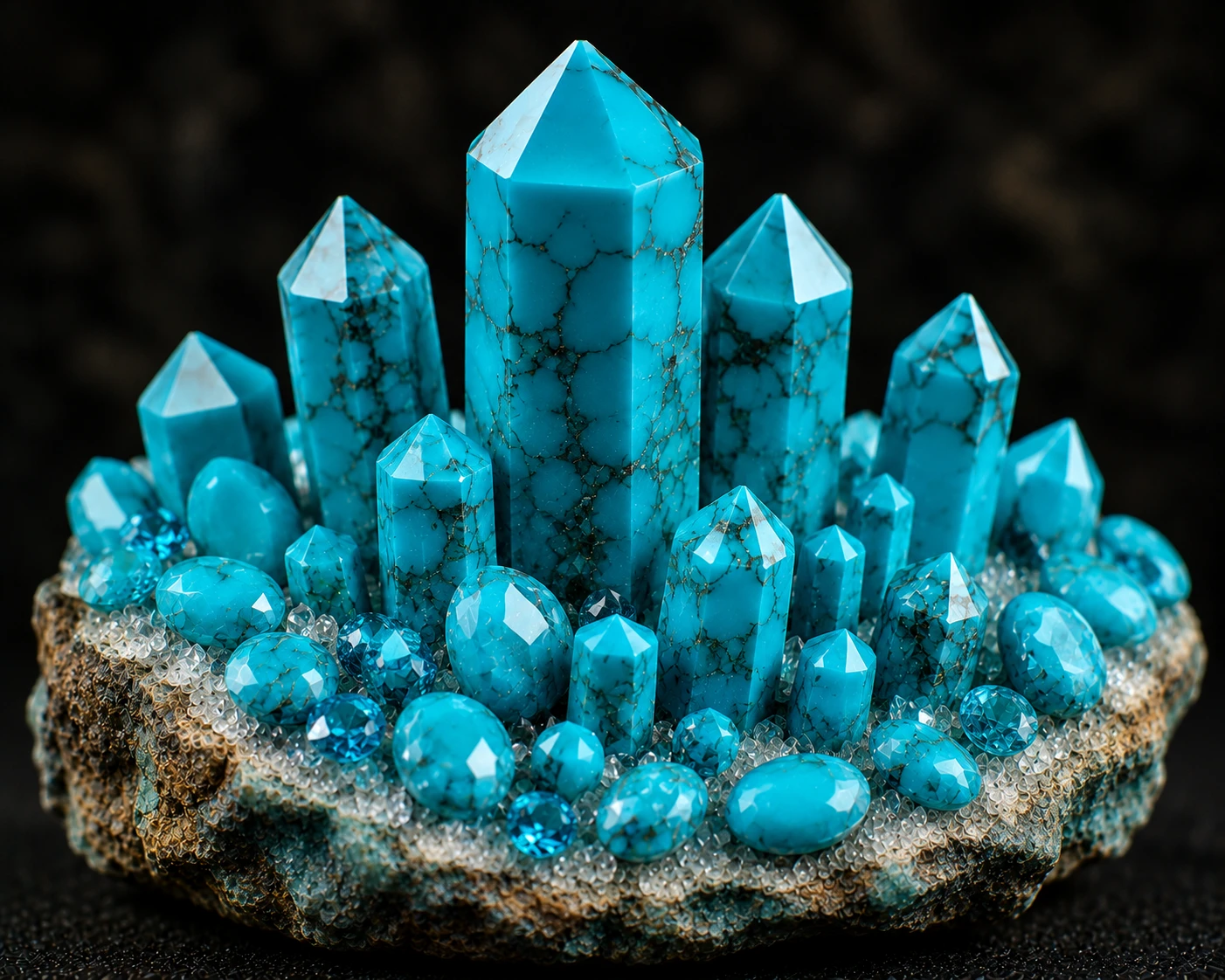

Turquoise gemstones have been quite famous for the natural process that leads to their formation. Often formed through mineral-rich water interaction with rocks, turquoise formation gives it a final and polished look. This hence creates a great demand in the jewelry market. In this guide, learn about the mysterious process that the stone often undergoes to get its finishing look.
The Formation of Turquoise
Turquoise often forms through the slow and steady geological process, and to get the final turquoise stone, it may take hundreds and millions of years. As a result, each stone is uniquely formed. Some of the factors that help in the formation of turquoise are the following:
Minerals’ Role
Minerals like copper, aluminum, and phosphorus play a vital role in the turquoise formation. Copper renders a blue tone to the stone, whereas the iron gives the greenish hues. With the right balance between these two minerals, the final appearance of the turquoise is rendered.
Geological Process
The color variations of turquoise are significantly influenced by the environment, some of which are host rock, water composition, and level of oxidation. All of this has a fair share of contribution when it comes to the final color of the turquoise stone. As a result, the stone gets a unique charm and value.
Chemical Composition
Turquoise is a kind of hydrated phosphate mineral with a mineral composition of copper and aluminum. The stone absorbs water because of the chemical structure it has. Besides this, it also makes the stone slightly soft and porous too. In a nutshell, the chemical composition of turquoise leads to the beauty of the stone.
Where Is Turquoise Found?
When it comes to the specific regions where turquoise is usually found, few of them are mentioned below:
Copper-Rich Regions: The natural turquoise gemstone is usually formed in the areas that are rich in copper deposits. Here, the mineral-rich water tends to react with the rocks, thereby leading to the formation of the turquoise.
Major Global Sources: Some of the global sources to find turquoise are Iran, Egypt, China, and the United States. Here each of the regions produces a kind of turquoise with unique colors and patterns embedded in the stone.
Key Mining States in the US: When it comes to the United States, the stone is often found in Nevada, New Mexico, and Arizona. Such regions have been known for producing some of the finest turquoise.
White Buffalo Turquoise: A rare kind of turquoise known as White Buffalo Turquoise is mainly found in Nevada. It generally is unique and is apart from the crowd for its white color and dark veining.
How Is Turquoise Mined and Refined?
The process of how natural real turquoise is mined involves careful extraction from host rocks. Below are the processes involved in turquoise mining and refining:
Careful extraction from rocks: Turquoise is carefully extracted from the mines by the miners. This is done so meticulously to ensure that the stone doesn't get damaged, as the stone is relatively soft.
Hand tools and machinery: Tools such as small tools and light machinery are often used for the extraction process. Here, hand tools are mainly used in delicate areas, whereas machine assistance helps in removing the surrounding rock.
Refinement and finishing process: After a successful extraction, the stone undergoes the process of cutting, shaping, and polishing. This gives a visual appeal to the stone, followed by a proper refinement process.
Stabilization for optimum durability: To stabilize the stones, resins are often used or any other treatments that help in increasing the hardness of the stone since it's soft. This ensures that the stone remains protected from discoloration and cracking.
Other Minerals Found with Turquoise
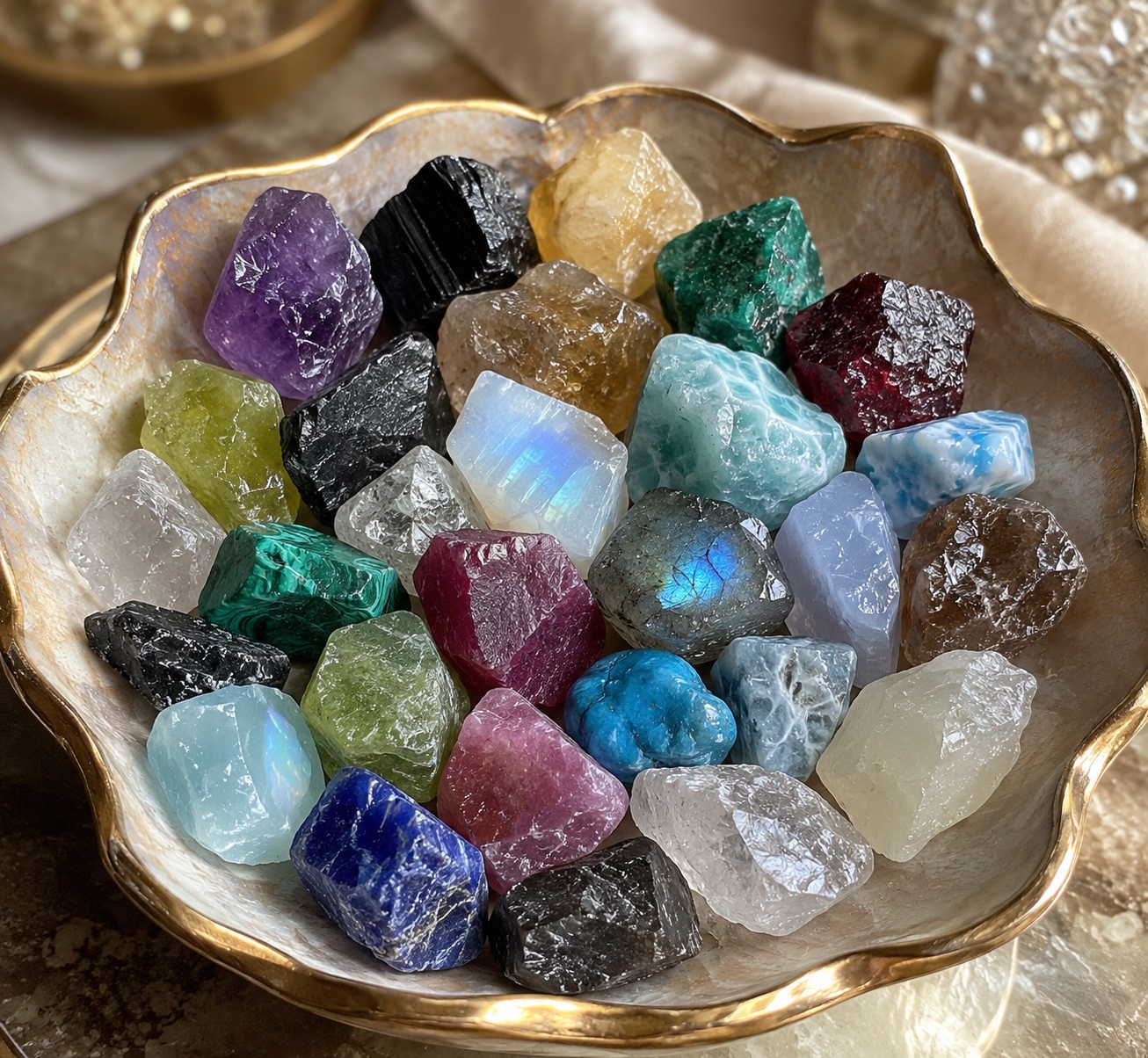
One of the fascinating aspects of the stone is that the deposit of natural turquoise is often surrounded by many other minerals. Some of the common minerals are pyrite, malachite, and quartz, where each of the stones is one of its kind and comes with its own visual appeal. The minerals tend to give an insight into the conditions under which the stone was formed.
Final Thoughts
By understanding the history behind turquoise formation, enthusiasts can truly appreciate the natural beauty of this extraordinary mineral. Whether collected, worn, or studied, turquoise remains an enduring symbol of Earth's geological wonders.
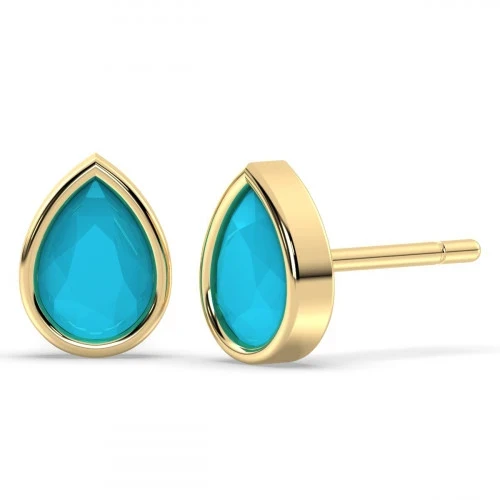
BAUTLR has a wide collection of turquoise jewelry with several base settings, like silver and gold. Visit BAUTLR today and choose your best pick.