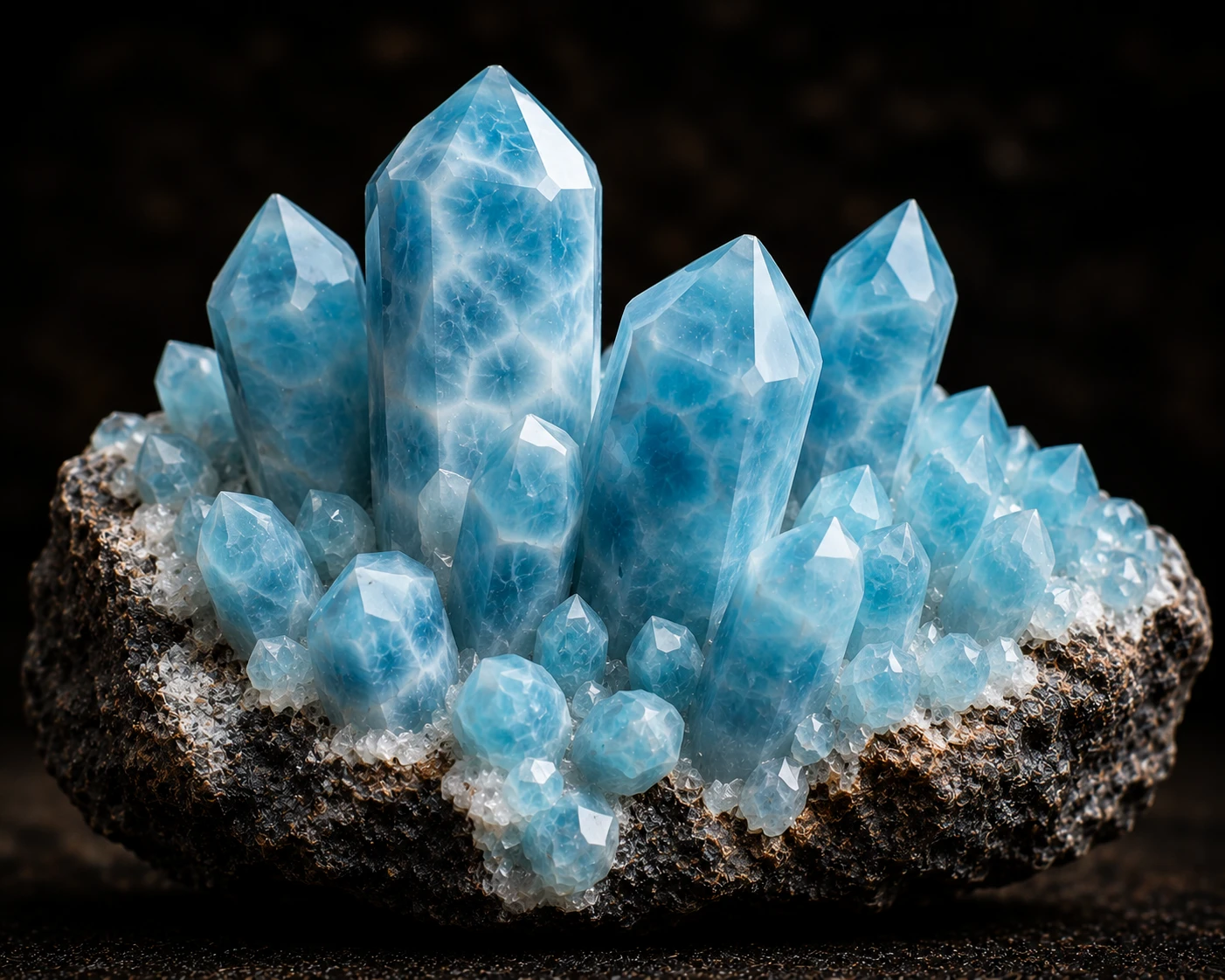
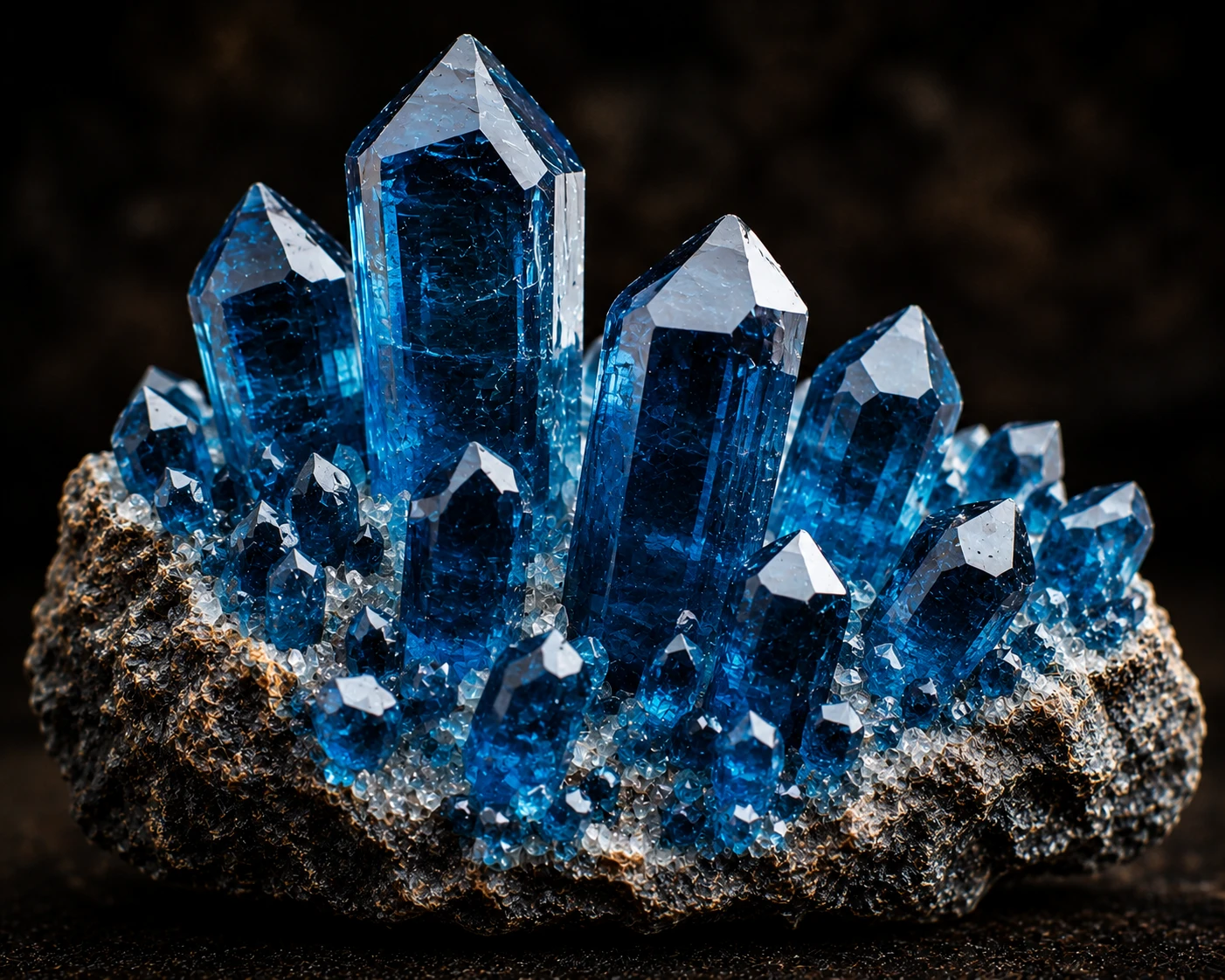
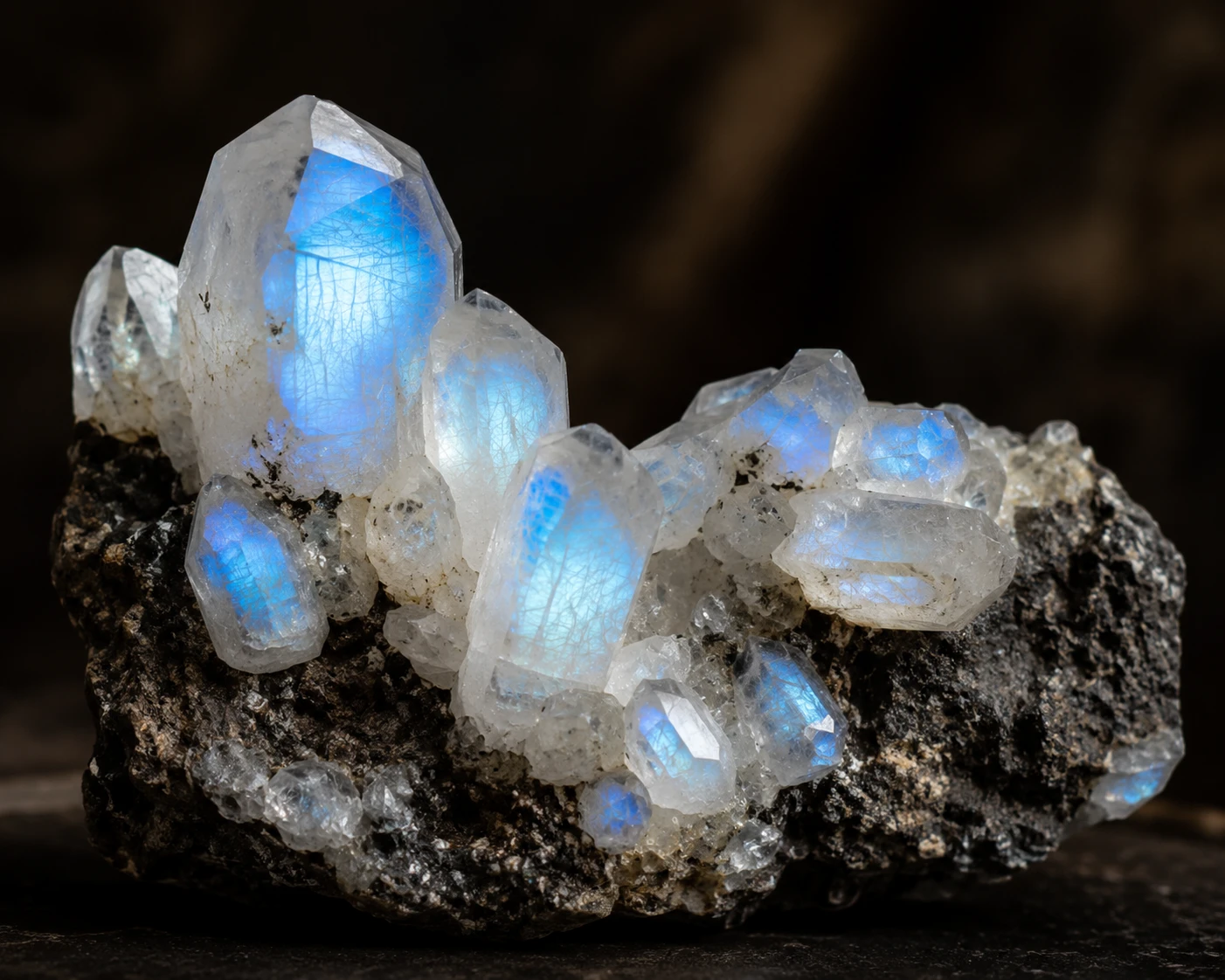
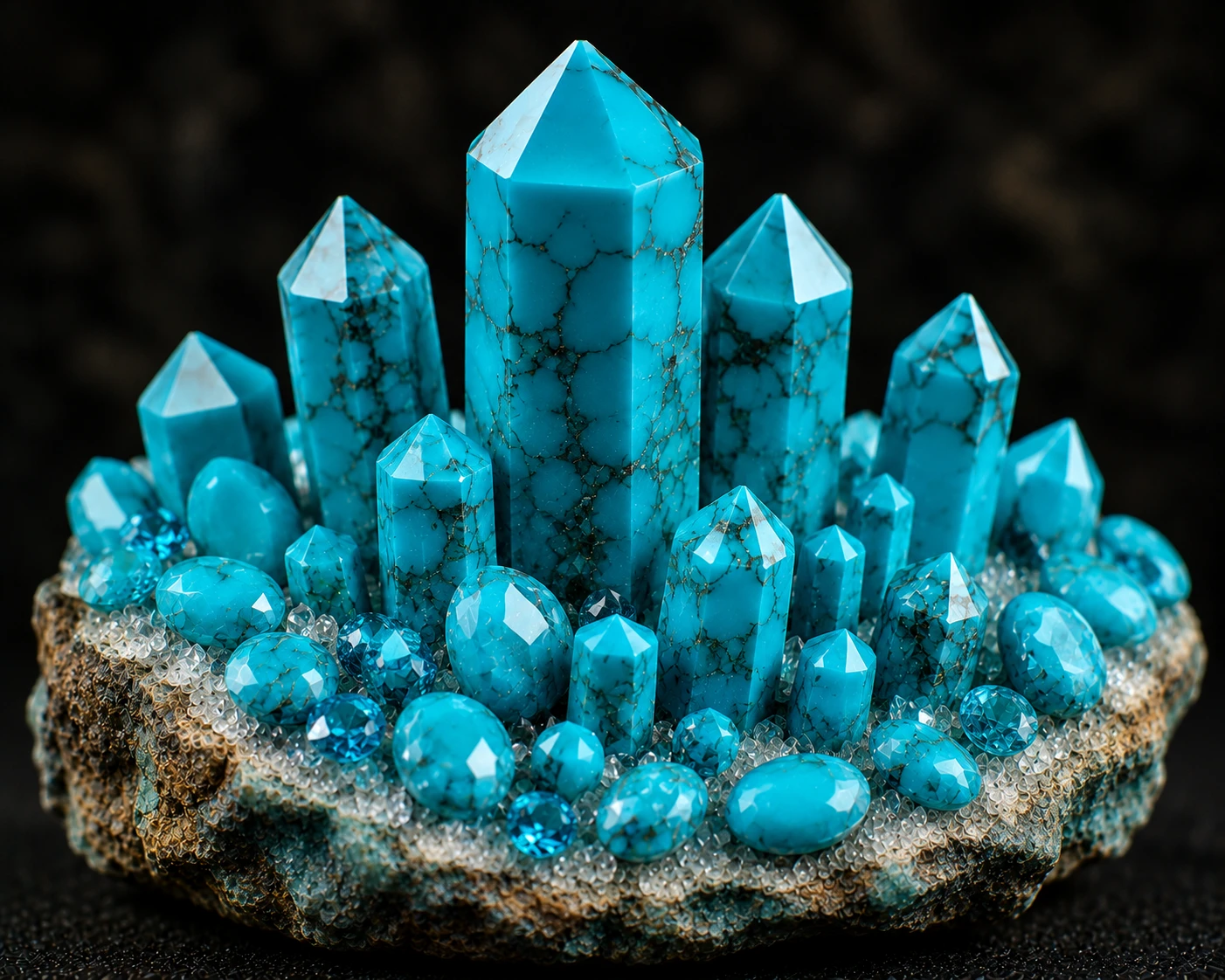

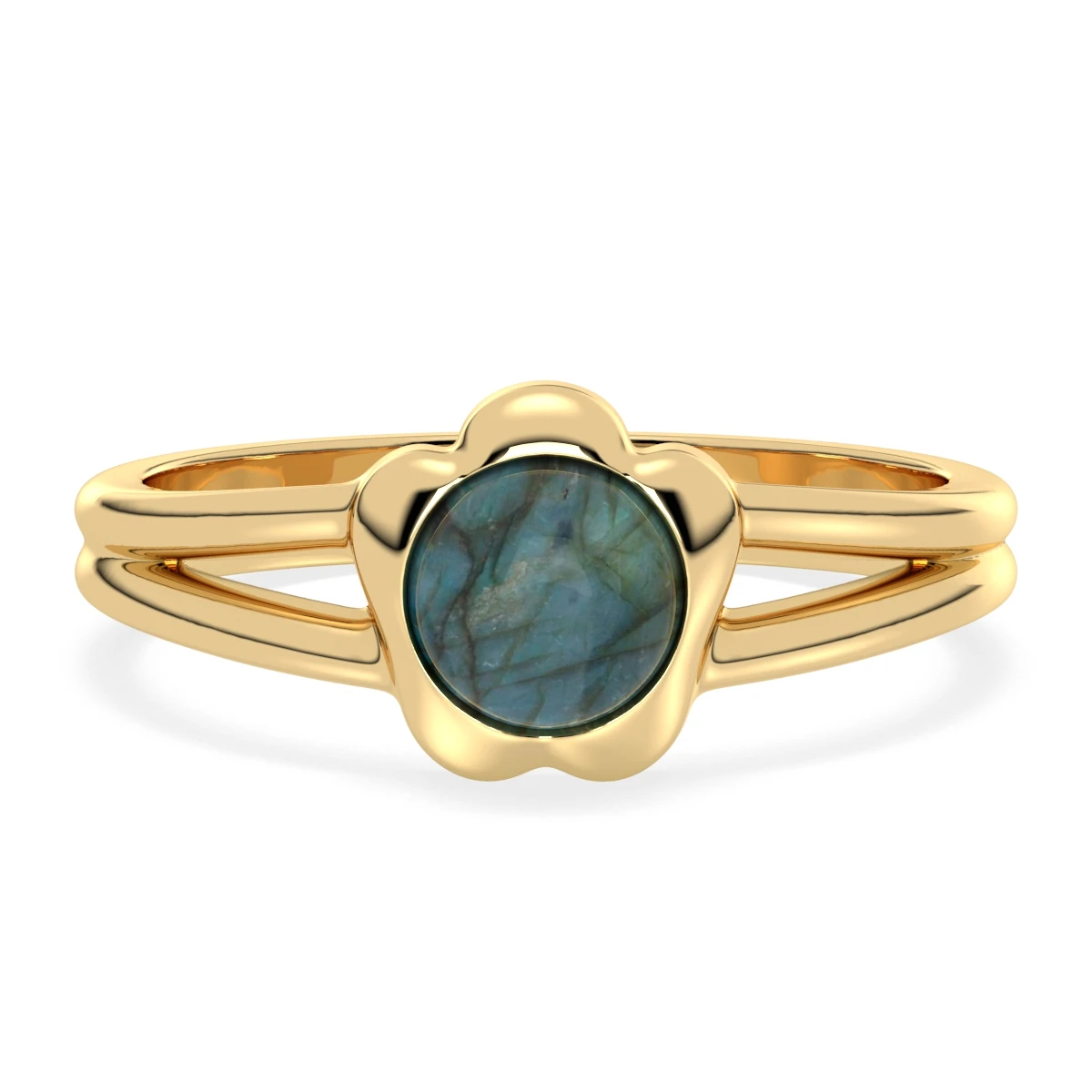
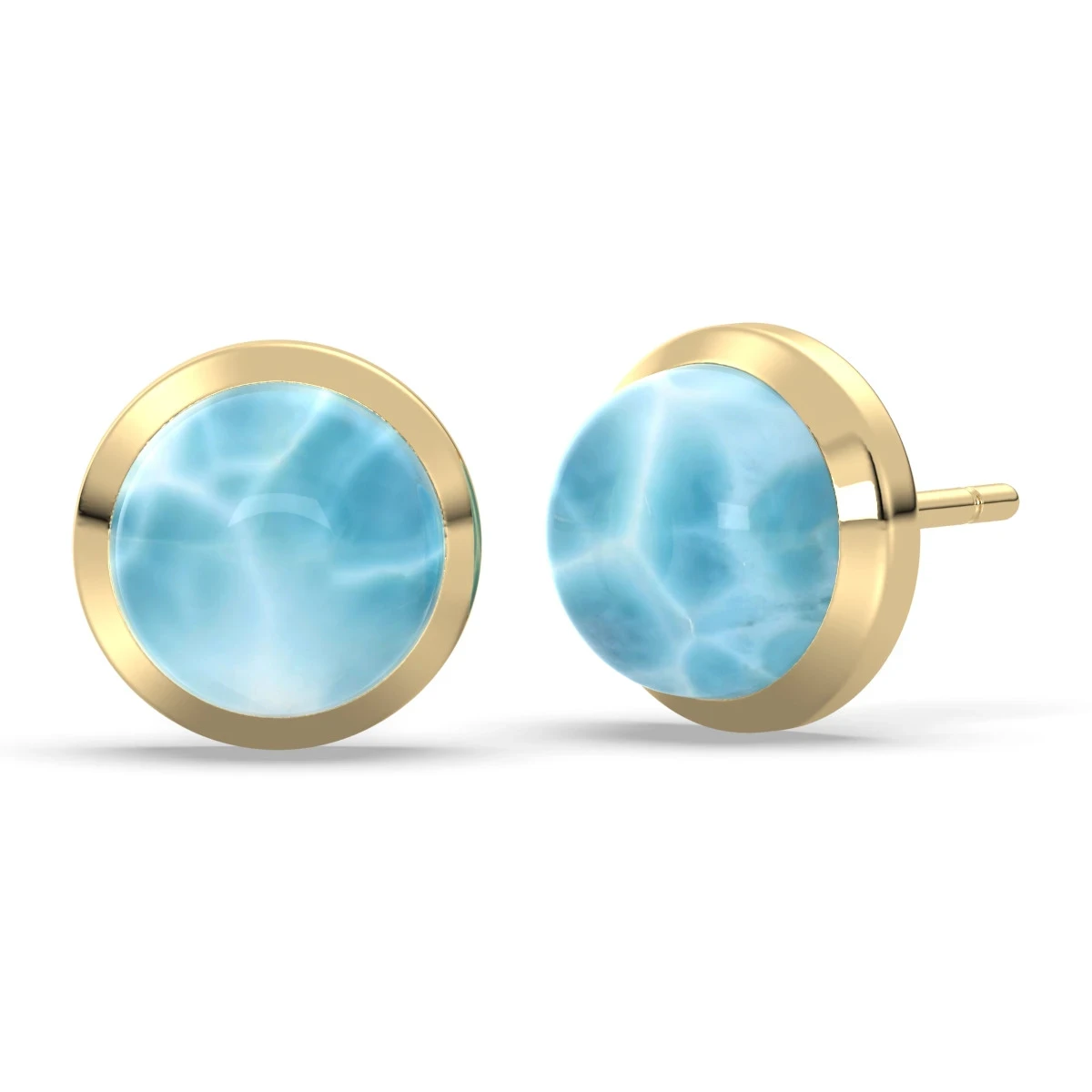
Larimar is a rare blue variety of pectolite found exclusively in the Dominican Republic. Its color resembles tropical waters, which adds to its appeal. Since its discovery in 1974, this gemstone has gained popularity among collectors and jewelry designers.
However, beyond its aesthetic charm, many investors have started asking, "Is Larimar a good investment?” or “Is Larimar expensive?” This question deserves a closer look based on current market conditions, expert analysis, and the gemstone’s rarity.
The Origin and Rarity of Larimar
Larimar, often described when people ask what is larimar gemstone, was first discovered in the Barahona province of the Dominican Republic. It remains the only known source of this gemstone. Larimar forms in cavities within basaltic lava, which means extraction is complex.
When it comes to mining, the conditions are not favorable, and production levels fluctuate depending on weather, equipment, and political conditions. These limitations directly influence the rarity and value of Larimar in the global market. The gemstone's limited geographic availability ensures that no other source can replace or supplement it.
Larimar’s Unique Market Position
The market position of Larimar is often identified by the following criteria:
Ocean-Blue Color
Larimar, with its ocean-blue hue and white marbling, stands out visually. Jewelry designers often use it in bespoke and high-end creations, which contributes to demand. Many jewelers use it in high-end creations, especially in Larimar jewelry from the Dominican Republic, which significantly contributes to growing demand.
A Niche Market
While diamonds, emeralds, and sapphires dominate traditional portfolios, Larimar operates in a niche market. It attracts buyers interested in aesthetics, exclusivity, and uniqueness, and these features influence the Larimar stone value over time.
Price Segment
Price appreciation for Larimar has been noticeable over the past decade. While not exponential, it is steady. This price movement supports the idea that Larimar jewelry as an investment holds some merit when paired with craftsmanship and precious metal settings.
Expert Opinions on Larimar Investment
The expert opinions on Larimar investment highlight its rarity and the singular source of supply. Gemologists agree that the limited production potential elevates Larimar’s value in the long term.
In interviews conducted over the last few years, professionals have stated that Larimar may follow the trajectory of other stones that transitioned from ornamental use to investment-grade status.
Some of the key experts’ insights include the following:
Only a small fraction of Larimar mined qualifies as high-grade material suitable for fine jewelry.
Supply constraints will lead to increased prices in the future.
An increased investment potential for those seeking to diversify from traditional options like gold and stocks.
Often addressed as "larimar Dominican Republic,” some financial advisors now include it in niche portfolios as part of a broader precious stones investment guide. These portfolios often include lesser-known stones with strong cultural or geological uniqueness. Larimar fits this profile. While the stone is not currently traded on major exchanges, private collectors and boutique investors continue to show interest.
Factors Driving Larimar’s Long-Term Value
One of the primary indicators of investment potential lies in long-term value trends. Larimar stone value over time shows a gradual but consistent increase.
A Steady Price Growth
The Larimar price tends to grow and evolve at a slow and steady pace. This is often seen in increased awareness and global market demand. So with more people getting aware of the stone, its value tends to rise insignificantly. Thus, it also answers, in part, the question of Is Larimar expensive?
Limited Larimar Supply
As mining operations dig deeper into existing deposits, the effort and cost of extraction increase. Over time, this could result in a decline in supply, leading to increased market competition. This pressure impacts the future price of Larimar stones, which may make them more attractive to long-term investors.
High Mining Cost
As miners dig deep into the earth to extract the stone, it costs money, time, and a lot of effort. The extraction process becomes expensive and tiring on an overall basis. These higher costs are often seen in the final market price of the stone with an increase in the value of the stone.
Uniqueness
This blue stone from Dominican Republic, positioned as a natural gemstone with a single known origin, offers it insulation from synthetic duplication or mass production. Unlike synthetic rubies or lab-grown diamonds, Larimar’s appeal lies in its natural formation and visual uniqueness.
Larimar Jewelry and Resale Dynamics
With a blend of beauty and investment potential, this larimar semi-precious stone forms a fine pick for certain investors who want to invest for a long period. While appealing to both the buyers and sellers, the resale value is heavily influenced by factors like quality, craftsmanship, and market demand.
Some of the factors to look forward to are:
Investment in Larimar Stones Rather Than Loose Stones
Some investors approach Larimar through finished products rather than raw stones. In this context, Larimar jewelry as an investment offers distinct advantages. In short terms, jewelry can hold both aesthetic and monetary value, allowing for functional use and asset growth.
Potential Resale Larimar Value
Larimar resale value hinges on stone quality, setting, and brand reputation. Pieces created by well-known designers using top-grade Larimar attract higher resale interest. Online marketplaces and auction results show that Larimar jewelry with certifications and provenance data tends to fetch premium prices.
Buyers' Considerations While Purchasing Larimar
As a buyer, the focus should be on the color, clarity, and unique patterns of the stone. For instance, deep blue shades and clearer patterns are considered more valuable. An authenticity check and certification can also help in figuring out the nature of the stone, ensuring it is a genuine stone from Dominican Republic. Furthermore, with intact settings and a flowy design, the appeal can be enhanced.
Resale Market Challenges
Resale potential also faces limitations because of the resale market challenges. Larimar is not as well-known globally as sapphire or ruby, meaning the buyer pool is smaller. For this reason, investors often hold pieces longer to realize value appreciation. Despite this, the upward trend in collector interest, especially in the US and parts of Europe, continues to strengthen Larimar’s resale performance.
Pricing, Trading, and the Elusive Concept of “Larimar Stock”
In the world of trading, larimar doesn't follow the traditional method of pricing like stocks and commodities do. Rather, its value is determined by its quality, demand, and rarity. All of this makes it a unique asset that's bought and held instead of simply traded.
This also leads many buyers to question where to buy Larimar jewelry, and it is typically available in trusted jeweler shops, from dealers and miners. This feature makes it a unique asset to have.
No Recognized Larimar Stock
Unlike gold or diamonds, Larimar is not traded in formal markets. There is no recognized Larimar stock price, nor does Larimar stock exist in the financial markets. The term often confuses buyers expecting a commodity-like trading platform. Instead, Larimar must be purchased through dealers, miners, or jewelers.
Long-Term Value Hold
When it comes to the value of larimar, it holds steady, mirroring more traditional collectibles or art investments. Those considering Larimar should treat it similarly to rare coins, fine wine, or classic cars. It offers value through scarcity, demand, and craftsmanship rather than market volatility. For those with a long-term horizon, the lack of public trading may reduce exposure to speculative cycles while preserving upside.
Best for a Long-Term Approach
Private ownership of Larimar is increasing, especially in regions with strong interest in alternative investments. The lack of formal trading infrastructure limits short-term liquidity but can work in favor of long-term investors.
Is Larimar a Good Investment in 2025 and Beyond?
Is Larimar a good investment depending on investors' goals and patience level? Larimar is not only emerging as a niche but also attracting long-term investors. In short terms, yes. Since it's a gemstone only found in Dominican Republic and comes with a limited supply, in the market, its price tends to increase.
A few of the factors to look down on before investing in Larimar are the following:
For Diversified Investors
Larimar suits individuals looking to diversify, appreciate aesthetics, and hold onto physical assets. The gemstone’s increasing scarcity, steady demand, and slow but consistent appreciation support its inclusion in niche portfolios. Unlike volatile stocks or unstable currencies, Larimar maintains intrinsic value rooted in its origin and composition.
Larimar Value in the Market
For those asking is larimar valuable, the scarcity of Larimar in the market heavily dictates its value. And with limited supply in the market, the price of the same tends to increase. Hence, as opposed to the mass-produced stones, Larimar's worth tends to increase with exclusivity and fine craftsmanship.
Future Price and Supply Challenges
As the Dominican Republic continues to face regulatory and environmental challenges in mining, production may decrease further. This has direct implications for the future price of Larimar stones, particularly high-grade material. The supply-demand balance could shift, leading to price increases across the board.
The Real Measure: Patience and Perspective
One thing about Larimar is that it's not for quick profits; rather, it needs time to grow eventually, hence gaining appreciation, especially since it's a gemstone only found in Dominican Republic. For investors who tend to wait, the stone will benefit by growing in the market value. So in short terms, patience and perspective are really important to get to the true value of Larimar.
Some of the factors to consider are:
Practical Choice for Long-Term Investors
Those investing in gemstones require patience. The return to Larimar is not immediate. It accrues over time as global awareness grows and availability declines. Investors who expect fast profits will not find Larimar suitable. However, those who value craftsmanship, rarity, and the long-term trajectory of collectibles may find it a fitting choice.
Larimar vs. Other Stones
In the broader context of a precious stones investment guide, larimar value deserves attention. It shares characteristics with other high-value gemstones to invest in, including uniqueness, limited availability, and cultural relevance. While it lacks the marketing power of diamonds or the prestige of sapphires, it holds quiet strength in the investment world.
Future Market Awareness
Larimar’s market future will depend on education, access to authenticated stones, and continued mining operations. As more investors begin asking if Larimar is a good investment, the market may expand. Increased visibility often drives up value. Those already holding pieces could benefit from this shift.
Beyond the Waves: Why the Ocean Stone May Make a Mark
Unlike more common stones like amethyst or garnet, this stone from Dominican Republic is considered rare. This rarity makes it appealing for collectors looking for high-value gemstones to invest in. Known as the “Caribbean Gem,” the color, origin, and rarity of larimar create a narrative few other stones can match. The Larimar stone value over time will likely increase as access narrows and demand grows.
For those asking, "Is Larimar a good investment?” the answer ultimately comes down to patience, perspective, and long-term vision. Expert opinions on Larimar investment support this perspective. So, discover the handcrafted larimar jewelry at BAUTLR and find the perfect piece and blend the beauty with a long-term value.