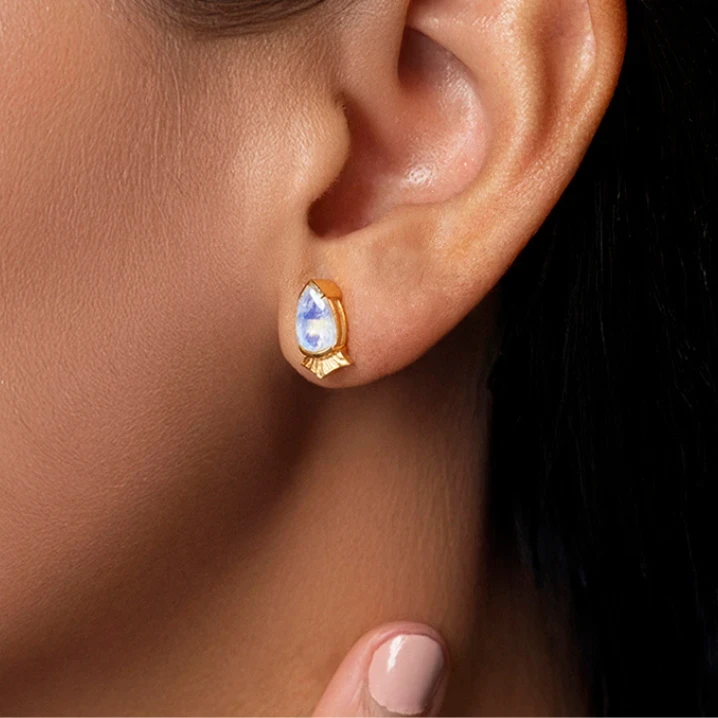
This blog post helps gemstone enthusiasts and buyers recognize genuine rainbow moonstone in a market filled with counterfeits. Common giveaways of fake stones include opalite glass. Understand why only real stones deliver true moonstone benefits. From visual checks and physical tests to understanding the true real moonstone price and where moonstone is found, this guide arms you with everything needed to buy with confidence. Whether you're interested in a moonstone engagement ring, moonstone earrings, moonstone moon pendant, or a mens moonstone ring, ensure you're getting the genuine jewellery piece. .
Blog:
A 2024 report said dealers swapping fake stones for real ones was a common issue in the USA.
Many gemstone dealers and online sites across the United States were found replacing real stones with synthetic or imitation ones, especially when selling to customers with limited gemological knowledge. This issue is not limited to diamonds or emeralds; fake moonstone swaps are also quite prevalent.
Gemstones are very meaningful to people, especially when one considers the astrological value, spiritual benefits, or the commemoration of life milestones. A gemstone is not just a simple piece of jewelry, but rather an icon of emotion, intention, belief, and healing. Hence, the need to ensure that the gemstone one buys is authentic, as in the case of a moonstone ring, which is very meaningful and sacred. Counterfeit products, however, take the value out of the product, both literally and figuratively.
Moonstone is attractive because it has an iridescent shine and an otherworldly charm. The rainbow moonstone ring is very popular. People believe in the moonstone benefits, which include emotional balance, hormonal harmony, improved intuition, and more, in addition to its beauty. People who wear a moonstone ring or carry a moonstone pendant expect more than just decoration. They seek transformation. A fake won’t deliver that. It lacks the optical phenomenon: adularescence, which defines the stone. It lacks the energetic properties. It lacks the soul.
So how do you make sure what you’re buying is real?
The Telltale Signs of a Genuine Rainbow Moonstone
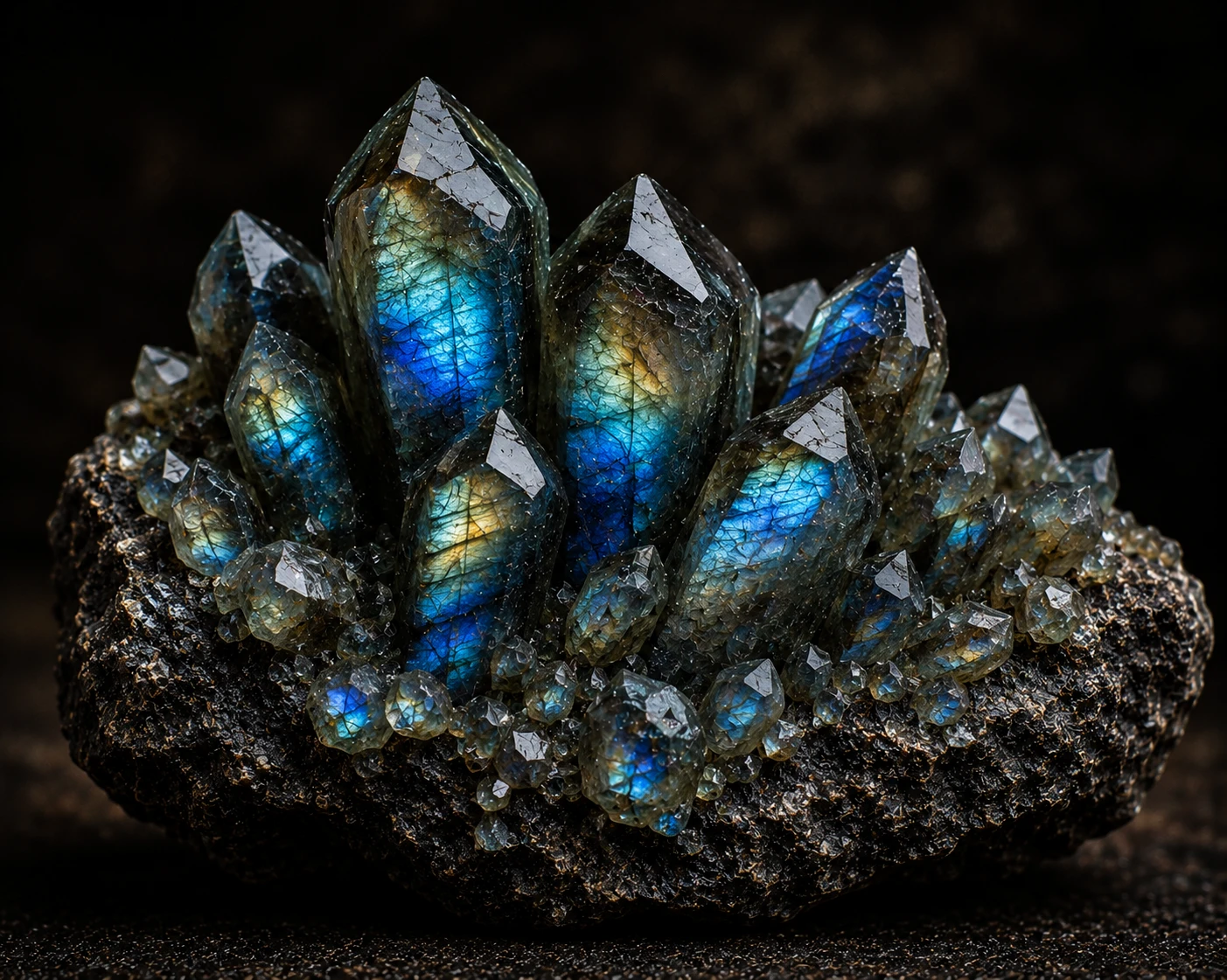
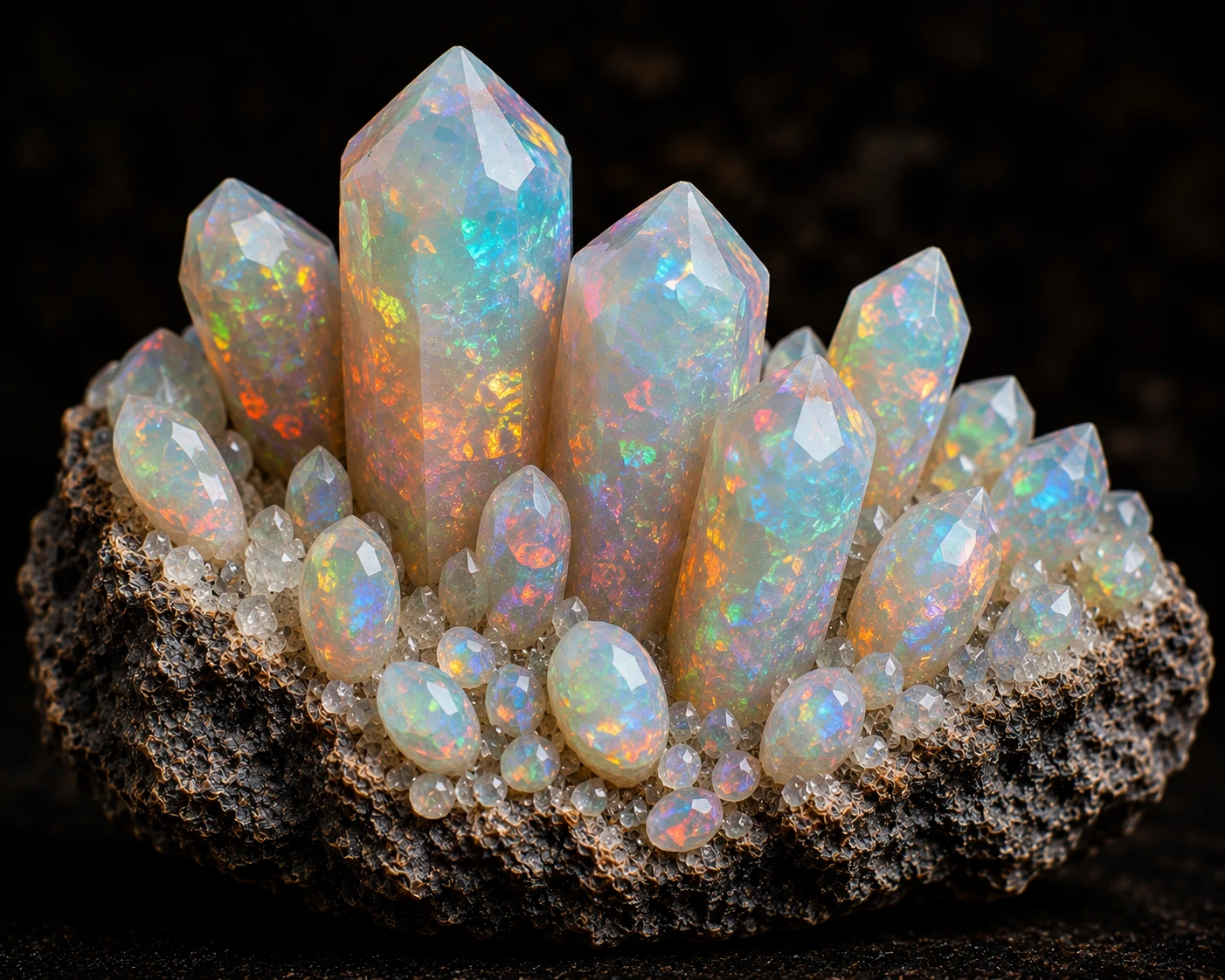
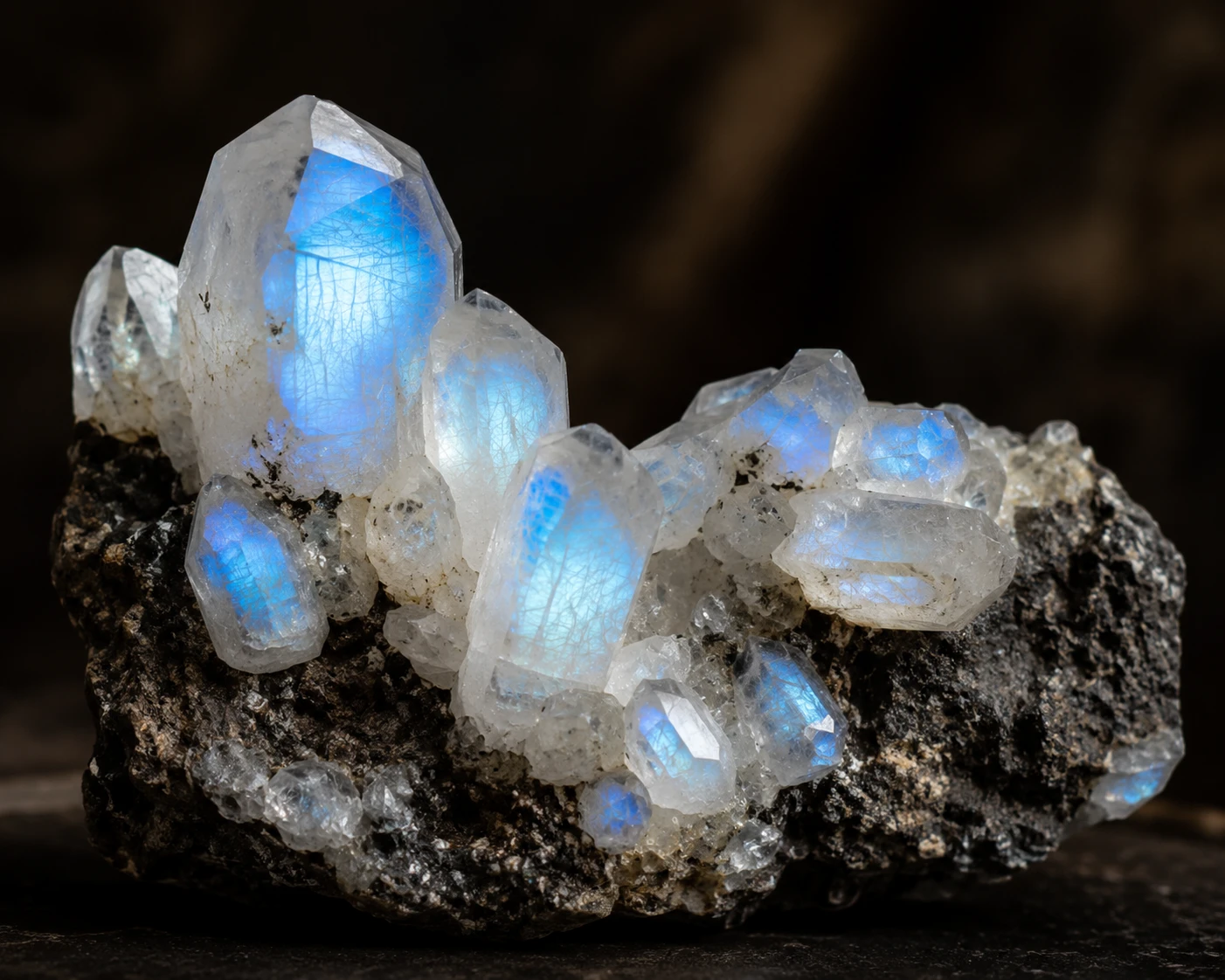
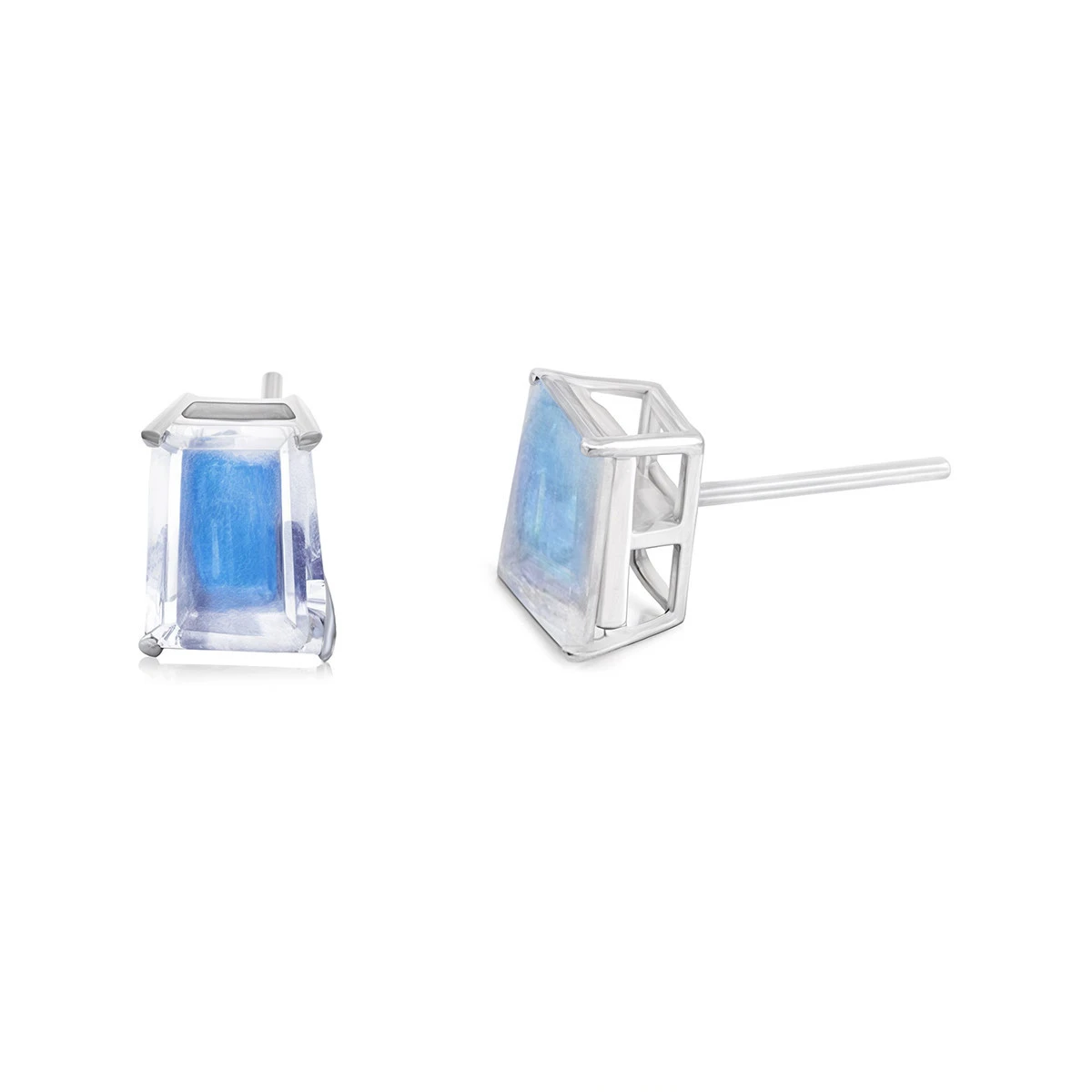
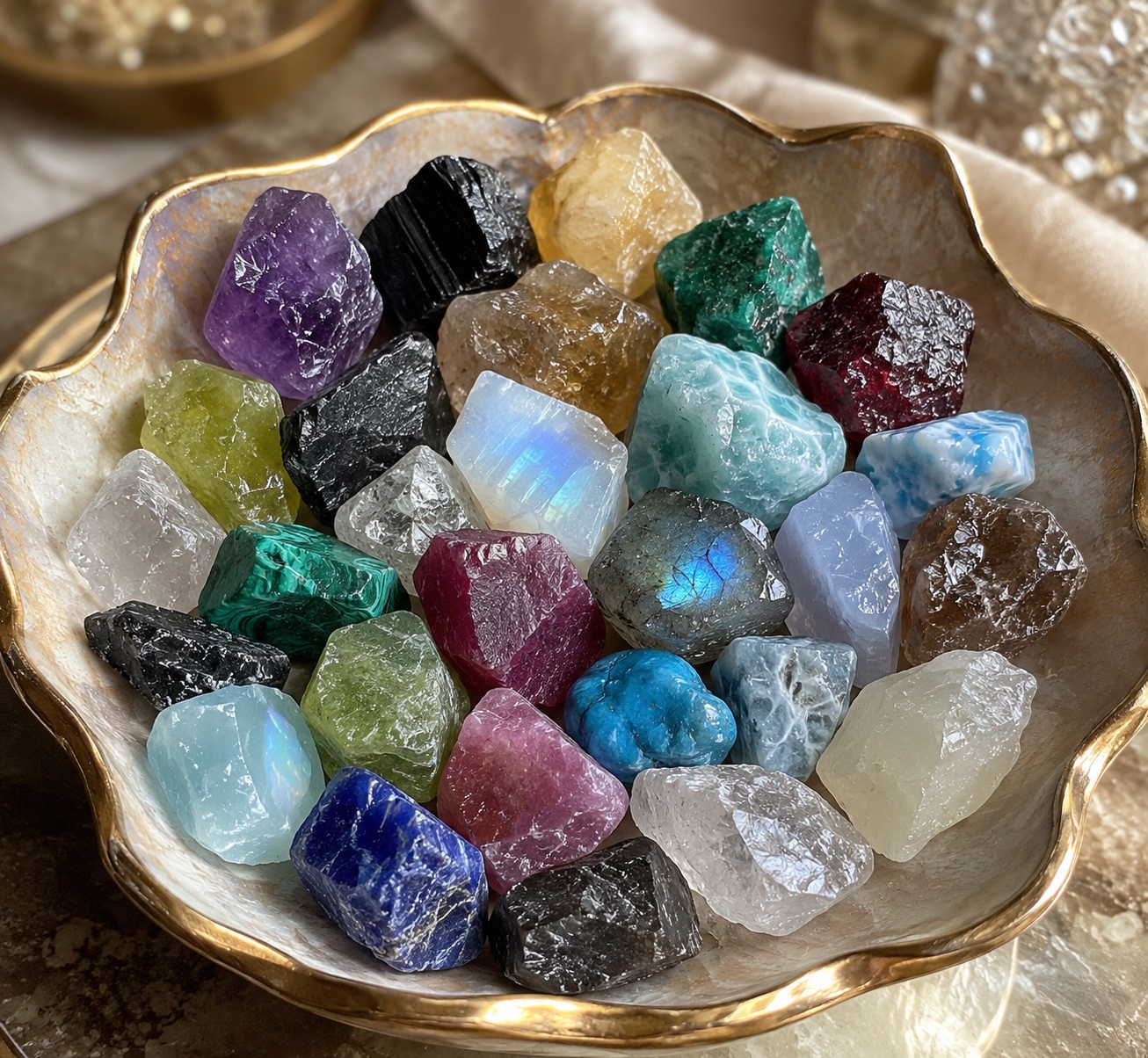
The first indicator of authenticity is the play of light. Rainbow moonstone, technically a variety of labradorite, exhibits strong blue or multicolored flashes when moved under light. This is not the glittery shimmer of plastic or synthetic glass. It is a focused glow that moves like a veil beneath the surface of the stone.
A moonstone gem ring with authentic material will show this glow across its surface when tilted at different angles. The glow will shift and dance but remain contained within the stone’s body. If the stone sparkles like glitter or has a consistent shimmer with no movement, it's likely fake. The difference between real moonstone vs fake begins with this very detail.
Inclusions are another clue. Moonstone gemstone ring pieces often have natural inclusions:tiny fractures or milky lines that form as the mineral grows. These are not defects; they are fingerprints of nature. Fake stones often look too perfect, too clean. They're usually made of glass, plastic, or synthetic feldspar without the flaws or unique patterns found in natural gems.
Weight is also important. Real moonstone jewelry feels heavier than fake moonstone jewelry. Glass imitations may feel the same in your palm, but they aren't as dense or chilly. Another little but visible difference is that real stones stay cooler longer when you hold them in your hand.
Common Materials Used to Imitate Moonstone
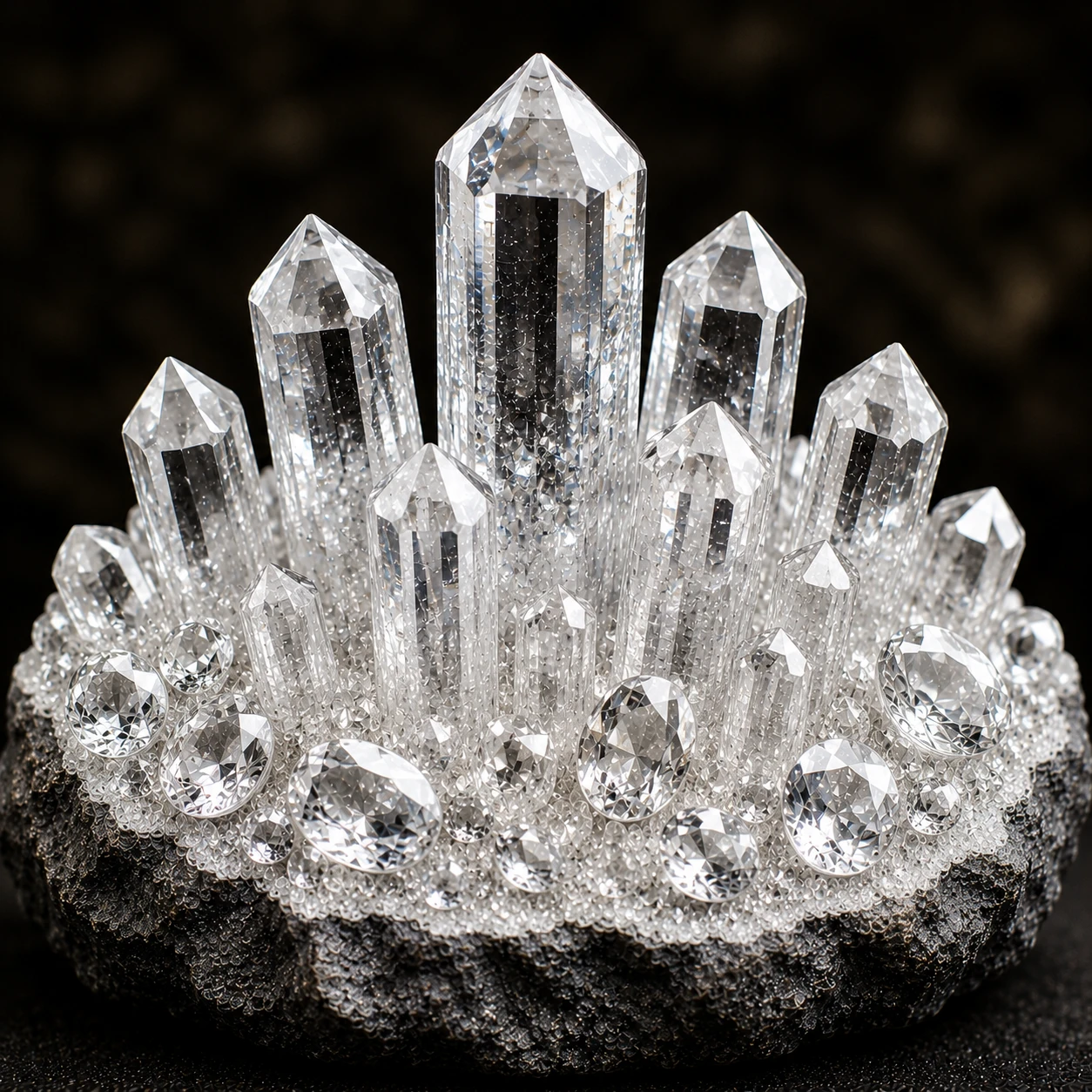
Most fake moonstone pieces on the market are made from milky opalite glass. It looks translucent and can even seem slightly luminous under artificial lighting, which misleads buyers. But this is a manufactured product, and it lacks the signature glow of moonstone healing properties.
Another common material is plastic. These versions are typically cheap, very lightweight, and scratch easily. If you see a moonstone birthstones pendant that feels unusually light or scratches with a fingernail, it’s not real.
Some unscrupulous sellers also dye quartz or feldspar to mimic the appearance of moonstone earrings or moonstone pendant designs. These stones may be real minerals, but they are not moonstone and carry no legitimate moonstone healing properties.
How to Verify Authenticity: Beyond Just the Look
Visual inspection is only the first step. If you want a foolproof way to verify a gold moonstone ring or moonstone pendant, request a certificate of authenticity. Certified gemstones from recognized gemological labs come with grading and origin details. That’s especially important when you're spending good money on a moonstone engagement ring or moonstone wedding ring.
You can also check the refractive index and specific gravity if you have access to gem testing tools. Natural moonstone moon earrings have a refractive index between 1.518 and 1.526. Lab-created fakes will fall outside this range. The hardness scale is another indicator. Moonstone ranks about 6 to 6.5 on the Mohs scale. Glass may be softer, and other feldspar substitutes may scratch or chip differently.
If a person is selling a gold and moonstone ring for a very low price, then he or she may be selling a fake one. It is important to know the actual cost of a moonstone, depending on its carat, clarity, and cut. The cost may vary, but if the price is significantly lower than the actual cost, then you need to be alarmed.
So, What Is a Fair Real Moonstone Price?
The real price of moonstone varies on a number of things, such as where it came from, how it was cut, how clear it is, what color it is, and whether it is blue, rainbow, or peach. Rainbow moonstones from India or Sri Lanka that have bright adularescence and little inclusions cost more. A high-quality rainbow moonstone ring with a 1-carat stone can cost anywhere from $30 to $100. However, larger, rarer stones can cost a lot more.
Be cautious if you see a moonstone ring priced at just $10 or $15 with no explanation or documentation. While not every low-priced stone is fake, most genuine stones, especially with visible adularescence, do not come that cheap unless flawed or too small for settings.
Where Is Moonstone Found?
Authentic moonstone is mined in several parts of the world. Historically, Sri Lanka and India have been primary sources. Sri Lankan moonstones, particularly the blue-hued ones, are considered premium grade. Indian mines often yield rainbow moonstones with more color flashes.
Other sources include Madagascar, Myanmar, Brazil, and Tanzania. If you’re buying a men's moonstone ring or a male moonstone ring and want provenance, ask where the stone was mined. Ethical sourcing matters just as much as authenticity.
Where to Buy Real Moonstone
If you're looking for real moonstones, you can get them from a trusted merchant or jeweler. You might browse for jewelers or dealers who sell semi-precious stones.
Online platforms can be convenient, but they come with risks. Avoid mass-market sellers with unclear sourcing. If you're investing in a moonstone gemstone ring or a moonstone moon earrings set, always ask for documentation. Trusted names in gemstone sales will have clear photos, product specs, and return policies. Local gem shows or fairs are also good places to find reliable sellers if you're buying a mens ring moonstone or moonstone as an engagement ring.
Moonstone as a Symbol: More Than Just a Beautiful Gem
For centuries, moonstone has symbolized mystery, femininity, and emotional wisdom. Ancient Romans believed it formed from moonlight. Asian lore treats it as sacred. In modern times, it is one of the most cherished moonstone june birthstone options.
People choose moonstone engagement ring styles for their uniqueness and spiritual symbolism. A gold ring moonstone carries deeper meaning than just metal and mineral. It suggests intuition, love, and harmony. Wearing a moonstone gem ring isn’t just a fashion choice:it’s a spiritual statement.
And for men, the rising trend of the male moonstone ring or mens ring moonstone shows how gender-neutral and universally appealing this stone has become. Men appreciate its understated elegance and the calming energy many say it brings.
Why Fake Stones Hurt More Than Just Your Wallet
There’s a reason why the real moonstone vs fake debate matters. When you buy a moonstone jewelry piece for its supposed emotional and metaphysical advantages, you're doing more than just accessorizing. You're investing in transformation.
Fake stones don’t just lack energy; they rob you of trust. They offer no moonstone healing properties and don’t connect to your purpose. Whether you wear a moonstone birthstones necklace or a moonstone moon earrings pair, it should resonate with your energy. A synthetic imposter won't do that.
In terms of durability, real moonstones do require care, but they don't fall apart or fade like fakes. Plastic or glass moonstones discolor or crack under daily wear. Imagine buying a moonstone wedding ring only for it to lose its shine in months. Authenticity protects against that.
The Real Deal Is Worth the Hunt
Genuine moonstone has depth. This cannot be easily duplicated. The item may be a ring, a necklace, or even earrings. It just feels like it was meant to be.
While it may take some time to learn about the identification of genuine moonstone, it is not about becoming an overnight expert. It is about knowing what to ask and what to look for.
Once you know what to look for, spotting the fake becomes easier:and investing in the real becomes all the more meaningful.