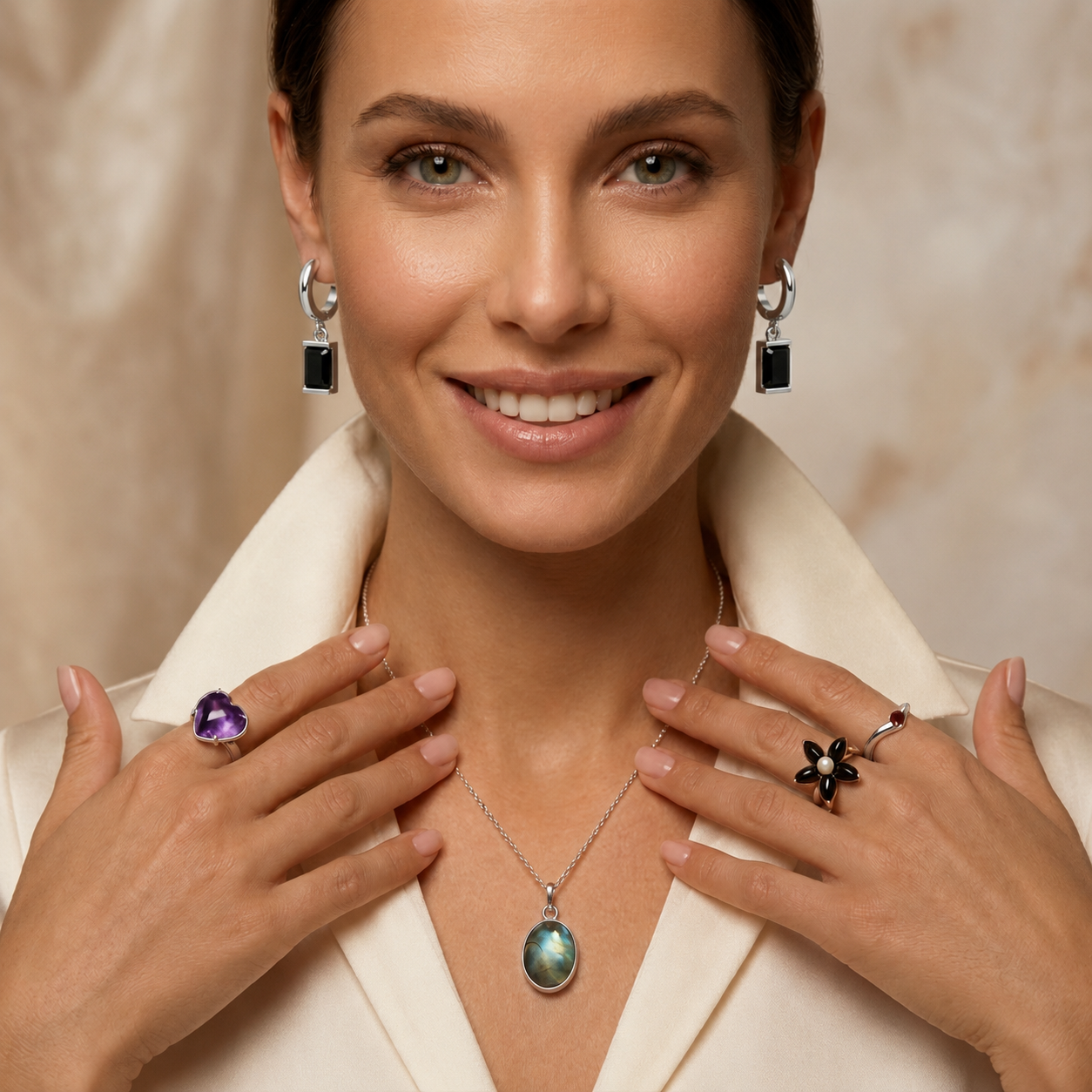
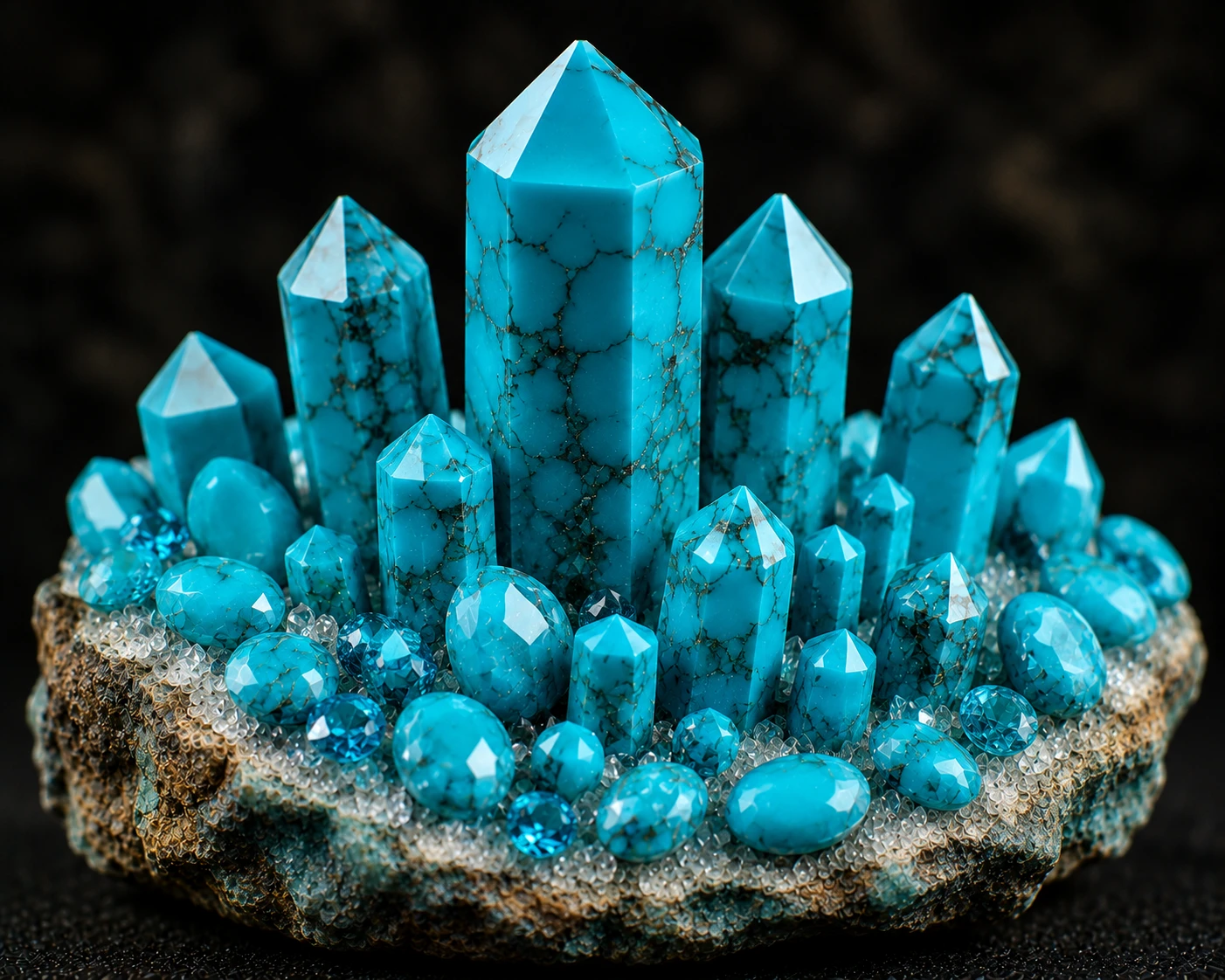
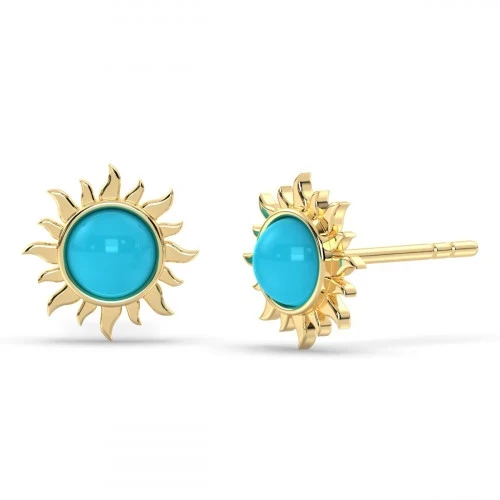
Jewelry has always played a crucial role in weddings, symbolizing love, commitment, and tradition. Across cultures, turquoise jewelry holds a special place in wedding ceremonies, often signifying protection, prosperity, and timeless beauty. From turquoise engagement rings with diamonds to turquoise and gold engagement rings, let’s explore how different countries incorporate this stunning gemstone into their wedding traditions.
The Cultural Significance of Wedding Jewelry
Throughout history, jewelry has been used to signify social status, personal adornment, and marital commitment. In many cultures, specific jewelry pieces, such as wedding bangles or triple-strand Akoya pearl necklaces, are passed down as heirlooms, symbolizing family heritage and unity.
Symbol of Commitment and Union
Wedding jewelry often acts as a symbol of commitment between the partners. For instance, rings, bangles, and necklaces tend to represent eternal love and act as a promise of togetherness. Hence, engagement turquoise rings play a vital role here, as these jewelries tend to be passed down as heirlooms, thereby representing unity and family heritage.
Cultural Identity Reflection
With different cultures having their own sense of jewelry style embedded for wedding traditions, they act as a reflection for identity and heritage. Some of the jewelry includes the one that comes with gold designs, as seen in Indian weddings, to the one that comes with pearl strands, often found in Western ceremonies. The pieces of each culture come with a sense of narrative and tradition connecting with the respective roots.
Generational heirloom
Often the wedding jewelry tends to be passed down from one generation to another, hence forming a generational legacy. This implies that the jewelry carries a sense of emotional value with them, thereby preserving memories and stories of past unions. Therefore, wearing the turquoise jewelry on such occasions creates a sense of continuity.
Social Status and Aesthetics
Since ancient history, wedding jewelry has been a representation of social status and wealth. In one way or another, it implies the family’s economic standing through the jewelry material, type, and craftsmanship. Meanwhile, it also enables the individuals to speak their style and is perfect for people who have a strong aesthetic preference.
Turquoise in Wedding Traditions Across the World
Turquoise has been treasured by various civilizations, from Native American tribes to Middle Eastern and Asian cultures. Many societies believe it brings good fortune, health, and long-lasting love.
Native American Art Jewelry: Native American tribes incorporate turquoise inlay wedding rings and silver and turquoise engagement rings as symbols of protection and enduring love.
Middle Eastern Weddings: Brides often wear turquoise and gold engagement rings, believing that turquoise wards off negativity and strengthens relationships.
Asian Cultures: Turquoise stones are sometimes paired with pearls, such as a 6.5 mm pearl necklace, to enhance spiritual harmony in a marriage.
Polynesian Rings: Polynesian culture integrates turquoise wedding rings as part of their natural and oceanic-themed wedding ceremonies, influenced by the deep blue waters surrounding the islands.
Popular Turquoise Jewelry for Weddings
Turquoise remains a sought-after gemstone in wedding jewelry due to its unique charm and vibrant color. Here are some popular choices:
Custom Turquoise Engagement Rings: People often opt for customized rings; one such prominent type is the women's turquoise engagement ring customized with gold, silver, or diamonds.
Turquoise Inlay Wedding Bands: Ideal for both men and women, these rings offer a rustic and timeless appeal.
Turquoise Diamond Wedding Rings: Combining the brilliance of diamonds with the vibrancy of turquoise, these rings make a stunning wedding statement.
Rose Gold Turquoise Engagement Rings: A blend of warm rose gold and cool turquoise creates an elegant contrast.
Mikimoto Cherry Blossom Necklace: This exquisite pearl necklace is often paired with natural turquoise rings in modern bridal jewelry collections.
White Buffalo Turquoise Wedding Rings: Rare and unique, these rings are perfect for couples seeking a distinctive, earthy aesthetic.
How Turquoise is Made into Jewelry
Different methods are used to craft the rings; one of many examples includes the turquoise and gold engagement ring. Some of the other examples include turquoise and sapphire bands and other pieces of wedding jewelry. Common techniques include:
Turquoise Inlay: Small pieces of turquoise are embedded into gold or silver bands, forming intricate designs.
Hand-Carved Designs: Skilled artisans carve detailed patterns onto men's wedding rings with turquoise and other pieces.
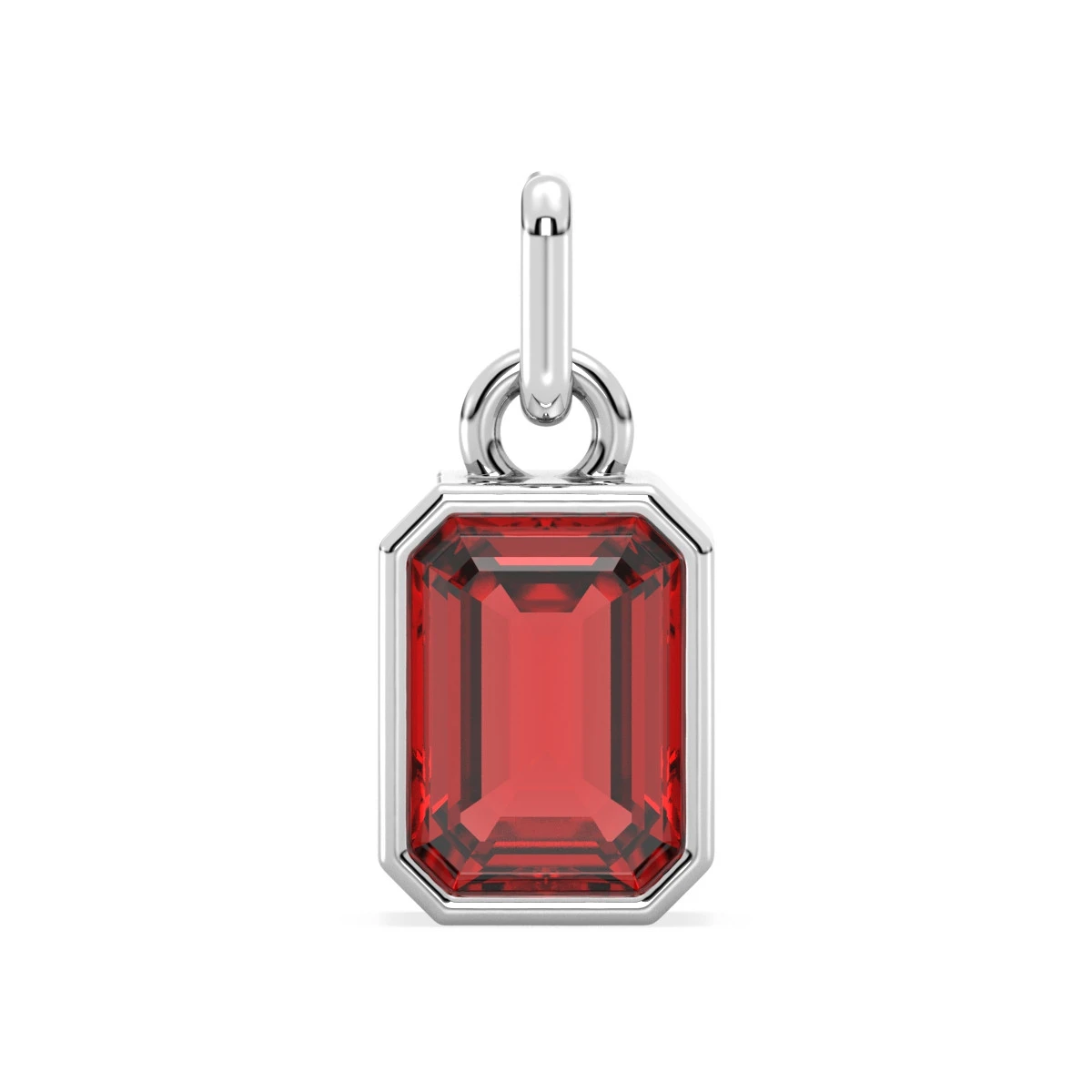
Bezel Settings: This method secures turquoise stones in a metal frame, enhancing their durability.
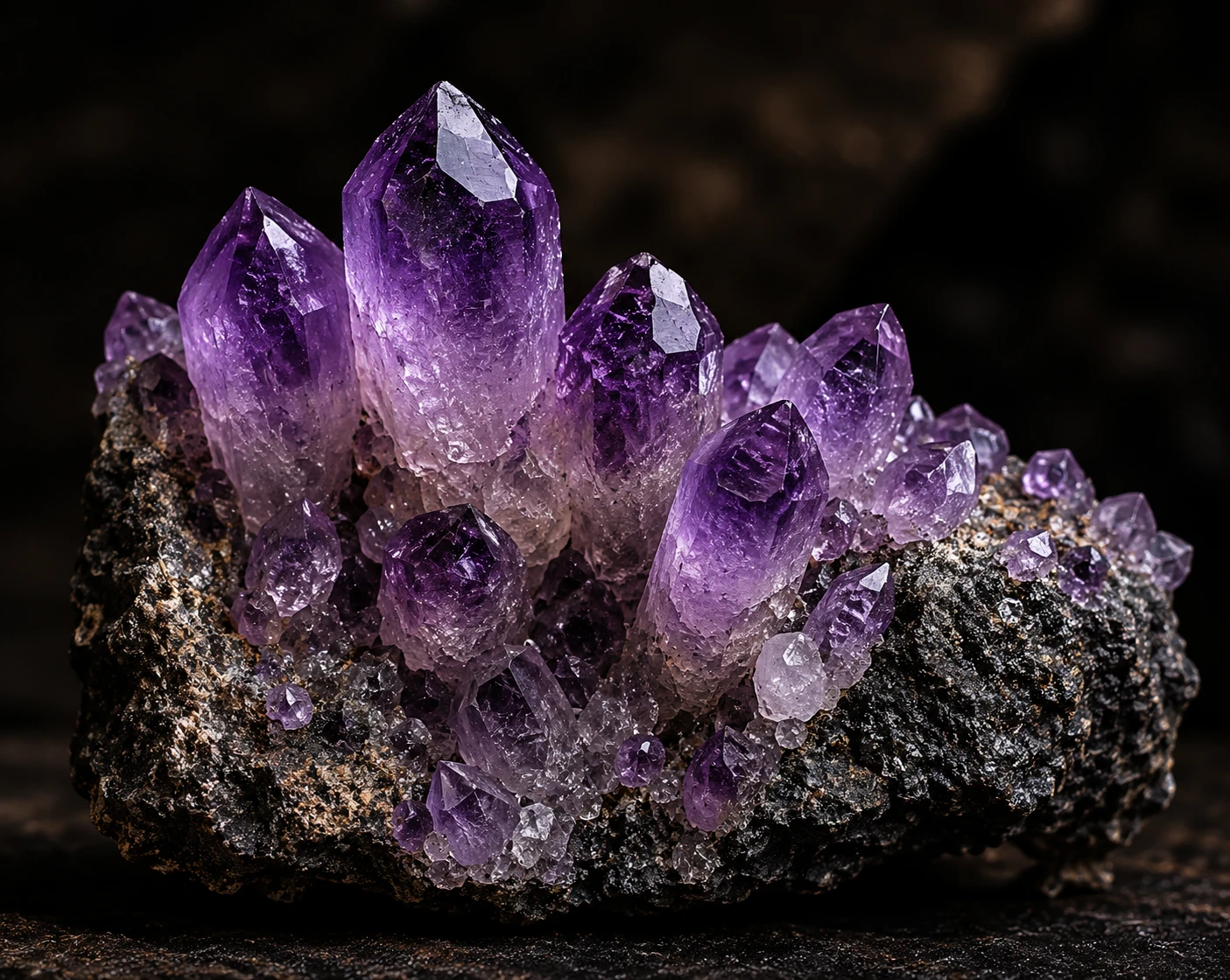
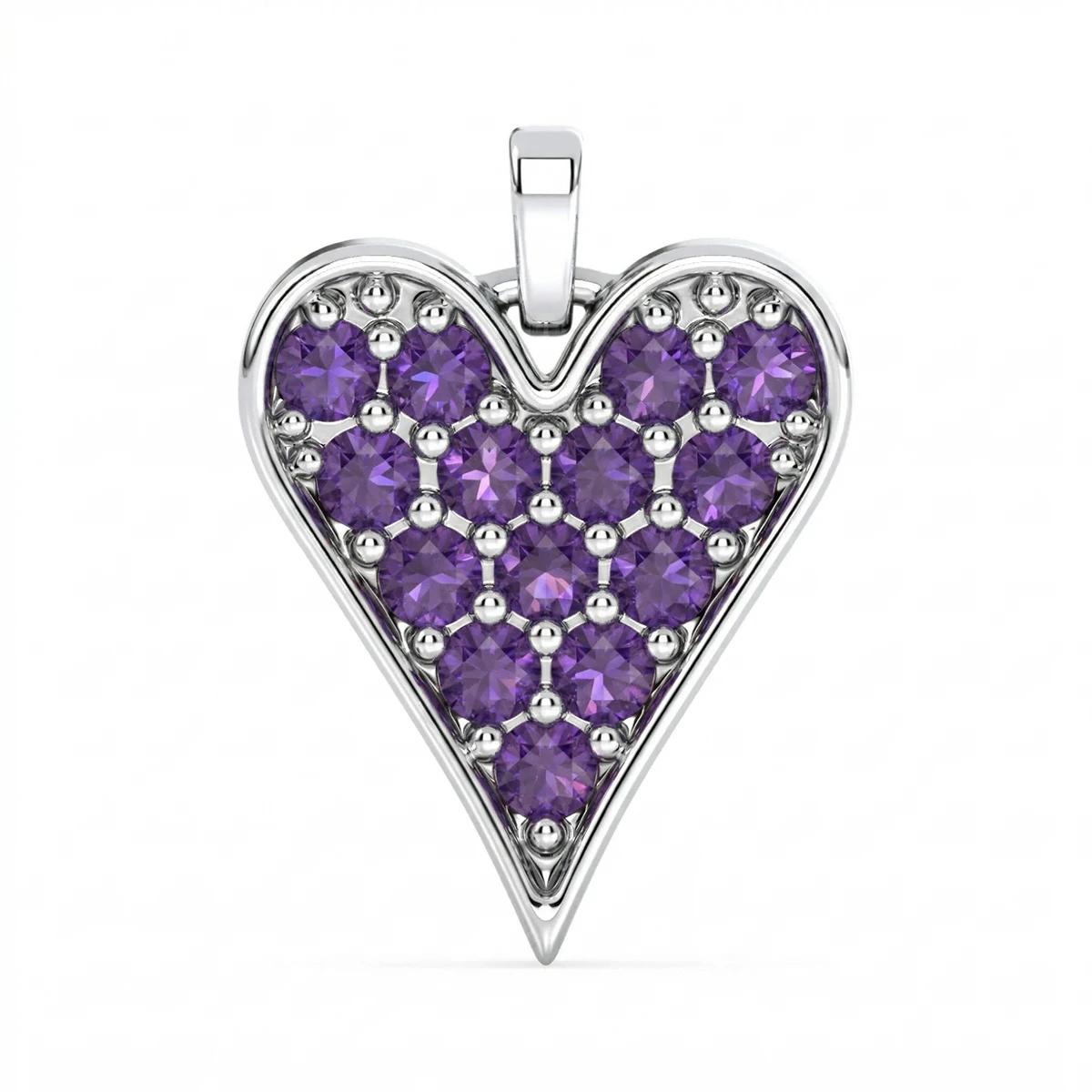
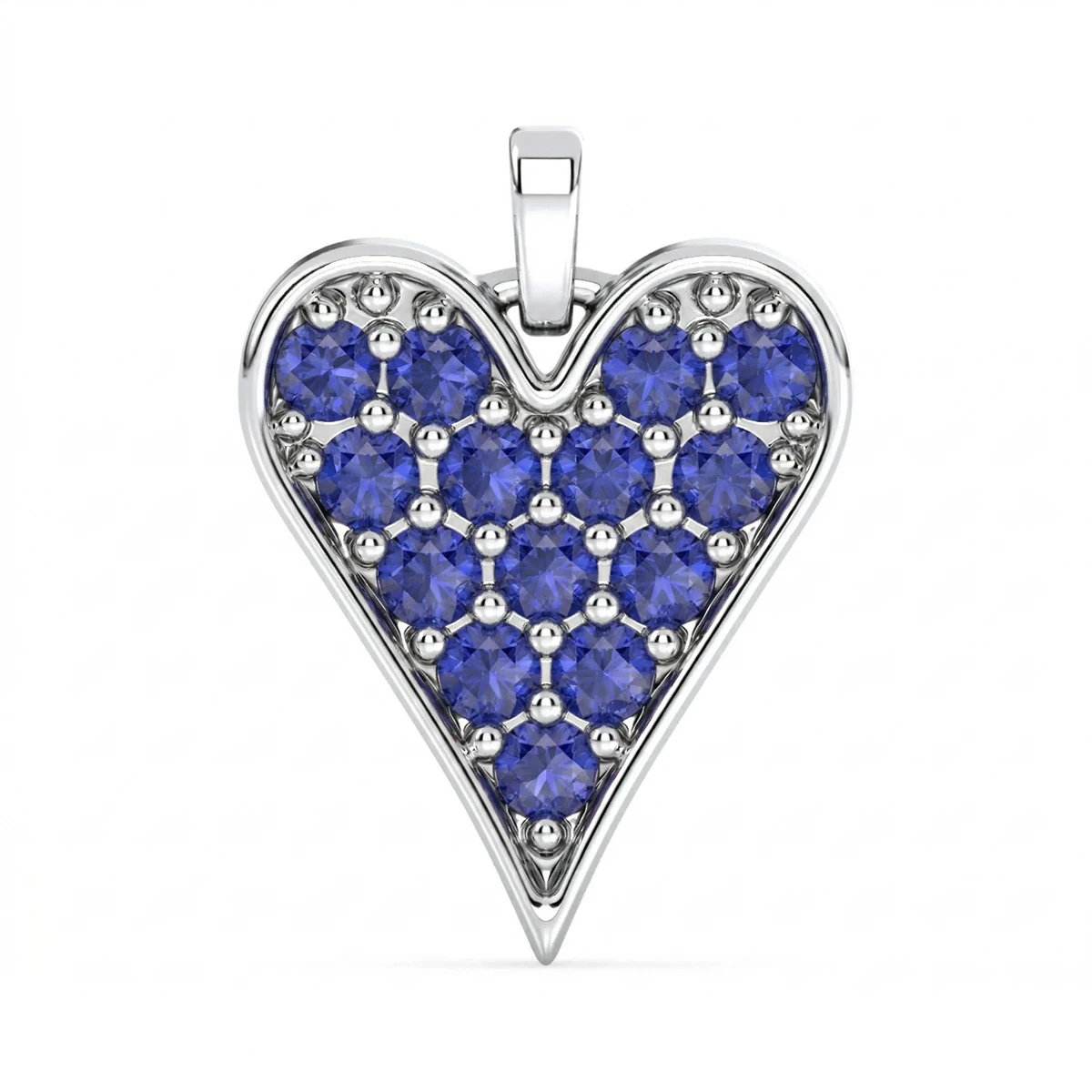
Combination with Other Gemstones: Many wedding jewelry designs incorporate turquoise and amethyst rings or sapphire and turquoise for a luxurious look.
Final Thoughts
Turquoise has played a vital role in wedding jewelry traditions for centuries, from Native American art jewelry to Polynesian rings and Middle Eastern bridal collections. For those looking to buy real turquoise jewelry, investing in natural turquoise rings or pieces ensures authenticity and lasting beauty. Whether for an engagement ring with a turquoise band or a turquoise diamond wedding ring, turquoise remains a timeless and meaningful choice in weddings worldwide.
If you are confused as to where to buy real turquoise jewelry for your wedding, visit BAUTLR. The website has an exclusive range of turquoise jewelry ranging from earrings of varieties such as hoops, danglers, and studs to necklaces. So, visit BAUTLR today!