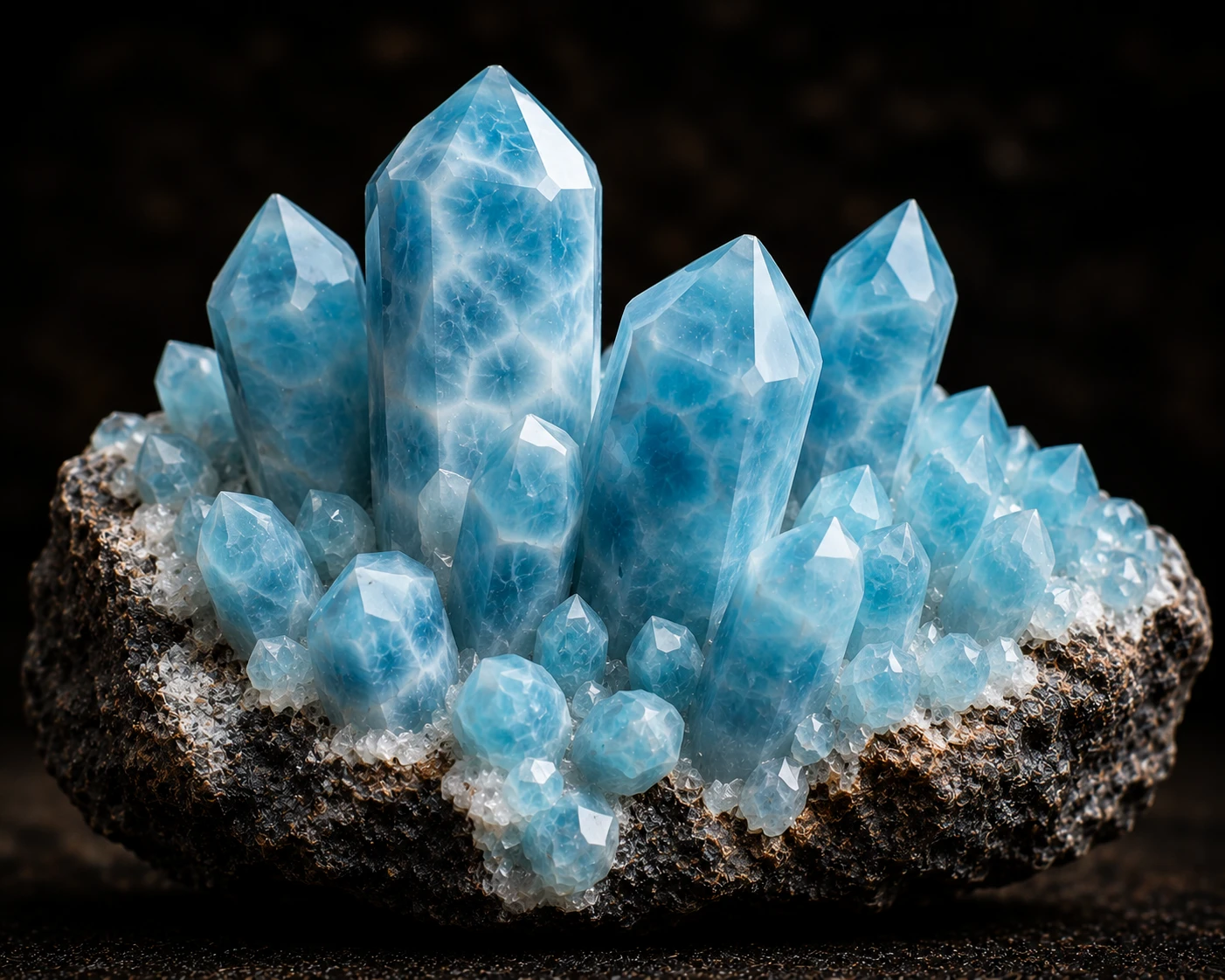
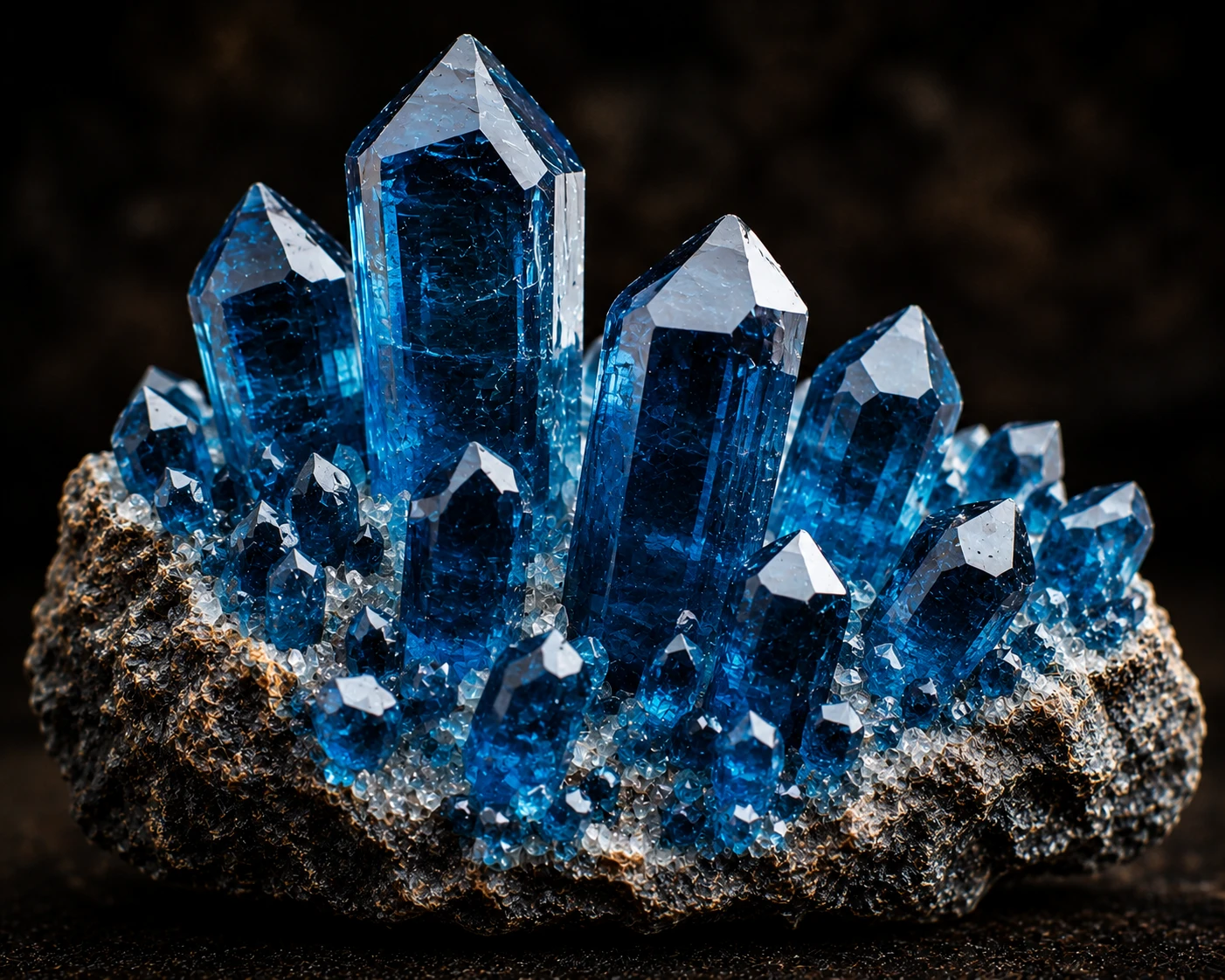
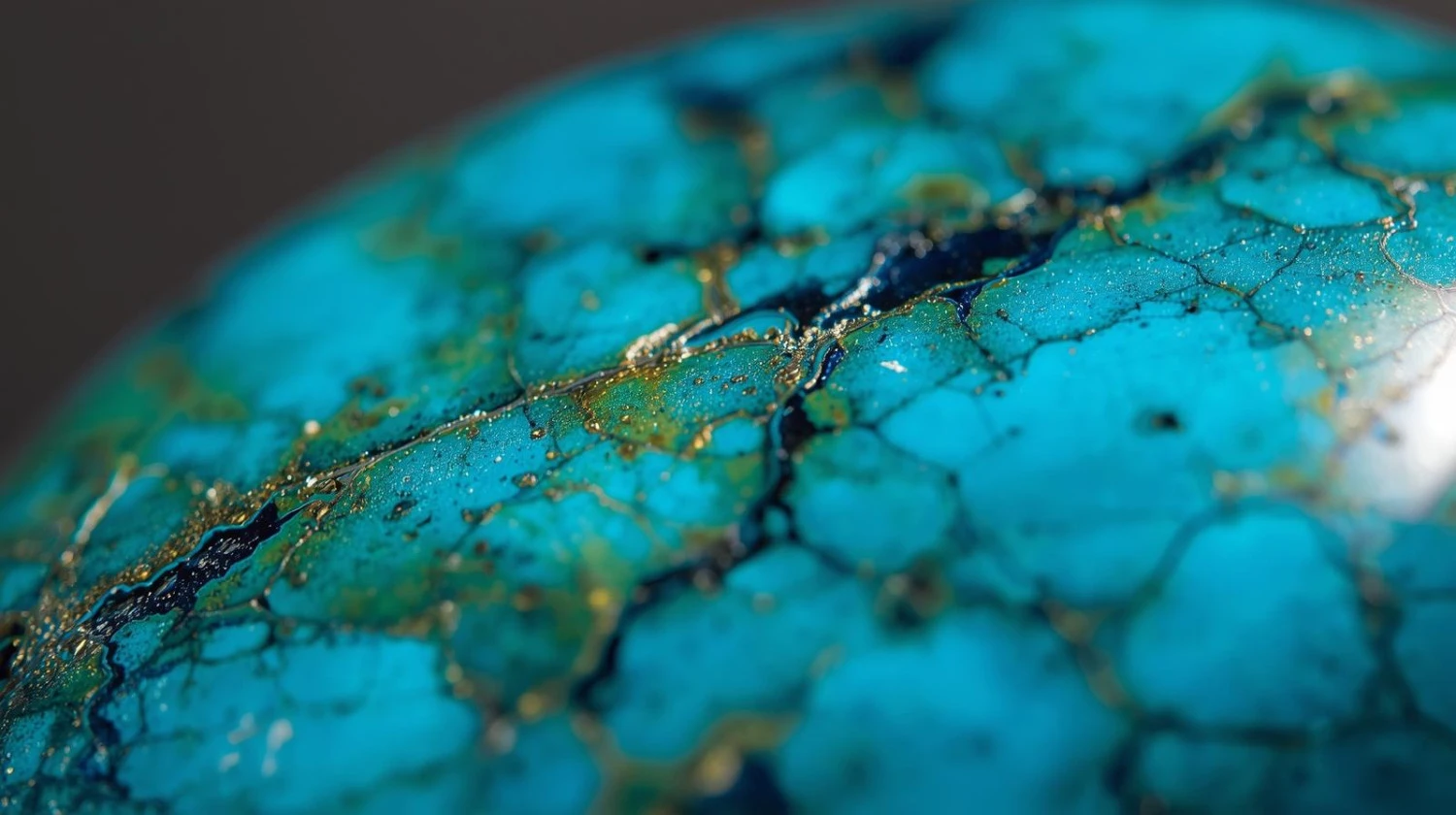
Turquoise is one of the most sought-after gemstones, but distinguishing between real vs. fake turquoise can be tricky. Many sellers use fake turquoise stones that resemble the real thing but lack its authenticity and value. Whether you're purchasing a turquoise bracelet or a turquoise pendant, knowing how to tell if turquoise is real becomes crucial.
How to Identify Real vs. Fake Turquoise
With a market full of both real turquoise vs fake, it’s very important to know how to figure out the right genuine turquoise. Some of the sample tests that can be considered for this are as follows:
The Turquoise Tongue Test
It's a traditional method where you place the stone on your tongue. If it's a real stone, then it will feel a little dry because the natural stone is porous in nature. On the other hand, the fake or dyed ones are exceptionally polished and will feel smooth and slippery upon the turquoise tongue test.
Magnet Test for Turquoise
To understand how to test turquoise with magnet, it becomes clear to know that the stone is non-magnetic in nature and won't react to a magnet at all. This, hence, answers the question of is turuqoise magnetic. So if your stone is reacting in the presence of a magnet, then it is most likely an imitation. This reaction hints at the presence of metal additives in the stone that's not present in natural turquoise.
Color & Texture
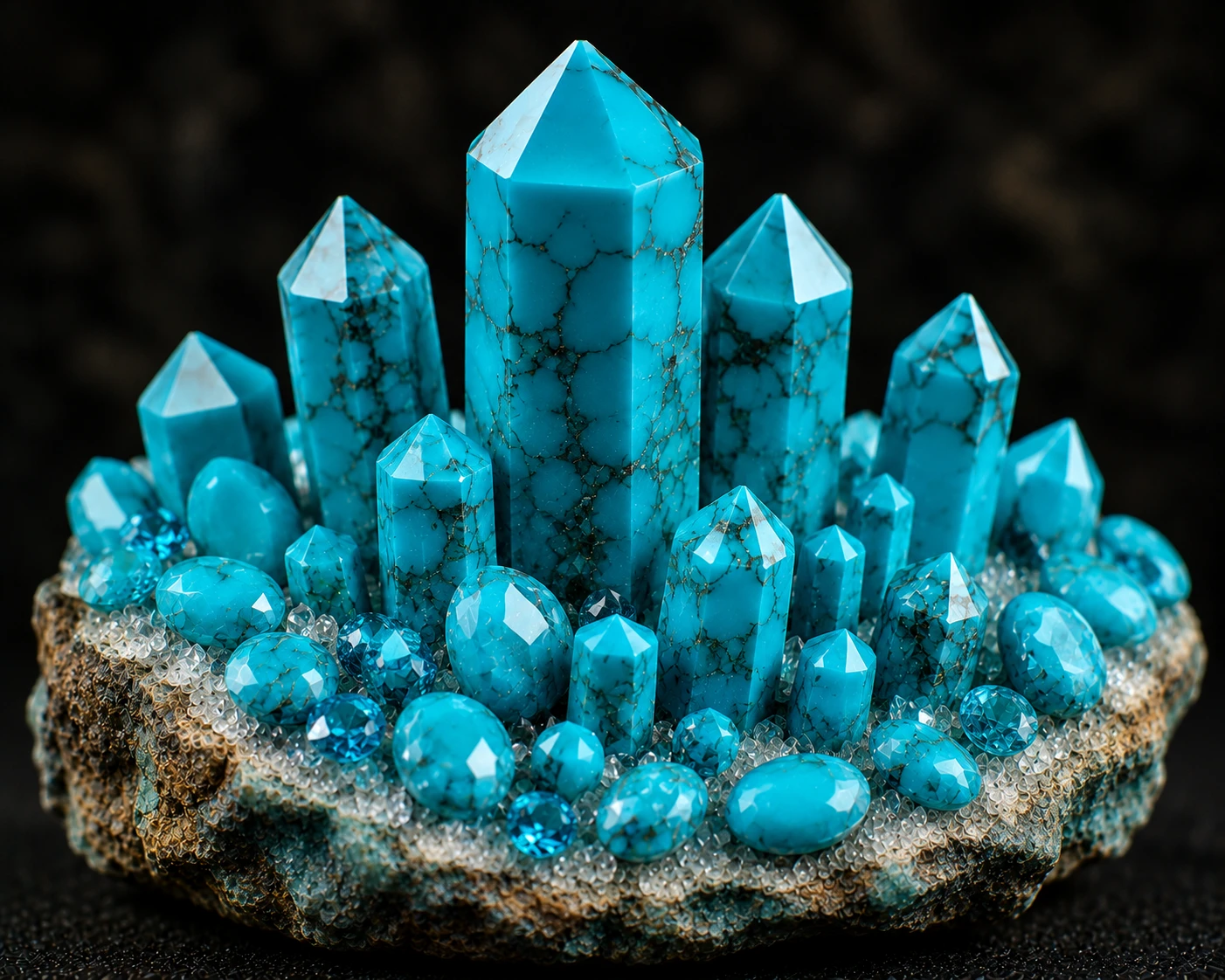
The natural turquoise is hardly uniform, as it comes with slight patterns within it. As a result, an uneven surface texture is created. On the contrary, fake turquoise will appear smooth and consistent in shade, which makes it ‘too perfect.’ This further hints that the stone is not genuine.
Matrix Patterns
The natural veins of the stone are termed "matrix natural stones.” This is because the real stones display intricate and irregular patterns, unlike the fake ones, where you will see overly neat designs. Hence, these matrix patterns help in figuring out if the stone is genuine or not.
Weight & Density
To understand how to test for real turquoise, it is essential to be familiar with the weight and density of both the genuine and fake stones. This is because the imitations are made from elements like resin and plastic that tend to be slightly on the lighter side. On the other hand, the real stones have a certain density that makes them heavier.
Porosity
A genuine turquoise is porous in nature and hence can absorb small amounts of moisture. This leads to a chalky feel to the stone. On the other hand, the fake stones that are made from resin and plastic are smooth in nature and hence non-porous.
Common Fake Turquoise Types
Like it is essential to understand how to test real turquoise, it becomes equally important to be familiar with some of the common fake turquoise types. This will give you fundamental knowledge of being aware of all the limitations so that you don't waste your money.
Hence, some of the common fake turquoise types are:
Faux Turquoise Stones: These are often made from dyed howlite or magnesite.
Fake Tibetan Turquoise: Marketed as natural but often reconstituted or synthetic.
Imitation Turquoise Stone: Some stones are completely artificial and resin-based.
Fake White Turquoise: A misrepresentation of natural white gemstones.
Fake vs. Real: Picture Comparisons
When it comes to understanding how to identify real turquoise, pictures can be yet another way to figure out if the stone is real or fake. Many counterfeit stones are too perfect, whereas authentic turquoise has natural flaws.
Common Fake Turquoise Names & Terms
Fake Turquoise Bracelet: Often labeled as "stabilized" but may not be genuine.
Fake Turquoise Stones: Sometimes called "block turquoise" or "reconstituted turquoise."
Imitation Turquoise Stone: Some sellers use the term "turquoise-like" to describe fakes.
Fake Turquoise Beads: Mass-produced and dyed to mimic real turquoise.
Real Turquoise Jewelry vs. Fake: What to Look For
Some of the other key tests that you can conduct to understand how to tell if turquoise is real are as follows:
Authenticity Certificates: Upon buying the stone, be sure to ask for authenticity certificates. This is because only reputable sellers provide such genuine documentation.
Scratch Test: This turquoise scratch test is one of the most basic tests where a gentle scratch on the stone will tell the authenticity of the stone. This is because real stone doesn't get scratched as easily as the imitation ones.
Water Test: Real turquoise is resistant to water and hence won't absorb water. On the other hand, fake ones absorb quickly. This hence makes it one of the many tests to consider the nature of the stone.
Streak Test: The turqoise streak test is when the authenticity is checked by rubbing the stone against an unglazed ceramic surface. The real one will leave a faint blush, while the fake or imitation will leave a white streak or nothing behind.
Final Thoughts
Spotting whether turquoise stone is real or fake is essential for making a smart purchase. By learning how to tell if turquoise is real or not, you can confidently invest in high-quality turquoise jewelry and avoid imitation stones. For buyers seeking genuine gemstones, always verify the source, request certificates, and be aware of misleading terms used in the industry.
Real turquoise jewelry holds great value, making it worth the extra effort to authenticate your purchase. BAUTLR has a wide collection of real and genuine turquoise jewelry for your diverse look. With its exclusive range, you can mix and match. So explore BAUTLR now!