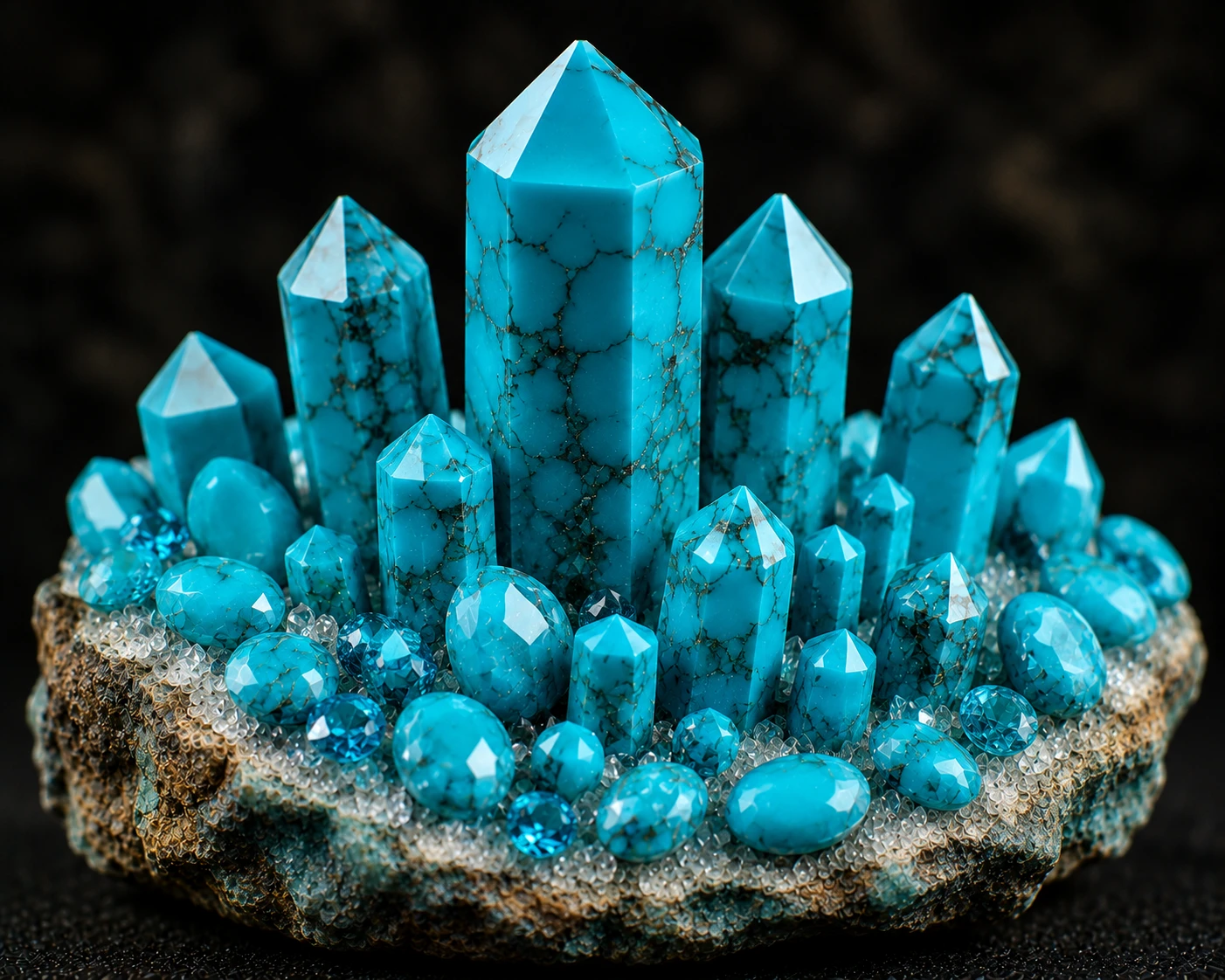
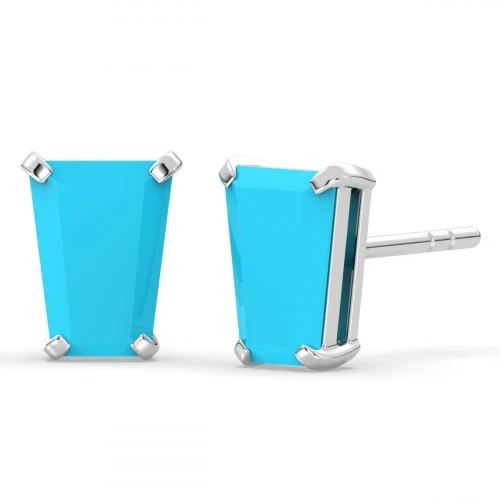
The turquoise jewelry market is flooded with counterfeits, and many buyers unknowingly purchase fake stones. From pictures of fake turquoise to altered turquoise color, scammers have perfected their deception. If you are looking to buy real turquoise, it’s crucial to understand fake turquoise vs. real and how to differentiate between authentic stones and imitations.
The Rise of Fake Turquoise in the Market
Many jewelry sellers market turquoise and diamond rings, turquoise and silver jewelry, and even turquoise and white gold rings as genuine, while they are actually made of dyed Howlite or other materials. One of the most well-known sources of authentic turquoise, the Sleeping Beauty Turquoise Mine, has been closed, leading to a surge in fakes labeled as Sleeping Beauty Turquoise or JTV Sleeping Beauty Turquoise.
How to Spot Fake Turquoise
There are certain tests that you can conduct to figure out the fake turquoise and understand how you can tell if turquoise is real or fake. Some of them are:
Turquoise Tongue Test
When the stone is touched to the tongue, it often feels slightly rough or matte; this simple turquoise tongue test helps in verifying the authenticity. Whereas, on the other hand, the fake one will feel a bit smooth or plasticky. One thing is that this test should be considered as a quick check and not a definitive method.
Magnet Test
The fake turquoise stones tend to contain dyes or metal fillers and hence may react to a magnet. On the other hand, the natural turquoise is a non-metallic mineral and tends to show no magnetic attraction. Hence, this can be considered as a preliminary check.
Color Consistency
The natural turquoise tends to have slight variations along with some matrix patterns. Whereas the dyed stones or the synthetic ones will seem uniform and bright in color. So, the next time you come across an even tone of turquoise, consider it a red flag when comparing fake turquoise vs. real.
Weight & Feel
The genuine stones tend to feel slightly heavy and cooler upon holding. This hence indicates a natural mineral composition. The fake turquoise comes from resin or plastic and may feel warmer and even lighter.
Check Reputable Sellers
Purchasing from well-known sources like Tiffany & Co. turquoise or Native American turquoise artisans can increase the likelihood of authenticity. It is important that you buy from trusted sellers to ensure that you purchase the best quality stones. This overall adds confidence and long-term value to the purchase and helps buyers to figure out how to tell fake turquoise more effectively.
The Most Common Fake Turquoise Stones
To ensure that you choose real turquoise, it is important to have the fundamental knowledge of some of the most common fake turquoise stones. Few of them are as follows:
Howlite
Howlite is a naturally white stone that is often colored and dyed so that it can imitate turquoise, commonly the Sleeping Beauty turquoise. It generally has a grey or black veining that appears less organic when compared to the real turquoise and hence is used as a fake turquoise.
Resin-Based Fakes
These are pure synthetic stones and often can be misleading, as they are sold as ‘Indian turquoise.’ They tend to have a glossy finish and may often feel lighter than the natural stones. When compared to the real stones, these stones lack the subtle variations.
Compressed Turquoise Dust
With real vs. fake turquoise differentiation, it becomes important to have a fundamental knowledge of this fake stone that is compressed turquoise dust. Often marketed as a wholesale and affordable turquoise, this may contain some real material, but it lacks the natural integrity.
Faux Matrix Turquoise
If you are wondering what is fake turquoise, it is often designed to mimic the intricate web-designed patterns that are found inside the real stones, such as Bisbee Blue turquoise or Tyrone. The patterns here are mainly painted or even artificially embedded. They tend to lack the depth of the natural stones.
These are, hence, some of the most common fake materials that some jewelers use. Understanding this helps in the key evaluation of real turquoise jewelry vs. fake.
The Price Factor—Why Some Turquoise is Cheap…
If a deal seems too good to be true, it probably is. High-quality yellow gold and turquoise jewelry, turquoise diamond jewelry, and rose gold and turquoise settings demand higher prices due to rarity and craftsmanship. Be wary of sellers offering cutting-edge turquoise for incredibly low prices, as these are often counterfeit.
Protect Yourself When Buying Turquoise
Always request certification for high-end pieces like real turquoise engagement rings.
Avoid sellers that do not provide clear pictures of fake turquoise vs. real turquoise comparisons.
Research reputable suppliers when buying wholesale turquoise to ensure genuine products.
Be extra cautious when purchasing Tiffany and Co. turquoise, as luxury brands are frequently counterfeited.
Final Thoughts
Whether you’re investing in turquoise and diamond rings, Sleeping Beauty turquoise necklaces, or seeking rare Sleeping Beauty Turquoise Mine pieces, being vigilant is key. By understanding the red flags, testing for authenticity, and buying from reputable sources, you can ensure you’re getting genuine, high-quality turquoise jewelry. It becomes very important to figure out the difference between sellers who provide clear pictures of fake turquoise vsvs.eal and who don’t.
To ensure that you buy nothing but the natural and best-quality turquoise stone jewelry, explore the wide collection at BAUTLR. With a diverse range of turquoise jewelry, the pieces can be mixed and matched with several outfits for various occasions.