Rings
Explore Collection

Popular Searches
Explore by Intention
Explore Collection
Explore Collection
Explore Collection

Explore Collection
 AMETHYST
 BLACK ONYX
 CITRINE
 EMERALD
 GARNET
 GREEN ONYX
 LABRADORITE
Discover Collection

Discover Collection
Your wishlist is currently empty.

Discover the perfect gemstone for you
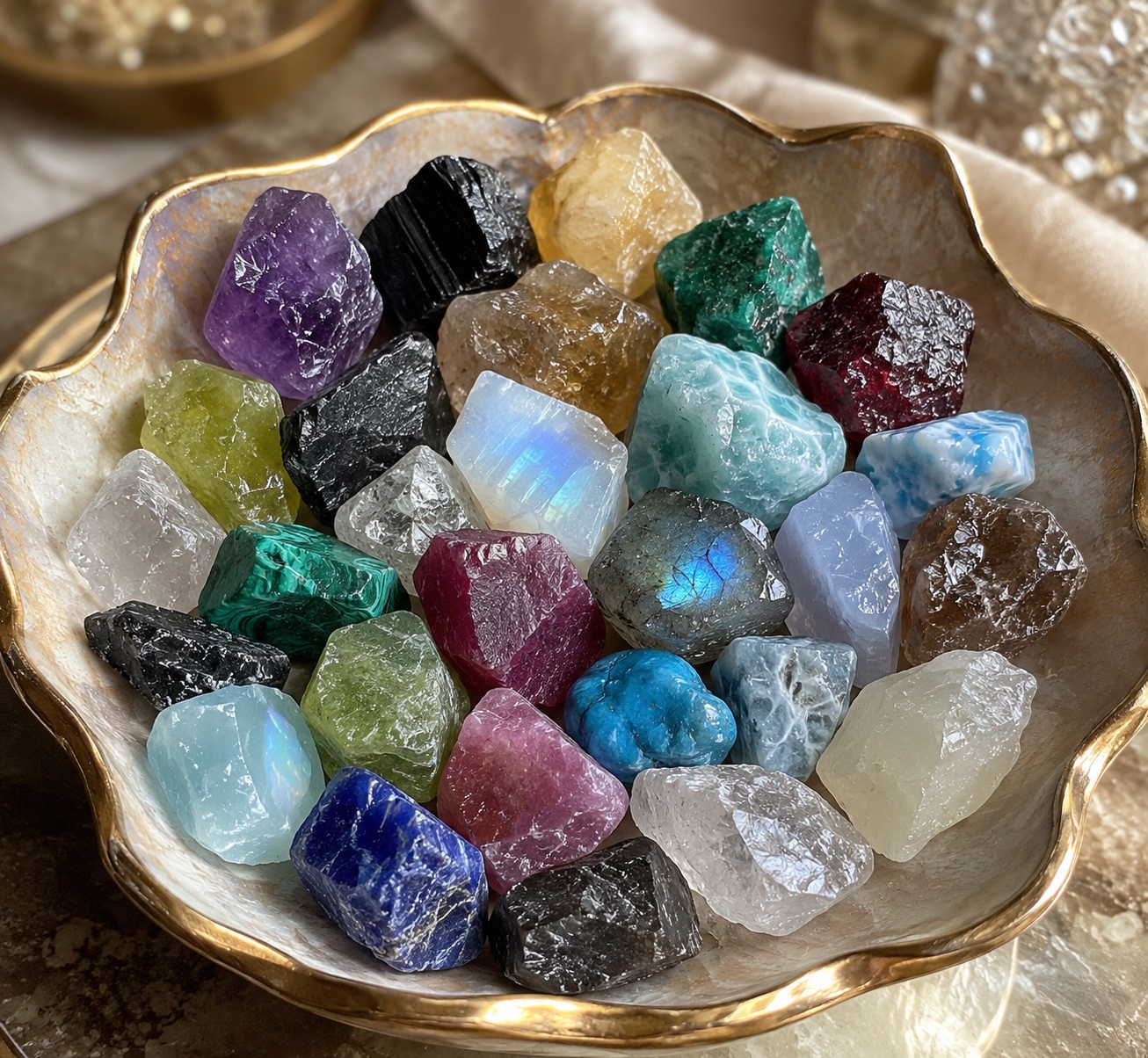
Explore our curated collections
Your wishlist is currently empty.
SUGGESTED FOR YOU
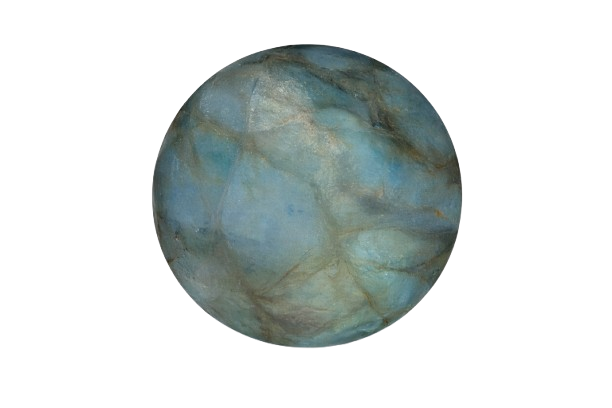
Some gemstones just sit there and look pretty. Labradorite is not one of them. Tilt it slightly, and suddenly you get flashes of electric blue, green, even gold. It’s dramatic in the best way possible, and that’s exactly why people are drawn to it.
However, not every labradorite stone you see online is worth your money. Some barely flash, some are treated, and some are just disappointing. So if you’re planning to buy labradorite, let’s make sure you pick one that actually lives up to the hype.
Labradorite gemstone is a type of feldspar mineral known for its signature optical effect called labradorescence. That’s the fancy term for the colorful flashes you see when light hits the stone at different angles. At first glance, it can look like a plain grey or dark stone. Then you move it slightly, and boom, blue fire, green shimmer, and sometimes even hints of gold or violet.
It was first discovered in Labrador, Canada, which is where it gets its name. Today, it’s sourced from multiple regions, including Madagascar and Finland. You’ll usually find it in two forms:
Loose stones or crystals
Labradorite gemstone jewelry, such as rings, pendants, and bracelets
Labradorite isn’t just about aesthetics. People are obsessed with the labradorite gemstone meaning, too. It’s often associated with protection from negative energy, strengthening intuition, transformation, and personal growth. In spiritual circles, it’s sometimes called the “stone of magic.” Sounds dramatic, but the idea is simple. It’s believed to help you stay grounded while also opening up your awareness.
Even if you’re not into the whole energy side of things, there’s still a reason people wear it daily. It feels personal, a bit mysterious, not overly flashy, but definitely not boring either. That balance is what makes labradorite gemstone jewelry stand out.
Explore meticulously crafted gemstone jewelry. Shop real labradorite jewelry at BAUTLR!
This is where you separate a great purchase from a regrettable purchase. Have a look:
If your stone doesn’t flash, what are we even doing here? High-quality labradorite should show a strong, visible color when tilted. Blue is the most common and popular, but multi-color flashes are even more valuable. Weak or dull flash usually means lower quality.
Some stones have visible cracks, dull patches, or uneven polish. A few inclusions are normal, but too many will kill the overall look. A good natural labradorite gemstone should feel smooth, well-polished, and visually clean.
Labradorite is usually cut into:
Cabochons (smooth, rounded surface)
Freeform shapes
Beads for jewelry
Cabochons are the most common because they show off the flash better. Sharp cuts don’t really work here.
Carat weight refers to the size of a labradorite gemstone, but it doesn’t determine its overall quality. A larger stone might seem more appealing, but without strong labradorescence, it can look dull. In many cases, a smaller stone with vibrant color flash is far more valuable and visually striking. When choosing, focus on the balance between size, brightness, and surface quality rather than just the carat weight alone.
Ask yourself one thing. Why are you buying it?
Jewelry → smaller, well-polished stones
Crystals or display → larger, more dramatic pieces
Daily wear → medium size with good durability
Don’t just pick the biggest stone. Pick the one that fits how you’ll actually use it.
You’ll find labradorite everywhere, marketplaces, Instagram stores, and random websites. Not all of them are reliable. If you’re planning to buy labradorite online, here’s what actually matters:
Real product images (not overly edited stock photos)
Clear mention of whether it’s a natural labradorite gemstone
Close-up shots showing the flash
Customer reviews that feel genuine
Now the red flags:
Prices that seem too good to be true
No mention of origin or quality
Generic descriptions like “premium stone” with zero detail
One single image from one angle
If you can’t see the flash clearly, don’t buy it, simple. Also, if you’re wondering where to buy labradorite stones, stick to stores that specialize in gemstones or handcrafted jewelry. They’re more likely to understand what they’re selling.
Prices depend on:
Flash intensity: Strong, vibrant flash = higher price
Color range: Multi-color stones cost more than single-tone ones
Size: Larger stones with good flash are rare
Craftsmanship: Jewelry pieces add design and labor costs
Here’s a rough idea:
Small, low-flash stones: budget range
Medium stones with decent flash: mid-range
High-quality, multi-flash pieces: premium
If you see a large, “perfect” labradorite being sold at a very low price, pause. Something’s off. When you buy labradorite crystal or jewelry, you’re paying for that visual magic.
Baultr has got an excellent collection of authentic, hand-crafted, and sustainable labradorite gemstone jewelry. The price for labradorite starts from $49 and goes up to $89. We ensure that each piece is crafted with real labradorite gemstone, incorporating the most timeless designs.
Labradorite looks tough, but it’s not invincible. Treat it right, and it’ll keep that glow for years.
Clean it with a soft cloth and mild soap
Avoid harsh chemicals and ultrasonic cleaners
Store it separately to prevent scratches
Don’t drop it. It can chip
If it’s part of jewelry, especially rings, be a bit careful. Daily wear is fine, but rough handling will show over time. Think of it like your favorite outfit. You can wear it often, just don’t abuse it.
Labradorite is one of those stones that looks simple, yet still steals attention. The trick is choosing the right one, focus on the flash, check the quality, and don’t fall for low prices that look tempting but deliver nothing.
If you’re ready to buy labradorite online, take your time browsing. Look closely at the details. A good piece will stand out instantly. And when you find one that catches your eye, you’ll know. It’s not subtle about it.
Explore BAUTLR’s collection of natural labradorite gemstone pieces and pick one that actually lives up to the glow.