Rings
Explore Collection

Popular Searches
Explore by Intention
Explore Collection
Explore Collection
Explore Collection

Explore Collection
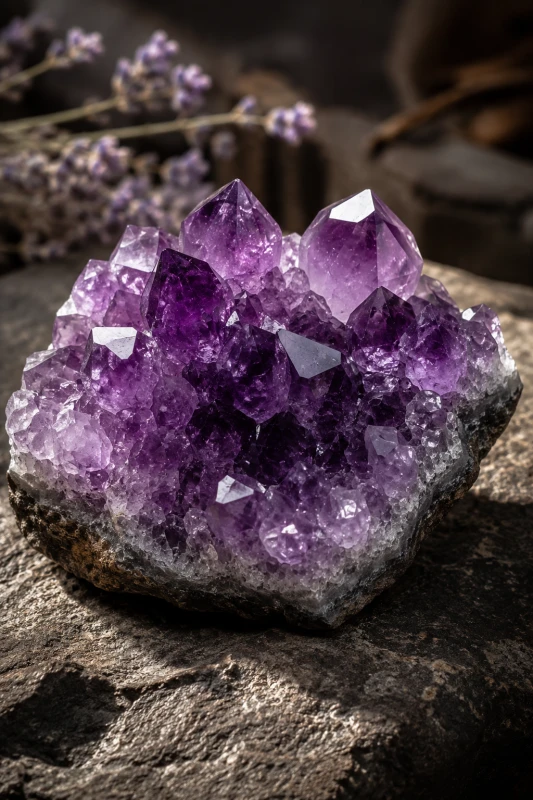 AMETHYST
 BLACK ONYX
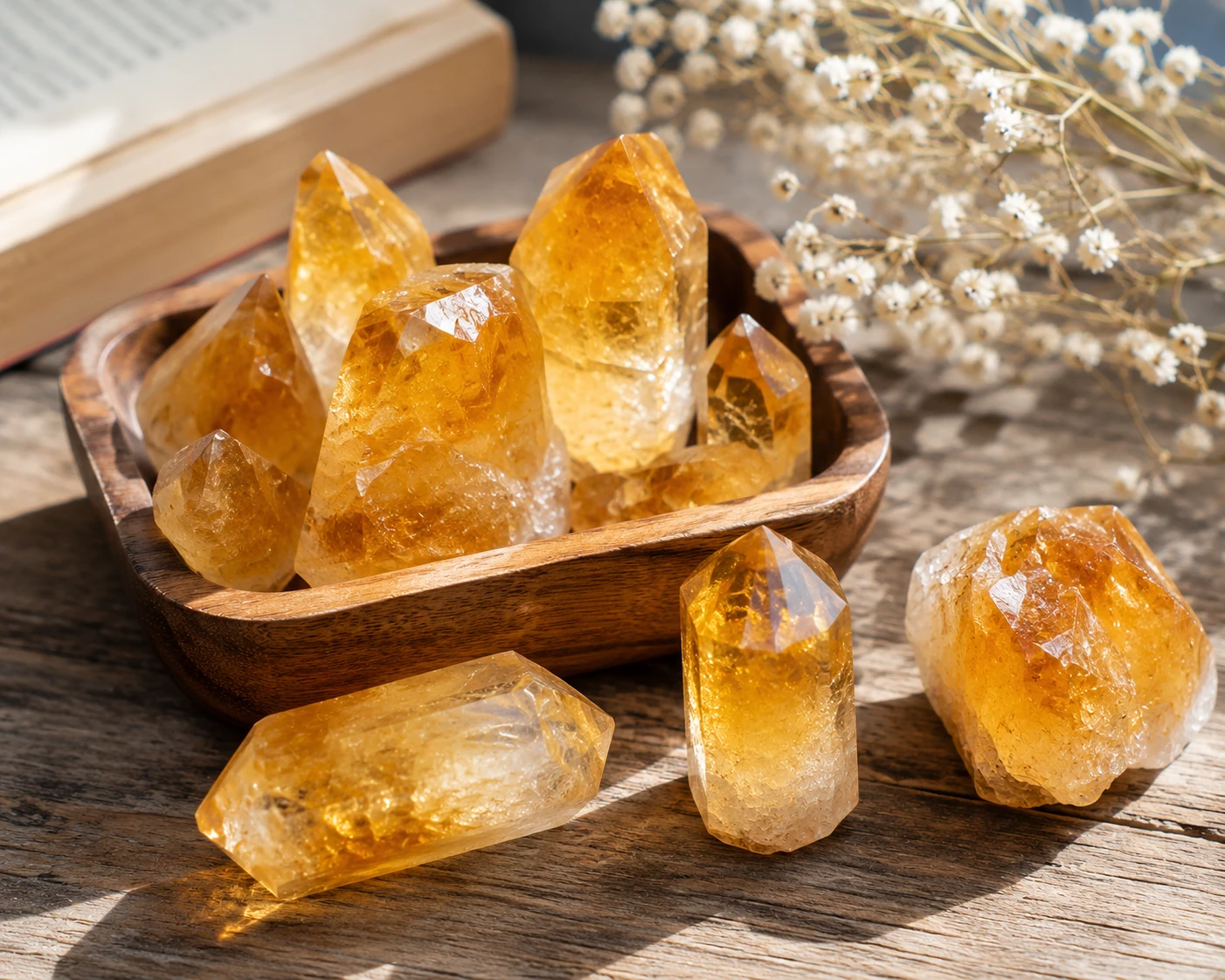 CITRINE
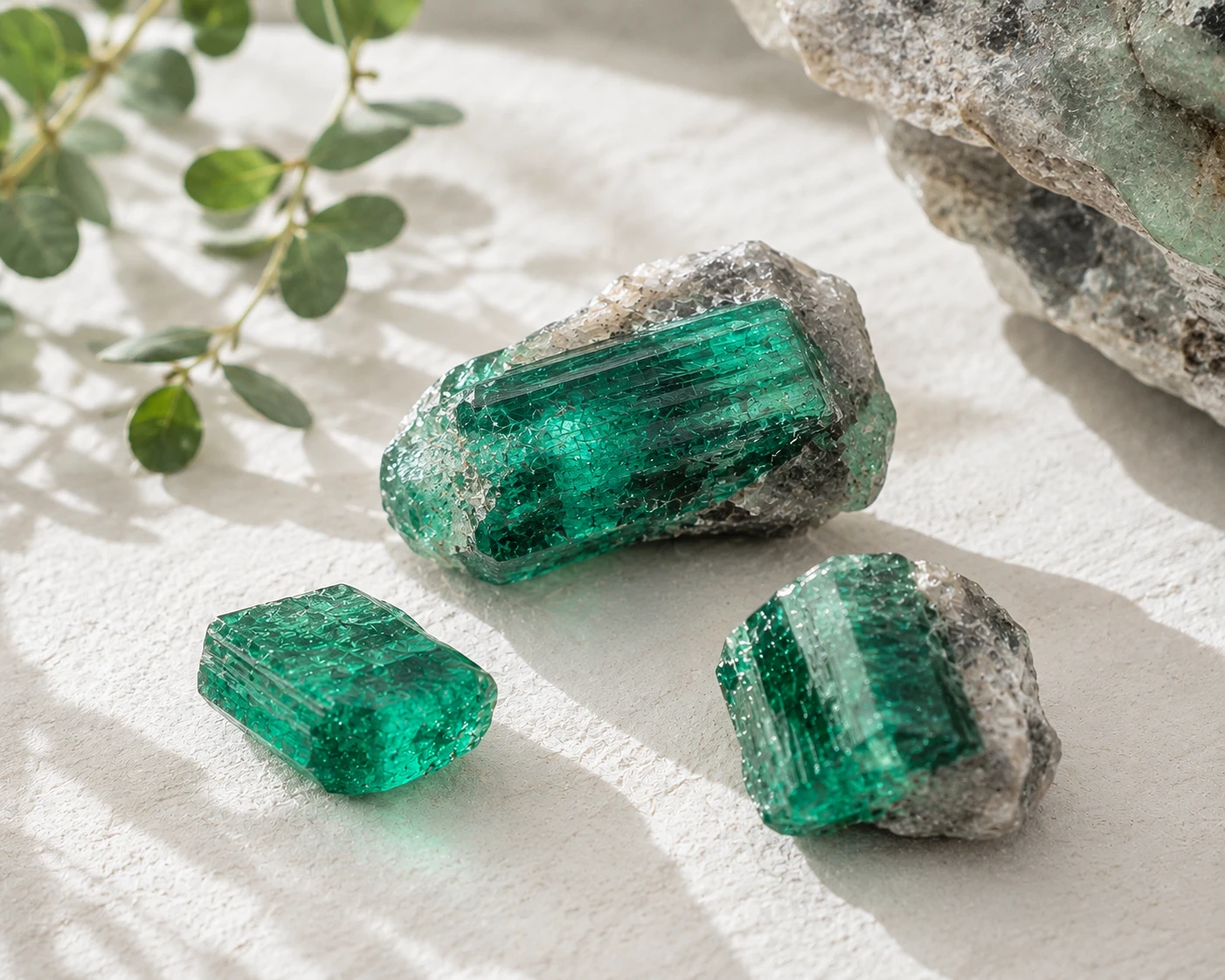 EMERALD
 GARNET
 GREEN ONYX
 LABRADORITE

Discover Collection

Discover Collection
Your wishlist is currently empty.
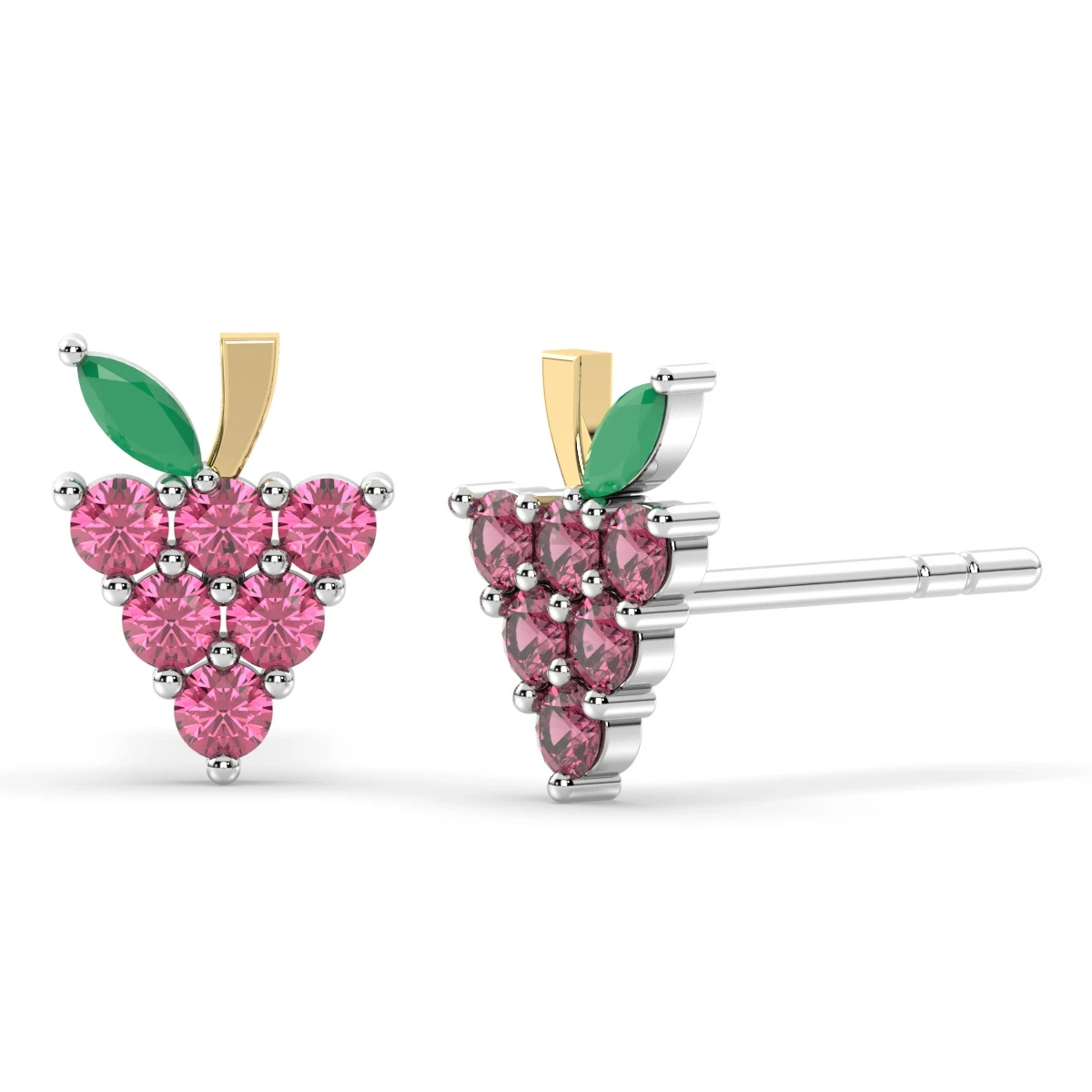
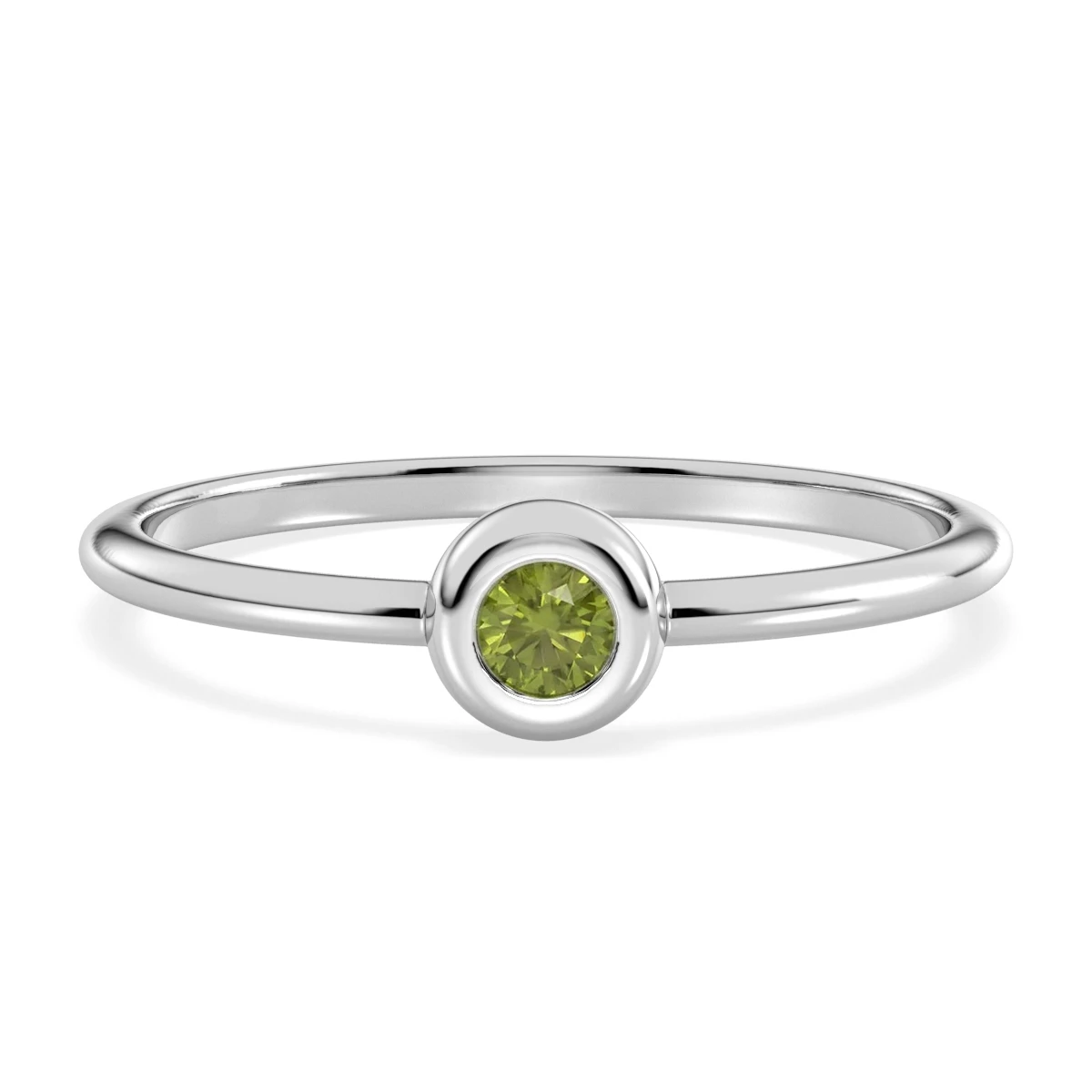
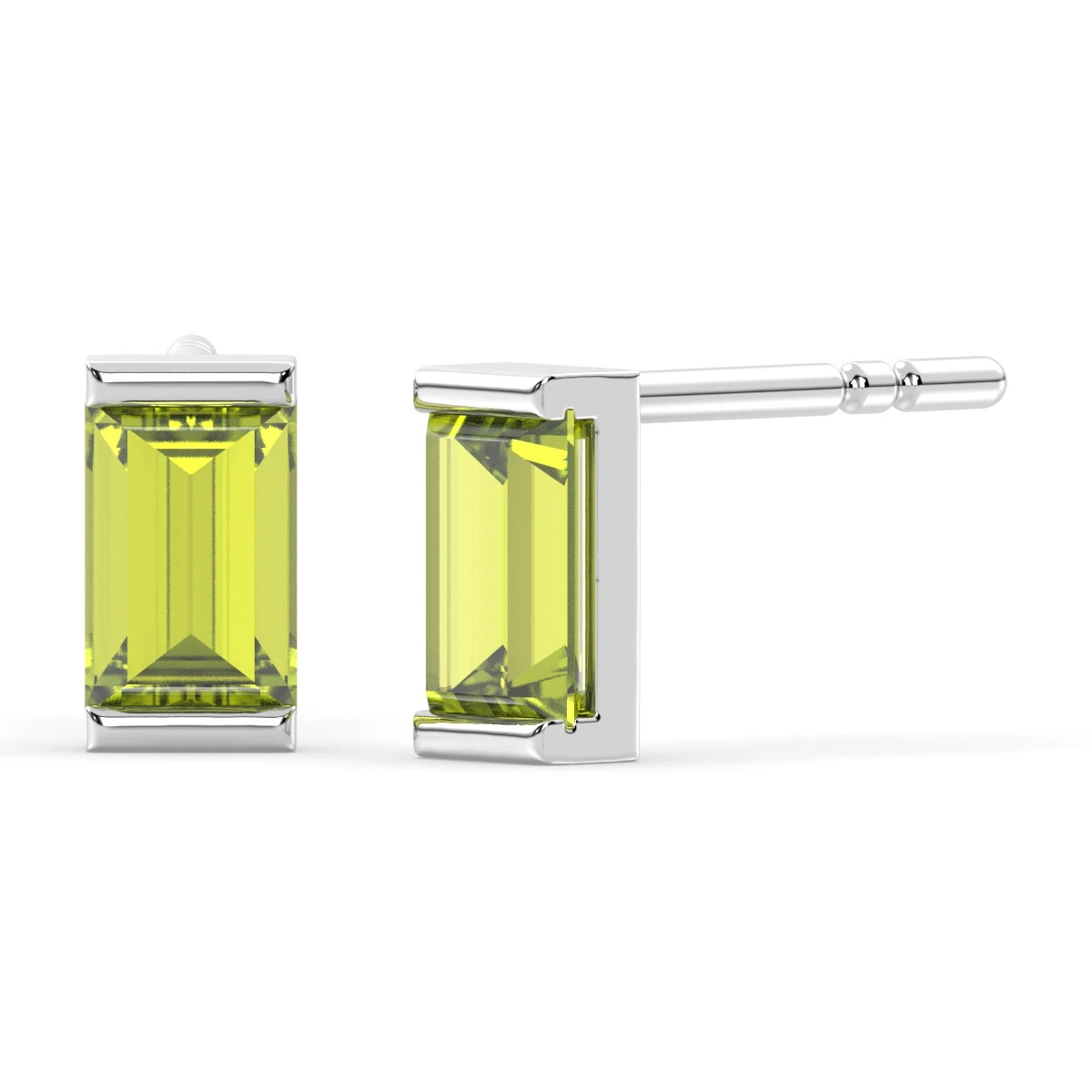
Discover the perfect gemstone for you
Explore our curated collections
Your wishlist is currently empty.
SUGGESTED FOR YOU
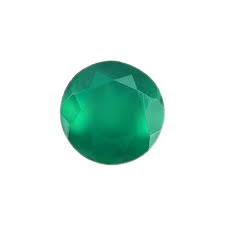
Ever caught yourself staring at an emerald's deep green glow, wondering what makes one stone a steal and another a splurge? Emerald gemstone is among the most famous jewels out there, and has been the ultimate status symbol for millennia, right up there with diamonds, rubies, and sapphires. Historically, it was favored by royalty, including Cleopatra, who famously adored emerald jewelry.
What sets them apart is that lush, lively green from beryl mixed with a dash of chromium, plus those telltale "jardin" inclusions that look like tiny gardens frozen inside. In this emerald guide, we're talking about everything from loose stones to emerald diamond buying guide essentials for those sleek, step-cut sparklers that double as diamonds. So make sure you stick with us until the end.
Emerald is a precious gemstone that exists in green-to-blue-green hues and belongs to the beryl mineral family. The gemstone displays its vibrant color through its chromatic mineral composition which includes chromium and vanadium in trace amounts. Emeralds display a Mohs hardness rating of 7.5 to 8 but their internal fractures make them vulnerable to damage.
The value of emerald gemstone reaches high levels because people considered it to be precious gemstones that connected to the month of May and they mined emeralds from Colombia, Zambia, and Brazil. Real emeralds are the green deal, while emerald-cut diamonds are just colorless rocks sliced into that long, elegant rectangle. Both look sophisticated, but emeralds need your full attention on treatments and toughness, or lack thereof.
Colombia supplies about 60% of the top emeralds, which are electric bluish-green with subtle blue undertones. A 1-carat from there might fetch $5,000 if clean. Zambia offers darker, cleaner stones; less jardin, more uniformity, great for modern minimalist rings. Brazil leans lighter, almost limey, ideal for budget buyers. Places like Afghanistan or Ethiopia surprise with unique vibes, like velvety textures.
Lab-grown ones match chemically but skip the natural story, so they cost half and look flawless, no inclusions to charm collectors. For an emerald cut diamond buying guide, prioritize clarity and color. The step-cut design spotlights flaws like a window. Trapezoid corner shields prevent chips, evoking Art Deco elegance
Here’s what matters the most when you buy emeralds. Have a look at our ultimate guide to buying emeralds:
Color dominates any emerald buying guide. Aim for medium-dark tones with strong saturation, ideally bluish-green per GIA standards. Pure grass green emeralds are very rare. Skip the murky or patchy ones; they look dull under light. For example, a saturated Colombian beats a pale Brazilian every time.
In an emerald diamond buying guide, the open cut amplifies any tint. Stick to G+ grades to avoid yellow hints or bow-tie shadows. Length should run 1.3 to 1.5 times the width for best light play. Too square? Light leaks out.
Emeralds are Type III gems, so inclusions (those gardens) are expected, like fingerprints on glass. Eye-clean versions? Pricey rarities that hold value. Surface-reaching cracks? Pass immediately. GIA's VVS-VS2 range guides you. Use a loupe at the store. A VS1 emerald sparkles without distraction.
Emerald-cut diamonds demand VS2 or better to preserve sparkle. Both rate 7.5-8 on Mohs, but emerald fractures make them fragile. Handle gently; drop one, and it's over.
Cut matters too. Step cuts on emeralds highlight color through long, flat facets; corner shields protect edges. Ovals or pears maximize rough material on a budget; they squeeze 20% more carat weight. Target 60-72% depth and 64-74% table, off numbers dull the stone. Poor cut? Color fades fast.
Diamond emerald cuts need flawless polish and symmetry. Avoid deep pavilions over 74%; light bounces wrong. Cabochons suit cloudy stones, turning flaws into a silky glow, perfect for pendants.
Emeralds' 2.7 g/cm³ density makes them appear larger per carat than diamonds; 1 carat looks hefty. Rings shine at 1-3 carats; over 5, prices soar exponentially. A fine 2-carat Colombian might hit $20k. In an emerald guide, long stones suit slim fingers, 1-carat emerald cuts flatter small hands without overwhelming. Pair with a 0.5-carat side diamond for balance.
Buy Authentic, Hand-Crafted Emerald Jewelry at BAUTLR Today!
Supply spots, color intensity, clarity, size, all factor in. Colombian vivid greens command premiums, $10k+ per carat for top ones. Zambians offer value at half that for similar size. Market trends? Demand spiked 15% last year for ethical sources. Size jumps prices nonlinearly: 3 carats costs 10x a 1-carat.
At BAUTLR, the pricing for emerald gemstone starts from $89, making sure you get the most authentic pieces that do not break your bank. With clear product descriptions, you must know what you’re putting your money into. BAUTLR always wants to deliver the best to its customers. Shop affordable emerald jewelry today!
Always buy from a jeweler that provides certification from the Gemological Institute of America (GIA) or a similar authority. That report confirms whether the emerald gemstone is natural and how it’s been treated. When you see the stone in person, check it in natural daylight and ask to view it under a 10x loupe. Emeralds often contain natural inclusions, but you want to make sure there aren’t major cracks or chips.
A few warning signs to watch for:
Too many bubbles inside the stone
An unnatural glow or overly uniform color
A stone that looks suspiciously perfect
Emerald rings need a little more attention than diamond ones. Here’s how you can take care of it:
Store the ring separately in a soft pouch so harder gemstones don’t scratch it.
When cleaning, stick to warm water, mild soap, and a soft brush.
Avoid ultrasonic or steam cleaners because they can damage the stone or loosen the oils commonly used to enhance emerald clarity.
It’s also smart to remove the ring during workouts, household chores, or swimming. Chlorine and impact can damage the stone over time.
Get the ring checked by a jeweler once a year to make sure the setting is still secure.
With proper care, an emerald ring can easily last for generations, becoming the kind of piece people pass down with stories attached.
Emeralds are among the top choices when it comes to buying gemstone jewelry. Identifying the right jewel makes it easy to shop for authentic pieces. By watching out for a few red flags, and referring to reputable sellers, you can make your shopping experience much smoother. This emerald buying guide aims to bring forward the things that might get unnoticed sometimes.
We invite you to explore BAUTLR’s gorgeous collection of gemstone jewelry, from beautifully cut emeralds, to stunning amethysts, there’s something for everyone.
So explore BAUTLR, and shop authentic, handmade, expertly curated gemstone jewelry today!