Rings
Explore Collection

Popular Searches
Explore by Intention
Explore Collection
Explore Collection
Explore Collection

Explore Collection
 AMETHYST
 BLACK ONYX
 CITRINE
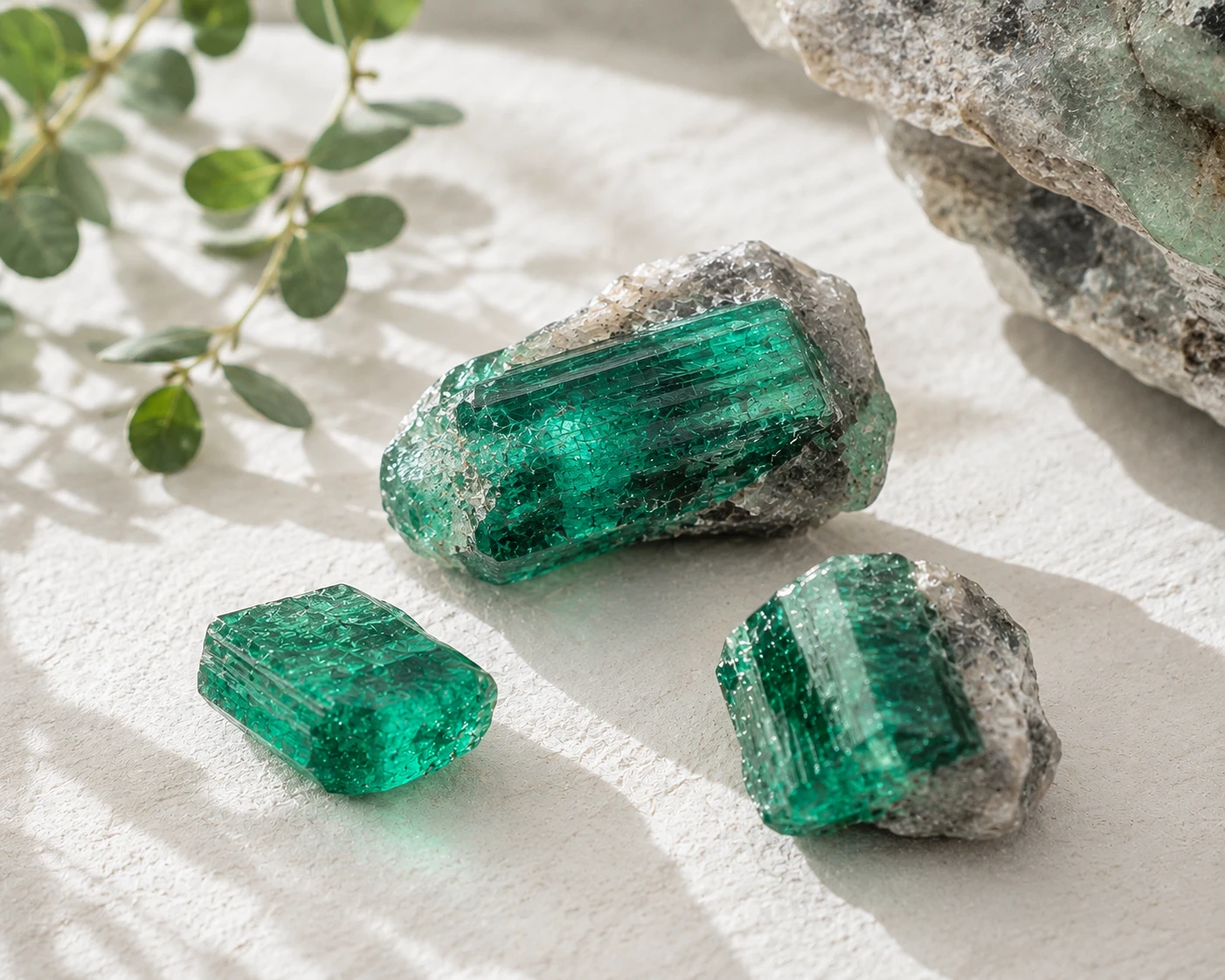 EMERALD
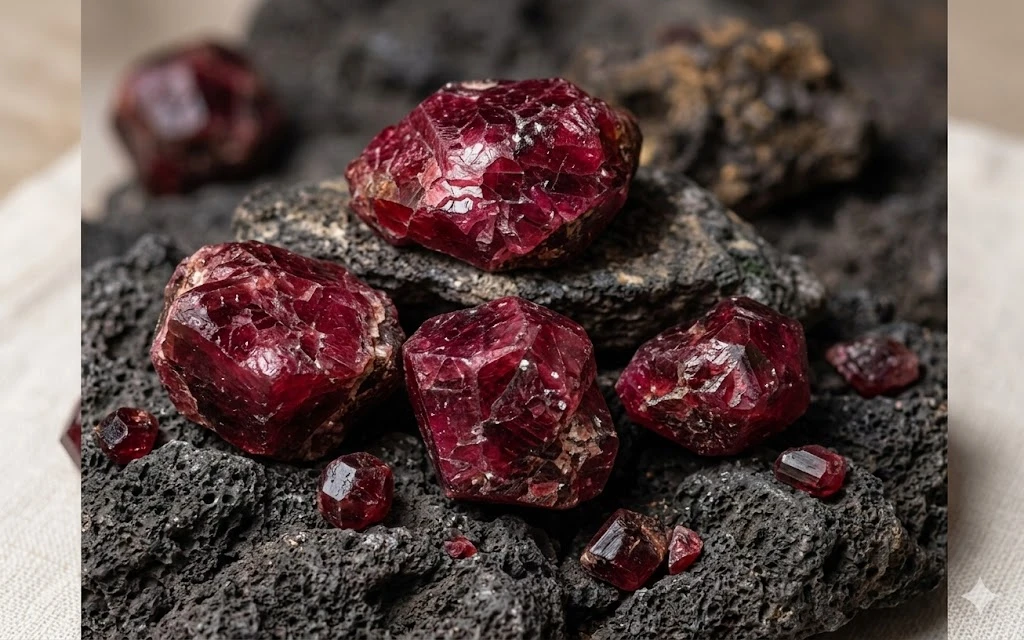 GARNET
 GREEN ONYX
 LABRADORITE
Discover Collection

Discover Collection
Your wishlist is currently empty.
Discover the perfect gemstone for you
Explore our curated collections
Your wishlist is currently empty.
SUGGESTED FOR YOU
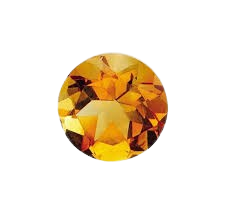
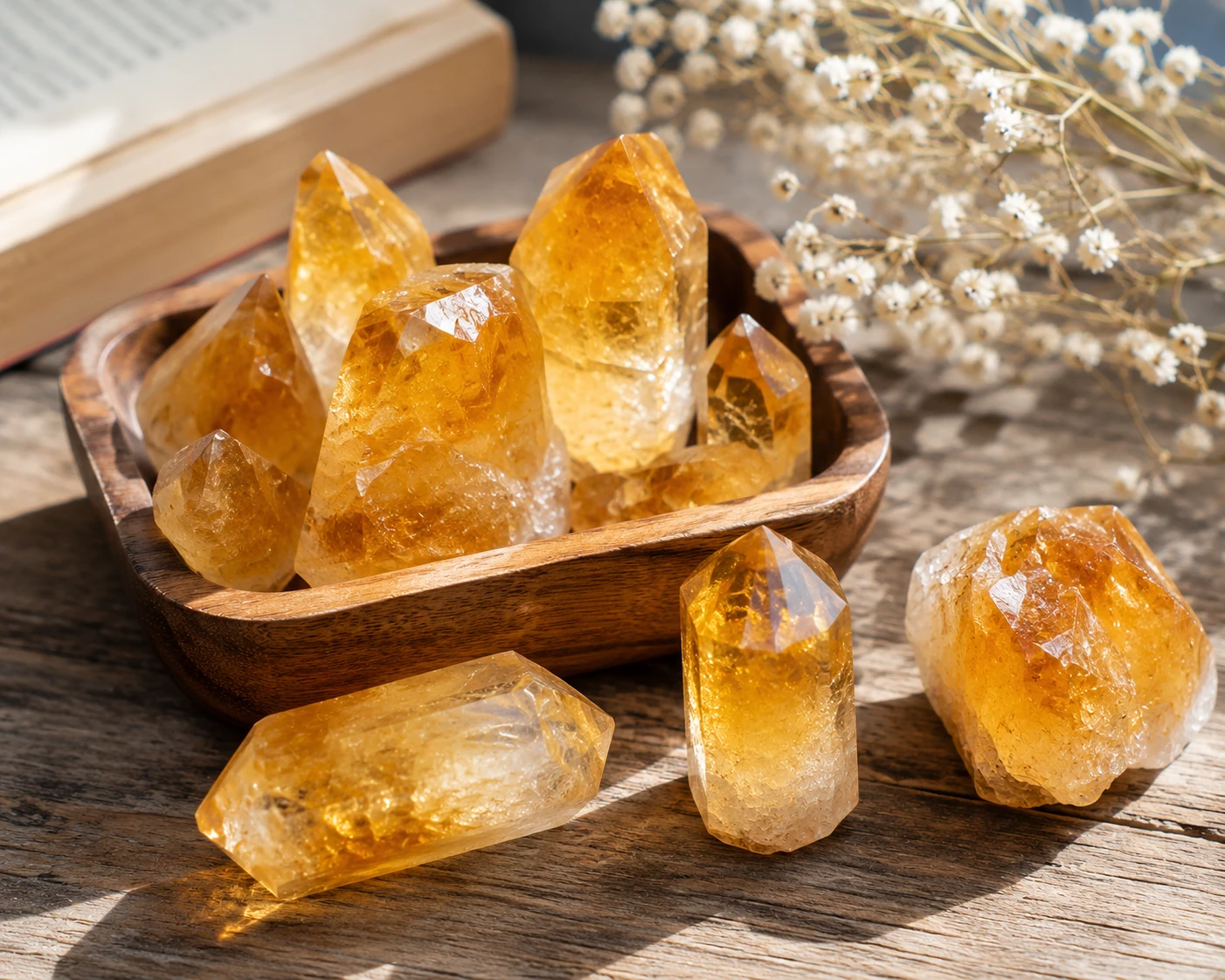
Golden crystals, bright orange stones, polished pieces, rings, pendants, clusters, this is what citrine is. It looks simple enough to pick one and move on. But not every stone labeled citrine is actually natural citrine.
That is exactly why a proper citrine guide helps. If you plan to buy citrine crystal, collect mineral specimens, or purchase gemstone jewelry, understanding quality and pricing makes the process far easier. This citrine buying guide walks through the essentials. You will learn how citrine forms, what affects its value, how pricing works, and where to buy real citrine without second-guessing your purchase.
(Image credits - Unsplash)
Citrine is a member of the quartz family, which also includes amethyst, rose quartz and smoky quartz. The mineral displays its distinctive appearance through its warm yellow and golden colors which extend from gentle lemon hues to intense honey shades.
Compared to many gemstones, citrine is fairly durable. It sits at 7 on the Mohs hardness scale, which makes it suitable for rings, pendants, and other everyday jewelry pieces.
Because the stone is available in different shapes and sizes, buyers can find everything from faceted gemstones to large raw crystals. That versatility is one reason so many people choose to buy citrine gemstone pieces for jewelry or collections.
Natural citrine does exist, but it is not as common as people assume. In many cases, the deep orange stones seen in shops began life as amethyst. Amethyst exhibits color changes with high-temperature heat treatment which creates a golden hue similar to its original state.
The gemstone industry acknowledges this process as standard practice yet it results in decreased availability of natural citrine because artificial gemstones are more common. Because of their rarity, natural specimens usually command higher prices.
Citrine has managed to stay relevant in the gemstone world for several simple reasons –
The golden tone pairs well with yellow gold, rose gold, and silver jewelry.
The jewelry matches with multiple metal options which include yellow gold and rose gold and silver.
Buyers can select from three different forms of citrine, which include rough mineral specimens and polished stones and faceted gemstones.
If you want to buy citrine stone, you should first investigate the typical stone varieties which exist in the market. The various citrine types provide different functions which range from making jewelry to building crystal collections.
Raw citrine crystals are unprocessed stones which exist in their original state without cutting or polishing. The minerals typically exist in the form of natural quartz points or quartz clusters. Crystal collectors prefer raw crystals because they display the complete natural appearance of stones which developed in their original environment.
Polished citrine stones are shaped and smoothed to create a refined surface. These are commonly sold as tumbled stones, palm stones, or decorative carvings. Some people choose polished pieces for home décor, while others carry smaller stones for personal collections.
Faceted citrine gemstones are cut to enhance light reflection and brilliance. These stones appear in rings, earrings, and pendants. When buyers want to buy citrine gemstone jewelry, the cut becomes extremely important because it determines how bright the stone looks once it is set.
(Image credits - Unsplash)
Gemstones are typically evaluated using four key factors known as the 4Cs. These are cut, color, clarity, and carat weight. Let’s have a closer look:
People usually focus on color as their initial observation. High-quality citrine displays warm golden tones which maintain their brightness without becoming excessively dark. Citrine stones display natural yellow colors but very deep orange stones show evidence of heat treatment.
The clarity of citrine provides it with an advantage that most gemstones do not possess. Good stones show eye-clean status which means they have no visible inclusions. Stones with cracks or internal flaws typically fall into lower value categories.
The gemstone's cut determines its ability to reflect light. A poorly cut stone will show dullness despite having high-quality material. Properly cut citrine gemstones distribute light throughout their surface while achieving maximum brilliance.
Carat refers to the weight of the gemstone. Larger citrine stones are easier to find compared to many other gemstones, but size still influences price. When evaluating stones, buyers usually consider size alongside color and clarity.
If you plan to buy natural citrine crystal, a few visual checks can help you avoid common mistakes –
Natural citrine often displays gentle yellow or golden shades. When the color appears extremely dark or burnt orange, there is a good chance the stone has been heat treated. Color distribution can also reveal clues. Natural stones sometimes show slight variation rather than perfectly uniform color.
Raw citrine forms in quartz points and clusters. In heat-treated amethyst, darker color concentrations sometimes appear near the tips of the crystal. This detail can occasionally help identify the stone’s origin.
A reliable seller will openly explain whether the stone is natural or heat treated. Treatment information shows a company's transparency which makes their business more trustworthy.
Citrine prices show more variation than buyers usually anticipate. The value depends largely on quality, size, and whether the stone is natural or treated. Raw crystals represent the least expensive choice. The cost of small items remains affordable while large collector pieces become more expensive.
Faceted gemstones tend to be priced differently. Here, the 4Cs become far more important. Stones with excellent clarity, rich color, and precise cutting usually command higher prices. Natural citrine often costs more than treated stones because it occurs less frequently in nature.
Anyone who wants to buy citrine crystal online should check multiple sellers to learn about common price ranges. Baultr’s citrine collection starts from $79. It ensures that the jewelry pieces are curated with high-quality citrine, and are handcrafted with deep expertise and care.
Knowing the citrine crystal where to buy is just as important as understanding the stone itself. Different purchasing options offer different advantages.
Crystal and Gemstone Shops: Local gemstone stores allow buyers to inspect stones in person. Seeing the color, clarity, and size directly can make the decision easier. However, smaller shops sometimes have limited selections.
Online Crystal Retailers: Online stores usually carry a wider variety of stones, including larger crystals and unique cuts. Many reputable sellers, such as BAUTLR, provide detailed descriptions, high-resolution images, and gemstone specifications.
Choosing a Reliable Seller: Before deciding where to buy real citrine, take a moment to review the seller carefully. Look for clear product descriptions, treatment disclosures, and customer feedback. Transparent sellers usually provide better buying experiences.
Looking to buy real citrine jewelry? Baultr offers a curated selection of crystals and gemstones. Shop now!
(Image credits - Unsplash)
Buying gemstones online is convenient, but it does require attention to detail.
Study the Product Photos: Good listings include images taken from multiple angles under natural lighting. This helps buyers judge the true color and clarity of the stone.
Compare Prices: Checking several sellers helps buyers avoid paying far above market value.
Verify Authenticity Information: A trustworthy retailer clearly explains whether the citrine is natural or treated.
Check Reviews: Customer reviews can reveal whether previous buyers received stones that matched the description.
Buying citrine becomes much simpler once you understand the basics with our citrine guide. Paying attention to color, clarity, and seller transparency helps buyers avoid the most common mistakes. Whether you want to buy citrine crystal, add a polished stone to your collection, or purchase jewelry, learning the fundamentals makes the process far less confusing.
If you are ready to explore options, Baultr’s collection is a practical place to start. Their range of stones makes it easier to compare quality and confidently buy citrine crystal online without uncertainty. Shop now!