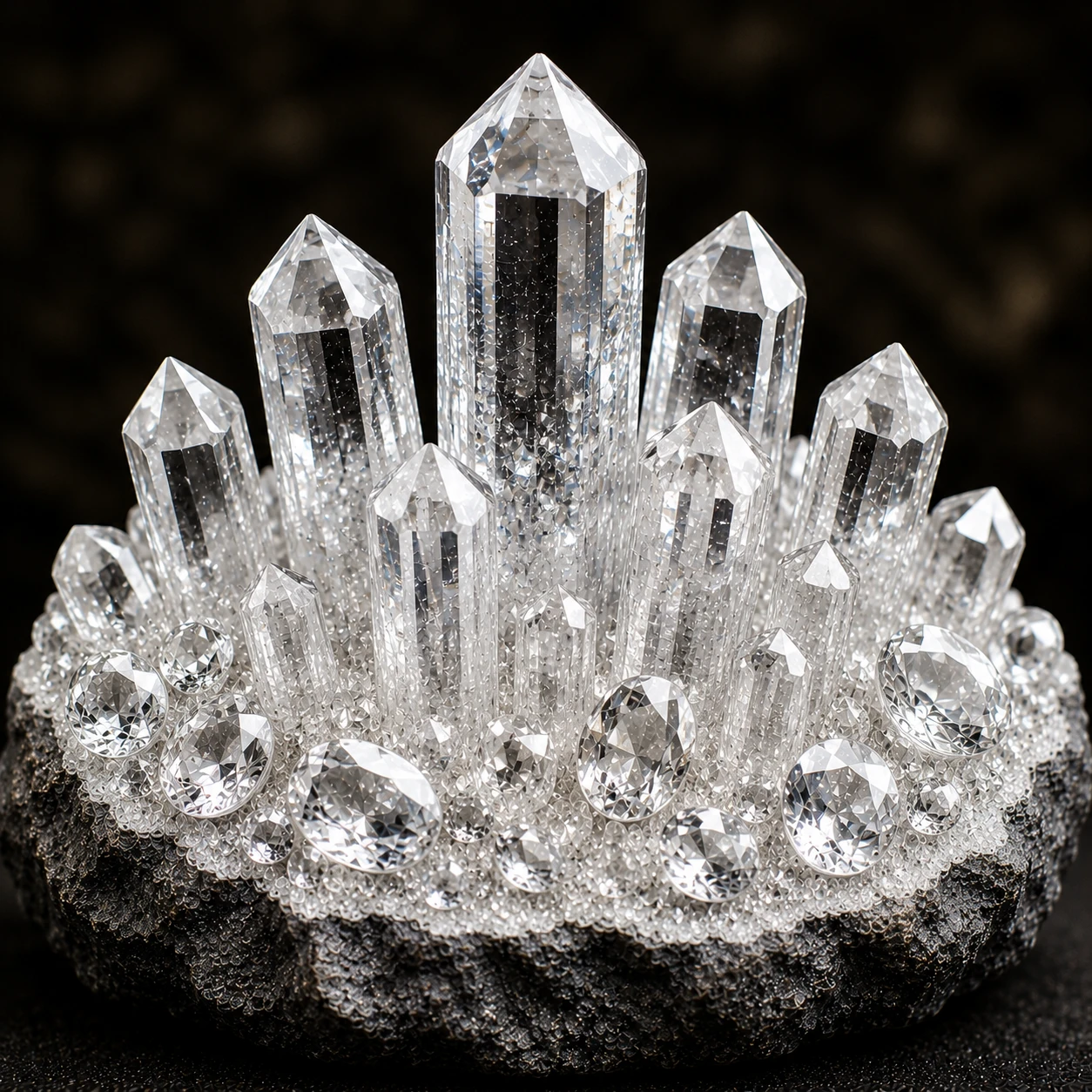
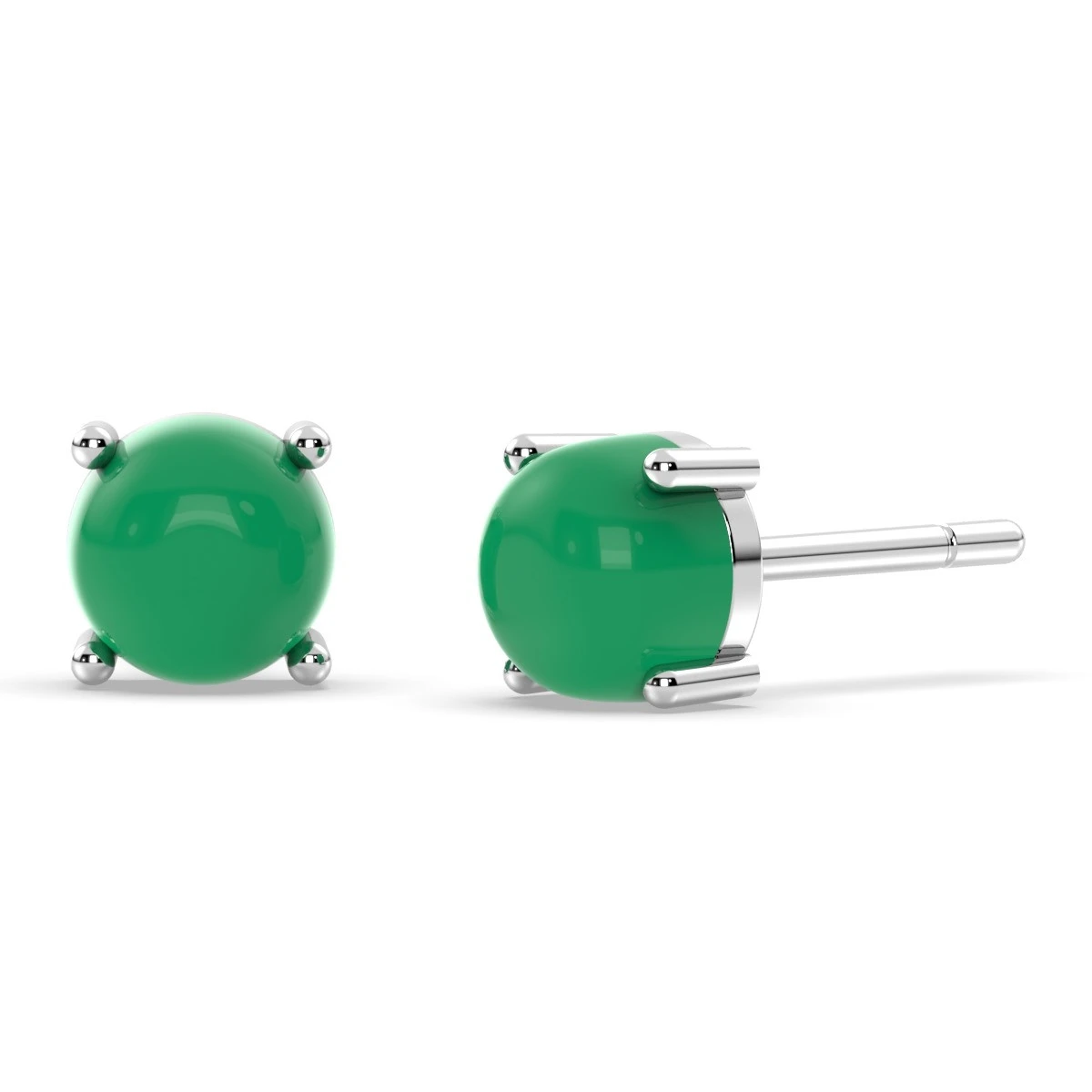
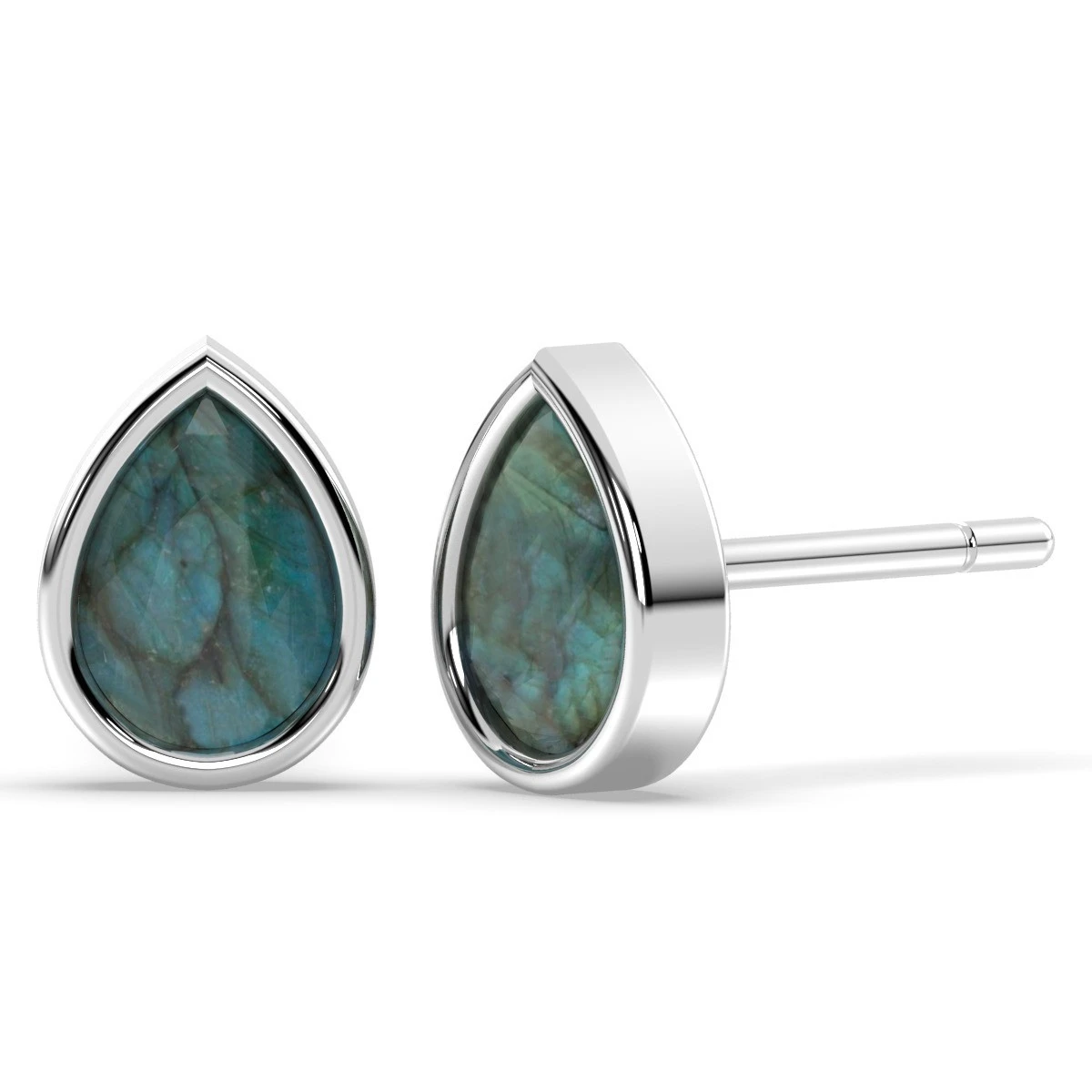
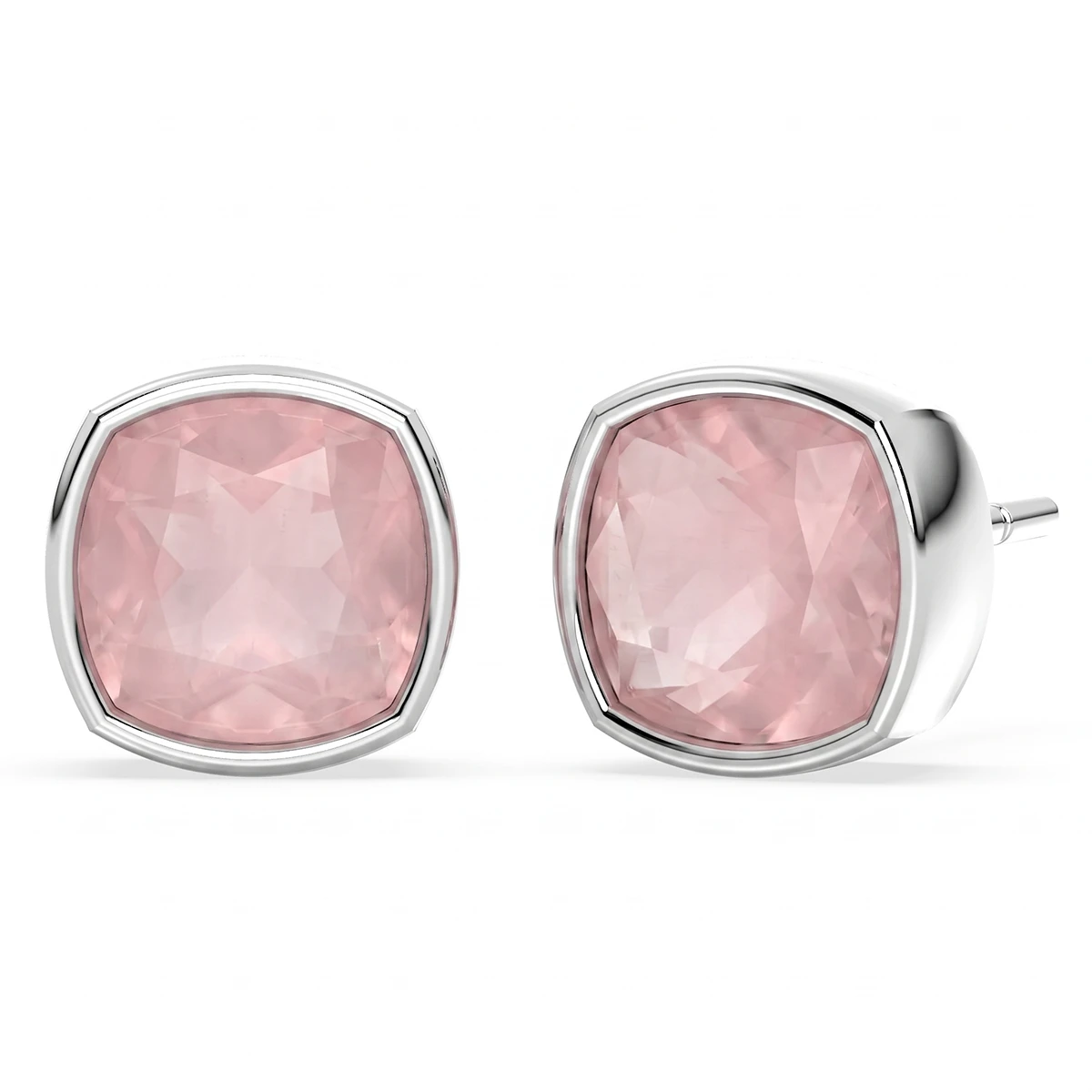
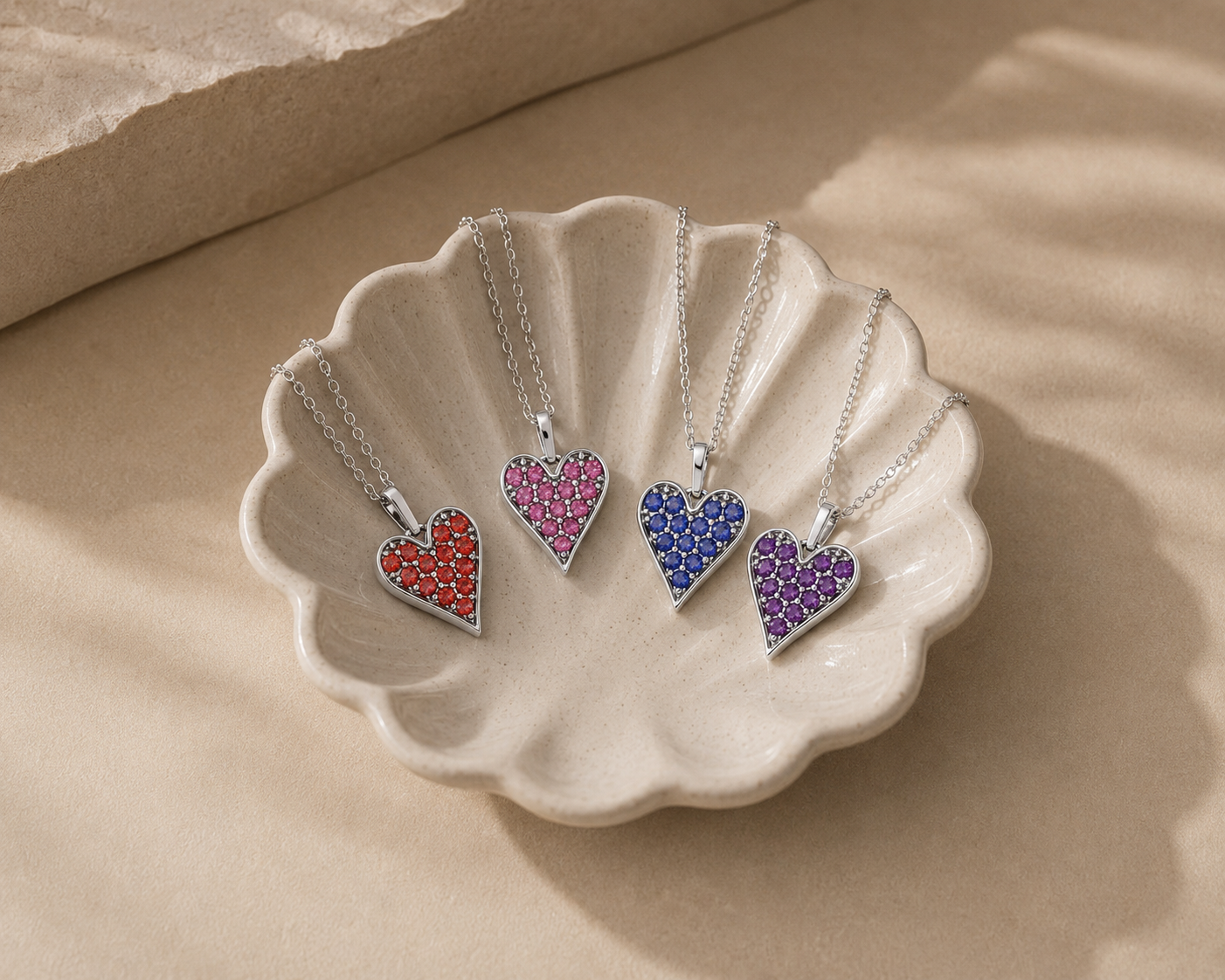
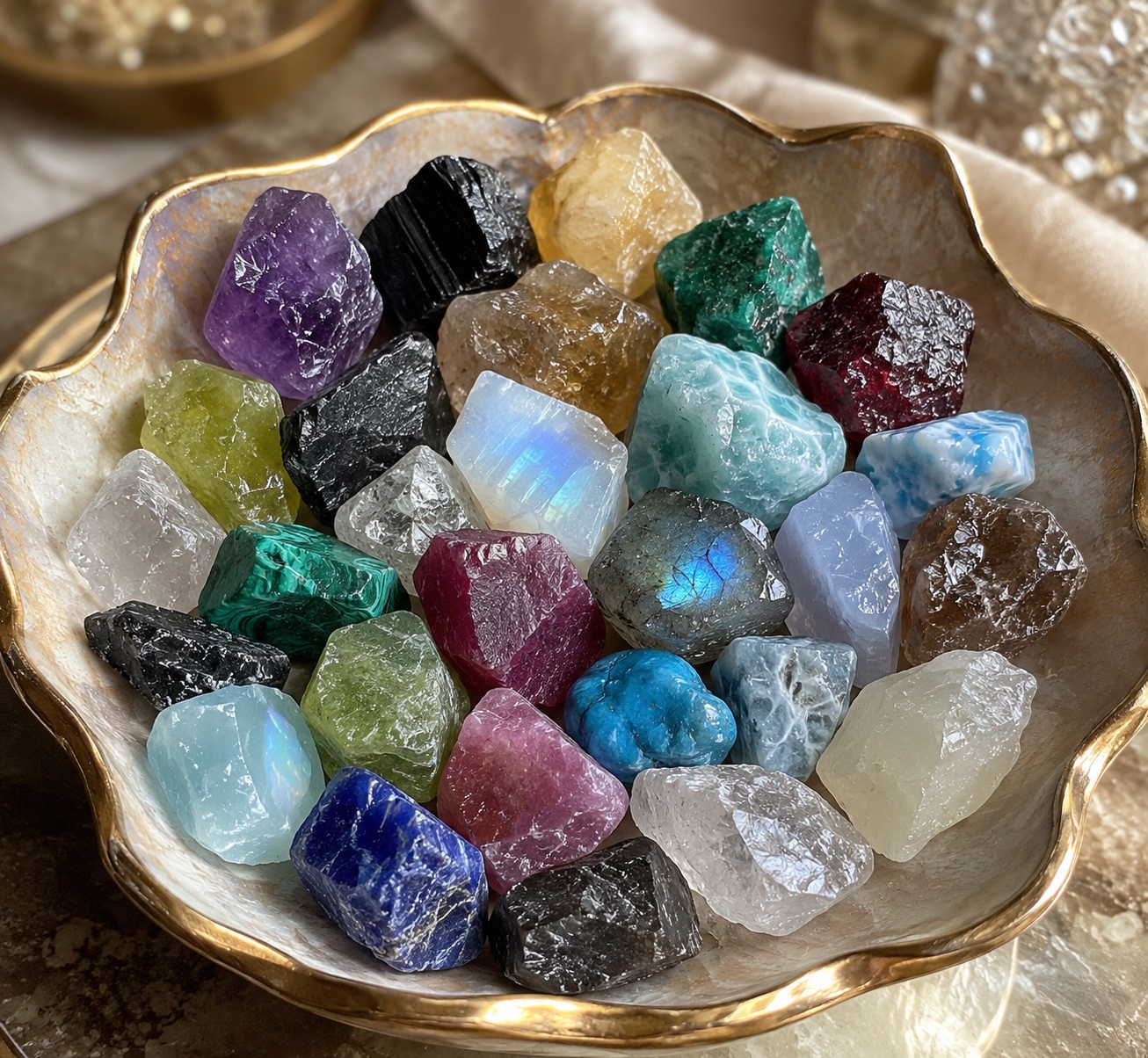
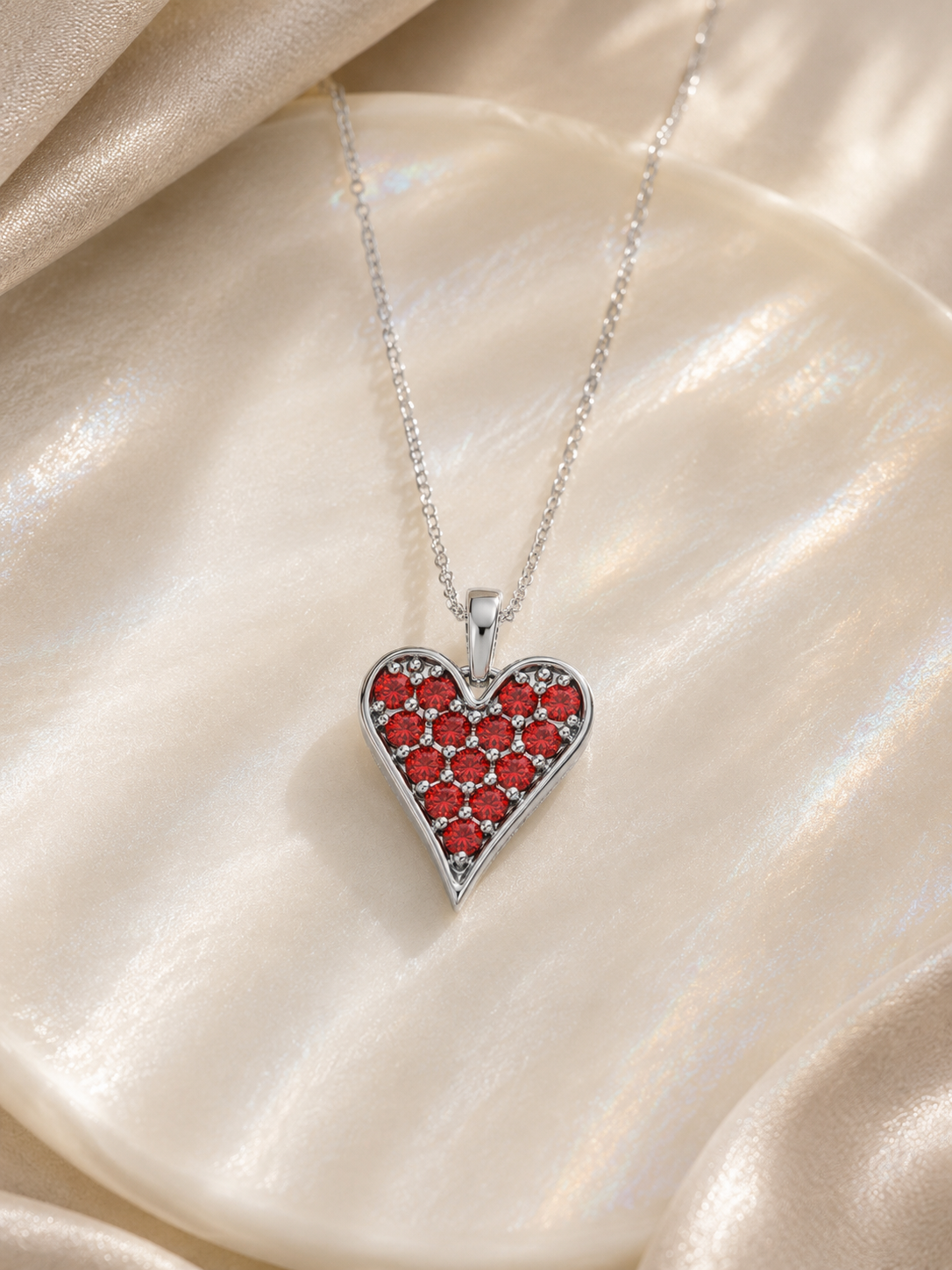
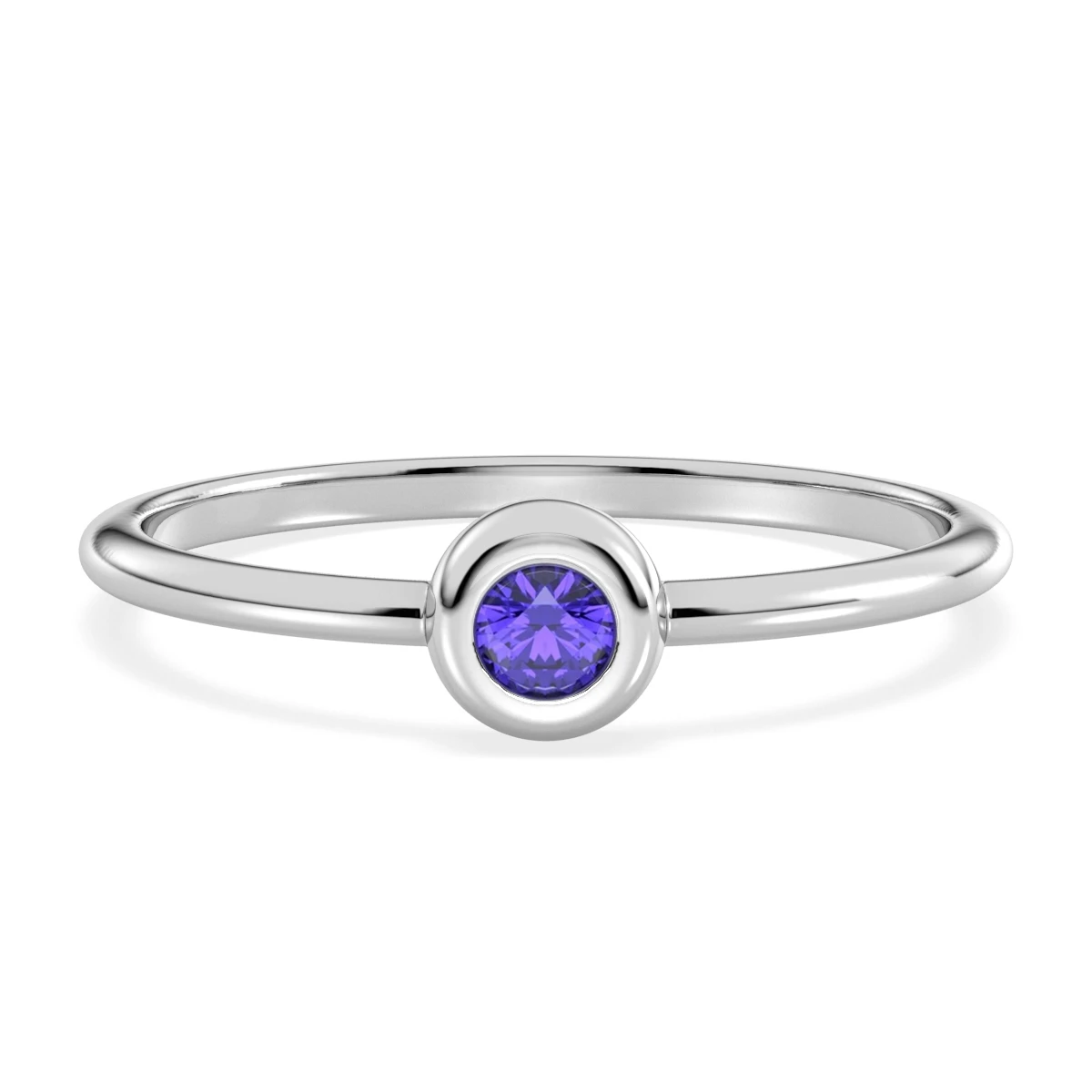
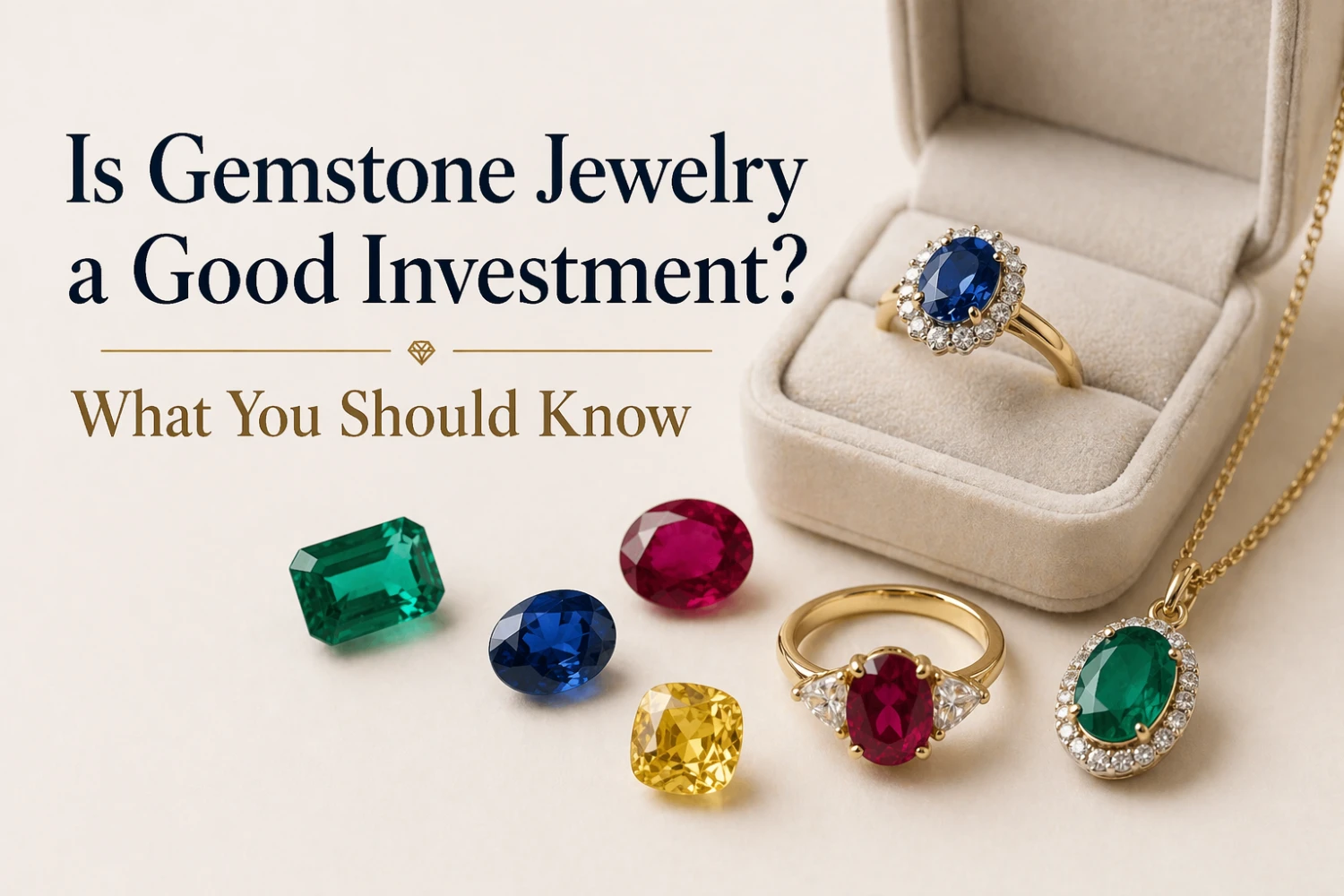
Small, easy to store, and surprisingly valuable. That’s a big part of why gemstone investments catch people’s attention. You’re not dealing with paperwork-heavy assets or something locked in a digital account. It’s physical, and you can actually hold it.
But here’s where expectations need a reset. Gemstone investing isn’t fast. It doesn’t behave like stocks, and it definitely isn’t a quick flip game. People who do well with investing in gemstones usually sit on their pieces for years, sometimes decades. Patience isn’t optional here.

Are Gemstones a Good Investment?
It Depends On What You Expect
Ask ten people “are gemstones a good investment,” and you’ll get mixed answers. That’s because the outcome isn’t guaranteed. Some stones perform well over time, others don’t move much at all.
They’re better at preserving value than rapidly growing it. High-quality investment gemstones tend to hold steady, especially rare ones. But if you’re expecting quick returns, this space can feel slow.
Where They Actually Fit
Think of gemstones as something you add, not something you build everything around. They don’t follow the same patterns as stocks or gold, which is useful for diversification. At the same time, pricing isn’t always straightforward. Two stones might look almost identical and still have very different values. That’s where experience and research start to matter more than anything else in gemstone investing.
What Makes a Gemstone Worth Investing In
Rarity Carries Real Weight
Common stones don’t usually perform well in gemstone investments. The ones that hold or increase value tend to be harder to find. Limited supply plays a big role in long-term demand.
Natural Stones are Preferred
Treatments can improve appearance, but they often reduce value. If you’re serious about investing in gemstones, natural or minimally treated stones are usually the safer choice.
Quality is Everything
Color, clarity, and cut aren’t just aesthetic factors. They directly influence price. A vivid stone with strong clarity and a precise cut will always stand out in the market.
Size and Origin Matter
Larger stones are rarer, which naturally increases their value. Origin adds another layer. Certain locations, like Burma for rubies or Kashmir for sapphires, are known for producing higher-quality stones.
Certification Isn’t Optional
If there’s no proper certification, you’re taking a risk. Reliable labs, such as GIA and IGI confirm authenticity and details like origin and treatment. Without that, resale becomes harder and trust drops quickly in gemstone investing.
Best Gemstones to Invest In

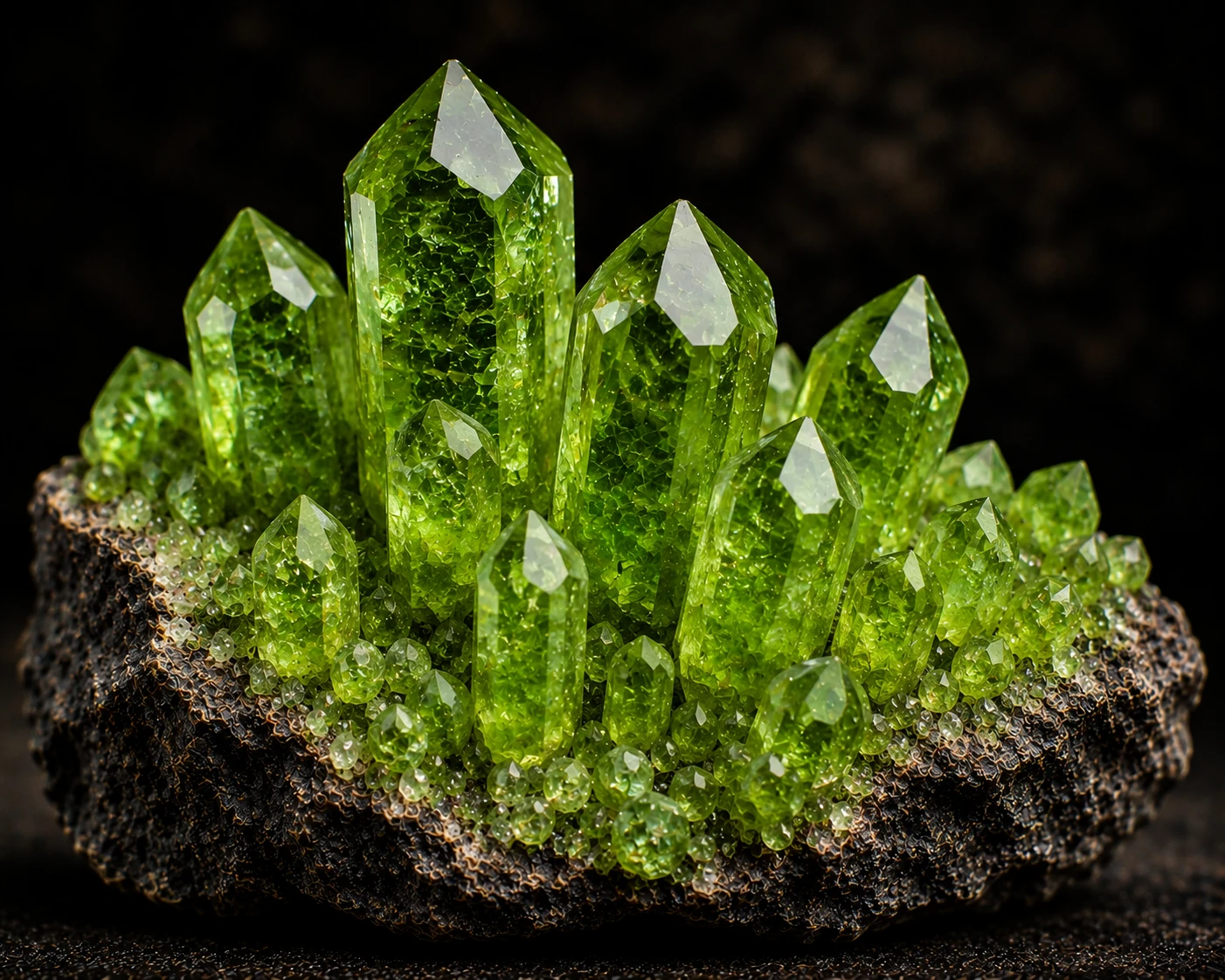
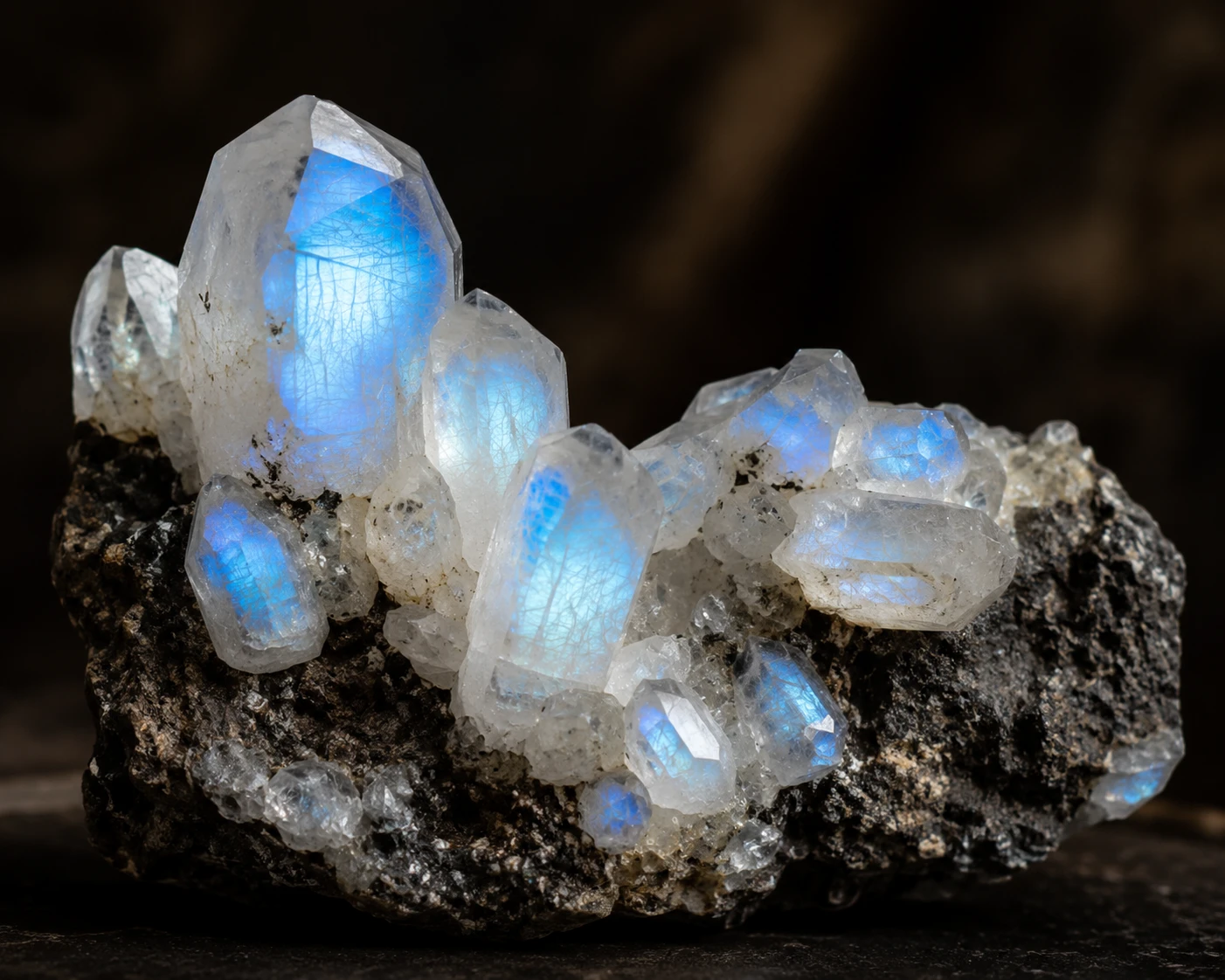
Some stones consistently show up in conversations about best gemstones to invest in, and there’s a reason for that. Let’s talk about them:
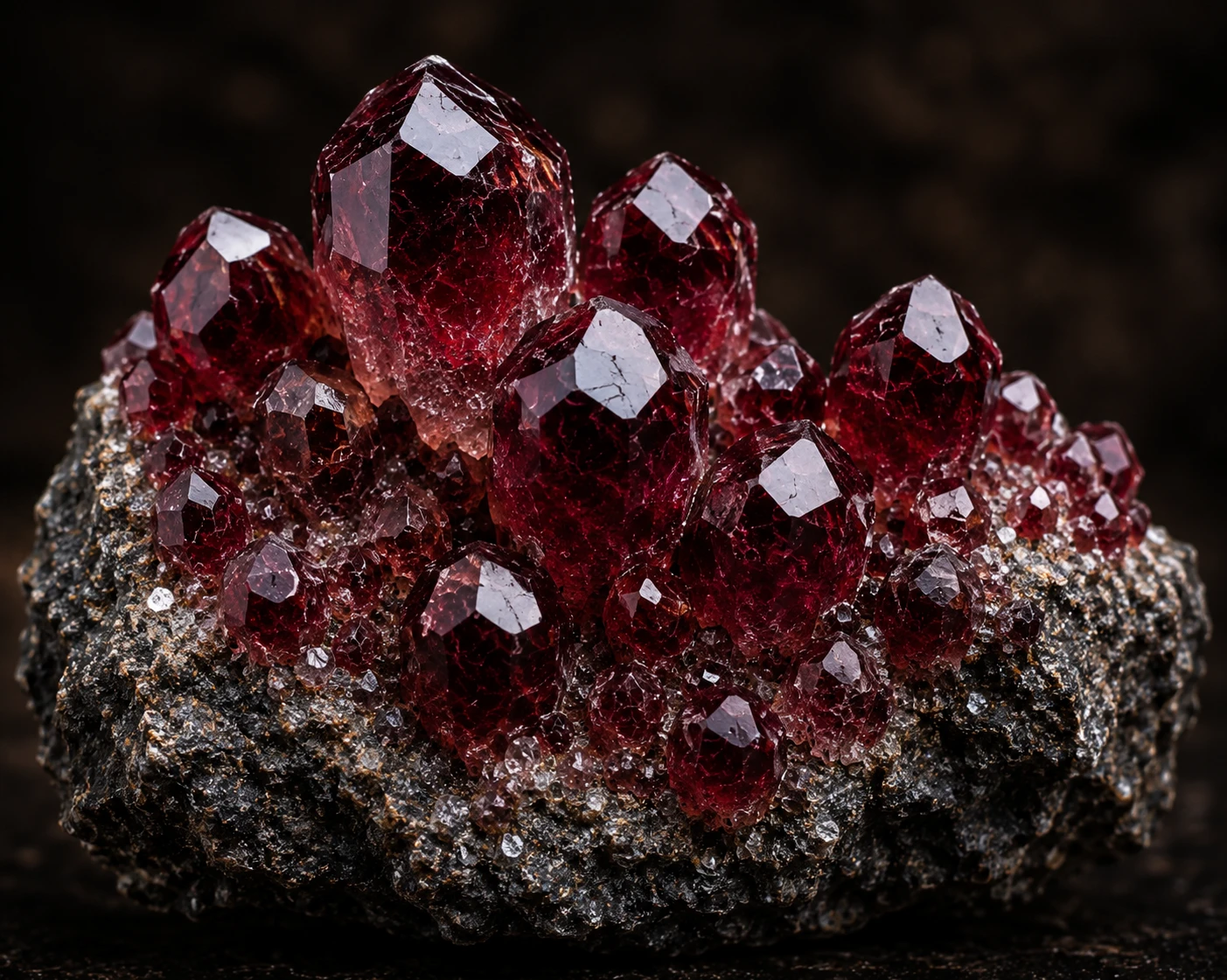
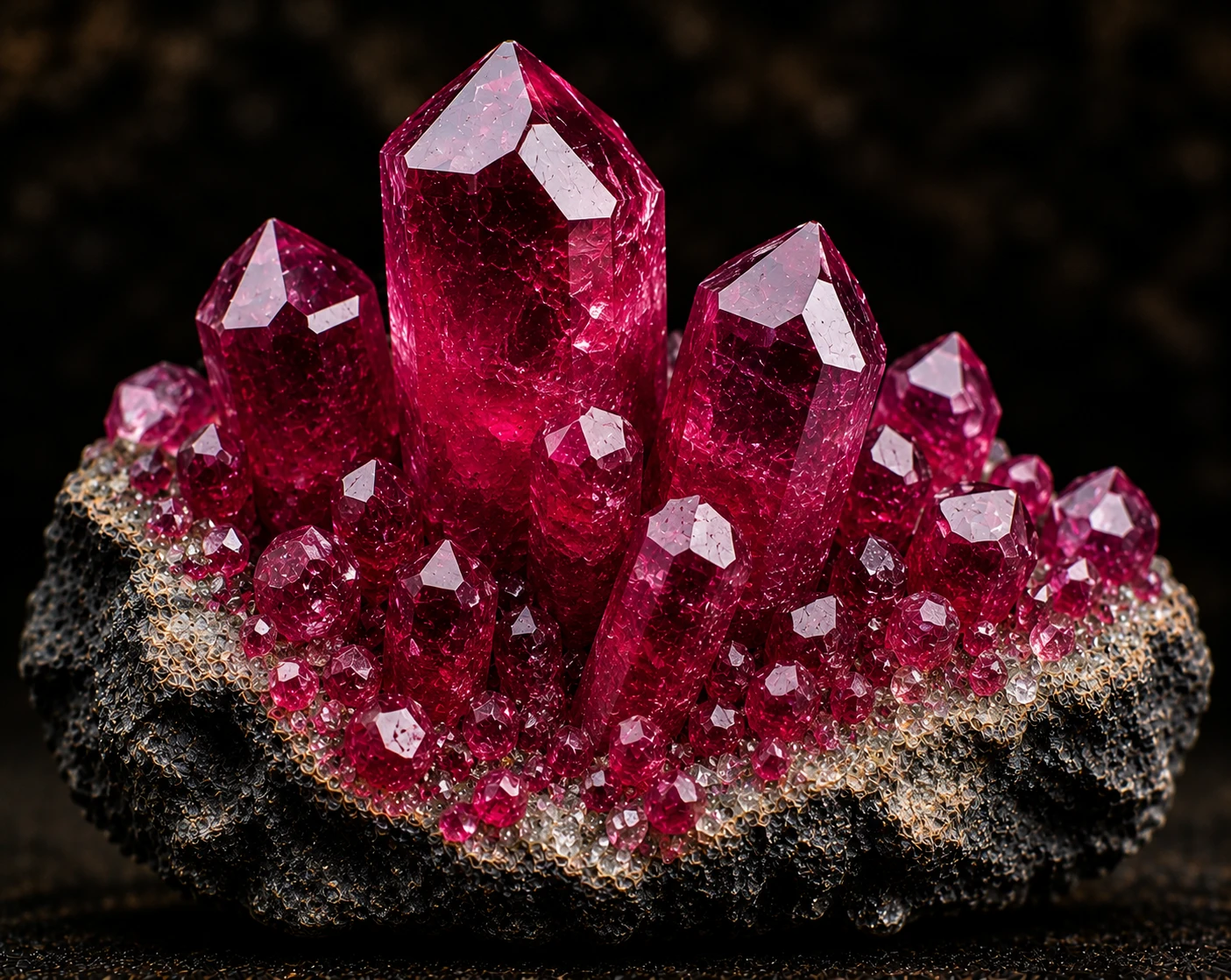
Ruby: High-quality rubies, especially untreated ones, are rare. That scarcity keeps demand strong. They’re often considered top-tier investment gemstones.
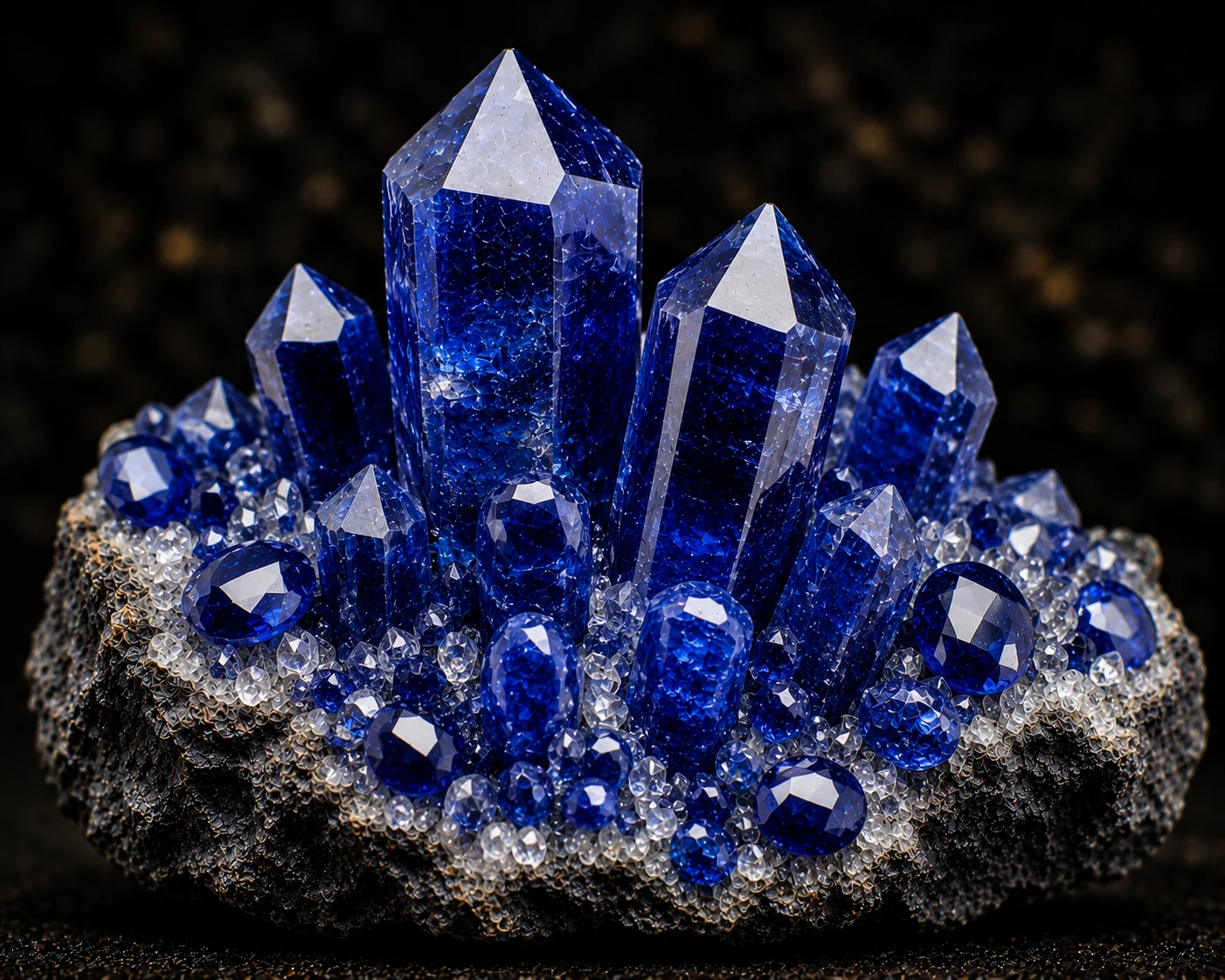
Sapphire: Deep blue sapphires tend to lead the market. Stones from regions like Kashmir or Burma are especially valued in gemstone investments.
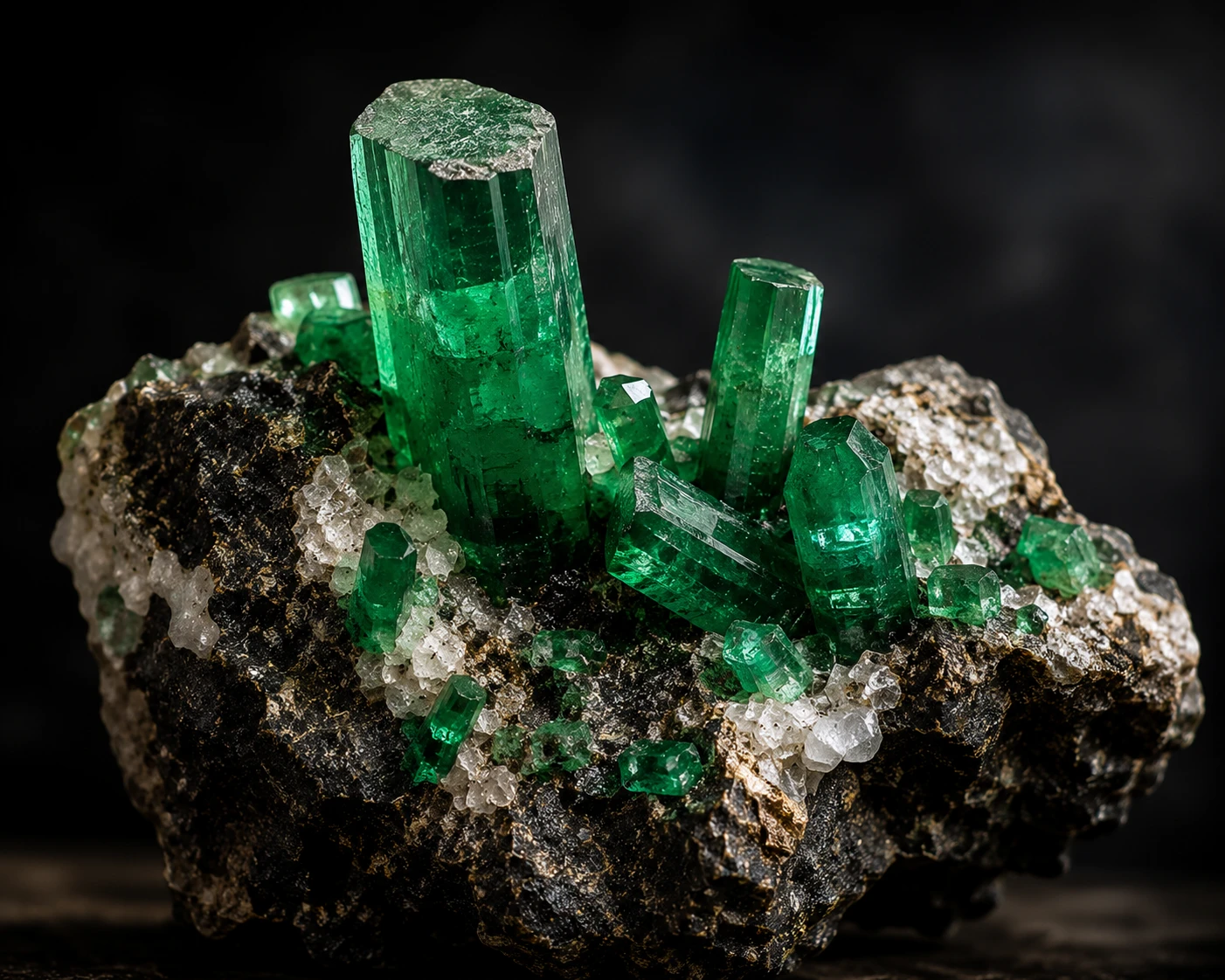
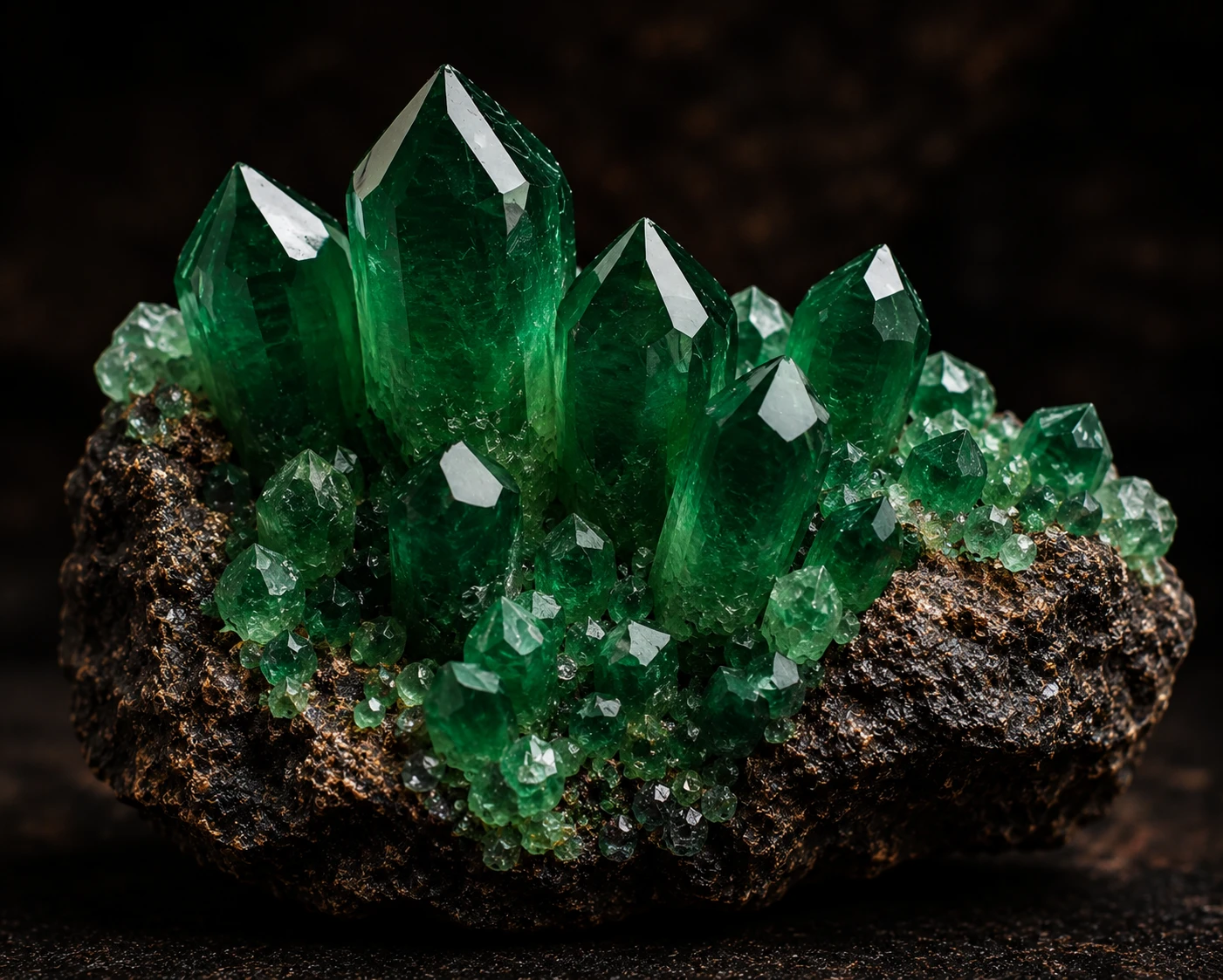
Emerald: Emeralds have a distinct appearance that keeps them in demand. Colombian emeralds, in particular, are often seen as strong choices for investing in gemstones.
Alexandrite: This one is known for its color-changing effect. It’s rare and often attracts collectors looking for something unique.
Spinel: Spinel has been gaining attention. It offers strong color and growing demand, making it one of the best gemstones for investment outside the traditional picks.
Paraíba Tourmaline: Bright, almost neon in appearance, and extremely rare. That combination gives it strong potential among the best gemstones to invest in.
Even with newer stones entering the spotlight, ruby, sapphire, and emerald still dominate most serious gemstone investing discussions.
Choosing Based on Your Goals
Not everyone approaches this the same way. The right stone depends on what you’re aiming for.
If you want stability, ruby, sapphire, and emerald are usually the first choices. They’ve been traded for years and have established markets.
If rarity is your focus, stones like alexandrite, spinel, and Paraíba tourmaline come into play. They’re less common and often appeal to collectors.
For those starting smaller, certified stones with lower carat weights can still work. You don’t need to go big immediately to invest in gemstones. Starting carefully is often the smarter move.
Risks You Should Know About
Liquidity is one of the biggest issues. Selling a gemstone takes time. There’s no instant market like stocks or gold.
Pricing can also vary depending on who you’re dealing with. Experience plays a big role here, and not every seller prices things the same way.
Then there’s the issue of treatments and synthetic stones. If these aren’t disclosed properly, they can seriously affect value. It’s one of the more common problems in investing in gemstones.
Market hype is another factor. Sometimes prices rise because something becomes trendy, not because it’s genuinely rare or valuable. That doesn’t always hold long-term.
How to Invest in Gemstones Safely
There’s no perfect formula, but a few habits make a big difference.
Buy certified stones. Always. That’s non-negotiable in gemstone investments.
Work with sellers who have a solid reputation. Transparency matters more than anything here.
Compare options before buying. It helps you understand pricing and avoid overpaying.
Pay attention to documentation. Stones with clear origin and treatment details are easier to sell later.
And most importantly, think long term. Short-term flipping rarely works in gemstone investing.
What Beginners Should Stay Away From
A few common mistakes show up again and again.
Uncertified stones are risky. They might seem cheaper, but resale becomes difficult.
Buying based on trends instead of quality usually doesn’t end well. Popular doesn’t always mean valuable.
If details about treatment or origin are unclear, it’s better to walk away. Lack of transparency is a red flag.
And not every gemstone increases in value. Assuming they all do is one of the fastest ways to make a bad decision.

Gemstones vs Other Investments
Gemstones behave differently compared to more familiar assets.
Gold is easier to price and sell. Stocks move faster and can grow quickly, but they come with volatility. Gemstones sit somewhere else entirely. They’re slower. Less liquid. More dependent on expertise.
But they also carry something extra. There’s an emotional side to owning them that other investments don’t really have. You’re not just holding value. You’re holding something rare and physical. That’s why gemstone investments usually work best as a smaller part of a larger portfolio, not the main focus.
Final Thoughts
Getting into gemstone investing isn’t about chasing quick returns. It’s about understanding what makes a stone valuable and being willing to wait. If you’re still wondering are gemstones a good investment, the answer is conditional. They can be, but only when you focus on quality, certification, and long-term thinking. Rushing into it rarely works. Taking your time usually does.
Expand your collection with real gemstones. Explore BAUTLR’s authentic gemstone jewelry collection today!