Gold demand doesn’t slow down. In fact, according to the World Gold Council, gold jewelry consistently accounts for a major share of global gold consumption every year. That says a lot about how deeply rooted gold is in personal style.
But not everyone wants to spend on solid gold every time they like a design. And honestly, you don’t have to. That’s where gold plated jewelry comes into the picture. It gives you that same warm, polished look without the heavy price tag attached.
Still, it’s not as straightforward as it sounds. Some pieces last. Some fade way too soon. And unless you understand what you’re actually buying, it’s easy to end up disappointed.

What is Gold Plating?
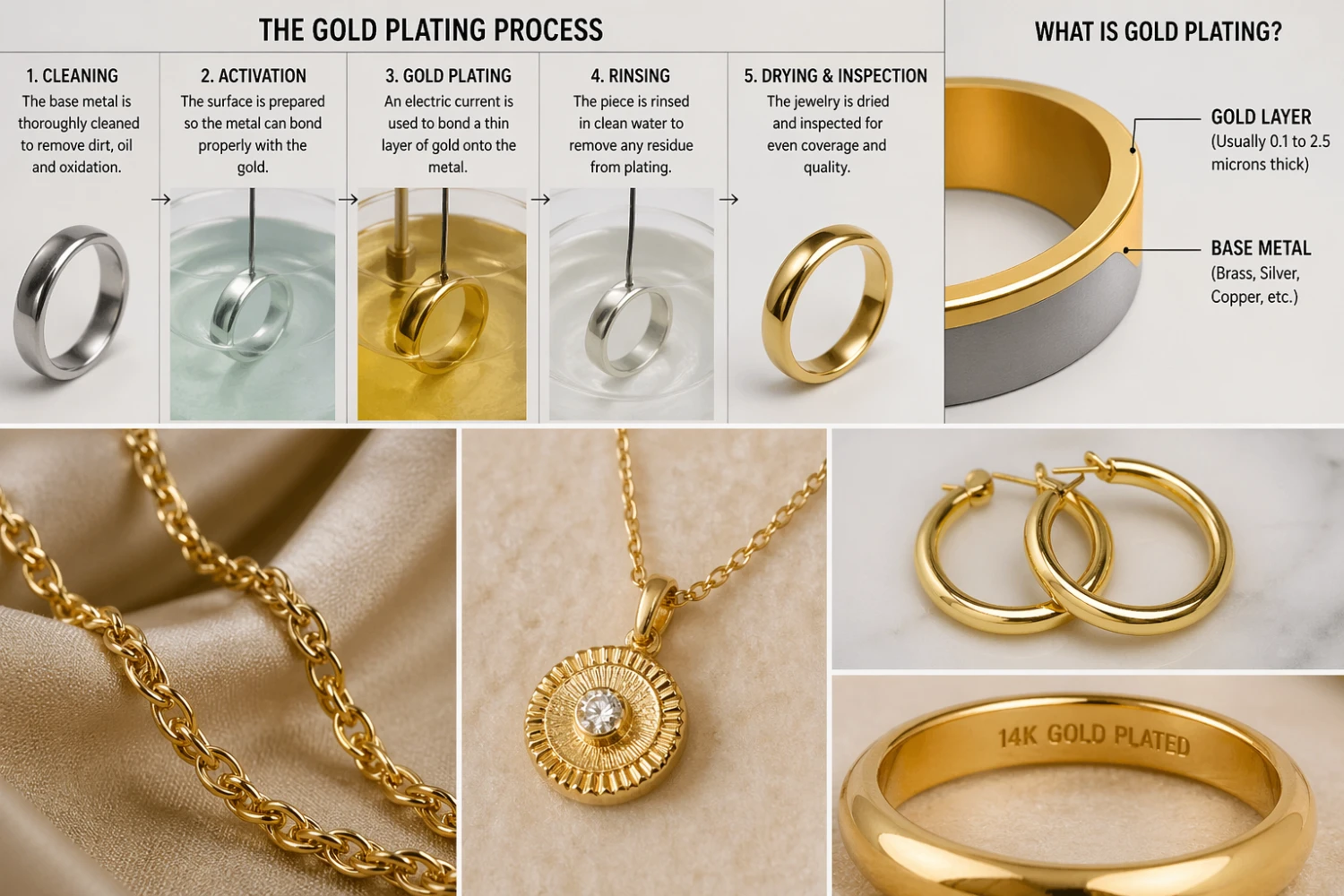
Gold plating is a process where a thin layer of gold is added over another metal. That base could be brass, copper, stainless steel, sometimes even silver. The method used is usually electroplating. Basically, electricity helps bond that gold layer onto the surface. Sounds technical, but the result is simple. You get that gold finish without using solid gold all the way through.
That’s the actual gold plating meaning. A surface layer. Not the whole piece.
And yes, people ask this all the time: Is gold plating real gold? The honest answer? The gold on top is real. Just very little of it. Underneath, it’s something else entirely.
How Gold Plating Jewelry is Made
This part doesn’t get talked about enough, but it should. Because the quality of gold plating jewelry depends heavily on how it’s done. It usually goes something like this:
The base metal gets cleaned properly. Any residue ruins the finish
Then it’s polished so the surface is smooth
After that comes the plating bath, where the gold bonds to the piece
Sometimes there’s a final coating added for protection
Now here’s where things get a little unpredictable. Not every piece gets the same thickness of gold. Some are barely coated, and others have a more substantial layer. And that difference? It decides whether your jewelry still looks great after months, or starts fading way too soon.
18K Gold Plating: What Does It Mean?
It’s About the Gold Itself, Not the Whole Piece
When you see 18k gold plating, it’s easy to assume the entire jewelry item is made of 18k gold, it’s not. What that label actually refers to is the outer layer only. The gold used in the plating contains 75% pure gold, mixed with other metals to make it a bit more durable. Underneath that layer? A completely different base metal. Could be brass, stainless steel, or even silver.
Why 18k Looks Richer than Lower Karats
Not all gold tones look the same, and this is where 18k stands out. Because of its higher gold content, 18k gold plating has a warmer, deeper yellow tone. It doesn’t have that overly bright or slightly artificial look you sometimes see with lower karat finishes like 14k or 10k. It feels closer to fine jewelry visually. Subtle difference, but noticeable.
Durability Isn’t Just About the Karat
Higher karat doesn’t automatically mean longer-lasting. Even with 18k gold plating, the lifespan depends more on how thick that gold layer is. A very thin 18k coating can wear off faster than a thicker lower-karat plating. So while 18k looks better, durability comes down to craftsmanship, not just purity.
Where it Fits in Your Jewelry Collection
Think of 18k gold plating as a balance. It gives you that premium gold appearance without the full cost of solid gold. It works well for:
Statement pieces
Occasion wear
Trend-driven designs
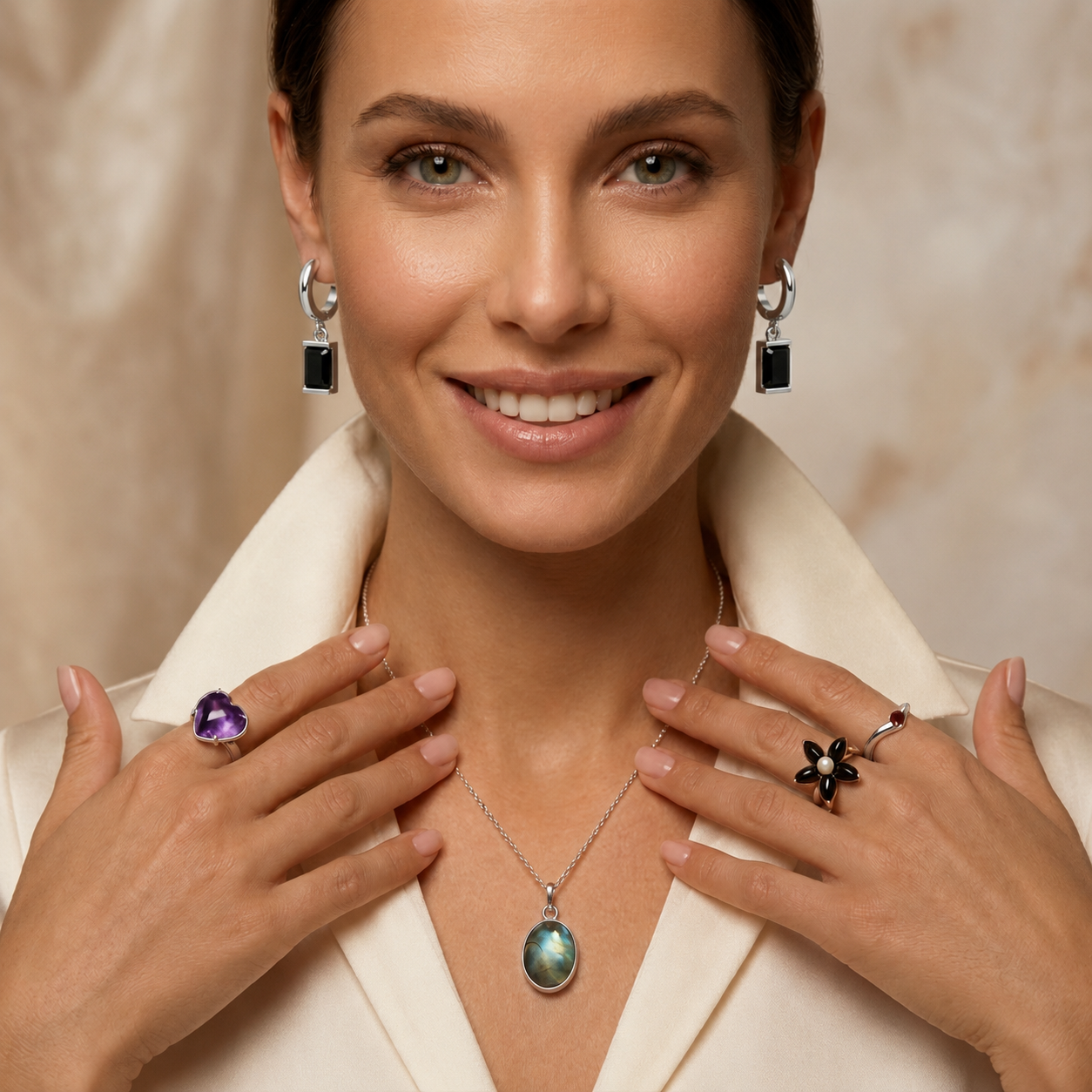
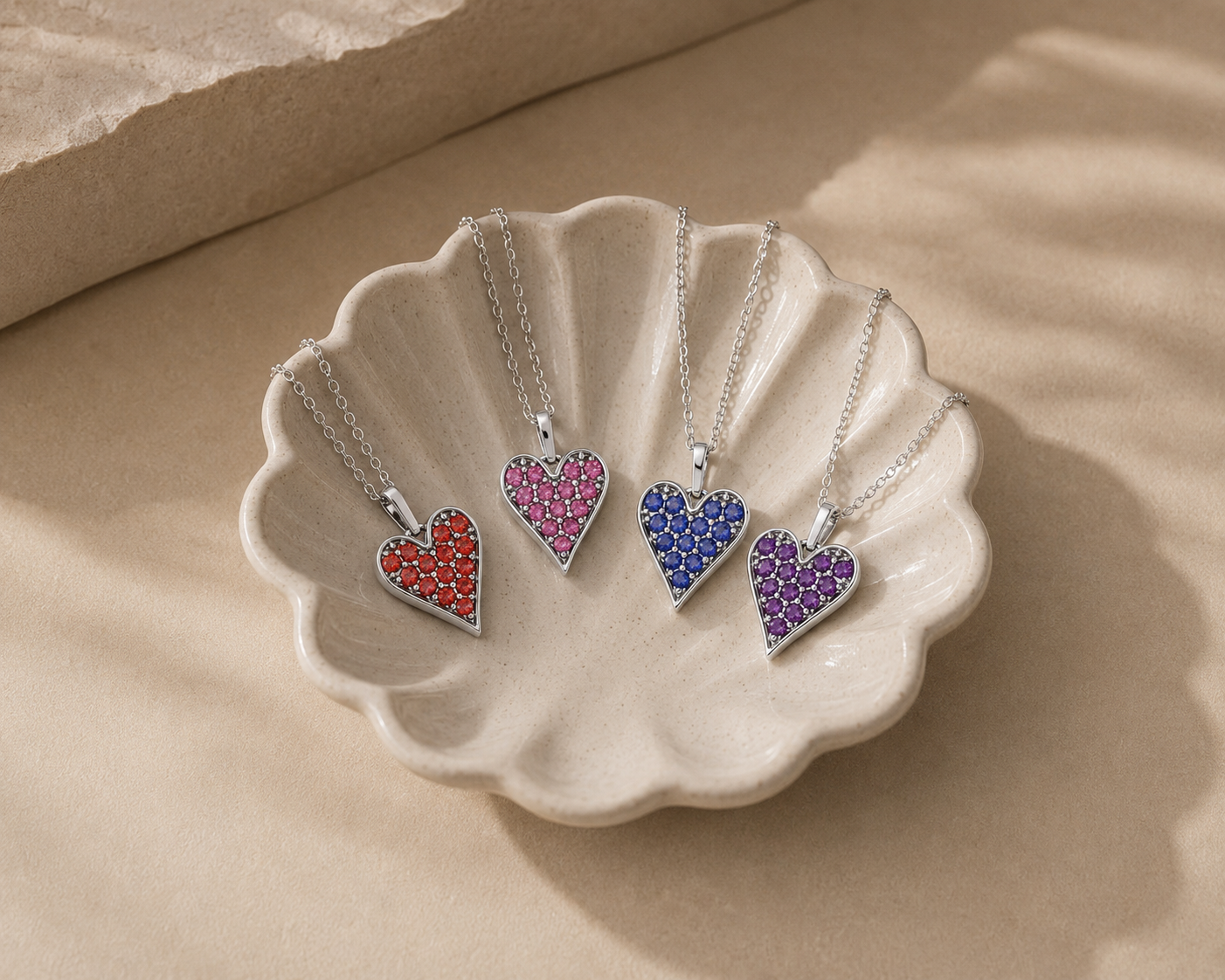
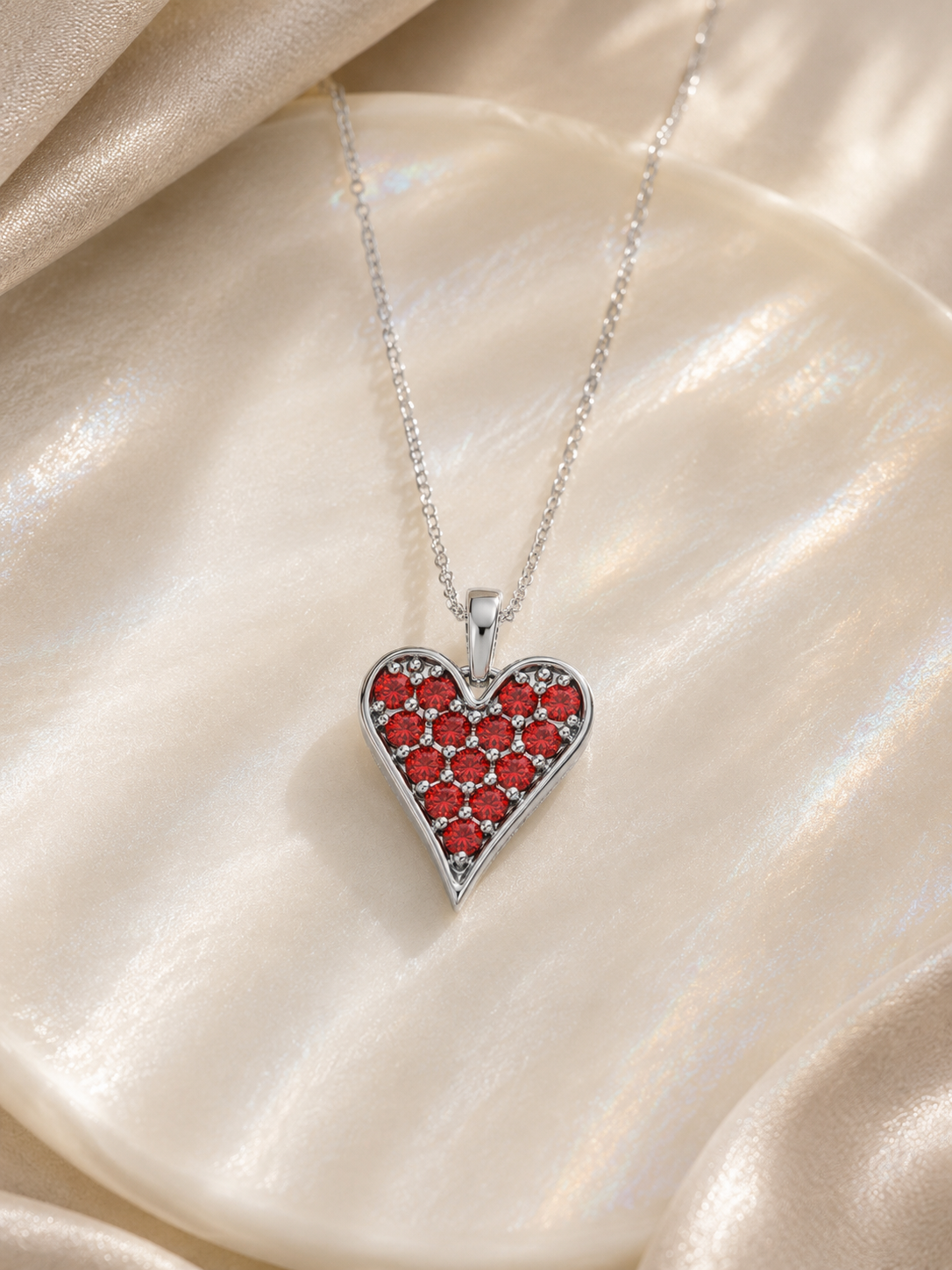
Looking for real gold plated jewelry? Explore BAUTLR’s authentic gold plated gemstone jewelry collection.

Gold Plating on Sterling Silver
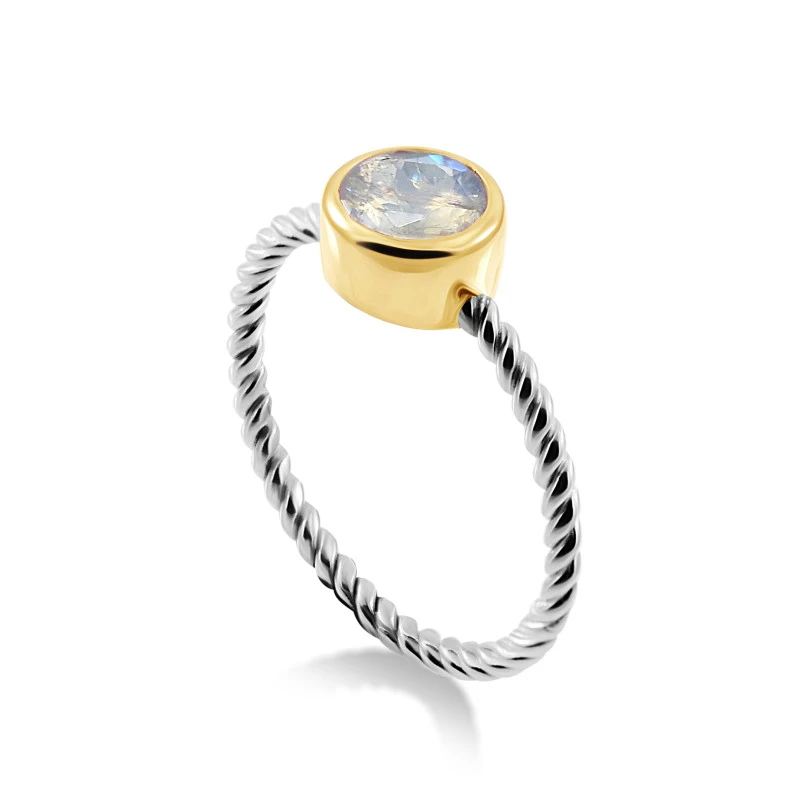
Now this is where things step up a bit. Gold plating on sterling silver is often considered better than plating over basic metals. And there’s a reason for that. Sterling silver itself has value. It’s not just filler material. So when gold is layered over it, you’re working with a stronger foundation.
Also, if the gold eventually wears down, you’re not left with something cheap-looking underneath. You’ve still got silver. In some cases, when certain standards are met, this combination is called vermeil. It sits somewhere between everyday fashion jewelry and fine jewelry.
Gold Filled vs Gold Plated: What’s the Difference?
This comparison trips a lot of people up, so let’s make it simple. When you’re looking at gold filled vs gold plated, the biggest difference comes down to how much gold is actually there.
Gold plated –
Thin coating
More affordable
Wears down faster with regular use
Gold filled –
Much thicker layer of gold
Bonded differently, not just surface-level
Holds up better over time
If gold plated is like a light brush of color, gold filled is more like a proper layer that sticks around. So, price differs, but so does longevity.
Is Gold Plating Worth It?
If you expect it to behave like solid gold, you’re setting yourself up for disappointment. That’s just the truth. But if you see gold plating for jewelry as a way to get the look, experiment with styles, and not overcommit financially, then it makes total sense. It’s great for:
Trend pieces you won’t wear forever
Layering jewelry
Occasion-based styling
How Long Does Gold Plated Jewelry Last?
Some pieces hold up surprisingly well, and others don’t. And it’s not always obvious at the time of purchase.
Rough idea:
Occasional wear: could last a couple of years
Daily wear: might start fading within months
It depends on a few things. Thickness of plating. Your skin chemistry. How often it’s exposed to water, sweat, perfumes. So, two people can buy the same piece and have completely different experiences.
How to Make Gold Plated Jewelry Last Longer
You don’t need a full routine. Just don’t treat it like it’s indestructible. A few simple habits go a long way:
Take it off before showering
Avoid spraying perfume directly on it
Store it somewhere dry, not just tossed in a pile
Wipe it lightly after wearing
When Should You Choose Gold Plated Jewelry?
There’s a time and place for everything. Gold plated jewelry works best when you:
Like switching up your style often
Want statement pieces without overspending
Are building a collection instead of investing in one item
It gives flexibility, and honestly, that’s underrated. But if you’re buying something you plan to wear every single day for years, you might want to look beyond plating.

In a Nutshell
Gold plated pieces sit in this middle ground. Not cheap, not luxury in the traditional sense, but definitely useful. Once you understand what is gold plating, the rest becomes easier. You know what you’re paying for. You know what to expect.
And more importantly, you stop getting surprised when a piece doesn’t last forever. If you play it right, mix it with better-quality pieces, and take a little care, gold plated jewelry can do exactly what it’s supposed to do. It looks good, feels good, and doesn’t drain your wallet.
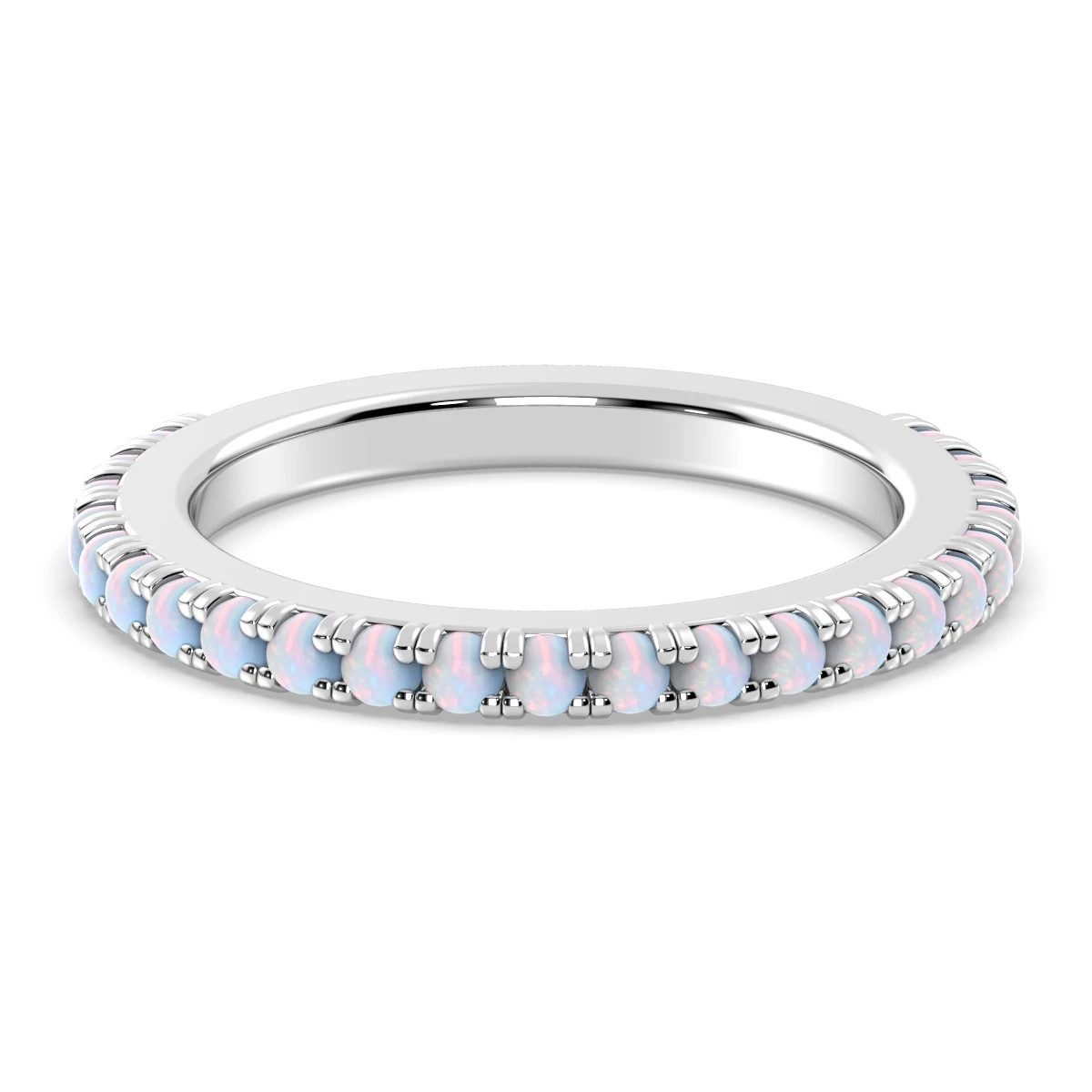
Add something meaningful to your collection. Explore BAUTLR’s authentic gemstone jewelry collection today!